Table of Contents >> Show >> Hide
- Why Blue Works So Beautifully in a Boy’s Nursery
- Why Bunk Beds Make Sense in a Nursery Makeover
- Planning the Layout: Make Every Inch Earn Its Keep
- Choosing the Right Bunk Bed Style
- Sweet Blue Nursery Decor Ideas That Do Not Feel Overdone
- Storage Solutions for a Bunk Bed Nursery
- Bedding, Textiles, and Cozy Details
- Lighting Ideas for a Blue Nursery With Bunk Beds
- Wall Decor That Makes the Room Feel Personal
- How to Make the Room Grow With Your Child
- A Step-by-Step Makeover Plan
- Real-Life Experience: What This Makeover Feels Like Day to Day
- Conclusion: A Sweet Blue Room That Works Hard and Feels Like Home
A blue boy’s nursery can be many things: calm, classic, playful, nautical, modern, vintage, or somewhere delightfully in between. But add bunk beds to the story, and suddenly the room becomes more than a cute place to sleep. It becomes a space-saving command center, a sibling headquarters, a reading nook, a toy zone, andlet’s be honesta tiny indoor treehouse with better sheets.
This sweet blue boy’s nursery makeover with bunk beds is all about blending charm with real-life practicality. The goal is not to create a showroom where no one is allowed to touch the pillows. The goal is to design a room that looks beautiful, works hard, grows with your child, and survives the daily parade of stuffed animals, picture books, socks without partners, and toy trucks that mysteriously migrate under the bed.
Whether you are turning a baby nursery into a shared boys’ room, preparing for a second child, updating a toddler bedroom, or simply trying to make better use of a small space, bunk beds can be a brilliant design move. The trick is choosing the right layout, a calming blue color palette, smart storage, safe materials, and décor that feels sweet without becoming too babyish after six months.
Why Blue Works So Beautifully in a Boy’s Nursery
Blue is a nursery classic for a reason. Soft blue feels peaceful, airy, and bedtime-friendly. Deeper navy adds structure and sophistication. Blue-gray creates a cozy, modern look that does not scream “theme room” from across the house. In a boy’s nursery makeover, blue also works well because it pairs easily with white, natural wood, tan, cream, brass, black, sage green, rust, and even cheerful pops of mustard or red.
The best blue nursery designs usually avoid using one flat shade everywhere. Instead, they layer tones. Imagine pale blue walls, navy bunk bed guardrails, white bedding, woven baskets, warm wood picture frames, and a striped rug. The room feels designed, but not fussy. Sweet, but not sugary. Calm, but not sleepy in the boring way.
Best Blue Color Ideas for a Nursery With Bunk Beds
For a gentle baby boy nursery, consider powder blue, misty blue-gray, sky blue, or a soft denim shade. These colors help the bunk beds feel less visually heavy. For a more dramatic room, use navy or slate blue on one feature wall, the bunk bed frame, built-ins, or closet doors. If the room is small, keep the ceiling and trim white to prevent the space from feeling boxed in.
A smart approach is the “60-30-10” palette rule. Use 60 percent soft neutral or pale blue, 30 percent medium blue or wood tone, and 10 percent accent color. That accent might be brass hardware, striped bedding, a red toy wagon, green art, or a mustard reading lamp. Tiny rooms love discipline. Without a plan, a nursery can go from “sweet blue makeover” to “yard sale after a thunderstorm” very quickly.
Why Bunk Beds Make Sense in a Nursery Makeover
Bunk beds are one of the most useful furniture choices for a shared kids’ room because they use vertical space instead of swallowing the entire floor. In a nursery, they make the most sense when the room is shared by siblings, when grandparents or caregivers occasionally sleep nearby, or when a lower bunk is used as a cozy reading and lounging spot until a child is old enough for regular bed use.
A bunk bed can also help a former nursery transition into a “big boy room.” Instead of replacing every piece of furniture, you can keep sentimental items like a rocking chair, dresser, favorite art, or baby blanket and pair them with a more grown-up bed. This gives the space continuity. The room grows up, but it does not forget its baby days. Parents, proceed carefully; this is where feelings may sneak up and tackle you.
Safety Comes Before Style
Before choosing the cutest bunk bed on the internet, think about safety. Children younger than six should not sleep on the top bunk. The top bunk should have guardrails on both sides, a properly fitted mattress, and a secure ladder. Guardrails should sit high enough above the mattress to reduce fall risk, so avoid using an overly thick mattress on the top bunk. The bed should also be placed away from ceiling fans, windows, dangling cords, and anything that invites climbing adventures that no adult approved.
For a nursery, the safest setup is often a bottom bunk or floor-level sleeping space for the younger child, with the upper bunk reserved for an older sibling who is mature enough to climb carefully. If the room is for one young child, the lower bunk can become a reading nest while the top bunk waits for later. Add a night-light near the ladder, anchor nearby dressers or bookcases to the wall, and keep the “no jumping, no wrestling, no superhero launches” rule very clear.
Planning the Layout: Make Every Inch Earn Its Keep
The best nursery makeover starts with measuring, not shopping. Measure the room, ceiling height, window placement, closet doors, baseboards, and traffic paths. Bunk beds save floor space, but they are tall and visually strong. They need breathing room.
In many small boys’ rooms, the best position for bunk beds is along the longest uninterrupted wall or tucked into a corner. A corner placement can help the bed feel built-in and cozy. It also leaves more open floor space for playing, dressing, and the occasional stuffed animal parade. If the room has a window, avoid blocking natural light unless the bed is low enough and the window remains accessible.
Create Zones in the Room
A successful blue boy’s nursery with bunk beds usually includes four simple zones:
- Sleep zone: bunk beds, soft bedding, night-light, and easy-to-reach books.
- Storage zone: dresser, closet, bins, baskets, and under-bed drawers.
- Play zone: rug, toy storage, open floor space, and soft seating.
- Care zone: diapering supplies, rocking chair, hamper, and daily essentials if the child is still a baby or toddler.
When each zone has a purpose, the room feels calmer. You are not just decorating; you are reducing future chaos. That may not sound glamorous, but ask any parent who has stepped barefoot on a tiny plastic dinosaur at 2 a.m. Organization is romance.
Choosing the Right Bunk Bed Style
The bunk bed is the centerpiece of the makeover, so choose one that matches both the room and the child’s stage. White bunk beds feel fresh and classic in a blue nursery. Natural wood adds warmth and keeps the room from feeling too cold. Navy-painted bunks create a bold, custom look, especially against pale blue or white walls. Built-in bunks are beautiful if your budget allows, but freestanding bunks are more flexible if you move often or want to rearrange later.
Twin-Over-Twin, Twin-Over-Full, or Low Bunk?
A twin-over-twin bunk bed is the most common choice for smaller bedrooms. It is efficient and balanced. A twin-over-full design gives the lower bunk extra lounging space and can be useful for bedtime stories, sleepovers, or a parent lying down with a child. A low bunk is often a better choice for younger kids because it keeps the upper bed closer to the ground and makes the room feel less towering.
If the room still functions as a nursery, low-profile furniture is your friend. A tall bunk, tall dresser, tall bookshelf, and tall lamp can make a small room feel like a furniture forest. Choose one major vertical piecethe bunk bedand let other items stay visually lighter.
Sweet Blue Nursery Decor Ideas That Do Not Feel Overdone
The sweetest rooms often have restraint. You do not need boats on the walls, whales on the sheets, clouds on the rug, stars on the curtains, and a giant quote decal telling everyone to dream big. One or two theme hints are enough. The room should feel like a child lives there, not like a catalog page lost a fight with a sticker machine.
Soft Nautical Without the Theme Explosion
A blue nursery naturally lends itself to coastal or nautical touches. Try striped bedding, a rope basket, framed sailboat art, or a small brass reading light. Keep the walls simple and let texture do the work. Blue-and-white stripes are timeless, but use them in moderation. A striped rug or striped sheets can add movement without overwhelming the room.
Vintage Boy’s Room Charm
For a sweeter, more collected look, mix blue walls with vintage-style art, wood toys, a classic metal lamp, framed family photos, and a small painted dresser. This style works especially well if you are reusing nursery furniture. A changing table can become a dresser. A rocking chair can become a reading chair. A baby quilt can be folded at the end of the lower bunk.
Modern Blue and White
If you prefer clean lines, pair white bunk beds with pale blue walls, simple bedding, black picture frames, and hidden storage. Add warmth with a woven shade, oak shelf, or tan leather drawer pulls. Modern does not have to mean cold. In a kid’s room, modern should mean easy to clean, easy to grow with, and difficult for a toddler to dismantle before breakfast.
Storage Solutions for a Bunk Bed Nursery
Storage is where a beautiful makeover becomes a livable room. Bunk beds free up floor space, but kids come with things. So many things. Tiny socks, board books, blocks, plush animals, backup sheets, seasonal clothes, diapers, wipes, art supplies, and the random pinecone your child has emotionally adopted.
Under-bed drawers are ideal for extra bedding, pajamas, and out-of-season clothes. Wall shelves can hold books and keepsakes, but keep heavy items low and secure. Baskets are perfect for stuffed animals and quick cleanup. Labeled bins help older children participate in tidying. A closet with double hanging rods, cube storage, or slim drawer units can dramatically improve the room’s function.
Give Each Child Personal Space
In a shared boys’ nursery or bedroom, personal storage matters. Each child should have a bin, shelf, drawer, or bedside pocket that belongs only to him. This helps reduce arguments and gives each child a sense of ownership. Even if the room is small, a little personal territory goes a long way.
For bunk beds, add a wall-mounted book ledge or small clip-on light near each sleeping area. The lower bunk might have a basket for bedtime books. The upper bunk can have a soft caddy for a water bottle, small flashlight, or favorite stuffed animal. Keep it simple and safe.
Bedding, Textiles, and Cozy Details
Bedding is the easiest way to make a blue nursery feel finished. For a sweet look, choose soft cotton sheets, washable quilts, and cozy blankets in layers of blue, white, cream, and natural textures. Avoid overly bulky comforters on the top bunk because they are harder to manage and may interfere with guardrail height. Lightweight quilts or coverlets are usually more practical.
A washable rug is another smart choice. It softens the room, creates a play zone, and adds pattern. For a blue boy’s nursery, consider a subtle stripe, faded vintage pattern, soft geometric design, or neutral jute-style rug layered with something plush. Curtains can also make the room feel polished. Choose blackout curtains if naps are still sacred in your household. And if naps are still happening, congratulationsyou are living in a golden age.
Lighting Ideas for a Blue Nursery With Bunk Beds
Lighting should be layered. Use an overhead fixture for general brightness, a small lamp for bedtime routines, and a night-light for safe movement. If the upper bunk is being used by an older child, add a safe, low-heat reading light that is securely installed and does not create dangling cords.
Warm white bulbs usually work best in a nursery because they make blue walls feel cozy instead of icy. A dimmer switch is also helpful for bedtime, diaper changes, and those sleepy moments when full brightness feels like being interrogated by the sun.
Wall Decor That Makes the Room Feel Personal
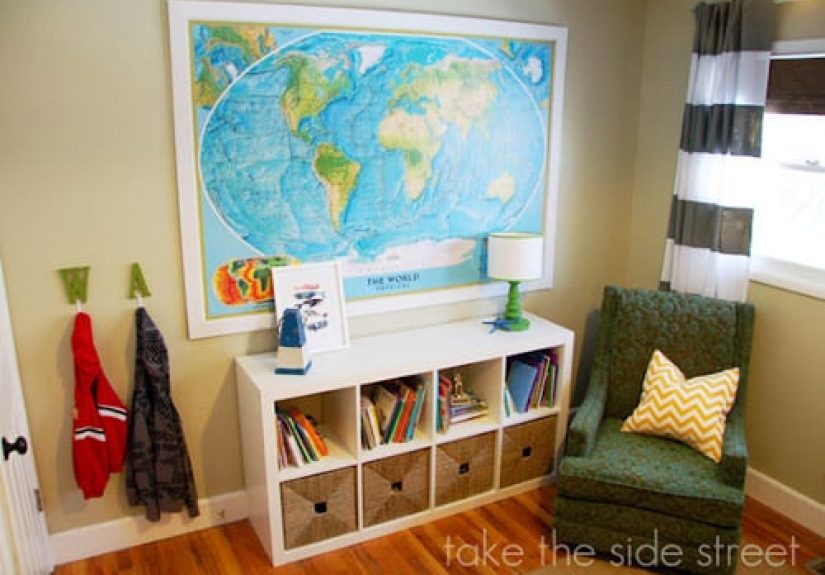
Wall décor is where the makeover becomes personal. A gallery wall above a dresser, framed animal prints, a name sign, vintage maps, simple line drawings, or family photos can all work beautifully. For a sweet blue boy’s nursery, mix playful and meaningful pieces. One framed print of a bear in overalls? Charming. Twelve bears wearing hats and holding inspirational signs? We may need a meeting.
Chalkboard paint on a closet door or small wall section can add fun, but use it thoughtfully. A magnetic board, peg rail, or rotating art display can be even easier to manage. The key is flexibility. Children change interests quickly, so avoid making every element permanent. Paint and bedding can stay timeless while art and accessories evolve.
How to Make the Room Grow With Your Child
A nursery makeover is most successful when it grows with the child. Choose quality furniture, classic colors, and flexible storage. Skip anything too age-specific for large purchases. A crib sheet with baby animals is easy to replace; a custom wall mural of cartoon trains is a bigger commitment.
Blue is a strong foundation because it can mature. Pale blue becomes coastal or classic. Navy becomes preppy or modern. Denim blue becomes casual and timeless. As your child grows, you can swap baby toys for books, a changing pad for a lamp, and nursery art for sports prints, maps, space posters, or whatever obsession arrives next. Dinosaurs? Likely. Construction trucks? Very likely. A detailed fascination with ceiling fans? Also possible.
A Step-by-Step Makeover Plan
Step 1: Clear and Sort
Remove anything the room no longer needs. Sort baby items into keep, donate, store, and daily-use categories. This gives you a realistic sense of what storage the room actually requires.
Step 2: Paint the Foundation
Choose your blue palette and paint before installing the bunk bed. Use good ventilation while painting and allow the room to air out. A soft blue wall color with crisp white trim is a safe, beautiful starting point.
Step 3: Place the Bunk Bed
Position the bunk bed where it leaves a clear walkway and does not block windows, vents, or closet access. Check ladder placement, guardrails, and mattress fit before adding décor.
Step 4: Add Storage
Use under-bed drawers, baskets, closet systems, wall hooks, and low book storage. Anchor furniture securely, especially dressers and bookshelves.
Step 5: Layer the Sweet Details
Add bedding, curtains, rug, art, books, stuffed animals, and lighting. Keep accessories meaningful and washable. In a kid’s room, “washable” may be the most beautiful word in the English language.
Real-Life Experience: What This Makeover Feels Like Day to Day
The real magic of a sweet blue boy’s nursery makeover with bunk beds is not just the “after” photo. It is how the room works on an ordinary Tuesday. At first, the makeover may feel like a design project. You compare paint swatches, measure walls, choose bedding, and wonder how one tiny person has collected more belongings than a traveling circus. But once the room is finished, the best parts are surprisingly practical.
The bunk bed immediately changes the way the room functions. Suddenly, the floor opens up. There is space for a soft rug, a basket of blocks, a small train track, or a reading corner. If siblings share the room, each child gets a defined sleeping spot without the room feeling crowded. The lower bunk often becomes the heart of the space. It is where bedtime stories happen, where stuffed animals hold important meetings, and where a tired parent can sit without folding into a toddler chair designed by someone with no knees.
One of the biggest lessons from this kind of makeover is that storage needs to be designed for speed. Beautiful storage is nice, but fast storage is better. A lidded basket may look elegant, but an open bin is more likely to be used by a child. Low shelves are better than high shelves for daily books. Drawer dividers are not glamorous, but they can prevent pajamas, socks, and tiny pants from becoming one confusing cotton mountain.
Another real-life discovery is that blue changes throughout the day. In morning light, pale blue can feel fresh and cheerful. At nap time, it can feel calm and quiet. In the evening, with warm lamps on, it becomes cozy. That is why testing paint samples matters. A blue that looks dreamy online may look icy in a north-facing room or too bright in strong sunlight. Always paint a sample and look at it morning, afternoon, and night before committing.
Parents also learn quickly that the room should invite independence. A low book bin lets a child choose bedtime stories. A small hook encourages hanging up a robe or backpack. A step stool near the dresser can help older toddlers participate in getting dressed. A labeled basket for stuffed animals makes cleanup feel less like punishment and more like putting the zoo to bed.
The sweet details matter, too. A framed newborn photo, a handmade blanket, a tiny pair of baby shoes on a shelf, or a favorite bedtime book can keep the nursery feeling tender even after the room becomes more “big kid.” That emotional balance is important. A makeover does not have to erase the baby years. It can honor them while making room for the next stage.
Finally, expect the room to evolve. The perfect shelf arrangement may last three days. The lower bunk may become a fort. The toy basket may become a boat. The rug may host snack crumbs despite your very clear snack policy. That is not failure. That is childhood doing its job. A well-designed nursery with bunk beds should be beautiful, yes, but it should also be flexible enough to handle imagination, growth, mess, and the occasional pajama dance party.
Conclusion: A Sweet Blue Room That Works Hard and Feels Like Home
A sweet blue boy’s nursery makeover with bunk beds is the perfect blend of charm, comfort, and clever space planning. Blue creates the calm foundation. Bunk beds make the room more functional. Smart storage keeps daily life manageable. Personal details make the space feel loved. Safety choices keep the design grounded in common sense.
The best version of this room is not the most expensive or the most elaborate. It is the room that fits your child, your home, and your everyday routines. It has a soft place to sleep, a safe place to climb when age-appropriate, a cozy spot for stories, and enough storage to make cleanup possible even on days when everyone is running on crackers and optimism.
With the right layout, layered blue tones, sturdy bunk beds, practical storage, and a few playful touches, a former nursery can become a beautiful boys’ bedroom that grows gracefully. Sweet, smart, and ready for real lifethat is the kind of makeover worth celebrating.