Table of Contents >> Show >> Hide
At first glance, spoon nails can look like a quirky little nail oddity. Maybe your nail suddenly seems scooped out in the middle, the edges lift a bit, and you start wondering whether your fingers are trying to become tiny serving utensils. Charming image, sure, but not always harmless.
Spoon nails, also known by the medical name koilonychia, are often a clue that something bigger is going on. In many cases, they are linked to iron deficiency or iron deficiency anemia. In other situations, they can show up with thyroid disease, autoimmune conditions, hereditary traits, repeated trauma, or chronic exposure to certain chemicals. Sometimes they are even a normal temporary finding in infants. The key is not to panic, but not to shrug it off either.
This guide breaks down how to identify spoon nails, what causes them, how doctors evaluate them, what treatment usually looks like, and when it is smart to get checked out. If your nails have started looking like they could cradle a raindrop, here is what they may be trying to tell you.
What Are Spoon Nails?
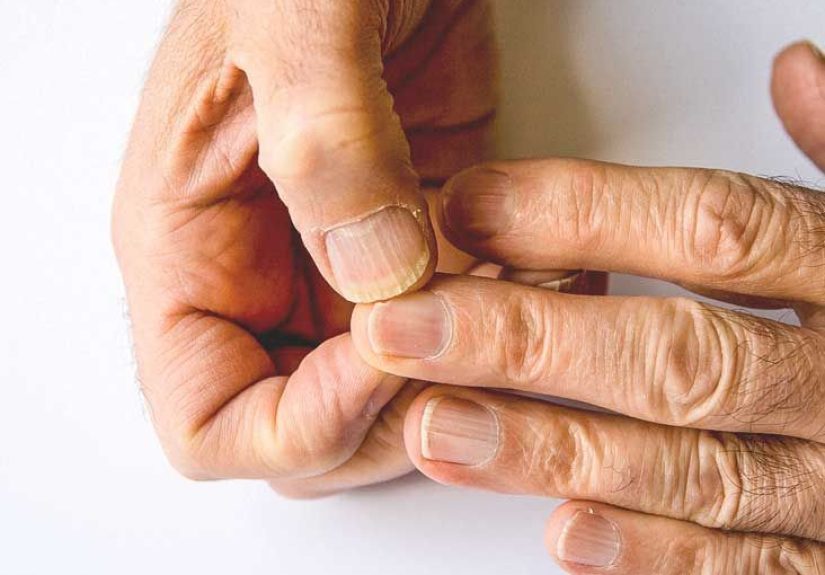
Spoon nails are nails that become thin, soft, and concave, meaning the center dips inward while the edges turn upward. Instead of lying fairly flat, the nail begins to look like a shallow spoon. This change can affect fingernails, toenails, or both, though fingernails are more commonly noticed first because, well, people tend to look at their hands more than they inspect their toes under bright bathroom lighting.
The medical term for this condition is koilonychia. It is not a disease by itself. It is a sign or symptom. That distinction matters. When you notice spoon-shaped nails, the goal is not just to fix the nail shape. The real job is to figure out why the change happened.
How to Identify Spoon Nails
Some nail changes are easy to miss at first. Spoon nails often begin subtly and become more obvious over time. You may notice one nail, several nails, or gradually all nails changing shape.
Common signs of spoon nails
- The nail center looks dipped or hollowed out.
- The outer edges of the nail angle upward.
- The nails seem thinner or softer than usual.
- The surface may look fragile, brittle, or overly smooth.
- You may notice changes in several nails instead of just one.
Sometimes the change is mild enough that you only notice it while filing your nails or removing polish. In more developed cases, the spoon shape is obvious from across the room. If the nails also break easily, peel, or feel unusually flexible, that adds to the suspicion that the nail plate is not forming normally.
It is also helpful to know what spoon nails are not. They are not the same as nail pitting, thick fungal nails, ridged nails, or nails that are curved downward. Those patterns can point to other conditions. Spoon nails have their own distinct “scooped-out” look.
What Causes Spoon Nails?
There is no single cause of koilonychia. Still, some causes are much more common than others. The classic association is low iron, but it is not the only explanation.
1. Iron deficiency and iron deficiency anemia
This is the most famous cause, and for good reason. Spoon nails are strongly associated with iron deficiency anemia. If your body does not have enough iron, it cannot make hemoglobin effectively, and that can affect oxygen delivery throughout the body. Nails, like hair and skin, often reflect nutritional stress in surprisingly visible ways.
Iron deficiency can happen for several reasons, including:
- Not getting enough iron from food
- Heavy menstrual bleeding
- Blood loss from the gastrointestinal tract
- Poor absorption of iron, including from conditions such as celiac disease
- Increased iron needs during pregnancy or growth
If spoon nails are related to iron deficiency, other symptoms may tag along. These can include fatigue, weakness, dizziness, pale skin, headaches, shortness of breath with activity, pica such as craving ice, and sometimes restless legs. In short, the nails may not be the loudest symptom, but they can be one of the most visible.
2. Iron overload and hemochromatosis
Yes, the plot thickens. While low iron is the best-known culprit, hemochromatosis, a condition in which the body absorbs too much iron, has also been linked with spoon nails. That means a spoon-shaped nail should not automatically lead to self-diagnosis or a blind trip to the supplement aisle. More iron is not always the answer.
3. Autoimmune and inflammatory conditions
Spoon nails may sometimes appear in people with conditions such as lupus, lichen planus, and psoriasis. These disorders can affect the skin and nail unit directly or contribute through inflammation and altered nail growth. In these cases, the nails are often just one part of a larger picture.
4. Thyroid disease and circulation problems
Hypothyroidism and poor circulation, including Raynaud’s phenomenon, have also been associated with koilonychia. When blood flow, metabolism, or tissue turnover changes, nails may reflect it.
5. Trauma and repeated irritation
Sometimes the explanation is not internal at all. Chronic trauma to the nail bed can contribute to spoon nails. Repeated picking, biting, thumb-sucking in young children, pressure from tight shoes, and frequent mechanical irritation can all reshape how a nail grows.
6. Chemical exposure
Some people develop spoon nails after repeated exposure to petroleum-based products or solvents. That means certain work environments or beauty routines can play a role. If the nails changed after frequent chemical contact, that detail is worth mentioning to a doctor.
7. Genetics and infancy
In some families, spoon nails can be hereditary. They may also be seen in infants and very young children as a normal physiologic finding that disappears with age. That is one reason the same nail shape can mean very different things depending on the person’s age, symptoms, and health history.
8. Less common related conditions
Doctors may also think about rarer associations, including Plummer-Vinson syndrome, a condition linked to chronic iron deficiency, swallowing problems, and esophageal webs. This is not the first thought in most people with nail changes, but it is one reason doctors ask about symptoms beyond the hands.
Symptoms That May Show Up Alongside Spoon Nails
Spoon nails themselves are usually not painful. What matters more are the symptoms that accompany them. These clues can help point toward the underlying cause.
- Fatigue or weakness: common with iron deficiency anemia
- Pale skin: another possible sign of anemia
- Dizziness or headaches: especially if iron levels are low
- Shortness of breath: may happen with anemia
- Pica: cravings for ice, dirt, or other nonfood items
- Restless legs: sometimes linked with iron deficiency
- Skin rashes, joint pain, or cold fingers: may point toward autoimmune or circulation issues
- Difficulty swallowing: a red flag when paired with iron deficiency symptoms
If the only issue is one oddly shaped nail after local trauma, the cause may be straightforward. But if several nails are changing and you also feel run-down, the nails may be acting like little billboard ads for an underlying medical problem.
How Doctors Diagnose Spoon Nails
Diagnosis starts with a good old-fashioned look at the nails, followed by questions about the rest of your health. A doctor will usually ask when the change began, whether one or many nails are affected, and whether you have symptoms like fatigue, heavy periods, weight changes, rashes, or digestive issues.
What evaluation may include
- A physical exam of the nails, skin, and sometimes the mouth
- A review of diet, medications, work exposures, and family history
- Blood tests such as a complete blood count (CBC) and ferritin
- Additional iron studies, depending on results
- Testing for thyroid disease, autoimmune disease, or blood sugar issues if suggested by symptoms
- Evaluation for blood loss or malabsorption if iron deficiency is found
If your doctor suspects iron deficiency, the next question is usually not just “How low is the iron?” but also “Why is it low?” For example, a teenage athlete, a pregnant person, and an older adult with gastrointestinal bleeding may all have low iron for very different reasons. That is why proper diagnosis matters more than guessing.
Doctors also need to distinguish spoon nails from fungal infections and other nail disorders. A fungal nail usually looks thickened, crumbly, yellowish, or distorted in a different pattern. Spoon nails can occur alongside a nail infection, but koilonychia itself is not simply “nail fungus in disguise.”
Treatment for Spoon Nails
There is no one-size-fits-all treatment because spoon nail treatment depends on the cause. The nails improve when the underlying issue is addressed and healthy new nail grows in.
If iron deficiency is the cause
Treatment may include:
- Eating more iron-rich foods, such as red meat, beans, lentils, spinach, and fortified cereals
- Pairing iron-rich foods with vitamin C sources to improve absorption
- Iron supplements if a doctor recommends them
- Treating the reason iron is low, such as heavy bleeding or digestive disease
It is important not to start high-dose iron supplements casually. Too much iron can be harmful, and if the real problem is something like hemochromatosis, random supplementation can backfire badly.
If another condition is responsible
Treatment might involve managing thyroid disease, autoimmune disease, skin disorders, circulation problems, or workplace exposures. If trauma is the issue, protecting the nail and stopping the repeated irritation can allow healthier growth over time.
Nail care while they recover
- Keep nails trimmed but not aggressively short
- Use gloves when working with water or chemicals
- Avoid picking, biting, or harsh manicures
- Choose shoes with enough toe room
- Moisturize hands and cuticles regularly
Recovery is usually slow because nails grow slowly. Even after the cause is treated, it may take months for the nail shape to normalize as new nail replaces the old nail plate.
When to See a Doctor
You should schedule a medical visit if:
- You notice spoon-shaped nails in more than one nail
- The change is new and you do not know why
- You also have fatigue, dizziness, pale skin, or shortness of breath
- You crave ice or other nonfood items
- You have heavy menstrual bleeding or possible signs of internal bleeding
- You have trouble swallowing
- You have nail changes along with rash, joint pain, or cold-sensitive fingers
It is especially worth getting evaluated if the nail change appears gradually and sticks around. Spoon nails are one of those findings that may be completely manageable, but only after you figure out what is driving them.
Spoon Nails in Everyday Life: Experiences People Often Describe
The most interesting thing about spoon nails is that many people do not notice them right away. They notice the context first. A person may realize they are unusually tired, struggling through workouts that used to feel easy, or wondering why climbing one flight of stairs suddenly feels like a dramatic life event. Then one day, while reaching for keys or typing on a laptop, they catch the light on a fingernail and think, “Wait, why does that look like a tiny cereal spoon?”
One common experience is the “I thought it was cosmetic” phase. Someone sees thinning nails and assumes it is from too much hand washing, gel polish, or aging. That is not an unreasonable guess. Nails take a lot of daily abuse. But after the change spreads to multiple nails, they start paying closer attention. Often that is when other symptoms suddenly make sense. The afternoon exhaustion, the headaches, the pale skin, the craving for ice, the extra shedding hair, the feeling of being just a little off for months. The nails become the clue that ties the rest together.
Another very real experience is frustration over how long it takes to improve. Even when treatment starts promptly, nails do not bounce back overnight. People often feel better before their nails look better. Someone who starts treating iron deficiency may notice more energy in a few weeks, while the spoon shape lingers because nails need time to grow out. That lag can be discouraging. It helps to know that slow visible improvement is normal and does not necessarily mean treatment is failing.
Some people describe embarrassment, especially when the nails are obvious. Hands are public. You use them at work, in social settings, while paying for coffee, and during every awkward wave ever invented. If the nails look fragile or unusual, people may worry others will assume they do not take care of themselves. In reality, spoon nails are often not about grooming at all. They are more like a medical sticky note from the body.
There are also very different experiences depending on the cause. A college student eating a restrictive diet may discover low iron after months of fatigue. A woman with very heavy periods may finally connect the dots after years of assuming exhaustion is normal. A salon worker or person with frequent solvent exposure may realize the pattern started after repeated chemical contact. A parent may notice spooning in a toddler’s nails and feel alarmed, only to learn that mild spooning in young children can sometimes be temporary and harmless. Same nail shape, very different stories.
What many people share is relief once they get a real explanation. The nails stop being mysterious. The treatment plan becomes concrete. The person is no longer stuck doom-scrolling photos of nail conditions at midnight and trying to decide whether they have a vitamin deficiency, a fungal infection, a thyroid problem, or a dramatic flair for overthinking. In that sense, spoon nails can be annoying, but they can also be useful. They are visible enough to catch attention early, and that visibility sometimes leads to diagnosis before a deeper issue goes unchecked for too long.
If you have noticed this nail change yourself, the best “experience-based” advice is simple: take it seriously, but do not catastrophize. Look at the whole picture. Think about energy levels, diet, bleeding, digestion, skin symptoms, and exposures. Then let a medical professional help connect the dots. Your nails may not be trying to ruin your manicure. They may just be asking for backup.
Conclusion
Spoon nails, or koilonychia, are more than a cosmetic quirk. They are a visible change in nail shape that often points to an underlying issue, especially iron deficiency anemia. But they can also be linked to hemochromatosis, autoimmune disease, hypothyroidism, circulation problems, repeated trauma, chemical exposure, genetics, or normal development in infants.
The smartest move is not to guess. It is to notice the pattern, pay attention to related symptoms, and get evaluated if the change is new, persistent, or happening with fatigue and other warning signs. The good news is that spoon nails often improve once the root cause is treated. So if your nails are trying out a spoon impression, it is worth finding out what the rest of your body wants to say.