Table of Contents >> Show >> Hide
- Why This Bacon-Roasted Potatoes Recipe Works
- Ingredients for Bacon-Roasted Potatoes
- Best Potatoes to Use
- How To Make Bacon-Roasted Potatoes
- Recipe Card: Bacon-Roasted Potatoes
- Tips for the Crispiest Bacon-Roasted Potatoes
- Flavor Variations
- What To Serve With Bacon-Roasted Potatoes
- How To Store and Reheat Leftovers
- Common Mistakes To Avoid
- Personal Cooking Experience: What I Learned Making Bacon-Roasted Potatoes
- Final Thoughts
Some side dishes politely sit next to the main course and wait their turn. Bacon-roasted potatoes do not. They arrive at the table sizzling, golden, salty, smoky, and fully aware that they are about to become everyone’s “just one more bite” problem. This recipe is the kind of dish that makes roasted potatoes taste like they hired a publicist, got a makeover, and learned how to steal the spotlight from steak, chicken, eggs, burgers, and basically anything else on the plate.
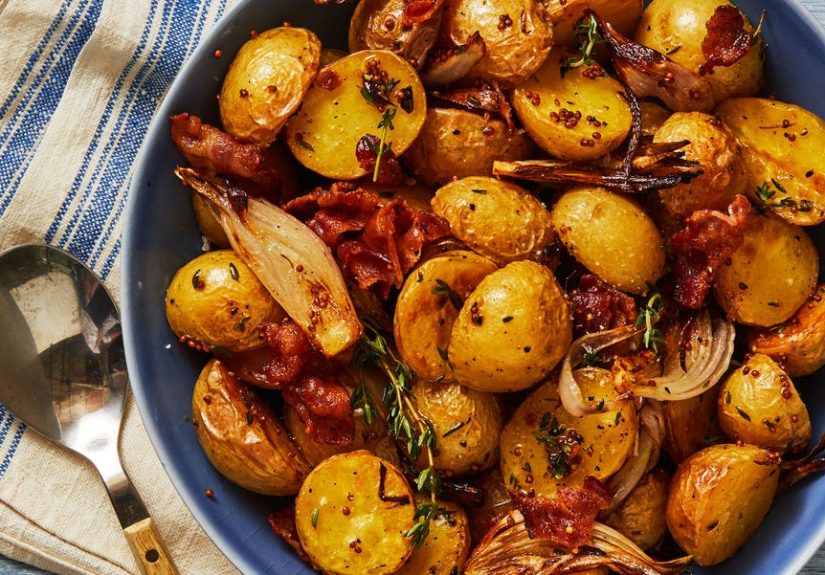
The best bacon-roasted potatoes recipe is built on a simple idea: crisp potatoes love flavorful fat, and bacon brings plenty of it. When potato chunks are tossed with rendered bacon drippings, garlic, herbs, black pepper, and just enough salt, they roast into crunchy-edged, creamy-centered bites with a deep savory flavor. Add the crispy bacon back near the end, and you get potatoes that are smoky without being greasy, rich without being heavy, and easy enough for a weeknight dinner.
This guide explains how to make bacon-roasted potatoes the right way, including which potatoes to choose, how to cut them, when to add the bacon, how to get crispy edges, and what mistakes to avoid. No sad, pale potatoes allowed. We are here for crunch, color, and the kind of aroma that makes people wander into the kitchen pretending they “just came to check on something.”
Why This Bacon-Roasted Potatoes Recipe Works
Great roasted potatoes need three things: enough heat, enough fat, and enough space. When those three conditions are met, the potatoes brown instead of steam. Bacon-roasted potatoes take that classic roasting formula and make it better by using bacon drippings as part of the cooking fat. Bacon fat helps the potatoes crisp while adding smoky, savory flavor that plain oil simply cannot match.
The trick is not to dump raw bacon and raw potatoes on a pan and hope for magic. That often leads to uneven cooking: the bacon may burn before the potatoes turn tender, or the potatoes may release moisture while the bacon turns limp. A better method is to partially cook the bacon first, reserve some of the drippings, toss the potatoes in that flavorful fat, and roast them until golden. Then the bacon returns near the end so it stays crisp instead of turning into chewy little mystery bits.
This recipe also gives you two options. The simple method uses raw potato chunks tossed in bacon fat and roasted at high heat. The extra-crispy method includes a short parboil before roasting. Parboiling roughens the potato surface, which creates more crispy edges in the oven. It adds a few minutes, but the payoff is real: potatoes with craggy, golden exteriors and fluffy centers.
Ingredients for Bacon-Roasted Potatoes
Main Ingredients
- 2 pounds baby potatoes or Yukon Gold potatoes, cut into 1-inch chunks
- 6 slices thick-cut bacon, chopped into 1-inch pieces
- 2 tablespoons olive oil, plus more if needed
- 1 teaspoon kosher salt, adjusted to taste
- 1/2 teaspoon freshly ground black pepper
- 1 teaspoon garlic powder or 3 minced garlic cloves
- 1 teaspoon smoked paprika
- 1 teaspoon chopped fresh rosemary or thyme
- 2 tablespoons chopped parsley, for finishing
- 1 tablespoon grated Parmesan, optional but very welcome
Optional Extra-Crispy Additions
- 1/2 teaspoon baking soda, for the parboiling water
- 1 tablespoon kosher salt, for the parboiling water
- 1 tablespoon melted butter, for extra richness at the end
- Chopped green onions, for a loaded-potato finish
Best Potatoes to Use
Yukon Gold potatoes are the all-around champion for this recipe because they have a naturally buttery flavor and a texture that becomes creamy inside while still crisping nicely outside. Baby potatoes are also excellent because their thin skins roast beautifully and their small size makes prep easy. Red potatoes work well too, especially if you like a slightly waxier, firmer bite.
Russet potatoes can be used, but they are starchier and more delicate after parboiling. If you choose russets, cut them into larger chunks so they do not fall apart. They will crisp beautifully, but they need gentle handling. Think of them as the dramatic friend of the potato world: delicious, but slightly fragile.
Avoid potatoes that are soft, heavily sprouted, or very green. Firm potatoes with smooth skin will roast better and taste cleaner. If you see a small blemish, cut it away. If the potato looks like it has been through a haunted house, let it retire.
How To Make Bacon-Roasted Potatoes
Step 1: Preheat the Oven
Preheat your oven to 425°F. High heat is important because it helps the potatoes brown and crisp instead of slowly drying out. Place a large rimmed baking sheet in the oven while it preheats. A hot pan gives the potatoes an immediate sizzle when they hit the surface, which helps build that golden crust.
Step 2: Cook the Bacon Partway
Add the chopped bacon to a skillet over medium heat. Cook for 5 to 7 minutes, stirring occasionally, until the bacon begins to render fat and turn lightly crisp. It does not need to be fully crunchy yet because it will finish in the oven. Use a slotted spoon to transfer the bacon to a plate. Reserve 2 to 3 tablespoons of the bacon drippings.
If your bacon gives you more fat than that, save the extra in a heatproof container. If it gives you less, add olive oil to make up the difference. Bacon is wonderful, but it is not always generous. Sometimes it needs a little help from olive oil.
Step 3: Prepare the Potatoes
Cut the potatoes into even 1-inch pieces. Similar size means similar cooking time. If some pieces are tiny and others are the size of a golf ball, the tiny ones will become crunchy little fossils before the larger ones are tender.
For the easiest version, pat the potatoes dry with a clean towel, then place them in a large bowl. For the extra-crispy version, boil the potatoes for 8 to 10 minutes in salted water with 1/2 teaspoon baking soda. Drain well, then let them steam-dry for a few minutes. Shake them gently in the pot to rough up the edges. Those rough edges become crispy bits in the oven.
Step 4: Season Everything Well
Toss the potatoes with reserved bacon drippings, olive oil, salt, pepper, garlic powder, smoked paprika, and rosemary or thyme. Every potato piece should look lightly coated, not drenched. If the potatoes look dry, add another teaspoon or two of olive oil. If they look like they are swimming, pour off a little fat. Roasted potatoes want a glossy jacket, not a deep-sea expedition.
Step 5: Roast Until Golden
Carefully remove the hot baking sheet from the oven. Spread the potatoes in a single layer, cut side down where possible. Leave space between pieces. Crowding the pan traps steam, and steam is the enemy of crispiness. If needed, use two baking sheets.
Roast for 25 minutes without stirring. This gives the potatoes time to develop a deep golden crust. Flip them with a spatula, scatter the partially cooked bacon over the pan, and roast for another 12 to 18 minutes, until the potatoes are tender inside and crisp outside.
Step 6: Finish and Serve
Remove the pan from the oven and sprinkle the potatoes with parsley. Add Parmesan if you want a salty, nutty finish. Taste before adding more salt because bacon varies widely in saltiness. Serve hot, preferably straight from the pan, because that is where the crispiest pieces hide.
Recipe Card: Bacon-Roasted Potatoes
Prep Time
15 minutes
Cook Time
40 to 50 minutes
Total Time
55 to 65 minutes
Servings
6 servings
Ingredients
- 2 pounds baby potatoes or Yukon Gold potatoes, cut into 1-inch pieces
- 6 slices thick-cut bacon, chopped
- 2 tablespoons olive oil
- 2 to 3 tablespoons reserved bacon drippings
- 1 teaspoon kosher salt, plus more to taste
- 1/2 teaspoon black pepper
- 1 teaspoon garlic powder
- 1 teaspoon smoked paprika
- 1 teaspoon chopped rosemary or thyme
- 2 tablespoons chopped parsley
- 1 tablespoon grated Parmesan, optional
Instructions
- Preheat oven to 425°F. Place a rimmed baking sheet in the oven while it heats.
- Cook chopped bacon in a skillet over medium heat until lightly crisp and some fat has rendered. Remove bacon and reserve 2 to 3 tablespoons drippings.
- Cut potatoes into even pieces. Pat dry. For extra crispiness, parboil for 8 to 10 minutes, drain, and rough up the edges.
- Toss potatoes with bacon drippings, olive oil, salt, pepper, garlic powder, smoked paprika, and herbs.
- Spread potatoes on the hot baking sheet in a single layer. Roast for 25 minutes.
- Flip potatoes, add bacon, and roast 12 to 18 minutes more, until crisp and tender.
- Finish with parsley and Parmesan. Serve hot.
Tips for the Crispiest Bacon-Roasted Potatoes
Dry Potatoes Roast Better
Moisture slows browning. Whether you rinse, parboil, or simply cut the potatoes, dry them before they go into the oven. Steam-drying after boiling is especially helpful. Let the drained potatoes sit uncovered for a few minutes so surface moisture can escape.
Use a Big Enough Pan
A crowded baking sheet creates soft potatoes. For crispy roasted potatoes, each piece needs contact with the hot pan and enough space for moisture to evaporate. If the pan looks crowded, divide the potatoes between two pans. This is not being dramatic; this is potato science.
Do Not Add Garlic Too Early If Using Fresh Garlic
Garlic powder can handle a longer roast, but fresh minced garlic burns quickly. If you prefer fresh garlic, add it during the last 10 to 15 minutes of roasting or mix it with melted butter and toss it with the potatoes after they come out of the oven.
Salt Carefully
Bacon is salty, Parmesan is salty, and some brands of kosher salt are saltier by volume than others. Start with a moderate amount, then taste at the end. You can always add salt, but removing it requires wizardry, and most of us are just trying to make dinner.
Flavor Variations
Loaded Bacon-Roasted Potatoes
After roasting, sprinkle the potatoes with shredded cheddar and return the pan to the oven for 3 to 5 minutes, just until melted. Finish with sour cream, green onions, and extra bacon. This version tastes like loaded potato skins and disappears dangerously fast.
Garlic-Parmesan Bacon Potatoes
Toss the hot roasted potatoes with melted butter, fresh garlic, Parmesan, and parsley. This variation is perfect with grilled chicken, steak, or roasted vegetables. It has steakhouse energy without requiring a reservation or a suspiciously expensive bottle of water.
Spicy Bacon-Roasted Potatoes
Add 1/4 teaspoon cayenne pepper or 1 teaspoon chili powder to the seasoning mix. Serve with ranch, chipotle mayo, or a squeeze of lime. The smoky bacon and gentle heat make this version great for game day or casual dinners.
Breakfast Bacon Potatoes
Turn leftovers into breakfast potatoes by reheating them in a skillet until crisp, then topping them with eggs. Add sautéed onions and bell peppers if you want a diner-style hash. Coffee on the side is not required, but emotionally, it makes sense.
What To Serve With Bacon-Roasted Potatoes
Bacon-roasted potatoes are flexible enough for breakfast, brunch, lunch, dinner, and the mysterious snack hour that happens when you open the fridge and stare into it like it contains answers. For dinner, serve them with roasted chicken, pork chops, steak, salmon, burgers, or meatloaf. They also pair beautifully with a crisp green salad because the fresh greens balance the richness of the bacon.
For brunch, these potatoes are excellent with scrambled eggs, omelets, breakfast casseroles, or avocado toast. For a party, serve them with toothpicks and a dipping sauce such as sour cream ranch, garlic aioli, honey mustard, or spicy ketchup. They are casual, comforting, and easy to love.
How To Store and Reheat Leftovers
Let the potatoes cool, then refrigerate them in an airtight container. For best quality, eat them within 3 to 4 days. Reheat them in a 400°F oven or air fryer until hot and crisp. Avoid the microwave if crispiness matters to you. The microwave will warm them, but it will also soften the edges, and those edges worked hard to become crunchy.
To freeze bacon-roasted potatoes, spread cooled potatoes on a baking sheet and freeze until firm, then transfer them to a freezer-safe bag. Reheat from frozen in a hot oven. The texture may be slightly softer than fresh, but the flavor will still be very satisfying.
Common Mistakes To Avoid
Using Too Much Bacon Fat
Bacon fat adds flavor, but too much can make the potatoes greasy. Use enough to coat the potatoes lightly. If you want a richer finish, add butter or cheese after roasting rather than drowning the potatoes at the start.
Turning the Potatoes Too Often
Resist the urge to stir constantly. Potatoes need uninterrupted contact with the hot pan to brown properly. Flip once, maybe twice, but do not babysit them into softness.
Adding Bacon Too Late or Too Early
If bacon goes in too early, it can burn. If it goes in too late, it may not crisp. Partially cooking it first and adding it during the second half of roasting gives you better control.
Skipping the Taste Test
Always taste before serving. Potatoes are humble, but they need seasoning. A final pinch of salt, a crack of pepper, a splash of vinegar, or a handful of herbs can make the whole dish brighter.
Personal Cooking Experience: What I Learned Making Bacon-Roasted Potatoes
The first time I made bacon-roasted potatoes, I assumed the recipe would be impossible to mess up. Potatoes plus bacon sounded like culinary insurance. I chopped everything, tossed it on a pan, and waited for greatness. What I got was tasty, yes, but not exactly crispy. The bacon was a little too dark, the potatoes were a little too pale, and the whole pan had that “we tried our best” energy.
That batch taught me the first big lesson: bacon and potatoes do not always cook at the same speed. Bacon is thin, fatty, and eager to brown. Potatoes are dense, starchy, and need time to soften. When they start together from raw, one often wins the race while the other is still tying its shoes. Cooking the bacon partway first changed everything. The potatoes got the bacon drippings early, and the bacon came back later to finish crisping without burning.
The second lesson was about space. I used to believe one baking sheet could handle anything if I arranged the food with confidence. Unfortunately, confidence does not evaporate moisture. When potatoes are packed too tightly, they steam. They may still taste good, but they will not have that crisp, roasted edge that makes people pick at the pan before dinner. Now I use two baking sheets when needed, and I do not apologize for it. Crispy potatoes require boundaries.
The third lesson was that the cut side matters. Placing the flat sides down on a hot pan gives potatoes a beautiful golden crust. It is a small detail, but it makes a big difference. Those browned sides taste deeper and nuttier, almost like a cross between fries and roasted potatoes. If you want the best bacon-roasted potatoes, take the extra minute to turn the pieces cut side down. Your future self, standing over the pan with a fork, will be grateful.
I also learned that finishing touches are not decoration; they are balance. Bacon and roasted potatoes are rich, salty, and savory. A handful of parsley, a little green onion, or even a tiny splash of apple cider vinegar can wake everything up. Parmesan adds another layer of flavor, but herbs add freshness. If the potatoes taste heavy, they probably need brightness, not more bacon. This is upsetting news to bacon lovers, but it is true.
One of my favorite ways to serve this recipe is at brunch. I roast the potatoes until crispy, then serve them with eggs, toast, and a simple fruit salad. The fruit makes the plate look responsible, while the bacon potatoes do the important emotional work. For dinner, I love them next to roast chicken or a simple green salad with lemon vinaigrette. The potatoes are bold enough to carry the meal but familiar enough that even picky eaters tend to trust them immediately.
The biggest experience-based tip is simple: do not rush the browning. If the potatoes are tender but not crisp, give them more time. Ovens vary, pans vary, and potatoes contain different amounts of moisture. Watch the color, not just the clock. When the edges look deeply golden and the bacon is crisp, you are there. The smell will also tell you. Bacon-roasted potatoes have a very specific aroma that says, “People are about to hover near the stove.”
After making this dish many times, I think the best version is not the most complicated one. It is the version that respects the basics: dry potatoes, hot pan, enough fat, enough space, and bacon added at the right moment. When those details line up, you get a side dish that feels special without being fussy. It is the kind of recipe that works for holidays, Sunday dinners, casual cookouts, and random Tuesday nights when plain potatoes simply do not have enough personality.
Final Thoughts
The best bacon-roasted potatoes recipe is crispy, smoky, tender, and easy to customize. It does not require fancy equipment or chef-level technique. It only asks you to treat the potatoes with a little respect and the bacon with a little strategy. Use high heat, give the potatoes space, season them well, and add the bacon at the right time. The result is a golden, savory side dish that tastes like comfort food with excellent decision-making skills.
Whether you serve these potatoes with dinner, brunch, burgers, eggs, or straight from the baking sheet while pretending you are “testing for seasoning,” they deliver big flavor with simple ingredients. Keep the recipe classic, make it loaded, add garlic Parmesan, or turn up the spice. However you serve them, bacon-roasted potatoes are proof that sometimes the best recipes are the ones that make everyone stop talking for a moment and reach for seconds.