Table of Contents >> Show >> Hide
- What Is Cranberry Hibiscus?
- Best Growing Conditions for Cranberry Hibiscus
- How to Plant Cranberry Hibiscus
- How to Care for Cranberry Hibiscus Through the Season
- How to Propagate Cranberry Hibiscus
- Common Problems and How to Fix Them
- Can You Eat Cranberry Hibiscus?
- Landscape Ideas for Cranberry Hibiscus
- Real-World Growing Experience: What Gardeners Learn After a Season with Cranberry Hibiscus
- Conclusion
Cranberry hibiscus is what happens when a tropical plant decides subtlety is overrated. With deep burgundy leaves, fast growth, and a tart, edible kick, this plant walks into a garden bed like it owns the place. If you have ever wanted something that looks a little like a Japanese maple, behaves like a heat-loving annual or tender perennial, and doubles as a conversation starter, cranberry hibiscus is ready for the job.
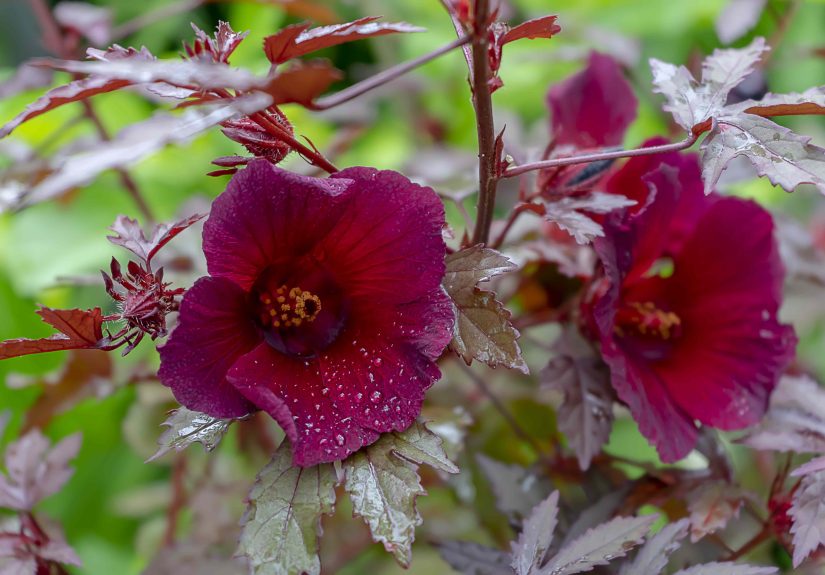
Known botanically as Hibiscus acetosella, cranberry hibiscus is often grown more for its dramatic foliage than for its flowers. The blooms, which usually arrive later in the season, are charming but not the main event. The real show is the richly colored, maple-like leaves that can make a garden border, patio container, or edible landscape look suddenly more expensive. The best part? It is not especially fussy once you understand what it likes.
This guide covers how to grow cranberry hibiscus, how to keep it looking full and healthy, how to propagate it, and how to avoid the usual mistakes that turn a gorgeous plant into a lanky, moody stick with leaves. We are aiming for lush, bold, and just a little dramatic. Like the plant itself.
What Is Cranberry Hibiscus?
Cranberry hibiscus is a tropical to subtropical hibiscus species grown for its colorful foliage, quick growth, and edible young leaves and flowers. It is also called false roselle, African rosemallow, or red-leaf hibiscus. In warm climates, it can behave as a tender perennial. In colder areas, gardeners usually grow it as an annual or overwinter it indoors.
Depending on the cultivar and your growing season, cranberry hibiscus often reaches about 3 to 5 feet tall, though it can grow much larger in long, warm summers. Some varieties stay a bit more compact, while others seem to take “vigorous growth” as a personal challenge. Popular forms include selections such as ‘Mahogany Splendor,’ ‘Red Shield,’ and ‘Panama Red,’ all prized for their dark foliage and bold presence.
The leaves have a pleasantly tart, sorrel-like flavor, which explains the cranberry part of the common name. No, it is not actually a cranberry. It is just borrowing the fruit’s branding because “slightly tangy tropical hibiscus with fabulous foliage” would never fit on a garden tag.
Best Growing Conditions for Cranberry Hibiscus
Give It Sun for the Best Color
If you want the leaves to keep that rich burgundy or deep wine-red tone, plant cranberry hibiscus in full sun. This is the sweet spot for strong color, sturdier stems, and the fullest growth. It can tolerate light shade or dappled shade, especially in very hot climates, but too much shade often leads to weaker color and leggier growth.
Think of full sun as the plant’s beauty filter. Without enough light, the leaves lose some of their dramatic edge, and the whole plant can start reaching and stretching instead of filling out.
Choose Well-Drained, Moist Soil
Cranberry hibiscus prefers soil that drains well but does not stay bone dry. Rich, organically improved soil is ideal, though it can adapt to average garden soil as long as drainage is good. The goal is steady moisture without swampy roots. If the soil stays saturated, root problems become more likely. If it dries out too often, growth slows and the plant may shed leaves sooner than you would like.
Before planting, work compost into the soil if your bed is sandy, poor, or quick to dry out. In containers, use a high-quality potting mix with good drainage. This plant likes a drink, but it does not want wet feet all day. Few plants do. They are plants, not bath toys.
Warm Weather Wins
This is a heat-loving plant. Cranberry hibiscus thrives in warm conditions and does best when summer really feels like summer. In frost-free or nearly frost-free climates, it can keep going much longer and may return from year to year. In colder regions, frost usually ends the party, which is why many gardeners treat it as an annual or bring container plants indoors before temperatures drop too far.
If you live below about USDA Zones 8 to 9, assume you will either grow it for one season or need to overwinter it inside. That is not bad news. It is just an excuse to enjoy a gorgeous seasonal plant without commitment issues.
How to Plant Cranberry Hibiscus
When to Plant
Plant cranberry hibiscus outdoors after the danger of spring frost has passed. Warm soil and rising temperatures help it take off quickly. In tropical and subtropical climates, planting can be more flexible, but in cooler regions, patience matters. Set it out too early, and cold weather can stall or damage the plant.
How to Plant in the Ground
Pick a sunny location with room to grow. Dig a hole about as deep as the root ball and a bit wider, then set the plant so it sits at the same level it was in its nursery pot. Backfill gently, water well, and add mulch around the base to help conserve moisture. Keep mulch a few inches away from the stems so you are not inviting rot to move in.
Space plants generously. Cranberry hibiscus may look modest at planting time, but it grows fast in warm weather. Crowding can encourage legginess, poor air flow, and a general sense of leafy chaos.
How to Grow It in Containers
Cranberry hibiscus does very well in large containers, especially if you want to move it around the patio or bring it indoors for winter. Choose a pot with drainage holes and enough volume to support rapid growth. A cramped pot will dry out quickly and lead to more frequent watering and more frequent plant complaints, expressed through wilting.
Container-grown plants often need more water than in-ground plants, especially during peak summer. In very hot weather, large specimens may need daily watering, and sometimes even twice a day if they are in blazing sun. Container plants also benefit from regular pruning to keep them bushier and easier to manage.
How to Care for Cranberry Hibiscus Through the Season
Water Consistently
The simplest cranberry hibiscus care tip is also one of the most important: keep the soil evenly moist. Not soggy. Not crispy. Evenly moist. Young plants need regular watering while they establish. Once settled in, they are more forgiving, but they still look and perform better when they do not cycle between desert and monsoon.
If leaves start dropping or the plant looks tired in mid-summer, check soil moisture first. In containers, dry soil is the most common culprit. In heavy ground, poor drainage may be the bigger problem. Same symptom, opposite cause, because gardening likes to keep things interesting.
Feed Lightly, Especially in Containers
Cranberry hibiscus is a fast grower, so a balanced fertilizer during active growth can be helpful, particularly in containers where nutrients leach out more quickly. You do not need to overdo it. A light feeding every few weeks to month during the growing season is usually enough to support fresh foliage and steady growth.
In garden beds with good soil and compost, fertilizer can be minimal. In pots, light regular feeding tends to work better than one heroic dose that sends the plant into awkward overdrive.
Pinch and Prune for a Fuller Plant
This is the move that separates a glorious, full cranberry hibiscus from one that looks like it missed a few important life lessons. Pinch back the growing tips of young plants to encourage branching. Regular tip-pruning helps create a bushier, denser shape and keeps the plant from becoming sparse or leggy.
You can also prune longer stems during the season to control size and reduce wind damage. Since flowers form on new growth, pruning does not sabotage the whole season. In fact, it often improves the plant’s shape and makes it more attractive overall.
Protect It from Strong Wind
Cranberry hibiscus has relatively soft wood and a lot of foliage. That combination can make taller plants vulnerable in windy sites. If your garden gets strong gusts, place the plant where it has a bit of shelter, or prune it to keep the top growth balanced. This matters even more in containers, where plants can become top-heavy faster than expected.
How to Propagate Cranberry Hibiscus
Growing from Seed
Cranberry hibiscus grows readily from seed. Start seeds indoors several weeks before your last frost date if you want a head start. Keep the seed-starting mix warm and evenly moist, and transplant seedlings outside once the weather has settled. Because the plant grows quickly, even later starts can still produce impressive results by mid- to late summer.
Seed-grown plants are fun if you like the full from-scratch gardening experience. They are also ideal when you want several plants for a hedge-like effect or a bold backdrop in a border.
Rooting Stem Cuttings
If you already have a plant you love, stem cuttings are one of the easiest ways to make more. Take healthy cuttings during the growing season or before fall frost, then root them in water or a moist growing medium. This is also a smart way to save your favorite plant from one season to the next, especially if you garden where winter has opinions.
Cuttings are especially useful for preserving a cultivar with the exact leaf color or growth habit you want. Seeds can be fun, but cuttings are better when you are picky. And sometimes being picky is just called taste.
Common Problems and How to Fix Them
Leggy Growth
If your plant looks thin and stretched, it usually needs more sun or more pinching. Move container plants to a brighter spot if possible, and start trimming tips to encourage side shoots. Sometimes spacing also matters. Plants jammed too closely together compete for light and lose their nice shape.
Root Rot
When cranberry hibiscus sits in poorly drained soil, roots can decline. Avoid planting in spots that stay waterlogged, and use containers with drainage holes. If you suspect rot, reduce watering, improve drainage, and remove seriously affected growth. Prevention is much easier than rescue.
Wind Breakage
Long, heavy stems can snap in strong wind. The fix is simple: pinch early, prune as needed, and do not let the plant become an unbalanced tower of gorgeous leaves. Strategic restraint is still style.
Pests and Diseases
One reason gardeners like cranberry hibiscus is that it generally does not come with a long list of serious pest or disease issues. That said, no plant is completely above drama. Good air circulation, proper watering, and well-drained soil go a long way toward keeping it healthy.
Can You Eat Cranberry Hibiscus?
Yes. The young leaves and flowers of cranberry hibiscus are edible and often described as tart, tangy, or pleasantly sour. Young leaves can be tossed into salads, stirred into sautés, or used where you might normally use sorrel for brightness. Flowers can also be used as garnish or added to drinks and teas.
The flavor is refreshing and slightly sharp, which makes sense given the plant’s common name. If you like edible landscaping, this plant is a star because it offers ornamental value and kitchen appeal in the same package. It is basically multitasking in heels.
Landscape Ideas for Cranberry Hibiscus
Cranberry hibiscus works beautifully as a specimen plant, a seasonal hedge, a dramatic backdrop, or a bold container centerpiece. Pair it with lime green foliage, silver leaves, ornamental grasses, canna, pineapple sage, or flowering annuals in hot colors for a high-contrast look. Because the foliage is so dark, it helps bright greens and chartreuse tones pop.
It also fits perfectly into edible landscapes, pollinator-friendly gardens, and tropical-style designs. Even when it is not flowering, it brings structure, color, and a strong vertical note to the garden. In design terms, it is the friend who never shows up underdressed.
Real-World Growing Experience: What Gardeners Learn After a Season with Cranberry Hibiscus
The first surprise many gardeners have with cranberry hibiscus is how quickly it changes from “cute little transplant” to “well, that escalated.” Early in the season, it can look almost polite. Then warm weather arrives, and suddenly it is throwing out bold leaves, stretching upward, and demanding more visual space than you originally planned. This is not the plant for tiny, timid placement decisions.
One of the most common lessons is that pinching early really matters. People often skip it because the plant already looks attractive, and nobody wants to cut into a healthy new plant. Then mid-summer rolls around, the stems get longer, the center opens up, and the plant starts leaning like it has had a long week. A few early pinches usually lead to a much better-shaped plant later on. It feels annoying in the moment, but future you will be grateful.
Another practical discovery is how thirsty container-grown cranberry hibiscus can be in peak summer. In the ground, the plant is usually much easier to manage. In a pot, especially a dark container in full sun, moisture disappears fast. Gardeners often learn this the dramatic way: one afternoon the plant is gorgeous, and by dinner it looks like it has seen things. The good news is that it often recovers quickly with water, but repeated drying can reduce vigor and leaf quality over time.
There is also a fun design lesson that comes with growing cranberry hibiscus. Deep burgundy foliage behaves almost like a neutral in the garden, but a glamorous neutral. It makes bright green plants look brighter, silver foliage look sharper, and warm flowers like orange, coral, and gold look richer. After one season, many gardeners stop treating it as a novelty and start using it as a go-to structure plant for summer containers and borders.
People who grow it for edible use usually mention the same thing: harvest the younger leaves first. They tend to be more tender and pleasantly tart, which makes them easier to enjoy in salads or quick sautés. Older leaves can still be useful, but the younger ones are usually the sweet spot for texture and flavor. In a way, cranberry hibiscus rewards you for pruning, because harvesting tender growth often encourages more branching and more fresh leaves.
Gardeners in cooler climates often become accidental propagators because of this plant. Once you realize how beautiful it is, you do not want to lose it to the first frost. So you take a few cuttings “just in case,” put them in water or potting mix, and suddenly you are running a small hibiscus rescue program on a sunny windowsill. It is a very relatable turn of events.
Overwintering indoors can be successful, but expectations help. The plant may not look as glamorous inside as it does outdoors in July. Growth can slow, lower light can reduce color intensity, and you may need to prune it back to keep it manageable. Still, even a slightly less fabulous cranberry hibiscus in winter is better than having to start from zero if you have a favorite form or color.
Perhaps the biggest long-term lesson is that cranberry hibiscus is both useful and theatrical, which is a rare combination in the garden. It gives you foliage, height, edible leaves, tropical energy, and strong seasonal impact without requiring a complicated care routine. Give it sun, decent soil, moisture, and the occasional haircut, and it usually returns the favor in a big way. Not every plant can say that. Some are beautiful but needy. Others are easy but forgettable. Cranberry hibiscus manages to be memorable without acting impossible, and that is a pretty excellent trait in both plants and people.
Conclusion
If you want a plant that brings foliage drama, edible leaves, and tropical personality to the garden, cranberry hibiscus is a smart pick. Grow it in full sun for the richest leaf color, keep the soil evenly moist but well drained, pinch it early for a fuller shape, and protect it from frost if you want to carry it into another season. Whether you plant it in a border, a large patio pot, or an edible landscape, cranberry hibiscus earns its keep fast. It is bold, useful, and far easier to grow than its glamorous looks suggest.
Note: This article is intended for publication-ready use and written in standard American English. Remove or customize the final JSON block as needed for your CMS workflow.