Table of Contents >> Show >> Hide
- What Is a Cross Extension Table?
- Why the Design Works So Well
- How the Original Cross Extension Table Stands Out
- How It Compares With Other Extendable Dining Tables
- How to Choose the Right Cross Extension Table
- Best Design Styles and Room Pairings
- Pros and Cons
- Care and Maintenance Tips
- Real-Life Experiences With a Cross Extension Table
- Final Thoughts
Some furniture pieces do one job. A cross extension table shows off by doing at least three. It works as an everyday dining table, expands for guests when your text thread suddenly turns into a dinner party, and adds sculptural style without looking like it is trying too hard. That mix of function and design is exactly why interest in the Cross Extension Table keeps showing up in modern furniture searches, dining room inspiration, and small-space buying guides.
When shoppers use the phrase “cross extension table,” they are often referring to the well-known design by Matthew Hilton that became a standout in the modern dining category. But the phrase also captures a bigger idea: an extendable dining table with a cross-style or splayed base that creates better legroom, a cleaner silhouette, and more flexibility for real homes. In other words, it is not just a pretty table. It is a peace treaty between daily life and occasional chaos.
This guide breaks down what makes a cross extension table special, how it compares with other extendable dining tables, what features matter most before you buy one, and why this style has become such a smart choice for American homes that need to balance comfort, storage, and style.
What Is a Cross Extension Table?
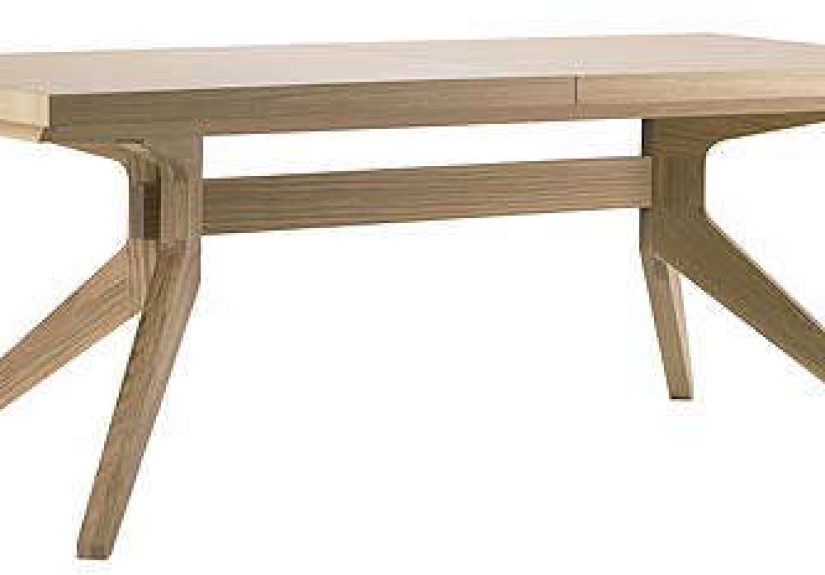
A cross extension table is an extending dining table that combines two key ideas: a base designed around crossed, inset, or splayed supports, and a top that expands with one or more leaves. The result is a table that looks lighter than many bulky pedestal or farmhouse styles, yet still offers the kind of seating capacity people want for holidays, birthdays, and that one friend who always says, “I invited a couple more people, hope that’s cool.”
The most recognized version is Matthew Hilton’s Cross Extension Table, a design celebrated for its clean modern profile and clever engineering. Its signature appeal comes from a base that improves legroom while keeping the table stable, plus an extension system that creates multiple lengths instead of locking you into one giant footprint every day. That is the dream, really: room when you need it, breathing space when you do not.
Why the Design Works So Well
The Base Gives You More Legroom
Traditional four-leg tables can be perfectly fine, until someone ends up straddling a leg like they lost a game of musical chairs. A cross-style base solves that problem by pulling structural support inward. On the original Cross Extension Table, the splayed and inset base is a defining feature because it frees up the perimeter for chairs and knees. That means the table feels more comfortable, especially when you are squeezing in extra guests.
This is also why many shoppers gravitate toward cross base dining tables, trestle extension tables, and other inset-leg designs. The base is not just visual drama. It changes how the table performs when people actually sit at it.
The Extension Mechanism Adds Flexibility
The real magic of an extension dining table is simple: it lets one piece of furniture behave differently depending on the day. The original Cross Extension Table is especially appealing because it offers three usable lengths rather than a single all-or-nothing size. In practical terms, that means it can stay refined for everyday meals and stretch out for entertaining without looking like a folding banquet table snuck into your dining room wearing a fake mustache.
Across the wider U.S. market, extension systems vary. Some tables use self-storing butterfly leaves that fold neatly inside the table. Others rely on removable leaves or drop-in leaves that are stored separately. Room & Board, Ashley, Pottery Barn, Crate & Barrel, and Wayfair all show just how wide that range has become, from compact tables for apartments to long extendable models designed for ten, twelve, or even fourteen diners.
Built-In Leaf Storage Is a Big Deal
This feature deserves more praise than it gets. A self-storing leaf or a felt-lined hidden compartment means you do not have to stash table leaves in a closet, a guest room, or the mysterious “safe place” where home accessories go to disappear forever. The original Cross Extension Table includes concealed storage for leaves, and that convenience is one reason the design stands out. It is elegant, yes, but it is also deeply practical.
How the Original Cross Extension Table Stands Out
The Matthew Hilton version has earned its reputation for good reason. It pairs a refined contemporary shape with engineering that feels purposeful rather than gimmicky. The table has been recognized in design circles, and it remains one of the most talked-about examples of how a modern extendable dining table can balance beauty and utility.
One of the details shoppers love is that it expands smoothly to three lengths, giving homeowners more control over the room. In North American listings, it is presented as seating up to 12 people. That makes it a serious entertaining piece, not just a small table with a backup plan. At the same time, the proportions still feel elegant enough for everyday use.
Its style also helps. The design does not lean too rustic, too traditional, or too trendy. It sits comfortably in the sweet spot of modern wood dining table design, which means it can work with minimalist interiors, warm contemporary homes, transitional spaces, and even rooms that mix vintage and modern pieces.
How It Compares With Other Extendable Dining Tables
Looking at the wider U.S. furniture market helps explain why the Cross Extension Table has such staying power. Shoppers now have more extendable options than ever, but the best tables usually succeed for the same reasons: flexibility, comfort, smart dimensions, and a mechanism that does not require a mechanical engineering degree to operate.
For small-space buyers, brands like West Elm push space-saving dining tables that stay compact and then extend when needed. Pottery Barn offers long-range extension tables that can stretch dramatically for larger gatherings. Crate & Barrel shows how a single design line can scale from seating six to seating fourteen, which is useful if you are shopping by room size first and aesthetics second. Ashley and Wayfair, meanwhile, make the butterfly-leaf idea widely accessible, bringing self-storing leaves into more budget-friendly categories.
What separates a cross extension table from many of those options is the way the base and top work together. Some extension tables are purely functional. They grow longer, sure, but they can look heavy or crowd chair placement. A cross-style design keeps the silhouette more open and usually makes the seating experience more comfortable.
How to Choose the Right Cross Extension Table
Start With Room Measurements
Before falling in love with any table, measure your room like you mean it. Standard guidance suggests leaving about 36 inches of clearance around the table so chairs can move comfortably. If the area behind the chairs is a true walkway, more room is better. That is the difference between a dining room that flows and one that makes guests perform side-shuffle choreography after dessert.
You should also think about dining comfort at the table itself. A common planning rule is around 24 inches of table width per person. Standard dining tables are often around 28 to 30 inches high, with many common models landing around 30 inches, and widths commonly fall in the 36- to 40-inch range. Those numbers matter because even a beautiful table becomes a nuisance if elbows collide and knees stage a protest.
Choose the Right Extension Style
If you entertain often, a self-storing leaf dining table is usually the easiest option. Butterfly leaves and hidden leaves are convenient, fast, and less likely to end up in a garage next to holiday decorations and an exercise bike nobody trusts anymore.
If you host only a few times a year, removable leaves can still work well. They may offer longer maximum extensions, and in some cases they help keep the table structure simpler. But you will need a reliable storage plan. “We’ll figure it out later” is how furniture parts begin their long spiritual journey into household oblivion.
Think About Materials and Finish
Wood remains the favorite for extension dining tables because it feels warm, versatile, and durable. A cross extension table in oak or walnut gives a room instant substance. Lighter woods help a smaller room feel more open, while darker finishes add contrast and formality. If your home sees heavy daily use, look closely at the finish, edge design, and how visible seams are when the table is extended.
Some tables combine solid wood elements with veneered tops to balance beauty, stability, and long-term performance. That is not a compromise in a bad sense. It is often a practical design decision that helps keep a large extending tabletop from behaving like it has mood swings whenever the humidity changes.
Best Design Styles and Room Pairings
A Cross Extension Table works especially well in:
Modern Dining Rooms
Its clean lines, sculptural base, and restrained detailing fit naturally into modern and contemporary interiors. Pair it with upholstered side chairs, a simple pendant light, and a low centerpiece that does not block conversation.
Open-Plan Homes
Because the base is visually lighter than many chunky alternatives, it works beautifully in open spaces where the table is visible from the kitchen or living room. It reads like furniture, not infrastructure.
Small-to-Medium Spaces That Still Host Guests
This is arguably where extension tables shine the most. You do not need a permanently oversized table to be a generous host. You need a table that expands intelligently. That is the whole charm of the category.
Pros and Cons
Pros
A cross extension table offers flexible seating, better legroom than many standard legged tables, a clean design profile, and often convenient leaf storage. It can serve daily life without wasting floor space and still rise to the occasion for entertaining.
Cons
Quality models can be expensive, especially design-forward versions with premium wood construction and hidden storage. Extension mechanisms also mean more moving parts, so lower-quality tables may eventually show alignment issues, wobble, or visible seams. As always in furniture, a suspiciously low price can be less of a bargain and more of a plot twist.
Care and Maintenance Tips
To keep a cross extension table looking sharp, wipe it regularly with a soft dry or slightly damp cloth, clean spills quickly, and avoid letting moisture linger on seams or stored leaves. Use placemats or trivets for hot dishes, especially on wood surfaces. If the table has hidden leaves, make sure they are dry before storing them away. Smooth operation depends not only on the mechanism but also on treating the table like furniture, not a workshop bench.
It is also smart to extend the table now and then even when you do not need the extra space. That helps you notice any alignment or hardware issues early. Plus, it is strangely satisfying. Like opening a sofa bed in a showroom, but with better taste.
Real-Life Experiences With a Cross Extension Table
What makes a cross extension table so appealing is not just how it looks in a catalog. It is how naturally it fits into the rhythms of an actual home. On an average weekday, it behaves like a calm, well-sized dining table that does not bully the room. Two people can eat breakfast without feeling as though they are seated at opposite ends of a diplomatic summit. Kids can do homework on one side while someone else answers emails on the other. It has presence, but it does not sprawl.
Then the weekend happens. A neighbor stops by. Cousins appear. Someone decides a “small dinner” should include eight people and a dessert that requires its own zip code. This is where the table earns its keep. Instead of dragging in folding furniture from a closet or making guests balance plates on their knees, you pull, extend, and suddenly the room is ready. That transformation feels less like furniture assembly and more like a home leveling up in real time.
Many people who live in condos or townhouses especially appreciate this balance. A fixed oversized table can make a room feel permanently crowded. A compact table can leave you unprepared when company arrives. A cross extension table sits in the middle of those two extremes. It lets the room breathe most of the year, then stretches when the calendar gets social. That flexibility is a huge quality-of-life upgrade, especially in homes where the dining area also overlaps with work, crafts, school projects, or the occasional puzzle that somehow lasts three weeks.
There is also the comfort factor. Tables with inset or cross-style bases usually create a friendlier seating experience than bulky corner legs. Guests can slide in more easily, chairs fit more naturally, and nobody has to negotiate awkwardly with a leg support halfway through dinner. It sounds like a small thing, but it changes how relaxed the whole table feels. Comfortable seating is one of those details people rarely compliment directly, yet they absolutely notice it. Nobody says, “Your leg clearance tonight was extraordinary,” but they stay longer, talk more, and somehow end up agreeing to one more cup of coffee.
Style-wise, the experience is equally strong. A cross extension table often becomes the visual anchor of the dining room without demanding a matching set of everything else. It plays well with modern chairs, mixed materials, linen runners, simple ceramics, and even a slightly chaotic family centerpiece situation. It looks polished enough for holidays, but not so formal that you are afraid to set down a pizza box on Friday night.
In the long run, this is probably the best argument for the table. It adapts. It works for quiet mornings, weeknight dinners, birthdays, book clubs, holiday meals, and all the in-between moments that make a house feel lived in. A great cross extension table does not just save space. It creates opportunities. It makes hosting easier, daily life calmer, and the dining room more useful all year long. That is not flashy. It is better. It is furniture that understands the assignment.
Final Thoughts
The Cross Extension Table succeeds because it solves a real problem in a stylish way. It gives homeowners the flexibility of an extendable dining table, the comfort advantages of an inset or cross-style base, and the lasting appeal of modern wood furniture that does not feel disposable or trend-chasing.
If you want a dining table that can handle everyday meals, occasional crowds, and the reality of limited space without sacrificing style, this category deserves serious attention. And if you are specifically looking at the original Matthew Hilton design, the appeal is even clearer: smart engineering, strong proportions, and a look that still feels current years after its debut. In furniture terms, that is the equivalent of aging well without becoming smug about it.