Table of Contents >> Show >> Hide
- Can Dry Eyes Really Affect Your Vision?
- How Dry Eye Changes Vision
- Common Dry Eye Symptoms
- Why Dry Eyes Happen
- Side Effects of Dry Eye Beyond Blur
- When Dry Eye Is Not “Just Dry Eye”
- How Doctors Diagnose Dry Eye
- How to Treat Dry Eye and Protect Your Vision
- When to Call an Eye Doctor
- Can Dry Eye Cause Permanent Vision Loss?
- Common Real-World Experiences With Dry Eye and Vision Changes
- Final Takeaway
Yes, dry eyes can affect your vision, and they can do it in a surprisingly sneaky way. One minute your sight seems fine, and the next, the words on your screen look like they’ve entered a soft-focus filter you definitely did not ask for. If your eyes burn, sting, feel gritty, or suddenly turn your monitor into an impressionist painting, dry eye may be the culprit.
Dry eye disease happens when your eyes either do not make enough tears or make tears that evaporate too quickly. That matters because tears are not just there for dramatic movie scenes. They form a protective tear film that keeps the eye surface smooth, comfortable, and clear. When that film becomes unstable, vision can blur, fluctuate, and feel off even if your glasses prescription is technically fine.
The good news is that dry eye-related blurry vision is often temporary and treatable. The less-fun news is that ignoring it can sometimes lead to inflammation, surface damage, and more serious eye problems. So if your eyes feel like they have been personally offended by the air conditioner, your contact lenses, and your laptop all at once, it is worth paying attention.
Can Dry Eyes Really Affect Your Vision?
Absolutely. Dry eyes can affect your vision because the tear film is part of your optical system. Think of it as the eye’s clear topcoat. When it is smooth and stable, light bends properly and vision stays sharp. When it becomes patchy or evaporates too fast, the surface of the eye becomes irregular. That can make vision look blurry, hazy, or inconsistent.
For many people, the biggest clue is fluctuating vision. You blink, things look clearer for a moment, and then the blur creeps back in. That pattern is classic for dry eye. It is especially common while reading, driving, scrolling, gaming, or working at a screen for long stretches. In other words, the exact activities modern life keeps shoving in our faces.
Dry eye can also reduce visual comfort. Even if you can still read the letters on an eye chart, your vision may feel more effortful. Your eyes may tire faster. Focusing may take longer. Headaches and light sensitivity may tag along like unwanted plus-ones.
How Dry Eye Changes Vision
1. It can cause blurry vision
This is the symptom most people notice first. The blur is often mild at the start, but it can be annoying enough to disrupt reading, computer work, or driving at night. Some people describe it as a film over the eyes. Others say they are constantly tempted to rub their eyes, which usually does not help and sometimes makes irritation worse.
2. It can cause fluctuating vision
Dry eye blur tends to come and go. Vision may sharpen right after a blink and then fade again. If that sounds familiar, your tear film may be breaking up too quickly. This is why some people think they suddenly need a new glasses prescription when the real issue is ocular surface dryness.
3. It can make focusing harder
When the eye surface is irritated, the visual system has to work harder. You may notice trouble reading small text, slower transitions between near and far focus, or fatigue after detailed work. Dry eye does not always slash vision dramatically, but it can make normal sight feel like more work than it should.
4. It can increase glare and light sensitivity
Dry or inflamed eyes may become more sensitive to light. Bright offices, sunlight, headlights, and even your phone screen can suddenly feel rude. Glare and halos may also feel worse, especially when your eyes are tired late in the day.
5. In severe cases, it can damage the cornea
This is the part where dry eye stops being merely annoying and starts acting like a tiny chaos goblin. If the eye surface stays dry long enough, inflammation and friction can irritate the cornea. Tiny abrasions, infections, ulcers, or scarring can develop in serious cases. That is when dry eye can move from temporary blur to actual vision-threatening complications.
Common Dry Eye Symptoms
Dry eye does not always feel exactly the same from person to person, but these symptoms are common:
- Blurry or fluctuating vision
- Burning, stinging, or itching eyes
- A gritty, sandy, or scratchy feeling
- Redness
- Watery eyes, especially after irritation
- Stringy mucus or discharge
- Light sensitivity
- Tired, heavy, or sore eyes
- Discomfort with contact lenses
- Eye irritation that gets worse later in the day
That “watery eyes” symptom confuses a lot of people. Yes, dry eye can make your eyes water. It sounds backward, but irritation can trigger reflex tearing. The problem is that these extra tears often do not have the right balance to keep the eye surface healthy for long, so your eyes can feel watery and dry at the same time. The human body is brilliant, but occasionally it is also a bit dramatic.
Why Dry Eyes Happen
Dry eye has more than one cause, and many people have a mix of them. The two big categories are not making enough tears and losing tears too quickly through evaporation.
Reduced tear production
Your tear glands may simply produce fewer tears over time. This becomes more common with aging and may also happen with certain autoimmune conditions, including Sjögren’s syndrome. Hormonal changes can also play a role, which is one reason dry eye is more common after menopause.
Evaporative dry eye
Sometimes you make tears, but they do not stick around long enough. This often happens when the oily layer of the tear film is not doing its job well. Meibomian gland dysfunction, eyelid inflammation, and poor blinking habits can all contribute. If you spend half your life staring at screens and blinking like a suspicious lizard, evaporation becomes more likely.
Common risk factors
- Long hours of screen time
- Contact lens wear
- Low humidity, wind, smoke, or strong air conditioning
- Aging
- Menopause and other hormonal changes
- Autoimmune disease
- History of refractive eye surgery in some cases
- Chronic eyelid or ocular surface inflammation
Side Effects of Dry Eye Beyond Blur
Dry eye is not just about discomfort. It can affect daily function in ways that are easy to underestimate.
Reading becomes tiring
People with dry eye often say they can read for a while, but not comfortably. Text may shimmer, fade, or seem harder to hold in focus. That can make work, studying, and even relaxing with a book feel more exhausting than they used to.
Screen time feels worse than it should
Digital devices reduce blink rate, which means the tear film evaporates faster. That is why people often notice dry eye symptoms during office work, gaming, or doomscrolling. The eyes end up feeling dry, irritated, and visually tired.
Night driving may feel more difficult
Glare, fluctuating clarity, and light sensitivity can make night driving less comfortable. Headlights may feel harsher, and your eyes may take longer to recover after exposure to bright light.
Contact lenses may become intolerable
If your lenses suddenly feel scratchy, unstable, or impossible to wear by mid-afternoon, dry eye may be part of the story. Contact lenses sit right on the tear film battlefield, so even mild dryness can turn them into tiny discs of regret.
Quality of life can take a hit
People often assume eye irritation is a small problem, but chronic dry eye can affect concentration, productivity, mood, and sleep. Constant discomfort has a way of taking over your attention. It is hard to feel cheerful when your eyeballs are staging a protest.
When Dry Eye Is Not “Just Dry Eye”
Blurry vision is common with dry eye, but it is not exclusive to dry eye. Other eye problems can also cause blur, including refractive errors, infections, corneal injury, retinal disease, glaucoma, and neurological emergencies. That is why context matters.
Dry eye-related blur often improves after blinking or using lubricating drops. It usually comes with burning, grittiness, redness, or irritation. By contrast, sudden vision loss, a dark curtain in your vision, flashes of light, one-sided severe eye pain, or quickly worsening blur deserves urgent medical care.
If your symptoms are persistent, worsening, or interfering with daily life, get checked by an eye doctor. A blurry screen may be annoying. A missed eye emergency is a much bigger problem.
How Doctors Diagnose Dry Eye
An eye doctor does not have to guess. Dry eye can be evaluated during a comprehensive eye exam, and several tests help confirm what is going on.
- Schirmer test: Measures how much tear fluid your eyes produce.
- Tear breakup time: Checks how quickly the tear film becomes unstable.
- Fluorescein or ocular surface staining: Highlights dry or damaged areas on the cornea.
- Slit lamp exam: Lets the doctor closely inspect the tear film, eyelids, and eye surface.
- Tear osmolarity or related testing: May help assess tear quality in some cases.
Diagnosis matters because treatment works best when it matches the cause. A person with meibomian gland dysfunction may need a different plan than someone with autoimmune-related tear deficiency.
How to Treat Dry Eye and Protect Your Vision
Dry eye treatment ranges from simple home care to prescription therapy and office-based procedures. The right plan depends on how mild, moderate, or stubborn your symptoms are.
Start with the basics
- Use artificial tears for lubrication
- Blink more often, especially during screen use
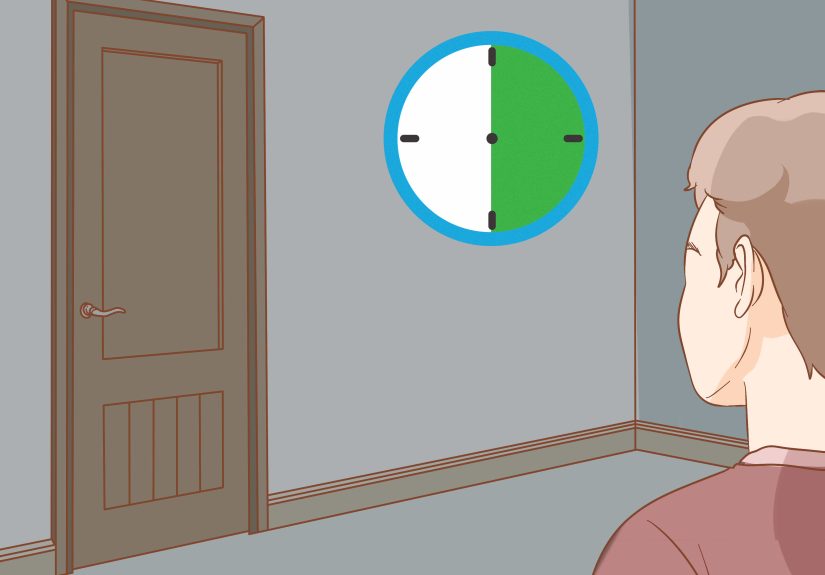
- Follow the 20-20-20 rule during long digital sessions
- Use a humidifier if indoor air is dry
- Avoid direct blasts from fans, heaters, and air conditioning
- Wear wraparound sunglasses outdoors in wind
- Get adequate sleep and general hydration
For evaporative dry eye, lid care matters
Warm compresses and eyelid hygiene can help improve oil flow from the meibomian glands. That may sound glamorous, and by glamorous I mean not at all, but it can make a real difference for people whose tears evaporate too quickly.
Prescription options may help
If over-the-counter drops are not enough, an eye doctor may recommend prescription anti-inflammatory drops or other treatments to increase tear production and calm surface irritation. Some people also benefit from punctal plugs, which help keep tears from draining away too quickly.
Underlying causes should be treated too
If dry eye is linked to autoimmune disease, eyelid inflammation, contact lens issues, or environmental triggers, those factors need attention. Dry eye is often chronic, so management usually works better than a one-time fix. Think “routine maintenance,” not “magic wand.”
When to Call an Eye Doctor
You should schedule an eye exam if:
- Your blurry vision keeps coming back
- Your eyes are red, painful, or sensitive to light
- Artificial tears are not helping
- Your symptoms affect reading, driving, or screen work
- You can no longer tolerate contact lenses
- You suspect an underlying condition such as Sjögren’s syndrome
Seek urgent care right away if you have sudden vision loss, rapidly worsening blur, significant eye injury, severe pain, or new flashes, floaters, or a curtain-like shadow in your vision.
Can Dry Eye Cause Permanent Vision Loss?
Usually, no. Most cases of dry eye do not cause permanent vision loss. The blurry vision tends to be temporary and related to an unstable tear film. Once the surface is lubricated and inflammation is controlled, vision often improves.
But “usually” is not the same as “never.” Severe untreated dry eye can injure the cornea, increase the risk of infection, and lead to ulcers or scarring. Those complications can affect vision more seriously. Permanent loss of vision from dry eye is considered uncommon, but the possibility is real enough that persistent symptoms should not be ignored.
Common Real-World Experiences With Dry Eye and Vision Changes
The experience of dry eye is often more relatable than the textbook definition. Many people do not walk into a clinic saying, “I believe my tear film homeostasis has been disrupted.” They say things like, “My vision gets weird after lunch,” or “My eyes feel tired and angry by 3 p.m.”
One common experience is the screen-heavy workday. A person starts the morning fine, then spends hours on email, spreadsheets, video calls, and messages. By mid-afternoon, the eyes feel hot and gritty. Blinking helps for a second. Artificial tears help for a little longer. By evening, the text on the laptop looks fuzzy, and the person assumes they need new glasses. In reality, they may be blinking less, evaporating tears faster, and letting dry eye build all day.
Another frequent story comes from contact lens wearers. They can wear lenses comfortably for years, and then suddenly the lenses feel unbearable by late afternoon. The eyes sting, the vision goes soft, and removing the lenses becomes the best part of the day. That pattern can point to dry eye or meibomian gland dysfunction rather than a mysterious failure of the universe.
People going through hormonal changes also often describe a slow, frustrating shift. Their eyes feel drier than they used to. Makeup or skincare seems more irritating. Reading becomes tiring. Bright lights bother them more, especially at night. The changes may feel subtle at first, but together they create a real drop in comfort and visual quality.
Then there is the traveler experience. Airplanes, hotel HVAC systems, and dry indoor air can turn mild dry eye into a full-blown annoyance tour. Some people notice that after a flight their eyes burn, water, and blur all at once. It feels ridiculous, but it is also common. Dry environments are not kind to the tear film.
People with autoimmune conditions may have an even more intense version of dry eye. They often describe persistent dryness, light sensitivity, and blurry vision that does not fully settle without ongoing treatment. For them, dry eye is not an occasional nuisance. It is a chronic medical issue that needs real management.
Across all of these experiences, one theme repeats itself: dry eye is easy to dismiss until it starts interfering with daily life. Once reading, working, driving, or simply keeping your eyes open comfortably becomes harder, it stops feeling “minor” very quickly.
Final Takeaway
So, can dry eyes affect your vision? Yes, they absolutely can. Dry eye often causes blurry, fluctuating vision, trouble focusing, irritation, light sensitivity, and visual fatigue. In many cases, the problem is temporary and tied to an unstable tear film. But when symptoms are severe or ignored for too long, dry eye can damage the cornea and threaten eye health more seriously.
The smartest move is not to tough it out. If your eyes often feel dry, gritty, watery, blurry, or just generally offended by modern life, get them checked. Your vision may not need stronger glasses. It may simply need a healthier eye surface.