


Table of Contents >> Show >> Hide
- Why DIY Home Decor Works: The 3 Levers That Change Everything
- Quick Start Checklist: Before You Touch a Paintbrush
- 9 High-Impact DIY Home Decor Projects That Actually Deliver
- 1) Paint a Piece of Furniture (The “Instant Upgrade” MVP)
- 2) Peel-and-Stick Wallpaper: Big Drama, Low Commitment
- 3) DIY Accent Wall That Isn’t Just “One Wall, One Color”
- 4) Gallery Wall: The Most Personal “Statement Piece”
- 5) Floating Shelves or Built-Ins (Function + Style in One Shot)
- 6) Thrift Flip Upcycling: Treasure Hunting With a Paintbrush
- 7) Textiles That Change Everything (Without Sewing Your Feelings)
- 8) Lighting Upgrades: The “Why Does This Room Feel Better?” Secret
- 9) Plants and Planters: Life, Texture, and Instant Styling
- Room-by-Room DIY Home Decor Ideas (So You’re Not Guessing)
- Design Rules That Make DIY Look Expensive
- Budget, Time, and Skill Guide
- Common DIY Home Decor Mistakes (And the Fix)
- Final Thoughts: DIY Is Style You Can Actually Keep
- Real-Life DIY Experiences: What DIYers Learn the Fun (and Slightly Chaotic) Way
If your home is starting to feel a little… “default settings,” you’re not alone. The good news: you don’t need a contractor,
a design degree, or a mysterious trust fund to make your space look intentional. You need a plan, a little patience,
and the courage to accept that paint is basically magic in a can.
This guide is a practical, slightly opinionated, and very doable roadmap to DIY home decorfrom renter-friendly upgrades
to weekend projects that look custom (even if you did them in sweatpants). You’ll get specific project ideas, styling rules
that designers use, and a “please don’t do this” list that can save you money, time, and at least one dramatic sigh.
Why DIY Home Decor Works: The 3 Levers That Change Everything
Most high-end rooms don’t rely on expensive stuffthey rely on decisions. DIY projects work because they let you pull
three powerful levers without remodeling your life:
- Color: Paint, wallpaper, and stain shift the mood instantly.
- Texture: Trim, textiles, greenery, and layered materials make a room feel finished.
- Function: Shelves, hooks, storage, and layout upgrades reduce clutter (aka visual stress).
When you combine even two of thesesay, color + function (painted shelves), or texture + color (board-and-batten in a bold tone)
your home stops looking like “a place where you live” and starts looking like “a place you styled on purpose.”
Quick Start Checklist: Before You Touch a Paintbrush
1) Pick one “hero change” per room
The fastest way to get overwhelmed is to DIY everything at once. Choose one high-impact move (accent wall, thrift flip, gallery wall),
then add small upgrades around it.
2) Measure like it’s your side hustle
Yes, measuring is boring. So is buying wallpaper twice. Keep a note on your phone with wall width/height, window sizes,
and the distance between studs. Future You will be annoying but grateful.
3) Your “basic” toolkit is enough
You don’t need a garage full of tools to start. A few essentials cover most easy DIY decor ideas:
painter’s tape, a level, a stud finder, a utility knife, a sanding block, a screwdriver set, spackle, and a good tape measure.
4) Prep is the difference between “custom” and “crusty”
Cleaning, sanding, priming, and letting things dry fully is not glamorousbut it’s the reason one DIY looks professional
and another looks like it was completed during a power outage.
9 High-Impact DIY Home Decor Projects That Actually Deliver
1) Paint a Piece of Furniture (The “Instant Upgrade” MVP)
Painting furniture is one of the best budget-friendly home decor moves because it gives you a high-end look
without buying high-end furniture. Dressers become credenzas, nightstands become “vintage-inspired storage solutions,” and suddenly
your room has a focal point.
- Best for: Dressers, side tables, bookshelves, chairs (yes, even thrift finds)
- Pro move: Swap the hardware while you’re at it for a double upgrade.
- Don’t skip: Degreasing/cleaning, light sanding, and priming when needed.
Design tip: If you want that “expensive” look, choose one of these approaches:
a deep moody color + matte finish, a warm neutral + satin finish, or a two-tone moment (drawers one color, frame another).
2) Peel-and-Stick Wallpaper: Big Drama, Low Commitment
If you’ve ever wanted pattern without the long-term relationship, peel and stick wallpaper is your answer.
It’s great for accent walls, stair risers, the back of bookshelves, or even inside cabinets for a surprise pop.
- Best for: Bedrooms, powder rooms, entryways, office nooks
- Prep win: Smooth, clean walls make application easier and removal kinder.
- Layout hack: Start from a plumb vertical line (use a level) so patterns don’t slowly drift into chaos.
Reality check: It can be “easy,” but it’s not “rush it during halftime” easy. Give yourself time for alignment and bubble-smoothing.
3) DIY Accent Wall That Isn’t Just “One Wall, One Color”
Painting a single wall can look great, but you’ve got options that feel more custom:
board-and-batten, picture-frame molding, slats, shiplap, or a half-wall treatment that adds architectural interest.
A DIY accent wall is basically the cheat code for making builder-grade feel bespoke.
- Best for: Living rooms, dining rooms, behind beds, entryways
- Beginner-friendly: Simple box trim (symmetrical rectangles) or half-wall paneling
- High style move: Paint the trim and wall the same color for a tonal, elevated look.
4) Gallery Wall: The Most Personal “Statement Piece”
A good gallery wall reads like you have stories, taste, and maybe a friend who knows how to use a drill.
It can be thrifted frames, family photos, prints, textiles, mirrorswhatever fits your vibe.
- Choose a theme: black-and-white, coastal, vintage, abstract, family moments, or “I travel and own shoes.”
- Pick a layout: grid, salon-style (organic), or one anchor piece with smaller friends around it.
- Unify it: match frame color, mat color, or overall tone so it feels intentional.
Shortcut: Trace each frame on paper, tape the templates to the wall, and adjust until it feels right.
It’s like rearranging furniture, but flatter and with fewer toe injuries.
5) Floating Shelves or Built-Ins (Function + Style in One Shot)
If clutter is killing your aesthetic, vertical storage is your best friend. DIY shelves add function and give you
a place to “style” itemsbooks, baskets, plants, candles, artso your room feels curated, not chaotic.
- Best for: Living rooms, kitchens, laundry areas, bathrooms, offices
- Safety note: Find studs or use proper anchors. Gravity is undefeated.
- Style move: Mix horizontal (books) with vertical (vase/plant) and add negative space.
6) Thrift Flip Upcycling: Treasure Hunting With a Paintbrush
Thrifted decor is where you get unique shapes, better materials, and character for less money.
The trick is seeing “potential,” then giving it a makeover: paint, stain, new legs, updated knobs, or a fresh fabric wrap.
This is the heart of upcyclingless waste, more personality.
- Look for: solid wood, interesting silhouettes, sturdy joints, clean lines
- Skip: severe water damage, soft particleboard edges, wobbling that feels structural
- Fast wins: spray paint a lamp base, paint a frame, modernize a tray, refinish a small stool
7) Textiles That Change Everything (Without Sewing Your Feelings)
Textiles are the easiest way to make a room feel warm and “done.” Think: curtains, pillows, throws, rugs, table linens.
One of the most underrated DIY moves is upgrading curtainsespecially making sure they’re long enough.
- Quick upgrade: Use clip rings to make panels hang higher and look more expensive.
- No-sew trick: Hem tape can shorten panels cleanly if you don’t want to sew.
- Hide the chaos: A fabric skirt (sink skirt, console skirt) can conceal storage and soften a space.
8) Lighting Upgrades: The “Why Does This Room Feel Better?” Secret
Lighting is the difference between “cozy” and “mysterious overhead interrogation.” Layer it:
overhead + lamps + task lighting. Even swapping a lampshade or adding a plug-in sconce can change the vibe.
- Beginner-safe: Lamps, smart bulbs, plug-in sconces, shade swaps
- DIY with caution: Hardwired fixtures (turn off power, follow instructions; call a pro if unsure)
- Style tip: Matching metal finishes across a room makes everything feel cohesive.
9) Plants and Planters: Life, Texture, and Instant Styling
Plants add dimension in a way decor objects can’t. If you’re not a “plant person,” start with low-maintenance options
and put them in planters you actually like. A cluster of succulents, one statement floor plant, or even a few cut branches
can make a room feel refreshed.
- Best for: Entryways, living rooms, bathrooms with light, shelves needing softness
- Planter trick: Use baskets as planters for texture and warmth.
- Balance: Pair greenery with wood, ceramic, and woven materials for a layered look.
Room-by-Room DIY Home Decor Ideas (So You’re Not Guessing)
Living Room
- Gallery wall above the sofa
- Painted media console or thrift-flipped side table
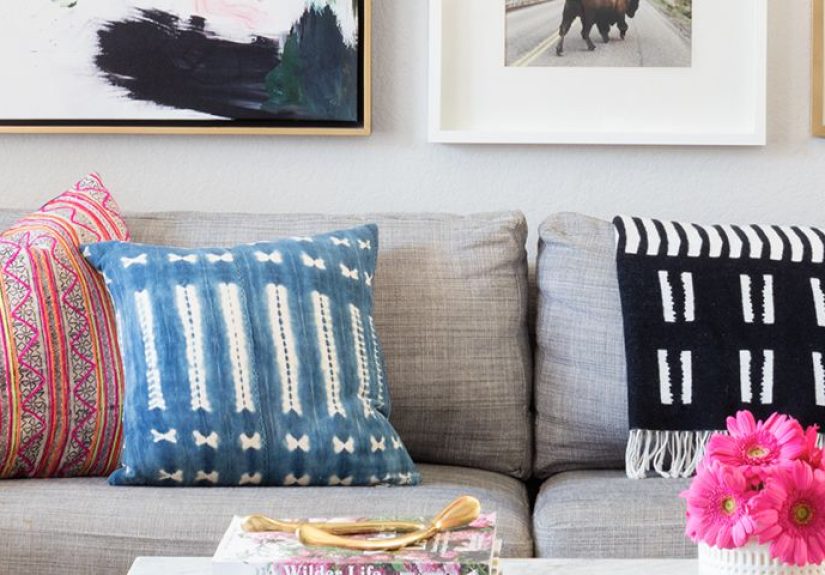
- Swap throw pillows and add one textured throw
- Add shelves for vertical interest and function
Bedroom
- Board-and-batten or wallpaper behind the bed
- Upgrade bedside lampshades and add soft lighting
- DIY headboard (even a padded panel) for instant “hotel energy”
Kitchen
- Hardware swap on cabinets (fast, high impact)
- Peel-and-stick wallpaper or tiles in a small area
- Floating shelves for everyday styling (with real function)
Bathroom
- Paint the vanity or add new knobs/pulls
- Introduce a fabric skirt to hide storage areas
- Frame a mirror or add an open shelf for display
Entryway
- Hooks + a small shelf (function first, then style)
- Runner rug for warmth and durability
- One “drop zone” tray that keeps clutter from spreading like glitter
Design Rules That Make DIY Look Expensive
Use repetition
Repeat a material or finish 2–3 times (brass hardware + brass frame + brass lamp) so the room feels intentional.
Scale matters more than you think
Too-small art, too-small rugs, too-small curtainsthese make spaces feel off. When in doubt, go bigger.
(Your wall can handle it. Your confidence can, too.)
Group decor in odd numbers
Styling in threes tends to look balanced without feeling staged: three vases, three frames, three objects of varied heights.
Leave negative space
Not every shelf needs a full-time resident. A little breathing room makes your favorite pieces stand out.
Budget, Time, and Skill Guide
| Project | Typical Cost | Time | Skill | “Looks Expensive” Factor |
|---|---|---|---|---|
| Paint a furniture piece + new hardware | $30–$120 | 1–2 days (drying time) | Beginner–Intermediate | High |
| Peel-and-stick wallpaper accent | $40–$200 | 2–6 hours | Beginner | High |
| Board-and-batten / wall trim | $80–$250 | 1–2 days | Intermediate | Very High |
| Gallery wall (thrift frames) | $20–$200 | 2–5 hours | Beginner | High |
| Floating shelves | $30–$150 | 2–4 hours | Beginner–Intermediate | Medium–High |
| Thrift flip decor (spray paint, refinishing) | $10–$80 | 1–4 hours | Beginner | Medium–High |
Common DIY Home Decor Mistakes (And the Fix)
Mistake: Skipping surface prep
Fix: Clean first, then lightly sand, then prime when needed. The finish will look smoother and last longer.
Prep is boring, but peeling paint is heartbreak.
Mistake: Crooked lines and drifting patterns
Fix: Use a level and start from a plumb line for wallpaper and trim. If your first line is off,
your last line will be a full-blown argument.
Mistake: “Everything is the same color and texture”
Fix: Add contrastmix woods, metals, woven textures, and soft textiles. Even a neutral room needs variation to feel rich.
Mistake: Styling every surface
Fix: Choose fewer, larger pieces. Leave open space. Let your home look lived-in, not like a store display that charges admission.
Final Thoughts: DIY Is Style You Can Actually Keep
The best part of DIY home decor isn’t just saving moneyit’s creating a space that reflects you.
When you build something, paint something, reframe something, or even just rearrange a wall with intention,
your home stops being generic and starts being yours.
Start small. Finish one project. Then let that momentum carry you. Because the secret to a beautiful home is not perfection.
It’s progressplus a level, and maybe a little painter’s tape.
Real-Life DIY Experiences: What DIYers Learn the Fun (and Slightly Chaotic) Way
Here’s the part nobody tells you: the “experience” of DIY home decor isn’t just the finished reveal. It’s the little storyline
that happens in your house while you’re making it happen. And if you’ve ever started a weekend project with a confident
“How hard could it be?” you already know the plot twist is coming.
Many DIYers start with a burst of inspirationusually after seeing a perfectly styled room onlineand then discover the first
universal truth: lighting and angles lie. That “simple” accent wall tutorial looks effortless until you realize your walls
aren’t perfectly straight, your floors slope a little, and the previous owner apparently believed nails were a form of abstract art.
The fix isn’t panic; it’s patience. People learn quickly that a level is not an optional accessory. It’s the difference between “custom”
and “I swear it looked straight last night.”
Another classic experience is the “paint confidence curve.” At first, painting seems like the easiest upgrade everuntil prep shows up
like an uninvited guest. Cleaning, sanding, filling holes, and taping edges feels slow, so beginners are tempted to skip it.
Then they see brush marks, peeling corners, or random bumps that look like the wall grew acne overnight. The good news is that
this is how DIYers get smarter: they learn that prep is what makes the finish look professional, and drying time is not a suggestion.
It’s a boundary. Respect it.
DIY also teaches you to budget emotionally, not just financially. There’s a momentusually two hours inwhen your house looks worse
than it did before. Tools are everywhere. A chair is in the hallway. You’ve eaten exactly one granola bar and a suspicious amount
of iced coffee. This is the “messy middle,” and it’s completely normal. Experienced DIYers expect it. They plan for it.
They also learn the power of doing one project at a time, so the messy middle doesn’t become a messy month.
Then there’s the experience of styling. DIY beginners often think, “I built shelves, so I’m done.” But the shelves are really a stage.
Styling is what makes the result feel finishedbalancing tall and short objects, mixing textures, leaving negative space,
and repeating finishes so the room feels cohesive. Most people also learn that you don’t need dozens of decor items.
A few intentional pieces (especially meaningful ones) look better than a crowded surface that feels like a yard sale.
Finally, the best DIY experience is confidence. After you complete one projecthang wallpaper, paint a dresser, build a shelf
you start seeing your home differently. You stop thinking of your space as fixed, and start seeing it as flexible.
That mindset is powerful. DIY home decor becomes less about chasing trends and more about building a home you actually enjoy.
Plus, you earn the right to say, casually and with great pride, “Oh, that? I made it.”