Table of Contents >> Show >> Hide
- What Is the Art 50/40 Toggle Switch?
- Why Designers Like Surface-Mounted Switches
- Materials: Why Brass and Ceramic Still Matter
- Art 50/40 Toggle Switch vs. a Standard Wall Switch
- Important Safety and Installation Considerations
- How to Use the Art 50/40 Toggle Switch in Interior Design
- Maintenance Tips for Brass and Ceramic Switches
- Who Should Consider the Art 50/40 Toggle Switch?
- Experience-Based Notes: Living With and Specifying the Art 50/40 Toggle Switch
- Conclusion
The Art 50/40 Toggle Switch is not the kind of wall switch that quietly disappears into the background. It is the kind of detail people notice, point at, and say, “Wait, is that a switch?” In a world full of flat white plastic plates and smart-home rectangles, this brass and ceramic surface-mounted toggle switch brings a little old-world theater back to the wall.
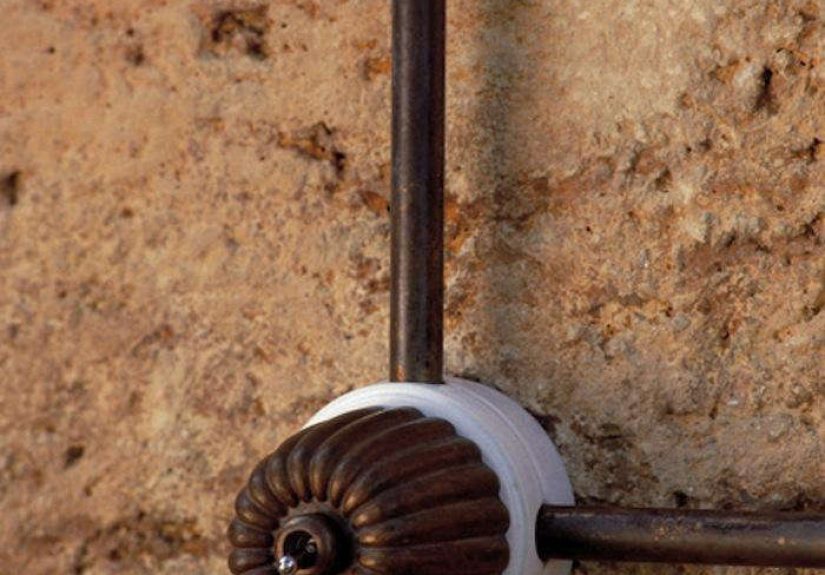
Designed by Italian lighting maker Aldo Bernardi and distributed in North America through Ollier Distributors, the Art 50/40 Toggle Switch blends utility with craftsmanship. It has a white glazed ceramic base, an aged cast-brass top, and four outlets designed for 16 mm raceways or brass conduit. In plain English: it is a beautiful, tactile wall switch made for visible wiring systems, especially where the wiring is meant to be part of the design rather than something hidden behind drywall.
That makes it especially interesting for historic renovations, boutique hotels, restaurants, rustic kitchens, stone-walled interiors, lofts, studios, wine bars, and anyone who believes the humble light switch deserves better than being treated like an afterthought. It is small, yes. But in design, small details often do the loudest whispering.
What Is the Art 50/40 Toggle Switch?
The Art 50/40 Toggle Switch is a surface-mounted wall switch from Aldo Bernardi’s lighting system collection. It is built with a white enamel ceramic base and an aged brass upper section. The switch is designed for exposed electrical systems, meaning it can be used with visible raceways or conduit rather than being recessed into a standard wall box.
Its four through-hole outlets allow conduit to enter or leave the switch body from multiple directions. This makes it flexible for design layouts where the electrical path is visible across a wall, ceiling beam, masonry surface, or architectural feature. Instead of hiding the electrical route, the Art 50/40 Toggle Switch turns it into a visual line, almost like piping in an industrial café or brass trim in an old European workshop.
Key Product Details
- Product name: Art 50/40 Toggle Switch
- Designer/manufacturer: Aldo Bernardi
- North American distributor: Ollier Distributors
- Type: Surface-mounted wall toggle switch
- Materials: Cast brass and ceramic
- Finish: Aged brass with white ceramic
- Conduit compatibility: Four outlets for 16 mm raceways
- Electrical rating: 250V, 10A
- Approximate dimensions: 87 mm diameter, 105 mm height
- Gross weight: Approximately 0.919 kg
These specifications make the Art 50/40 more than a decorative accessory. It is a functional electrical component, but one with a strong architectural personality. Think of it as the difference between a basic door handle and a hand-forged latch. Both open the door, but only one makes the door feel like it has a story.
Why Designers Like Surface-Mounted Switches
Surface-mounted electrical systems have a practical origin. In buildings with brick, stone, concrete, timber, or historic plaster, cutting into walls can be expensive, messy, or simply not allowed. Surface wiring offers another option: run the electrical path along the wall in a protective raceway or conduit, then connect it to switches, sockets, junction boxes, and lighting fixtures.
For years, visible wiring was treated as a compromise. Today, when done thoughtfully, it can be a design feature. Brass conduit can create warm lines across a wall. Ceramic switch bases add texture. A toggle lever gives users a satisfying physical action that modern touch panels often lack. There is a tiny bit of ceremony in flipping a real toggle switch. It says, “Yes, I am turning on the light,” not “I am tapping a mysterious rectangle and hoping it understood me.”
Best Design Settings for the Art 50/40 Toggle Switch
The Art 50/40 Toggle Switch works best in interiors that appreciate visible material honesty. It can look especially natural in:
- Rustic kitchens with stone, brick, or plaster walls
- Industrial lofts with exposed beams and ductwork
- Boutique hotels and guest houses
- Restaurants, cafés, bakeries, and wine bars
- Historic homes where cutting walls is undesirable
- Farmhouse interiors with brass, copper, wood, and ceramic details
- Creative studios and workshops
It is not the right choice for every room. In an ultra-minimal white apartment with hidden doors and invisible air vents, the Art 50/40 may feel like it wandered in from a Tuscan villa carrying an espresso. But in spaces with warmth, texture, and a little character, it can feel perfectly at home.
Materials: Why Brass and Ceramic Still Matter
Part of the appeal of the Art 50/40 Toggle Switch is its material honesty. Ceramic and brass are old materials, but that is exactly why they feel refreshing. They are solid, tactile, and visually rich. They age better than many synthetic finishes and bring depth to surfaces that might otherwise feel flat.
Ceramic Base
The white enamel ceramic base gives the switch a clean, traditional look. Ceramic has long been associated with electrical components because it offers heat resistance, durability, and a refined appearance. In the Art 50/40, the ceramic base also provides contrast. The smooth white surface makes the aged brass look warmer and more sculptural.
Aged Cast Brass Cover
The aged brass top is where the switch gets much of its personality. Brass has a natural warmth that works beautifully with wood, stone, plaster, and warm-toned lighting. Unlike shiny chrome, aged brass does not scream for attention. It glows quietly. It also plays well with vintage, traditional, industrial, and Mediterranean-inspired interiors.
Because the brass is cast and finished with an aged look, the switch feels less like a mass-produced gadget and more like a piece of architectural hardware. It has weight. It has presence. It has the confidence of a product that does not need a touchscreen to prove it belongs in the room.
Art 50/40 Toggle Switch vs. a Standard Wall Switch
A standard wall switch is usually recessed into the wall and covered with a flat plate. It is affordable, familiar, and perfectly fine for most residential projects. The Art 50/40 Toggle Switch, however, serves a different purpose. It is meant for visible installations where the switch contributes to the design language of the space.
| Feature | Art 50/40 Toggle Switch | Standard Wall Switch |
|---|---|---|
| Installation style | Surface mounted | Usually recessed |
| Visual impact | Decorative and architectural | Low-profile and functional |
| Materials | Ceramic and aged brass | Plastic, metal, or composite |
| Best use | Visible conduit and design-forward spaces | General residential and commercial rooms |
| Design personality | Vintage, artisan, tactile | Simple, neutral, modern |
The choice is not really about which switch is “better.” It is about the project. If the goal is budget efficiency and invisibility, a standard switch wins. If the goal is atmosphere, visible craftsmanship, and a strong finishing detail, the Art 50/40 Toggle Switch earns its place.
Important Safety and Installation Considerations
Because this is an electrical device, the Art 50/40 Toggle Switch should not be treated like a decorative hook or cabinet knob. It must be specified and installed correctly. In the United States, electrical installations are generally governed by local code requirements based on the National Electrical Code, also known as NFPA 70. Local authorities and inspectors may have additional requirements, especially for commercial spaces, restaurants, hospitality projects, and historic properties.
Homeowners should not guess their way through installation. A qualified electrician should confirm compatibility with the circuit, load, wiring method, grounding requirements, conduit system, enclosure needs, and applicable local code. This is especially important because the Art 50/40 is a European-designed product, and imported electrical components may require careful review for U.S. and Canadian compliance.
Questions to Ask Before Buying
- Is this switch approved or listed for the intended market and project?
- Will it be installed indoors or in a location exposed to moisture?
- Is the connected lighting load within the switch rating?
- Does the conduit system match the 16 mm outlet design?
- Does the project require UL-listed or locally approved components?
- Will a building inspector need documentation before approval?
Good design should never require gambling with safety. The most beautiful switch in the world becomes much less charming if it buzzes, overheats, or makes the breaker panel behave like it has stage fright.
How to Use the Art 50/40 Toggle Switch in Interior Design
The best way to use the Art 50/40 Toggle Switch is to design around it intentionally. Do not treat it as a last-minute replacement for a basic switch. Its strength is visual rhythm. When paired with matching brass conduit, junction boxes, sockets, and lighting fixtures, it can create a complete system that feels deliberate rather than improvised.
1. Pair It With Warm Materials
Aged brass looks excellent beside natural stone, limewash walls, reclaimed wood, terracotta tile, leather, linen, and warm white paint. The ceramic base keeps the look crisp, while the brass adds age and depth.
2. Use It Where Guests Will See It
This switch deserves a visible location. Entryways, powder rooms, kitchen walls, dining spaces, bar counters, and boutique guest rooms are all good candidates. Installing it in a forgotten storage closet would be like wearing a tailored linen suit to take out the trash.
3. Keep the Surrounding Wall Simple
Because the switch already has texture and dimension, let the wall breathe. Smooth plaster, masonry, painted brick, or simple tile can give the switch enough contrast to stand out without competing with busy patterns.
4. Match the Lighting Style
The Art 50/40 Toggle Switch works especially well with wall sconces, pendant lights, and fixtures that share a brass, ceramic, industrial, or vintage-inspired language. A mismatch is possible, of course, but it should be intentional. Pairing this switch with a futuristic color-changing LED panel might feel like inviting a violinist to a robot dance party.
Maintenance Tips for Brass and Ceramic Switches
Maintenance should be gentle. Ceramic can usually be wiped with a soft, slightly damp cloth. Brass finishes should be cleaned according to the manufacturer’s recommendations, especially if the aged patina is part of the desired look. Harsh abrasives, acidic cleaners, and aggressive polishing can damage the finish or change its appearance.
From a safety perspective, users should pay attention to warning signs. If the switch plate becomes hot, the switch feels loose, lights flicker unexpectedly, a buzzing or crackling sound appears, or there is any burning smell, the circuit should be inspected by a qualified electrician. Electrical problems rarely improve because everyone politely ignores them.
Who Should Consider the Art 50/40 Toggle Switch?
The Art 50/40 Toggle Switch is best for people who care about architectural detail. It is for homeowners, designers, architects, restaurant owners, hotel developers, and renovation teams who want a visible electrical system to feel intentional, elegant, and tactile.
It may not be ideal for quick budget renovations, rental flips, or projects where code approval requires only easily sourced domestic components. But for the right space, this switch can become one of those details that quietly elevates everything around it.
Experience-Based Notes: Living With and Specifying the Art 50/40 Toggle Switch
When discussing a product like the Art 50/40 Toggle Switch, the real experience is less about flipping the lever once and more about how it changes the feeling of a room over time. A standard switch performs its duty and disappears. The Art 50/40 performs its duty and leaves a calling card.
In design planning, the first experience is usually visual. You hold up a sample image or specification sheet and suddenly the wall stops being just a wall. The conduit route becomes part of the composition. Should the line run horizontally from a sconce? Should it drop vertically from a beam? Should the switch sit beside a doorway like a piece of jewelry, or should it align with a row of brass fittings? These questions are surprisingly fun, which is not something people often say about electrical planning.
The second experience is tactile. Toggle switches have a different relationship with the user than flat switches. They invite touch. The motion is clear: up, down, on, off. There is no mystery and no app update. In a restaurant or guest room, that physical clarity can be a small luxury. Guests do not need to decode a smart panel with twelve invisible modes. They flip the switch and the light obeys. Civilization survives another evening.
The third experience is atmospheric. In a kitchen with plaster walls and open shelving, the Art 50/40 can make the lighting system feel handmade. In a wine bar, it can support the mood before a single glass is poured. In a historic renovation, it can avoid the awkwardness of forcing modern plastic plates onto old materials. The switch does not pretend to be antique, but it respects older architecture by using materials that feel appropriate.
There are practical lessons, too. Plan early. Surface-mounted systems look effortless only when the layout is carefully considered. The switch position, conduit direction, fixture height, wall texture, and furniture placement all matter. If the conduit runs behind a cabinet door or the switch lands too close to a trim line, the final result can look accidental. Good exposed wiring is like good tailoring: the seams are visible, so they had better be clean.
Another lesson is to involve the electrician before falling in love with the look. Designers may see brass and ceramic; electricians see load ratings, box fill, grounding, approvals, and inspection requirements. Both perspectives matter. The best projects happen when the aesthetic goal and technical reality shake hands early instead of arguing on installation day.
Finally, the Art 50/40 Toggle Switch reminds us that everyday objects can still carry delight. A light switch is used constantly, often without thought. When that object is beautiful, solid, and satisfying, it adds a tiny moment of pleasure to daily life. No, it will not make coffee, fold laundry, or explain why one sock always disappears. But it can make turning on a light feel just a little more human.
Conclusion
The Art 50/40 Toggle Switch is a small architectural detail with a big design voice. With its white ceramic base, aged cast-brass cover, surface-mounted format, and compatibility with 16 mm raceways, it offers a handsome alternative to ordinary wall switches. It is especially well suited for exposed wiring systems, historic renovations, rustic interiors, industrial spaces, and boutique commercial projects where every visible detail matters.
Its beauty, however, should be matched with proper planning. Because it is an electrical component, buyers should confirm ratings, code requirements, approvals, installation conditions, and compatibility with a qualified professional. When specified correctly, the Art 50/40 Toggle Switch can turn a basic function into a memorable design feature. That is a pretty impressive career move for a switch.