Table of Contents >> Show >> Hide
- The Quick Answer: How Often to Water Roses
- Why Deep Watering Matters for Roses
- The Best Way to Water Roses
- How Much Water Do Roses Need?
- Watering Roses by Soil Type
- How Often to Water Newly Planted Roses
- How Often to Water Potted Roses
- Signs Your Roses Need More Water
- Signs You Are Overwatering Roses
- Seasonal Rose Watering Schedule
- Mulch: The Watering Helper Roses Secretly Love
- Common Rose Watering Mistakes
- Best Practical Watering Routine for Healthy Roses
- Experience-Based Tips: What Gardeners Learn After Watering Roses for Years
- Conclusion
- SEO Tags
Roses have a reputation for being dramatic, but when it comes to watering, they are not trying to be divas. They simply want what most hard-working garden plants want: steady moisture, good drainage, and a gardener who does not blast their leaves with a sprinkler at 8 p.m. like a tiny thunderstorm with poor timing.
The big question is simple: how often should you water roses? For most established garden roses, the general target is about 1 inch of water per week during the growing season, including rainfall. In hot, dry, windy weather, sandy soil, raised beds, or containers, roses may need water more often. In cool weather or heavy clay soil, they may need less. The best rose-watering schedule is not a rigid calendar; it is a conversation with the soil.
The Quick Answer: How Often to Water Roses
Most established roses growing in the ground need a deep watering about once a week. During heat waves or long dry spells, they may need water two or three times per week. Newly planted roses usually need more frequent watering while their roots settle in, often every two to three days at first, depending on the weather and soil.
Basic Rose Watering Guidelines
- Established roses in garden beds: About once weekly, deeply, if rainfall is low.
- Newly planted roses: Every 2–3 days for the first couple of weeks, then gradually reduce frequency as roots establish.
- Container roses: Check daily in warm weather; pots dry out much faster than garden soil.
- Roses in sandy soil: Water more often because water drains quickly.
- Roses in clay soil: Water more slowly and less frequently to avoid soggy roots.
- Roses during extreme heat: Increase frequency, but still water deeply rather than giving little sips.
Think of deep watering as a full meal and light sprinkling as a handful of chips. Roses can survive on occasional snacks for a while, but they will not build strong roots, lush leaves, and bloom-heavy stems on crumbs.
Why Deep Watering Matters for Roses
Roses perform best when water reaches the root zone, not just the top dusting of soil. A shallow daily sprinkle encourages roots to stay near the surface, where soil heats up quickly and dries out fast. That makes the plant more vulnerable to summer stress. Deep watering encourages roots to grow downward, where moisture lasts longer and temperatures are more stable.
For many rose beds, the goal is to moisten the soil at least 6 to 8 inches deep. In very hot, dry climates, deeper watering may be needed because evaporation is intense and roots may need to chase moisture farther down. You do not need to excavate the rose bed like an amateur archaeologist every time you water, but checking occasionally with a trowel, soil probe, or your finger will tell you whether the water is actually getting where it needs to go.
The Finger Test
Push your finger about 2 inches into the soil near the rose’s root zone. If it feels dry at that depth, it is probably time to water. If it feels cool and lightly moist, wait. If it feels soggy, heavy, and smells unpleasant, the rose is not thirsty; it is sitting in a swampy spa it never booked.
The Best Way to Water Roses
The best way to water roses is slowly, deeply, and directly at the base of the plant. The goal is to soak the root zone while keeping foliage as dry as possible. Wet leaves, especially late in the day, can encourage fungal problems such as black spot and powdery mildew. Roses enjoy romance, but not damp pajamas overnight.
Use a Soaker Hose or Drip Irrigation
A soaker hose or drip irrigation line is ideal for rose care because it delivers water directly to the soil. This reduces evaporation, limits runoff, and keeps leaves dry. Place the hose in a wide circle or gentle loop around the base of the plant, not pressed tightly against the main canes. Roots spread outward, so water the area around the plant rather than only the stem.
Water Early in the Morning
Morning is the best time to water roses. Temperatures are cooler, wind is often calmer, and water has time to soak into the soil before the heat of the day. If some leaves do get wet, they can dry quickly. Evening watering is less ideal because wet foliage may stay damp overnight, creating a welcome mat for disease.
Water Slowly
Fast watering often runs away from the plant instead of soaking in. This is especially true in compacted soil, sloped beds, or heavy clay. Use a gentle flow and let the water soak gradually. If water starts puddling or running off, pause for a few minutes, then continue. Roses appreciate patience. They are not impressed by garden hose aggression.
How Much Water Do Roses Need?
For many home gardens, 1 inch of water per week is a useful starting point for established roses. That does not mean one inch in a drinking glass beside the plant; it means enough water to moisten the root zone across the planting area. If you use a rain gauge, you can track rainfall and irrigation more accurately.
Another practical method is the container test. Place a shallow can, such as a tuna can, near the rose bed while your sprinkler or irrigation system runs. When the can collects about an inch of water, you have a rough idea of how long your system takes to deliver that amount. For drip or soaker hoses, check soil depth after watering instead, because the water pattern is different.
A Simple Weekly Example
If your area receives half an inch of rain this week, your established roses may need about another half inch from irrigation. If there is no rain and the weather is hot, your roses may need a full deep watering. If temperatures climb into the 90s, winds are strong, and the soil is sandy, increase frequency while still watering deeply.
Watering Roses by Soil Type
Soil changes everything. Two gardeners can water roses on the same schedule and get completely different results because one has fast-draining sandy soil and the other has sticky clay. The rose does not care about your calendar. It cares about what is happening around its roots.
Sandy Soil
Sandy soil drains quickly and does not hold moisture well. Roses planted in sandy soil usually need watering more often, especially during summer. Adding compost can help improve moisture retention, but do not turn the bed into a soggy cake batter. The goal is soil that drains well while holding enough moisture for roots to use.
Clay Soil
Clay soil holds water longer, which can be helpful during dry weather but risky if drainage is poor. Water clay soil slowly so moisture can soak in rather than run across the surface. Avoid watering again until the top few inches begin to dry. Overwatering in clay soil can lead to yellow leaves, weak growth, and root problems.
Loamy Soil
Loam is the dream: a balanced mix that holds moisture but drains reasonably well. Roses in loamy soil often do well with weekly deep watering, adjusted for rainfall and temperature. If your roses are living in loam, congratulate them. They have better real estate than many humans.
How Often to Water Newly Planted Roses
New roses need extra attention because their root systems are still limited. During the first couple of weeks after planting, keep the soil evenly moist but not waterlogged. In warm weather, that may mean watering every two or three days. In cool, cloudy weather, you may water less often.
After the first few weeks, gradually shift from frequent watering to deeper, less frequent watering. This encourages roots to expand into the surrounding soil. Do not let a newly planted rose dry out completely, especially during its first growing season. A young rose without enough water is like a new employee on the first day with no coffee, no map, and a printer jam.
Watering Bare-Root Roses
Bare-root roses need careful watering after planting. Soak the roots before planting if recommended by the grower, then water deeply after the rose is in the ground. Keep the planting area consistently moist while new growth appears. Once the plant is actively growing, begin transitioning to a normal deep-watering routine.
How Often to Water Potted Roses
Container roses dry out faster than roses in the ground. Pots are exposed to sun and wind from all sides, and the limited soil volume cannot store much moisture. In summer, a potted rose may need water daily, especially if the container is small, dark-colored, or sitting on a hot patio.
Always use a pot with drainage holes. Water until moisture runs from the bottom, then let the top inch or two of potting mix dry slightly before watering again. Never let the pot sit in a saucer of water for long periods. Roses like moisture, not bathtub living.
Best Container Watering Tip
Check potted roses with your finger every morning during hot weather. If the soil is dry below the surface, water thoroughly. If it is still moist, wait. Container roses are where the “once a week” rule usually falls apart, so treat them as individuals rather than garden-bed roses in tiny apartments.
Signs Your Roses Need More Water
Roses usually communicate water stress before they completely collapse. The trick is to listen early. Underwatered roses may show:
- Wilting leaves during the cooler part of the day
- Dry, crispy leaf edges
- Drooping buds or flowers
- Slower growth
- Smaller blooms
- Dry soil several inches below the surface
A rose that wilts in the late afternoon heat but perks up by morning may simply be reacting to temporary heat stress. A rose that stays wilted in the morning likely needs water. Morning tells the truth; afternoon can be dramatic.
Signs You Are Overwatering Roses
Too much water can be just as harmful as too little. Rose roots need oxygen as well as moisture. When soil stays saturated, roots can suffocate and become vulnerable to rot. Overwatered roses may show:
- Yellowing leaves, especially lower leaves
- Soft, weak stems
- Mushy or sour-smelling soil
- Leaf drop despite wet soil
- Poor flowering
- Fungal growth on the soil surface
If the soil is wet and the rose looks miserable, do not solve the problem with more water. Check drainage, reduce irrigation, pull mulch back temporarily if the soil is too wet, and make sure the rose is not planted too deeply or in a low spot where water collects.
Seasonal Rose Watering Schedule
Spring
As roses wake up and begin producing new leaves, they need consistent moisture. Spring rain may be enough in some regions, but do not assume. Check the soil. Water deeply when the top few inches dry out, especially for newly planted roses.
Summer
Summer is when roses are thirstiest. Heat, wind, intense sun, and blooming all increase water demand. Established roses may need deep watering once or twice weekly, while container roses may need daily checks. Mulch becomes especially valuable in summer because it helps cool the soil and reduce evaporation.
Fall
As temperatures cool, roses usually need less frequent watering. However, do not let them go into winter bone-dry. Water during dry fall periods so plants enter dormancy in good condition. Avoid pushing tender new growth late in the season with excessive water and fertilizer.
Winter
Dormant roses need far less water, but they may still need occasional moisture during long dry spells, especially in mild winter climates or windy regions. Water only when the ground is not frozen and the soil is dry. In cold climates, winter protection and mulch may matter more than frequent irrigation.
Mulch: The Watering Helper Roses Secretly Love
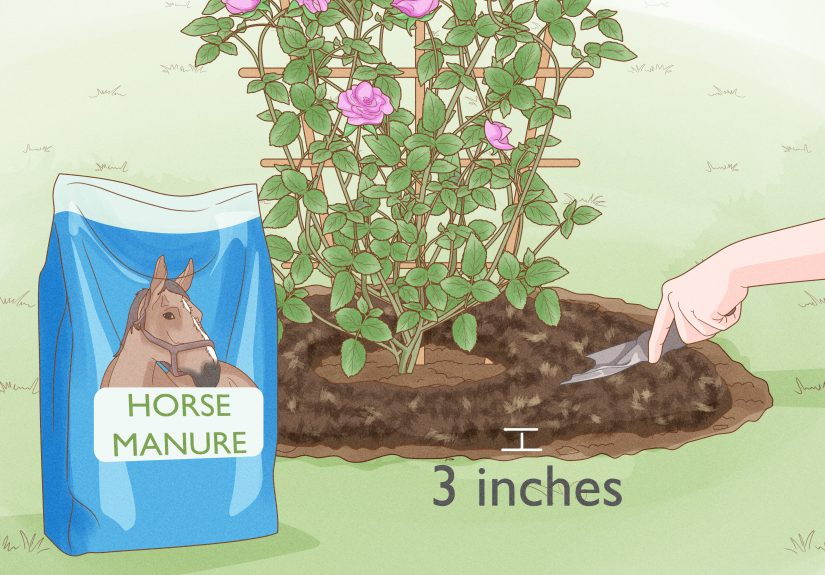
A 2- to 3-inch layer of organic mulch can make rose watering easier and more effective. Mulch helps conserve soil moisture, reduce weeds, moderate soil temperature, and prevent soil from splashing onto leaves during rain or irrigation. Good options include shredded bark, pine straw, composted leaves, or wood chips.
Keep mulch a few inches away from the base of the rose canes. Piling mulch against stems can trap moisture and invite disease or pests. Think donut, not volcano. A mulch volcano around a rose is not a gardening technique; it is a tiny landscaping crime scene.
Common Rose Watering Mistakes
Mistake 1: Watering Too Often but Too Lightly
A little splash every day may make you feel productive, but it often does not help the rose. Shallow watering keeps roots near the surface and makes the plant less resilient. Water less often but more deeply.
Mistake 2: Watering the Leaves at Night
Wet rose leaves that stay damp overnight are more likely to develop disease problems. If overhead watering is unavoidable, do it early in the morning so foliage dries quickly.
Mistake 3: Ignoring Rainfall
A watering schedule should change after rain. Use a rain gauge or check the soil before watering. Roses do not need extra irrigation just because Tuesday is your “watering day.” Tuesday has no authority here.
Mistake 4: Forgetting About Wind
Wind dries plants quickly. Roses in exposed locations, along fences, near driveways, or beside reflective walls may need more frequent watering than roses in protected beds.
Mistake 5: Treating All Roses the Same
A newly planted shrub rose, a mature climbing rose, and a miniature rose in a pot have different water needs. Observe each plant and adjust accordingly.
Best Practical Watering Routine for Healthy Roses
Here is a simple routine that works well for many home gardeners:
- Check the soil twice a week during the growing season.
- Water when the top 2 inches are dry, or when the plant shows morning wilt.
- Use a soaker hose, drip line, or gentle hose flow at the base.
- Soak deeply so water reaches the root zone.
- Water early in the morning whenever possible.
- Mulch the bed to reduce evaporation and keep roots cooler.
- Adjust for weather, including rain, heat, wind, and humidity.
This routine gives roses what they need without turning watering into a full-time job. The goal is not perfection. The goal is consistent, thoughtful care that helps roses grow strong roots and produce better blooms.
Experience-Based Tips: What Gardeners Learn After Watering Roses for Years
After a few seasons of growing roses, you begin to realize that watering advice is both simple and sneaky. “Give roses about an inch of water per week” sounds clear until the weather turns weird, the clay bed stays wet for five days, the potted rose faints by lunch, and the climbing rose near the brick wall acts like it lives in the desert. That is when experience steps in and politely takes the watering chart out of your hand.
One of the most useful lessons is to stop watering by habit and start watering by observation. A gardener may water every Saturday because that is when the hose is free and the coffee is strong. But roses do not operate on weekend energy. If it rained heavily on Thursday, Saturday watering may be unnecessary. If hot wind blew for three days straight, waiting until Saturday may be too late. The soil is the real schedule.
Another experience many rose growers share is that mulch can make the difference between relaxed watering and constant panic. A rose bed with bare soil can dry out quickly, especially in July and August. Add a modest layer of organic mulch, and suddenly the soil stays cooler and more evenly moist. The plants look less stressed, the weeds calm down, and the gardener gets to spend less time dragging a hose around like a tired parade float.
Hand watering also teaches patience. A hard spray from the hose may look efficient, but much of that water can run off, especially if the soil is dry and crusted. A slower stream gives water time to soak in. Some experienced gardeners water in two rounds: first a light pass to moisten the surface, then a deeper soak after the soil has opened up. It feels slower, but it often works better.
Container roses teach the fastest lessons because they are less forgiving. A rose in the ground may tolerate a missed watering. A rose in a black pot on a sunny patio may file a complaint by 2 p.m. In hot weather, check containers daily. Lift the pot if it is small enough; a dry pot feels surprisingly light. Water thoroughly until water drains out, then let the mix breathe before watering again.
Experience also shows that yellow leaves are not always a cry for more water. Many gardeners see yellowing and immediately reach for the hose, but soggy soil can cause the same symptom. Before reacting, check the soil. If it is wet, wait. If it is dry several inches down, water. That one small habit prevents a lot of rose drama.
Finally, the best rose growers learn to water with the season, not against it. Spring watering supports new growth. Summer watering protects blooms and roots from stress. Fall watering helps roses prepare for dormancy. Winter watering is occasional and careful. Once you understand that rhythm, rose care becomes less mysterious. You are not spoiling the plant; you are supporting it. And when the blooms arrive, looking impossibly fancy for something rooted in dirt, the effort feels absolutely worth it.
Conclusion
So, how often should you water roses? For most established roses, start with about one deep watering per week, then adjust based on rainfall, soil type, temperature, wind, mulch, and whether the rose is newly planted or growing in a container. The best way to water roses is at the base, early in the morning, using drip irrigation, a soaker hose, or a gentle slow-flow hose. Keep the leaves dry when possible, water deeply rather than lightly, and let the soil guide your timing.
Healthy rose watering is not about drowning the plant with affection. It is about giving roots steady moisture, enough oxygen, and a reason to grow deep and strong. Do that, and your roses will reward you with better growth, stronger stems, and blooms that look like they have been practicing for a garden magazine cover.
SEO Tags
Note: This article is written for general home-garden guidance. Adjust watering based on your local climate, soil drainage, rainfall, rose variety, and container size.