Table of Contents >> Show >> Hide
- Why Pepper Jelly and Pork Work So Well
- The Best Cut for This Recipe
- Ingredients
- How to Make Pepper Jelly Pork Roast
- Estimated Time and Servings
- What This Pepper Jelly Pork Roast Tastes Like
- Best Side Dishes to Serve With It
- Common Mistakes to Avoid
- Easy Variations
- Storage and Reheating Tips
- Why This Recipe Is Great for Entertaining
- Experience and Practical Lessons From Making Pepper Jelly Pork Roast
- Final Thoughts
If dinner has been feeling a little too polite lately, this pepper jelly pork roast is here to fix that. It is sweet, spicy, glossy, juicy, and just dramatic enough to make people think you worked a lot harder than you actually did. That is the kind of kitchen magic we respect. The beauty of this recipe is the contrast: savory roasted pork meets sticky pepper jelly glaze, and suddenly your roast goes from “nice” to “who invited this show-off?”
This version is built for real-life home cooks. It uses a pork loin roast, a simple spice rub, and a pepper jelly glaze that hits all the right notes without tasting like dessert in a meat costume. It is ideal for Sunday dinner, holiday meals, or any evening when you want something cozy with a little swagger. Best of all, it is easy to scale, easy to pair with sides, and easy to remember once you make it once.
Why Pepper Jelly and Pork Work So Well
Pork loves sweet heat. It has a mild, savory flavor that plays especially well with fruit preserves, honey glazes, mustard sauces, and pepper-forward finishes. Pepper jelly brings several good things to the party at once: sweetness, chile warmth, glossy texture, and enough personality to keep the roast from tasting flat.
But the trick is balance. A good pepper jelly pork roast should not taste like pork covered in melted candy. That is why this recipe uses apple cider vinegar, Dijon mustard, garlic, and black pepper in the glaze. The vinegar wakes everything up, the mustard adds depth, and the garlic gives the sauce a savory backbone. In other words, it keeps the glaze from acting like the loudest guy at the barbecue.
The Best Cut for This Recipe
Use a boneless pork loin roast, about 2 1/2 to 3 1/2 pounds. Pork loin is lean but still substantial, slices beautifully, and feels like a true roast. Pork tenderloin also works with pepper jelly, but it is smaller, cooks much faster, and lands more in quick weeknight territory than classic roast territory.
When shopping, look for a roast with an even shape so it cooks more consistently. If one end is much thinner than the other, the roast may dry out before the center is done. A little fat on top is helpful because it adds flavor and protects the meat during roasting. That thin fat cap is not the villain. It is the unpaid intern doing all the work.
Ingredients
For the pork roast
- 1 boneless pork loin roast, 2 1/2 to 3 1/2 pounds
- 1 tablespoon olive oil
- 1 1/2 teaspoons kosher salt
- 1 teaspoon black pepper
- 1 teaspoon smoked paprika
- 1 teaspoon garlic powder
- 1 teaspoon onion powder
- 1/2 teaspoon ground cumin
- 1 teaspoon dried thyme
- 1 tablespoon light brown sugar
For the pepper jelly glaze
- 3/4 cup red pepper jelly
- 2 tablespoons apple cider vinegar
- 1 tablespoon Dijon mustard
- 2 cloves garlic, finely minced
- 1 tablespoon butter
- 1/4 teaspoon crushed red pepper flakes, optional
How to Make Pepper Jelly Pork Roast
1) Prep the roast
Take the pork out of the refrigerator about 20 to 30 minutes before cooking. Pat it dry thoroughly with paper towels. Dry meat roasts better, browns better, and looks like it has its life together. Preheat your oven to 375°F.
2) Season like you mean it
In a small bowl, mix the salt, black pepper, smoked paprika, garlic powder, onion powder, cumin, thyme, and brown sugar. Rub the pork all over with olive oil, then coat it evenly with the seasoning mixture. Press gently so the spices stick.
3) Sear for flavor
Heat a large oven-safe skillet over medium-high heat. Sear the roast for 2 to 3 minutes per side until browned. No need to chase perfection here. You are not entering the roast in a beauty pageant. You just want color, flavor, and a head start on dinner bragging rights.
4) Start roasting
Transfer the skillet to the oven, or move the roast to a roasting pan if needed. Roast for about 30 minutes.
5) Make the glaze
While the pork roasts, combine the pepper jelly, apple cider vinegar, Dijon mustard, garlic, butter, and crushed red pepper flakes in a small saucepan. Warm over low heat, stirring until smooth and glossy. It should be pourable but not watery. If it seems too thick, add a teaspoon of water. If it seems too thin, let it bubble gently for a minute or two.
6) Glaze and finish roasting
After the first 30 minutes, brush the roast generously with the glaze. Return it to the oven and continue roasting for 15 to 25 minutes more, brushing with additional glaze once or twice, until the thickest part reaches 145°F on an instant-read thermometer.
7) Rest before slicing
Transfer the roast to a cutting board and tent loosely with foil. Let it rest for 10 to 15 minutes. This part matters. If you slice too soon, the juices run out like they just remembered they left the stove on. Resting helps keep the pork moist and sliceable.
8) Slice and serve
Slice the pork against the grain and spoon over any remaining warm glaze. Serve immediately.
Estimated Time and Servings
- Prep time: 20 minutes
- Cook time: 45 to 60 minutes
- Rest time: 10 to 15 minutes
- Servings: 6 to 8
What This Pepper Jelly Pork Roast Tastes Like
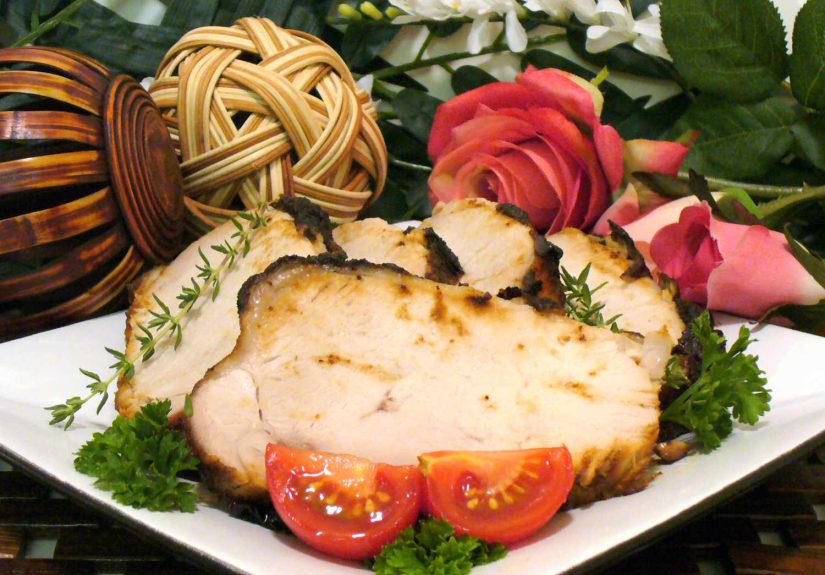
The first bite gives you savory roast pork, then the sweetness rolls in, followed by a peppery glow that lingers without becoming a five-alarm emergency. The glaze caramelizes lightly around the edges, which gives the slices a sticky finish that makes them especially good with creamy or starchy sides.
The flavor is bold enough for company but familiar enough for picky eaters who hear the word “spicy” and immediately start negotiating. Using red pepper jelly creates gentle heat rather than punishing heat. You can always increase the crushed red pepper if your household likes drama.
Best Side Dishes to Serve With It
A sweet and spicy pork roast needs sides that either cool it down, soak up the glaze, or add a fresh contrast. A few excellent choices include:
- Garlic mashed potatoes
- Buttered grits
- Roasted sweet potatoes
- Green beans with toasted almonds
- Skillet cornbread
- Apple slaw or cabbage slaw
- Rice pilaf
- Roasted Brussels sprouts
One especially good plate is sliced pepper jelly pork roast with mashed potatoes and green beans. The creamy potatoes tame the heat, and the beans keep the meal from feeling too heavy. Another winner is serving it with cheddar grits for a Southern-style dinner that feels like a very smart life decision.
Common Mistakes to Avoid
Overcooking the pork
This is the big one. Pork loin is lean, so once it goes too far, there is no magical speech that brings it back. Use a meat thermometer and pull the roast at 145°F.
Using the glaze too early
Pepper jelly contains sugar, and sugar likes to burn if you leave it in a hot oven too long. Add the glaze during the second half of roasting so it becomes shiny and flavorful instead of dark and bitter.
Skipping acid in the glaze
Pepper jelly alone can be too sweet. A splash of vinegar or citrus juice keeps the glaze lively and helps the roast taste balanced.
Forgetting the rest time
This roast needs a few quiet minutes after cooking. Think of it as a cool-down lap for dinner.
Easy Variations
Use jalapeño jelly
If you want a greener, brighter chile flavor, swap in jalapeño jelly. It is a little fresher tasting and pairs especially well with limey sides or corn dishes.
Add fruit
Stir in a spoonful of apricot preserves or orange marmalade with the pepper jelly for a more layered sweet-and-spicy glaze. This works well for holiday meals.
Make it smokier
Add extra smoked paprika to the rub or a tiny splash of chipotle in adobo to the glaze. Not a lot. We are aiming for “interesting,” not “I accidentally inhaled campfire.”
Turn it into sandwiches
Leftover slices are amazing on toasted rolls with slaw, pickles, or sharp cheddar. This may or may not be the reason you secretly hope for leftovers.
Storage and Reheating Tips
Store leftover pork in an airtight container in the refrigerator for up to 4 days. Keep extra glaze separately if possible. To reheat, place slices in a baking dish with a spoonful of broth, water, or glaze, cover with foil, and warm at 300°F until heated through. The microwave works too, but be kind to the pork and use short bursts so it does not go from juicy roast to edible bookmark.
Why This Recipe Is Great for Entertaining
This sweet and spicy pork roast looks impressive, but it is refreshingly low-maintenance. You can mix the rub ahead, make the glaze ahead, and even season the roast earlier in the day. It also slices neatly, which matters when guests are waiting and you are trying to look calm. The flavor feels special without being weird, and that is a sweet spot for dinner parties, family holidays, and casual celebrations.
It also solves the age-old hosting problem of wanting a centerpiece dish that is affordable, beautiful, and not turkey. Turkey has had enough attention.
Experience and Practical Lessons From Making Pepper Jelly Pork Roast
The first time I made a pepper jelly pork roast, I expected it to be one of those recipes that sounded more exciting than it actually tasted. You know the type: glossy on the outside, underwhelming in the middle, and somehow both sweet and boring. But this roast was different. The smell alone changed the mood in the kitchen. Once the pepper jelly, vinegar, garlic, and mustard warmed together, it stopped smelling like a random collection of ingredients and started smelling like dinner was about to show off.
What surprised me most was how much the thermometer mattered. I grew up around the old-school method of roasting pork until everyone felt emotionally certain it was done. Unfortunately, emotional certainty is not a cooking technique. The first truly juicy pepper jelly pork roast I made came out when I pulled it right at 145°F and let it rest. That rest time felt painfully long because it smelled fantastic, but it made the slices noticeably better. They were moist, tender, and cleanly cut instead of crumbly and dry.
I also learned that the glaze should not go on all at once too early. One batch turned too dark around the edges because I brushed it on at the start and basically asked the sugar to spend an hour in a hot oven. That was an optimistic mistake. Brushing it on in layers near the end gave me a much better result: shiny, sticky, and lightly caramelized without tipping into bitterness.
Serving-wise, this roast has a funny habit of making side dishes feel more important than they looked on paper. Basic mashed potatoes suddenly become an essential supporting actor because they catch every drop of the glaze. A plain green bean side becomes the fresh counterpoint that keeps the plate from feeling heavy. Even leftover slices seem to improve overnight. Tucked into a sandwich with slaw and a little extra glaze, the roast somehow feels like a completely different meal instead of the usual “hello again, leftovers” situation.
Another practical lesson: not all pepper jellies behave the same. Some are very sweet, some are properly fiery, and some are more pepper-flavored than actually spicy. If your jelly is on the sweeter side, a little extra vinegar or mustard helps. If it is already hot, skip the red pepper flakes. The recipe is flexible, but the best version is the one that tastes balanced to you before it ever touches the pork.
After making this more than once, I now think of pepper jelly pork roast as one of those excellent bridge recipes. It is familiar enough for people who like traditional roast dinners, but interesting enough for guests who want something beyond plain pork with gravy. It looks festive, smells incredible, slices beautifully, and delivers a genuine sweet-and-spicy kick without becoming a gimmick. In short, it is the kind of meal that makes people ask for the recipe while they are still chewing. That is usually a very good sign.
Final Thoughts
If you want a pork roast recipe that is easy enough for a weeknight but handsome enough for company, this is the one to keep. The pepper jelly glaze adds sweet heat, the spice rub gives the roast depth, and the proper cooking temperature keeps everything juicy. It is bold without being fussy, comforting without being boring, and flavorful without needing a pantry that looks like a gourmet shop exploded in it.
Make it once, and there is a decent chance it will join your permanent dinner rotation. Make it twice, and you will start acting suspiciously confident around pork loin. That is normal.