Table of Contents >> Show >> Hide
- What Makes a Mexican-style Recipe Type 2 Diabetes Friendly?
- 8 Mexican-style Type 2 Diabetes Friendly Recipes to Make on Repeat
- 1. Chicken Fajita Bowls With Cauliflower Rice and Black Beans
- 2. Turkey Taco Lettuce Cups
- 3. Shrimp and Veggie Sheet Pan Fajitas
- 4. Pinto Bean and Veggie Stuffed Poblanos
- 5. Breakfast Huevos Rancheros, Smarter Version
- 6. Slow Cooker Salsa Chicken Tacos
- 7. Mexican-style Chopped Salad With Grilled Steak
- 8. Zucchini Enchilada Skillet
- Best Ingredient Swaps for Diabetes-friendly Mexican Cooking
- Tips for Keeping Blood Sugar in Mind Without Obsessing Over Every Bite
- Real-life Experiences With Mexican-style Type 2 Diabetes Friendly Recipes
- Conclusion
Mexican-style food has a bit of an image problem. Somewhere along the way, people started acting like tacos, enchiladas, salsa, beans, avocado, and grilled meats were all one giant tortilla-shaped blood sugar disaster. That is wildly unfair. The truth is that Mexican-inspired cooking can work beautifully for people with type 2 diabetes when meals are built with smart portions, high-fiber ingredients, lean proteins, healthy fats, and plenty of nonstarchy vegetables.
In other words, you do not have to break up with tacos. You just need to stop inviting the entire cheese drawer, sour cream tub, and mountain of white rice to every meal.
This guide walks through practical, flavorful, Mexican-style recipes that are diabetes friendly without tasting like punishment. The goal is not “diet food.” The goal is satisfying food that helps you manage carbohydrates more thoughtfully, support steadier blood sugar, and still makes dinner feel like dinner instead of a life sentence with plain chicken breast.
What Makes a Mexican-style Recipe Type 2 Diabetes Friendly?
Before we jump into the recipes, it helps to know what “diabetes friendly” really means in the kitchen. It does not mean zero carbs, zero joy, or eating lettuce with a look of regret. It usually means building meals with a balanced plate and being mindful about the quality and quantity of carbohydrate foods.
The easiest rule: build your plate like a pro
A simple way to shape a meal is this: fill half your plate with nonstarchy vegetables, one quarter with lean protein, and one quarter with carbohydrate foods. That formula works especially well for Mexican-style meals because it naturally encourages bigger servings of fajita vegetables, salsa, cabbage slaw, pico de gallo, grilled zucchini, peppers, tomatoes, and greens while keeping rice, tortillas, and chips in their proper supporting role.
Choose carbs with more fiber and more staying power
Beans, lentils, vegetables, whole grains, and whole fruit tend to bring more fiber than refined carbs. Fiber can help meals feel more satisfying and may support a steadier blood sugar response. In Mexican-style cooking, this means black beans, pinto beans, corn in modest portions, brown rice, quinoa, and whole corn tortillas often make more sense than giant flour tortillas, sugary sauces, or oversized piles of white rice.
Use fat for flavor, not for a deep-fried personality crisis
Healthy fats can absolutely belong in a type 2 diabetes meal plan. Avocado, nuts, seeds, and olive oil bring flavor and help a meal feel satisfying. The trick is keeping an eye on portions and leaning away from heavy amounts of saturated fat from fried meats, excess cheese, and rich creamy toppings.
Watch sodium, because restaurant-style meals can get sneaky
Mexican restaurant food and packaged shortcuts can be surprisingly salty. Jarred sauces, taco seasoning packets, canned refried beans, chips, and cheese can turn a good idea into a sodium bomb. Cooking at home lets you control the salt while leaning on bold flavor from lime juice, cilantro, cumin, garlic, onion, chili powder, smoked paprika, oregano, jalapeño, and fresh salsa.
8 Mexican-style Type 2 Diabetes Friendly Recipes to Make on Repeat
These recipes are written to be realistic, flexible, and family-friendly. They are not fussy. Nobody needs to chiffonade anything after a long workday.
1. Chicken Fajita Bowls With Cauliflower Rice and Black Beans
This is the weeknight hero meal: colorful, filling, and easy to portion. Using cauliflower rice for part or all of the base keeps the bowl lighter while black beans add fiber and staying power.
What you need: boneless skinless chicken breast or thighs, bell peppers, onion, cauliflower rice, black beans, olive oil, garlic, cumin, chili powder, smoked paprika, lime juice, cilantro, and salsa.
How to make it: Season the chicken with cumin, chili powder, paprika, garlic, and a squeeze of lime. Sauté or grill until cooked through, then slice. In the same pan, cook onions and peppers until tender-crisp. Warm the cauliflower rice and black beans separately. Build bowls with a generous scoop of vegetables, moderate black beans, sliced chicken, salsa, and cilantro.
Why it works: You get lean protein, fiber from beans, and lots of nonstarchy vegetables. It feels hearty without relying on a mountain of rice.
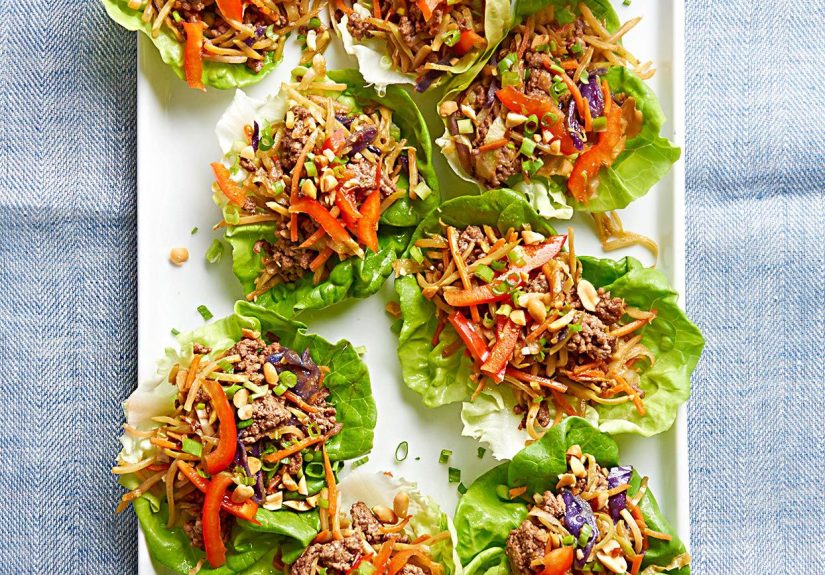
2. Turkey Taco Lettuce Cups
Think of these as tacos that got dressed for a lighter occasion. They are crunchy, juicy, fun to eat, and perfect when you want taco flavor without a heavy tortilla load.
What you need: lean ground turkey, onion, garlic, chili powder, cumin, oregano, diced tomatoes, romaine or butter lettuce leaves, avocado, radishes, chopped tomatoes, and fresh cilantro.
How to make it: Brown the turkey with onion and garlic. Add seasonings and diced tomatoes, then simmer until the mixture is savory and spoonable. Fill lettuce leaves with the turkey mixture and top with avocado, radishes, cilantro, and tomato.
Why it works: Swapping lettuce for tortillas lowers the carb load while still delivering the taco experience. Also, the crunch is excellent. Never underestimate crunch.
3. Shrimp and Veggie Sheet Pan Fajitas
If you love fast dinners and hate washing pans, this one is your friend. Shrimp cook quickly, and the vegetables become sweet and charred in the oven.
What you need: peeled shrimp, bell peppers, red onion, zucchini, olive oil, chili powder, cumin, garlic powder, lime, and a few small corn tortillas or extra cabbage slaw for serving.
How to make it: Toss shrimp and sliced vegetables with olive oil and spices. Roast until the vegetables are tender and the shrimp are just cooked. Serve in small corn tortillas or over cabbage slaw with pico de gallo and avocado slices.
Why it works: Shrimp are lean and protein-rich, while the vegetables do most of the heavy lifting. Using one or two smaller tortillas instead of oversized wraps helps keep portions realistic.
4. Pinto Bean and Veggie Stuffed Poblanos
This recipe looks fancy enough to impress people and easy enough to make when nobody is watching. Poblanos bring smoky flavor without requiring a gallon of sauce.
What you need: poblano peppers, pinto beans, onion, corn, diced tomatoes, spinach, cumin, chili powder, a small amount of shredded cheese, and plain Greek yogurt for serving.
How to make it: Halve and roast the poblanos until slightly tender. Sauté onion, tomatoes, spinach, beans, and a modest amount of corn with spices. Spoon the mixture into the peppers, sprinkle lightly with cheese, and bake until hot. Serve with Greek yogurt and salsa.
Why it works: The peppers become the vessel, so you do not need tortillas or rice. Beans add fiber and protein, while the cheese stays in the “supporting actor” category.
5. Breakfast Huevos Rancheros, Smarter Version
Classic huevos rancheros can be a total treat, but a diabetes-friendly version keeps the spirit while cleaning up the extras.
What you need: eggs, corn tortillas, black beans, fresh salsa or ranchero sauce, avocado, cilantro, and sautéed spinach or peppers.
How to make it: Warm one corn tortilla per serving. Top with black beans, a cooked egg, salsa, avocado, and vegetables. Add cilantro and a spoonful of plain Greek yogurt instead of sour cream if you like.
Why it works: You still get a satisfying breakfast with protein, fiber, and flavor. The difference is portion awareness: one tortilla, a reasonable amount of beans, and lots of vegetable volume.
6. Slow Cooker Salsa Chicken Tacos
This is the recipe for days when your ambition level is “please let dinner happen without me micromanaging it.”
What you need: chicken breast, low-sodium salsa, onion, garlic, cumin, chili powder, cabbage slaw, lime, avocado, and small corn tortillas.
How to make it: Put chicken, salsa, onion, garlic, and spices in the slow cooker. Cook until the chicken shreds easily. Serve in small corn tortillas or taco bowls with lots of cabbage slaw, lime, avocado, and extra salsa.
Why it works: The chicken is flavorful without needing sugary barbecue-style sauces. Loading up with slaw adds crunch and volume, making it easier to feel satisfied with fewer tortillas.
7. Mexican-style Chopped Salad With Grilled Steak
Salad skeptics, stay with me. This is not a sad bowl of leaves. This is a knife-and-fork situation with bold flavors, smoky protein, creamy avocado, and enough texture to keep things interesting.
What you need: romaine, cabbage, grilled flank steak or sirloin, black beans, cherry tomatoes, cucumber, red onion, avocado, pumpkin seeds, cilantro, and a lime-olive oil dressing.
How to make it: Grill the steak and slice thinly. Toss the vegetables with beans and dressing, then top with steak, avocado, and pumpkin seeds.
Why it works: This meal is heavy on nonstarchy vegetables and protein, with beans adding smart carbs and fiber. It feels substantial instead of rabbit-adjacent.
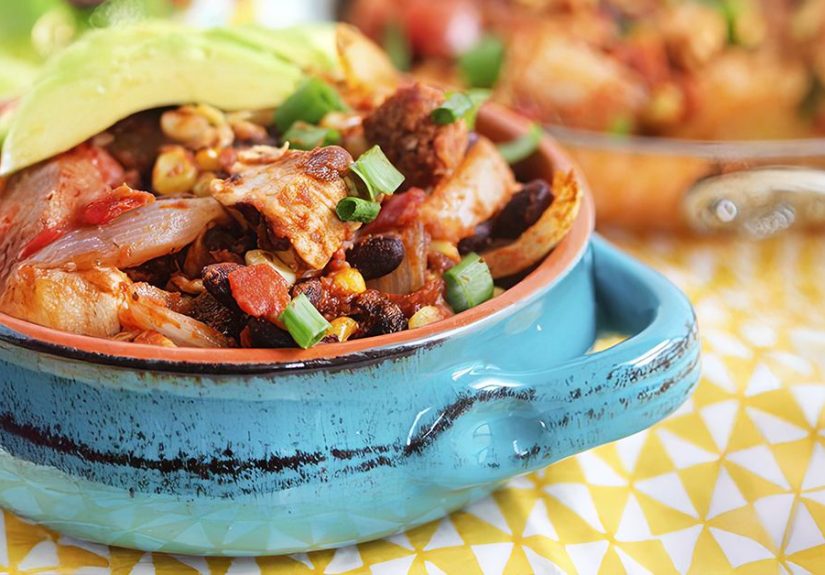
8. Zucchini Enchilada Skillet
All the comfort of enchiladas, fewer layers, less fuss, and no need to roll anything while questioning your life choices.
What you need: zucchini, shredded chicken, onion, enchilada sauce with no added sugar if possible, black beans, diced green chiles, a small amount of shredded cheese, and cilantro.
How to make it: Sauté onion and zucchini until tender. Add chicken, beans, green chiles, and enchilada sauce. Simmer until hot, then top lightly with cheese and cover until melted. Serve with shredded lettuce and sliced avocado.
Why it works: Zucchini adds volume and texture, helping reduce the need for multiple tortillas while keeping the enchilada vibe fully intact.
Best Ingredient Swaps for Diabetes-friendly Mexican Cooking
Tortillas
Choose smaller corn tortillas when possible, and keep the portion intentional. Another smart move is using one tortilla plus extra lettuce, slaw, or grilled vegetables so the meal still feels abundant.
Rice
Use less rice overall, switch to brown rice, or mix regular rice with cauliflower rice. You keep the familiar texture but lighten the carb load.
Beans
Beans are one of the best ingredients in this style of cooking. Black beans and pinto beans add fiber, plant protein, and real substance. If using canned beans, rinse them to help cut down on sodium.
Sauces and seasonings
Look for salsa, enchilada sauce, and taco seasoning with simpler ingredient lists and less sodium. Better yet, make your own seasoning blend with chili powder, cumin, garlic powder, onion powder, oregano, and smoked paprika.
Toppings
Use avocado, pico de gallo, shredded cabbage, cilantro, jalapeño, and plain Greek yogurt instead of piling on sour cream, queso, and extra cheese. You still get creaminess and flavor, just with a better balance.
Tips for Keeping Blood Sugar in Mind Without Obsessing Over Every Bite
Start with vegetables first. It is much easier to build a balanced plate when peppers, onions, zucchini, cabbage, tomatoes, spinach, and greens are not treated like decorative confetti.
Pair carbs with protein and healthy fat. Beans with chicken, avocado with eggs, or corn tortillas with shrimp and slaw can make a meal feel steadier and more satisfying than eating refined carbs by themselves.
Be careful with “healthy” traps. A burrito bowl can still become a carb festival if it contains rice, beans, corn, chips, sweet dressing, and fruit drink all in one sitting. Even good ingredients can gang up on you when portions get out of hand.
Drink wisely. Water, sparkling water with lime, or unsweetened tea usually work better than sweetened horchata, regular soda, or oversized juice drinks.
Cook at home more often. Restaurant meals are delicious, but they are often heavier in sodium, saturated fat, and hidden extras. At home, you get to be the boss of the oil, salt, and tortilla situation.
Real-life Experiences With Mexican-style Type 2 Diabetes Friendly Recipes
Here is the part people do not always say out loud: changing how you cook can feel weird at first. Not tragic. Not impossible. Just weird. If your idea of taco night has always involved a giant stack of tortillas, a vat of rice, and cheese falling from the sky like confetti, then a more balanced version may seem suspicious on day one.
But in real kitchens, something interesting tends to happen. Once people start building Mexican-style meals around flavor instead of just starch, they often realize the food still tastes great. Maybe even better. The lime tastes brighter. The salsa matters more. The smoky cumin and garlic come forward. The avocado feels rich enough that you do not need half a cup of sour cream staging a dairy takeover.
Many people find breakfast is the easiest place to start. A smarter huevos rancheros with one tortilla, beans, egg, salsa, and avocado still feels comforting and complete. You finish the meal full, but not ready for a nap under your desk. That kind of practical win matters, because success with one meal builds confidence for the next one.
Lunch is often where routine kicks in. Leftover fajita bowls, taco salads, or salsa chicken can be packed ahead, and that changes everything. Suddenly you are not at the mercy of vending machines, random drive-thru decisions, or “I got too busy so I ate chips for lunch” logic. Having a ready meal with vegetables, protein, and fiber is not glamorous, but it is effective. Sometimes grown-up success is just opening the fridge and not sabotaging yourself.
Dinner can be the emotional battleground, especially in families. Nobody wants to cook one meal for themselves and another for everyone else. The good news is Mexican-style diabetes-friendly meals usually adapt well for the whole table. One person may use lettuce cups, another may use two corn tortillas, and someone else may add extra rice. The same grilled chicken, peppers, salsa, cabbage slaw, avocado, and beans can work for everybody. That flexibility makes these recipes practical, not just theoretical.
There is also a psychological benefit to meals that still feel familiar. People are much more likely to stick with changes when the food connects to comfort, culture, and craving. A steak taco salad with cilantro-lime dressing feels familiar. A chicken fajita bowl feels familiar. A stuffed poblano feels familiar. That matters, because long-term eating habits are built on meals you actually want to repeat, not meals that earn polite applause from a wellness brochure.
Of course, not every day is perfect. Sometimes portions creep up. Sometimes the chips call your name with shocking confidence. Sometimes restaurant plates arrive looking like they were designed for three linebackers and one small parade. Real life happens. The goal is not perfection; it is pattern. If most of your meals lean toward vegetables, lean protein, smarter carbs, and bold flavor, you are moving in the right direction.
Another common experience is learning that “healthy” does not have to mean bland. In fact, Mexican-style cooking makes healthy eating easier because herbs, spices, citrus, roasted vegetables, and salsa bring a lot of personality. When food tastes good, you do not feel deprived. And when you do not feel deprived, you are less likely to rebound into the arms of a cheese-smothered regret burrito at 9 p.m.
So yes, Mexican-style type 2 diabetes friendly recipes can absolutely work in real life. They can fit weeknights, meal prep, family dinners, and even comfort-food cravings. The trick is not eliminating flavor. It is giving flavor better backup: more vegetables, more fiber, better portions, smarter carbs, and enough flexibility that the plan still feels like your life.
Conclusion
Mexican-style food and type 2 diabetes are not sworn enemies. With a few smart choices, they can get along beautifully. Build meals around nonstarchy vegetables, lean proteins, fiber-rich beans, moderate portions of carbs, and healthy fats like avocado and olive oil. Keep sauces and sodium in check, let salsa and spices do the heavy lifting, and remember that one balanced taco plate beats a “healthy” meal you secretly hate.
The best diabetes-friendly recipes are the ones you will actually cook again. So start with one bowl, one taco night, or one skillet dinner. Keep the flavor loud, keep the portions thoughtful, and let your kitchen prove that blood sugar-friendly food does not have to be boring.