Table of Contents >> Show >> Hide
- Why Cleaning After Illness Actually Matters
- Step 1: Start With a Smart Plan, Not Panic Cleaning
- Step 2: Hit High-Touch Surfaces First
- Step 3: Tackle the Bathroom Like It Owes You Money
- Step 4: Strip the Bed and Wash Laundry the Right Way
- Step 5: Clean Soft Surfaces and Upholstery Without Losing Your Mind
- Step 6: Do Not Forget Electronics
- Step 7: Wash Dishes, Empty Trash, and Reset the Kitchen
- Different Illnesses, Different Cleaning Priorities
- Common Cleaning Mistakes to Avoid
- A Simple Room-by-Room Checklist
- How Long Should You Keep Cleaning More Carefully?
- Real-Life Experiences: What Cleaning After Illness Actually Feels Like
- Final Thoughts
When sickness finally packs its bags and leaves your home, there is a strong temptation to celebrate by doing absolutely nothing. Fair. But a smart post-illness cleanup can help lower the chance of germs hanging around on shared surfaces, laundry, and the bathroom sink your family has been treating like a public monument. The good news is that you do not need to scrub the ceiling fan with military precision or turn your home into a bleach-scented laboratory.
The best way to clean your house after illness is surprisingly simple: clean first, disinfect where it matters most, wash laundry properly, improve airflow, and pay extra attention to high-touch items and any areas hit by vomit, diarrhea, or heavy respiratory mess. In other words, this is less “deep-clean every molecule” and more “target the germ traffic zones like a pro.”
This guide walks you through the safest, smartest, and most practical way to clean your house after illness, whether your household just survived a cold, the flu, COVID-style respiratory symptoms, or a stomach bug that turned your bathroom into a place nobody wants to discuss at brunch.
Why Cleaning After Illness Actually Matters
Not every illness spreads the same way, and not every surface is equally risky. Respiratory viruses often spread most easily through close contact and shared air, while stomach bugs can be especially stubborn on contaminated bathroom and kitchen surfaces. That is why the best cleaning plan is not random. It is strategic.
A good post-illness cleanup does three useful things. First, it removes dirt and bodily residue that germs like to cling to. Second, it reduces the number of germs left on shared surfaces. Third, it gives the household a reset, which is emotionally satisfying in the same way fresh sheets are emotionally satisfying. Science meets sanity.
Step 1: Start With a Smart Plan, Not Panic Cleaning
Gather the right supplies
Before you begin, pull together gloves, trash bags, laundry detergent, paper towels or washable cloths, soap or an all-purpose cleaner, and a disinfectant that matches the job. If you are using bleach, make sure it is regular household bleach intended for disinfection and follow the label. If you are using a commercial disinfectant, read the directions like they contain treasure, because in this case they kind of do.
Open windows and get the air moving
If weather and safety allow, crack open doors or windows and run bathroom or kitchen exhaust fans. Better airflow helps clear lingering respiratory particles and also makes cleaning chemicals less likely to turn your house into an eye-watering mistake. If you have a portable HEPA air cleaner, run it in the room where the sick person spent the most time.
Clean first, disinfect second
This is the rule that saves people from wasting effort. Cleaning removes grime and a chunk of germs. Disinfecting kills more of what remains. If a surface is visibly dirty, a disinfectant should not be your opening act. Soap and water or a suitable household cleaner comes first. Think of it as sweeping the stage before the headliner arrives.
Step 2: Hit High-Touch Surfaces First
If you are wondering where to start, begin with the stuff people poke, grab, tap, slap, and forget they touched five seconds later. These high-touch surfaces deserve the first wave of attention:
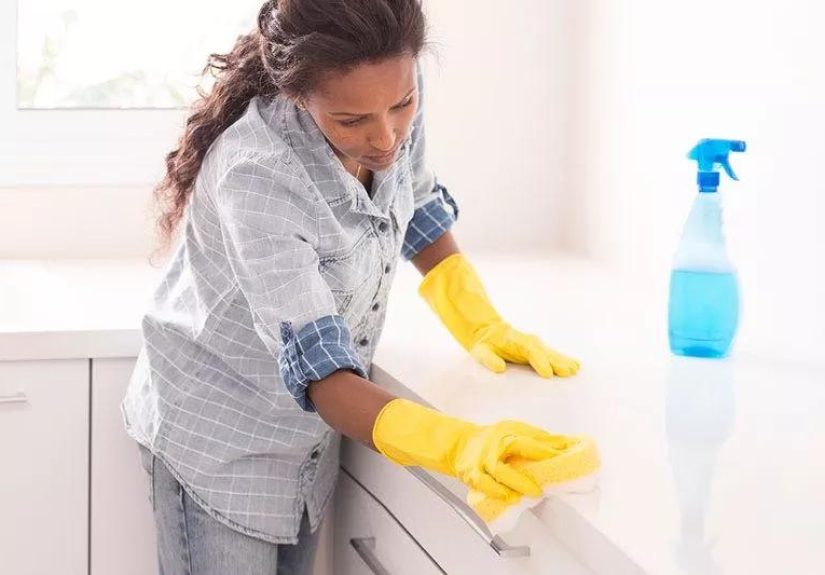
Doorknobs, light switches, refrigerator handles, faucet handles, toilet handles, countertops, remotes, phones, tablets, keyboards, bedside tables, drawer pulls, and stair rails are the usual suspects. If kids were sick, add toys, tablets, and the mysterious cup that keeps appearing in every room.
Clean these surfaces thoroughly. Then disinfect the ones that are hard, nonporous, and used often by multiple people. Make sure the disinfectant stays wet for the amount of time listed on the label. Wiping it off too quickly is like putting cake in the oven for four minutes and calling it a birthday.
Step 3: Tackle the Bathroom Like It Owes You Money
The bathroom is often the MVP of post-illness cleanup because it collects hand contact, respiratory droplets, and, with stomach illness, much worse. Start with the toilet handle, seat, lid, flush area, sink handles, faucet, countertop, light switch, and door handle. Then move on to the floor around the toilet if there was any splash risk.
If the illness involved vomiting or diarrhea, step up your game. Wear gloves. Remove visible mess first. Clean the surface. Then disinfect carefully using a product that is effective for the type of germ you are concerned about. For stomach viruses such as norovirus, bleach-based disinfection or a product specifically labeled for norovirus is usually the safer bet. Do not freestyle your chemistry set here.
If multiple people share a bathroom, it helps to disinfect the most-used bathroom touchpoints daily while someone is sick and once more thoroughly after recovery.
Step 4: Strip the Bed and Wash Laundry the Right Way
Bedding, pajamas, towels, washcloths, and blankets can all collect germs, sweat, droplets, and the general evidence of a rough week. Strip the bed. Gather towels. Grab anything soft that got heavy use during the illness.
Wash laundry with detergent using the warmest water appropriate for the fabric, then dry items completely. Avoid shaking dirty laundry, because that can send particles into the air. And no, you do not need to run a dramatic quarantine hamper system for most situations. It is generally fine to wash a sick person’s laundry with everyone else’s, as long as you handle it carefully and wash your hands afterward.
Do not forget the little extras: pillow covers, throw blankets, washable stuffed animals, and the towel that somehow became a household mascot for the duration of the illness.
Step 5: Clean Soft Surfaces and Upholstery Without Losing Your Mind
Soft surfaces do not always need the same heavy disinfecting treatment as hard counters, but they should not be ignored. For carpets, rugs, and drapes, start by cleaning according to the manufacturer’s instructions. If washable, wash them. If not, vacuum thoroughly and dispose of the vacuum debris safely if your machine allows. A fabric-safe cleaner can help on spots and stains.
If someone spent three straight days coughing into the couch cushion while watching game shows, it is reasonable to clean that area well. The goal is sensible cleanup, not an emotional argument with upholstery.
Step 6: Do Not Forget Electronics
Phones, remote controls, tablets, earbuds cases, keyboards, and gaming controllers are tiny germ magnets with excellent PR. People rarely remember to clean them, which is funny until everyone in the house is sick in shifts.
Follow the manufacturer’s cleaning instructions when possible. If no guidance is available, wipes or sprays with at least 70% alcohol are commonly used for touch screens and hard electronic surfaces, but apply them carefully and avoid soaking ports or openings. A wipeable cover on a phone or remote can make future cleanup easier. The family tablet should not become Patient Zero’s legacy.
Step 7: Wash Dishes, Empty Trash, and Reset the Kitchen
If the sick person used dishes, cups, and utensils, wash them with dish soap and warm water or use the dishwasher. No need for a ceremonial disposal of the soup spoon. Regular dishwashing works well when done properly.
In the kitchen, wipe and clean refrigerator handles, cabinet pulls, countertops, faucet handles, and the microwave buttons everyone slaps with damp hands. If the illness involved vomiting or diarrhea, be extra cautious around any food prep areas. It is also wise for someone with a stomach bug to avoid preparing food for others while symptoms are active.
Finish by tying up trash, replacing liners, and washing your hands thoroughly. This is the glamorous ending every cleaning montage deserves.
Different Illnesses, Different Cleaning Priorities
After a cold, flu, or other respiratory illness
Focus on airflow, tissues, frequently touched surfaces, shared electronics, bedding, and bathroom touchpoints. Cleaning plus targeted disinfecting is usually enough for most homes. If someone in the household is older, immunocompromised, or medically vulnerable, it makes sense to be more thorough with shared surfaces and air quality.
After a stomach bug
This is where you bring more respect to the process. Norovirus and similar stomach illnesses can spread aggressively, and hand sanitizer is not as reliable against norovirus as plain soap and water. Clean and disinfect contaminated bathroom areas right away, use gloves, wash hands carefully, and consider bleach-based products or EPA-registered products labeled for norovirus when appropriate. Also wash soiled linens quickly and dry them completely.
Common Cleaning Mistakes to Avoid
Using disinfectant on a dirty surface: Dirt and residue can block the product from doing its job.
Ignoring label directions: Contact time matters. So does dilution.
Mixing cleaners: Never mix bleach with ammonia or other cleaners. That can create dangerous fumes. Your post-illness cleanup should not become a call to poison control.
Overusing heavily fragranced products: Strong-smelling products can irritate the lungs, especially in people with asthma or respiratory sensitivity.
Skipping handwashing: Gloves are helpful, but they do not replace washing your hands when the job is done.
Forgetting the sneaky items: Phones, remotes, faucet handles, and bedside light switches are always in the gossip.
A Simple Room-by-Room Checklist
Bedroom
Wash sheets, pillowcases, blankets, pajamas, and used towels. Wipe bedside tables, lamps, phone chargers, remotes, and light switches. Vacuum if the room saw a lot of tissue fallout.
Bathroom
Clean and disinfect the toilet, sink, faucet handles, countertop, mirror edges, doorknob, light switch, and floor around the toilet. Replace hand towels with fresh ones.
Kitchen
Wipe counters, sink handles, refrigerator and freezer handles, cabinet pulls, appliance buttons, and the table. Wash dishes, toss old tissues, and refresh the sponge or run it through a sanitizing cycle if appropriate.
Living room
Wipe remotes, side tables, doorknobs, game controllers, and shared electronics. Vacuum the couch area if someone camped out there during recovery.
How Long Should You Keep Cleaning More Carefully?
During active illness, clean high-touch surfaces regularly. Once the person is fever-free, symptoms are improving, and the household is back to normal routines, do one solid reset clean. After that, return to normal cleaning habits with a little extra attention to hand hygiene and shared surfaces for a few more days if it makes sense for your household.
The main goal is progress, not perfection. You are trying to reduce risk, not audition for a role as the world’s most intense mop enthusiast.
Real-Life Experiences: What Cleaning After Illness Actually Feels Like
In real households, post-illness cleaning is rarely a calm, candlelit event with a color-coded caddy and a playlist called “Sanitize Your Soul.” It usually happens when everyone is tired, the laundry has achieved mountain status, and there are tissues in places tissues should never be. That is exactly why having a simple system matters.
One of the most common experiences is realizing the sick room became command central. The bedside table turns into a museum of cough drops, water glasses, medicine wrappers, and one half-read book that now feels emotionally contaminated. Cleaning that room first often gives people a psychological boost. Fresh sheets, a wiped-down phone, a vacuumed floor, and an open window can make the whole house feel like it is officially exiting survival mode.
Families with kids often describe a second challenge: shared touchpoints multiply fast. One child gets sick, then everyone has touched the fridge, the bathroom faucet, the tablet, the hall light switch, and somehow the dog leash. In that kind of house, the best experience is not trying to clean every square inch. It is carrying one cloth and one disinfecting product through the most-used surfaces in a single pass. Fast, focused, done.
People recovering from a stomach bug usually remember the bathroom cleanup most vividly, and not with fondness. The lesson many households learn the hard way is that quick action helps. Cleaning visible mess first, disinfecting correctly, washing hands well, and laundering towels and clothes right away makes the next 24 hours much less stressful. It is not glamorous, but it is effective. Also, nobody has ever regretted keeping disposable gloves within easy reach.
Another common experience comes after respiratory illness, especially when several people have been stuck indoors together. Even after symptoms improve, the house can feel stale. This is where airflow makes a surprisingly big difference. Opening windows for a while, running the bathroom fan, changing bedding, and cleaning high-touch surfaces gives the home that “we have rejoined civilization” feeling. Add a HEPA air cleaner in the main room, and the space can feel fresher without relying on overpowering fragrances.
Many people also discover that the hardest part is not the cleaning itself. It is deciding what actually matters. The winning move is almost always the same: start with laundry, bathroom surfaces, high-touch areas, and shared electronics. That short list handles most of the real-world risk. Everything else can follow when you have the energy.
And maybe that is the most useful experience-based advice of all: after illness, clean in layers. Do the important stuff first. Make the air better. Wash the fabrics that had the most contact. Disinfect wisely instead of wildly. Then let the rest happen in normal life. Your home does not need to look like a hospital. It just needs to feel clean, safe, and ready for the next week to be dramatically less disgusting than the last one.
Final Thoughts
The best way to clean your house after illness is to be methodical, not extreme. Focus on the rooms and objects that collect the most contact, clean before you disinfect, wash laundry thoroughly, handle stomach-bug messes with extra care, and keep the air moving. That approach is practical, safer for your household, and much more sustainable than trying to bleach your way into another dimension.
If someone in your home has severe symptoms, a weakened immune system, or an illness that requires special precautions, follow advice from their healthcare professional. For everyone else, a well-timed, well-targeted cleanup goes a long way.