Table of Contents >> Show >> Hide
- The Original Move: When Camp Furniture Got a Copenhagen Upgrade
- Why Copenhagen Keeps Winning at This Look
- What the New Furniture from Copenhagen Is Really Saying
- The Design Details That Make the Trend Work
- How to Bring the Look Home Without Turning Your Apartment Into a Glamping Ad
- Why This Trend Has Staying Power
- The Experience: What It Feels Like to Live With Copenhagen’s Indoor Camping Look
- Conclusion
There are two kinds of people in this world: the ones who hear the word camping and imagine pine trees, campfire smoke, and coffee in a tin mug, and the ones who hear it and immediately think, “Absolutely not, I enjoy plumbing.” Copenhagen, in its beautifully smug, design-savvy way, has decided both groups deserve nice furniture.
That is part of what makes the phrase “Camping Comes Indoors” so irresistible. It is not really about turning your living room into a survival course with a lantern hanging over the sectional and a suspicious number of carabiners on the bookshelf. It is about something much smarter: borrowing the best qualities of outdoor gear and camp furniturelightness, portability, honesty, durability, and a close relationship with natural materialsand translating them into pieces refined enough for real interiors.
Copenhagen has been especially good at this trick. For years, the city’s furniture scene has balanced utility with beauty, history with experimentation, and comfort with restraint. The result is a look that feels fresh without acting like it invented chairs last Tuesday. From sling-like seating and webbed surfaces to recyclable plastics, hemp-and-eelgrass shells, stackable steel frames, and furniture designed to move easily between indoors and out, the new furniture coming out of Copenhagen suggests a bigger shift in how people want to live. Home is no longer a formal showroom. It is a place to read, work, lounge, host, nap, recover, scroll, snack, daydream, and occasionally pretend to be the sort of person who enjoys a minimalist life.
This is why the camping-inspired furniture story matters. It is not just a cute aesthetic. It reflects a broader Copenhagen design attitude: make things useful, make them beautiful, make them last, and please do not add nonsense just for drama. That is how a camp chair becomes an heirloom piece, an outdoor bench becomes living-room worthy, and a simple stool starts looking like modern sculpture.
The Original Move: When Camp Furniture Got a Copenhagen Upgrade
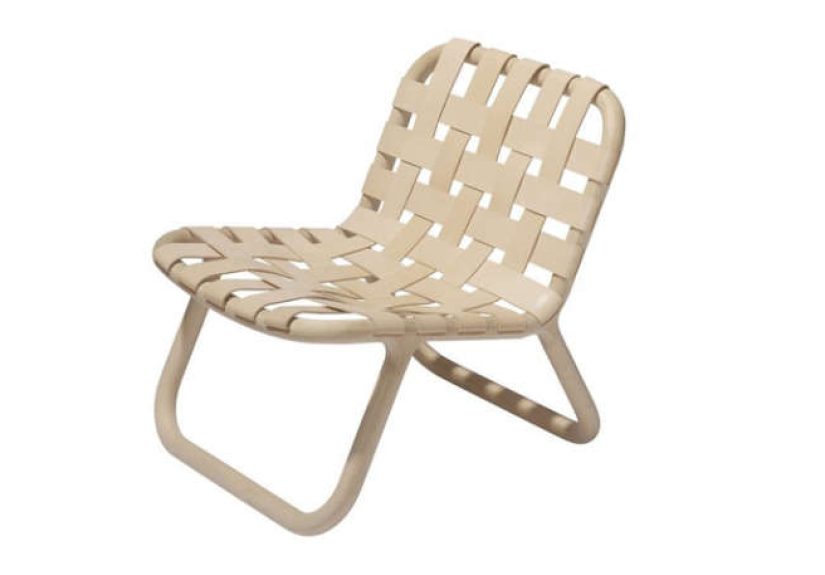
The phrase behind this article points back to a memorable Normann Copenhagen collection: the Camping series designed by Jesper K. Thomsen. The concept was clever from the start. It borrowed the relaxed, portable spirit of traditional camping furniture, then gave it a Danish design education. Instead of flimsy folding frames and nylon that makes a sad zipper sound, the collection used molded beech with webbed leather or canvas. The line included a chair, daybed, stool, and table, and the chair was positioned not as a rough-and-ready outdoor extra, but as something suitable for an office, library, or living room.
That idea still feels sharp today because it captured a tension Copenhagen designers continue to explore: how to keep furniture visually light without making it disposable, and how to preserve a sense of ease without sacrificing craftsmanship. The Camping pieces looked airy, but they were not casual in the cheap sense. They had structure, polish, and enough material integrity to suggest they might still be around long after your trendy boucle mushroom stool has emotionally exhausted itself.
In other words, Copenhagen did what Copenhagen often does best. It took an ordinary referencecamp chairs, utility gear, everyday outdoor livingand elevated it through proportion, joinery, and restraint. Suddenly the rustic reference became sophisticated. The camp vibe stayed, but the marshmallow residue did not.
Why Copenhagen Keeps Winning at This Look
1. Function comes first, but it never arrives looking boring
Danish design has long been associated with practicality, but the best Copenhagen furniture avoids the trap of looking sterile. That is because function here usually comes wrapped in warm wood, tactile surfaces, and soft silhouettes. Even when a piece is minimal, it rarely feels cold. The beauty comes from proportion, craftsmanship, and the confidence to stop before a design gets fussy.
2. Natural materials do the heavy lifting
Wood, leather, canvas, cord, steel, wool, and now more experimental plant-based materials all help connect interior furniture to outdoor references without making the result feel like patio leftovers. Copenhagen design understands that texture creates atmosphere. A webbed seat, an oiled wood surface, or a slightly imperfect natural fiber can make a room feel more human in about three seconds flat.
3. The city’s design culture rewards reinvention
Copenhagen’s design scene thrives on revisiting old forms and making them relevant again. Recent coverage of the city’s major design festival, 3daysofdesign, shows just how much brands and studios are leaning into historical references, craft traditions, natural materials, and updated classics. The point is not nostalgia for nostalgia’s sake. It is about giving familiar forms longer life by adapting them to current needs.
4. Indoor and outdoor living are no longer separate worlds
Modern homes need flexibility. Apartments double as offices. dining rooms behave like studios. balconies become tiny sanctuaries. Furniture that can migrate between zones, stack neatly, tolerate wear, and still look grown-up indoors has become much more appealing. Copenhagen brands seem especially tuned in to that reality.
What the New Furniture from Copenhagen Is Really Saying
If the original Camping series hinted at the future, newer Copenhagen furniture is practically waving from it. Several current collections show how this indoors-meets-outdoors idea has expanded beyond one clever chair.
Indoor-outdoor pieces are getting more refined
Normann Copenhagen’s Vig collection is a good example. It is built for outdoor use with double powder-coated steel and optional Robinia wood, yet its lines are clean enough for stylish transitional spaces, sunrooms, dining nooks, studios, and hospitality interiors. It does not scream “yard furniture.” It whispers, “I could survive the weather, but I also look excellent next to a linen curtain.” That is a very Copenhagen move.
The brand’s expanded Bit collection pushes the same idea from another angle. These pieces use recycled household and industrial plastic waste and are designed for both indoor and outdoor use. The forms are bold and practical at the same time: stool, side table, coffee table, lounge chair. The texture is pixelated and playful, which keeps sustainability from becoming visually self-righteous. No one wants a side table that looks like it is lecturing them.
Materials are becoming part of the story, not an afterthought
One of the most interesting current developments out of Copenhagen is the shift toward material innovation that still feels tactile and domestic. Normann Copenhagen’s Mat Chair, for example, rethinks the classic shell chair through hemp and eelgrass. That is the sort of sentence that sounds suspiciously experimental until you realize Copenhagen designers have a knack for making innovation look calm, inviting, and oddly inevitable.
This material turn has also been visible across recent Copenhagen design coverage more broadly. At 3daysofdesign, brands and studios have increasingly emphasized circular manufacturing, natural fibers, modular components, and biomaterials. The larger message is clear: future-friendly furniture should not look like a science project. It should look like something you actually want to live with every day.
Flexibility matters more than formality
Another theme running through Copenhagen furniture is adaptability. Design reporting over the past few years keeps circling back to flexible living, modular systems, and products that can be reconfigured for different conditions. That aligns perfectly with the indoor camping idea. Camp gear is useful because it adapts. The new indoor version of that logic is furniture that can move, stack, separate, combine, and survive changing routines without losing dignity.
In practical terms, that means lounge chairs with lightweight frames, stools that can act as side tables, modular seating that works in big rooms and tiny apartments, and furnishings that do not demand a formally staged life. They work with real households, not fantasy lofts owned by people who never misplace their charger.
The Design Details That Make the Trend Work
If you want to recognize this look in the wild, here is what to watch for:
Light frames
Pieces often feel visually open rather than bulky. That might mean slender wooden structures, exposed steel tubing, or silhouettes that leave breathing room around the body instead of swallowing it whole.
Webbing, rope, canvas, and leather
These materials nod to outdoor utility but become elegant in the right proportions. They also add texture without adding clutter, which is a neat trick and one your over-accessorized coffee table should study carefully.
Natural colors with occasional bold accents
Copenhagen interiors often rely on wood tones, black, deep green, stone, off-white, and soft grays, then wake things up with a confident burst of color. Recent design coverage suggests Scandinavian palettes are loosening up, but the overall look still favors balance over chaos.
Portable comfort
Low lounge seating, stackable pieces, stools, modular sections, and compact tables all contribute to a home that feels easy to rearrange. Nothing seems nailed to the floor emotionally.
Atmosphere over excess
Lighting, texture, and material warmth do more work than ornament. A room inspired by Copenhagen’s indoor camping style usually feels inviting because it is layered well, not because it is packed with decorative objects fighting for custody of your attention.
How to Bring the Look Home Without Turning Your Apartment Into a Glamping Ad
Start with one anchor piece
A sling-style lounge chair, a woven stool, a compact wooden bench, or a clean-lined indoor-outdoor table can establish the mood without forcing the whole room into costume. You are aiming for “design-forward cabin energy,” not “weekend survival influencer.”
Mix rugged references with polished surroundings
The contrast is what makes this look interesting. A webbed chair next to a tailored sofa. A steel-and-wood stool near a soft wool rug. A portable lamp on a refined side table. Copenhagen furniture works because it treats utility as something elegant.
Choose materials that age well
Look for solid wood, durable metals, quality canvas, leather, recycled composites, and upholstery that can survive daily life. This trend works best when the furniture earns patina instead of just collecting regret.
Keep the room breathable
One reason Copenhagen interiors feel so appealing is that they leave visual space. Resist the urge to cram every wall, corner, and horizontal surface with “personality.” Let the materials speak. They are pretty articulate.
Add softness strategically
Because many of these forms are spare, the room benefits from softness elsewhere: a textured throw, linen drapery, a wool rug, cushions in low-key earthy tones, and layered lighting. That is how the style lands on cozy instead of severe.
Why This Trend Has Staying Power
Trends come and go, but this one has deeper roots than most. It connects to several long-term shifts in design and daily life: a demand for better materials, a desire for more flexible homes, an interest in sustainability that goes beyond marketing copy, and a craving for interiors that feel emotionally restorative rather than aggressively styled.
The beauty of Copenhagen’s approach is that it does not depend on novelty alone. The best pieces are grounded in archetypes people already understand: the camp chair, the stool, the bench, the shell chair, the modular seat. Those familiar forms make experimentation easier to live with. A chair made from hemp and eelgrass still reads as a chair. A stackable outdoor collection still reads as classic furniture. The innovation is real, but the usability comes first.
That balance is exactly why “camping comes indoors” still feels relevant. It names a larger design instinct: bringing the calm, utility, adaptability, and closeness to material that people love about outdoor life into the spaces where they actually spend most of their time. No tent required. No bug spray necessary. The mosquitoes can stay outside where they belong.
The Experience: What It Feels Like to Live With Copenhagen’s Indoor Camping Look
What makes this style especially appealing is not just how it looks in a showroom or in a perfectly lit design photo. It is how it changes the feeling of a home once real life starts happening inside it. A room inspired by Copenhagen’s indoor camping furniture does not usually feel formal or precious. It feels ready. Ready for coffee at 7 a.m., ready for reading in the afternoon, ready for friends to drop by, ready for one person to stretch out with a blanket and pretend they are “resting their eyes” rather than taking a full accidental nap.
There is also something subtly comforting about furniture that seems built for movement and use. A low chair with a leather or canvas sling seat invites you to sit differently. You settle in rather than perch. A stool that can become a side table, a plant stand, or extra seating takes pressure off the room to be one fixed thing forever. A powder-coated chair that can spend summer on the terrace and winter by the dining table starts to make your home feel more fluid and less boxed in by labels.
The atmosphere tends to be calm, but not sleepy. The natural materials bring warmth. The lighter silhouettes keep the room from feeling crowded. The outdoor references add a casual confidence, as if the furniture is saying, “Yes, I am very well designed, but I am also not going to panic if you set a book, a sweater, and a half-finished cup of tea near me.” That may not sound revolutionary, but in a world of overly delicate interiors and overly disposable furniture, it is surprisingly refreshing.
There is a sensory quality to the experience too. Wood adds visual warmth even before you touch it. Leather webbing or woven seating creates shadows and texture that make a room feel more layered throughout the day. Matte steel frames catch light differently from bulky upholstered furniture. Linen, wool, and canvas soften the harder materials without hiding them. Together they build a room that feels edited, but still alive. It is the difference between a space you admire and a space you actually want to come home to.
Another part of the appeal is psychological. Camping, at least in theory, is about stripping life back to essentials. The Copenhagen version of that idea takes the romance without the inconvenience. You get the sense of utility, simplicity, and closeness to material, but you also keep your espresso machine and indoor heating. That balance can make a home feel more grounded. Instead of filling a room with decorative filler, you start to value objects that truly earn their spot: a chair with a beautiful frame, a lamp that moves where you need it, a stool that works in three different ways.
In everyday use, this style can also make smaller homes feel bigger. Furniture with open frames and visual lightness leaves more room for the eye to travel. Stackable or movable pieces make entertaining easier. Flexible seating helps one room do multiple jobs. Even the mood changes: spaces inspired by this look often feel less rigid and more forgiving. You are allowed to live there. That should be the bare minimum, of course, but design does occasionally need a reminder.
Ultimately, the experience of this trend is not about pretending you live in a Scandinavian forest cabin. It is about borrowing the best emotional cues from outdoor lifeease, simplicity, texture, adaptability, and a sense of quietand bringing them inside in a way that still feels urban, polished, and deeply livable. Copenhagen understands that modern luxury is not just about expensive furniture. It is about furniture that makes daily life feel a little lighter, calmer, and smarter. That is a much better souvenir to bring home than a tent.
Conclusion
Copenhagen’s furniture scene has turned the old idea of camp living into something unexpectedly elegant. What began as a witty reinterpretation of outdoor seating has grown into a broader design language built around mobility, durability, natural materials, and comfort that does not try too hard. The best new furniture from Copenhagen does not force a choice between practical and beautiful. It gives you both, then casually makes the rest of the room look underdressed.