Table of Contents >> Show >> Hide
- What Memorial Day poppies mean (in plain English)
- How a wildflower became a Memorial Day symbol
- Moina Michael: the American “Poppy Lady” who pinned meaning to a lapel
- Anna Guérin and “Poppy Day”: turning remembrance into relief
- The American Legion and the American Legion Auxiliary: making the poppy official
- The VFW Buddy Poppy: “honor the dead by helping the living”
- Memorial Day vs. Veterans Day: why the poppy shows up in May
- How Memorial Day poppies help veterans today
- How to wear a Memorial Day poppy (and not accidentally make it weird)
- Memorial Day poppies in the modern world: traditions that still land
- Conclusion: why the Memorial Day poppy still matters
- Poppy Moments: Experiences Around Memorial Day (the extra-real, extra-human part)
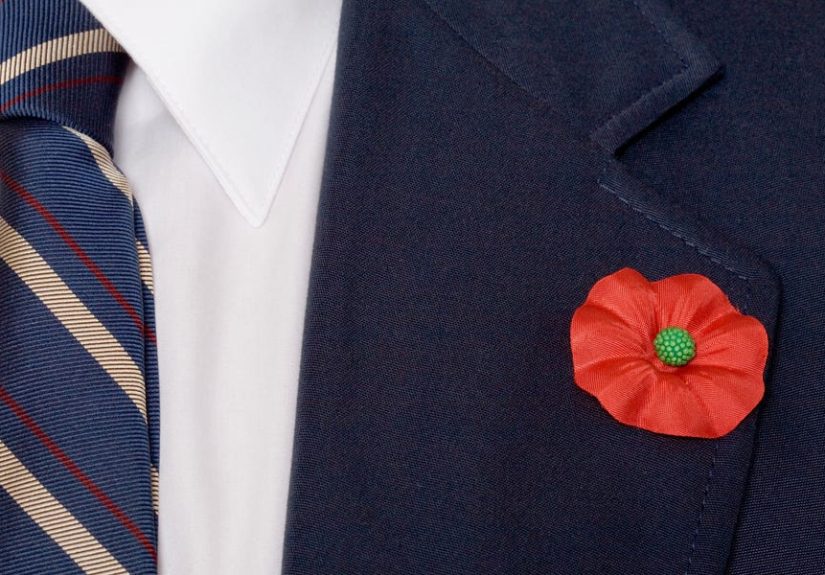
The red poppy you spot on jackets, handbags, and lapels every May isn’t just a cute little flower trying to win “Best Dressed” at the Memorial Day picnic. It’s a tiny, wearable history lessonone that connects World War I battlefields, a famous poem, and a century of American remembrance and veterans’ support. And yes, it’s okay if you’ve ever asked, “Wait… why a poppy?” You’re about to become the person at the cookout who actually knows. (Use this power for good. Or for politely correcting your uncle. Your call.)
What Memorial Day poppies mean (in plain English)
Memorial Day poppies are a symbol of remembrance for U.S. service members who died in military service, and they’re also a practical way to support living veterans and military families through donation-based poppy distributions. The poppy’s meaning blends two ideas: honor the fallen and help the living. That’s why you’ll often see poppies offered by veterans’ organizations and volunteersusually with a suggested donationespecially in the days leading up to Memorial Day.
How a wildflower became a Memorial Day symbol
The story begins in a place most of us only know from history books: the battlefields of World War I in Europe. After intense fighting tore up the land, bright red poppies (often called the Flanders poppy or corn poppy) grew in disturbed soil. That imagelife returning to ground marked by lossbecame unforgettable.
“In Flanders Fields” and the poppy’s first big moment
In 1915, Canadian physician and officer John McCrae wrote the poem “In Flanders Fields”, using poppies as a powerful symbol of sacrifice and remembrance. The poem spread widely and helped cement the poppy as a visual shorthand for honoring the war dead.
In other words: one poem + one stubborn little flower = a symbol strong enough to outlive a century’s worth of trends (including the low-rise jeans era, whichunlike the poppyshould not return).
Moina Michael: the American “Poppy Lady” who pinned meaning to a lapel
The poppy’s Memorial Day connection in the United States is closely tied to Moina Michael, a Georgia educator and humanitarian. In November 1918, after reading McCrae’s poem, she committed to wearing a red poppy as a symbol of remembrance. She didn’t stop at symbolism, eithershe began distributing poppies and advocating for the poppy as a national emblem of remembrance in the U.S.
The poppy goes from idea to action
Michael’s early push included buying and handing out artificial red poppies at a YMCA-related conference in 1918. It was simple: give people a poppy, tell them why it matters, and watch the meaning spread person-to-person. That’s basically how all enduring traditions start… minus the social media algorithm.
She also wrote a response poem often associated with the movement, reinforcing the idea of “keeping faith” with those who died. The message stuck: the poppy wasn’t decorationit was a pledge not to forget.
Anna Guérin and “Poppy Day”: turning remembrance into relief
Memorial Day poppies didn’t become a nationwide tradition by accident. A major catalyst was Anna Guérin, a French organizer who promoted poppy fundraising campaigns after World War I. Her idea: distribute artificial poppies in exchange for donations, then use the proceeds to support people devastated by the warespecially widows, orphans, and communities trying to rebuild.
This is an important piece of the poppy’s American story: from the start, poppies weren’t only about remembering the dead. They were also a hands-on, practical way to help the living.
The American Legion and the American Legion Auxiliary: making the poppy official
In 1920, the poppy gained major institutional support when The American Legion named it the official flower of the organization. Not long after, the American Legion Auxiliary became a primary driver of poppy distributionhanding out poppies and requesting donations to fund assistance for veterans, active-duty service members, and their families.
Why this mattered
Once large national organizations adopted the poppy, the tradition could scale. Poppy distribution became not just a symbolic gesture, but an organized programrepeatable every year, in communities everywhere, with direct impact.
Over time, the American Legion Auxiliary’s poppy work expanded beyond distribution into education and community involvementhelping kids and families understand what the poppy represents (and gently reminding adults that Memorial Day isn’t just “the unofficial start of summer”).
The VFW Buddy Poppy: “honor the dead by helping the living”
If you’ve heard the term Buddy Poppy, you’ve run into the Veterans of Foreign Wars (VFW) version of the poppy program. The VFW conducted a nationwide poppy distribution before Memorial Day in 1922 and later developed the “Buddy Poppy” identity as part of a structured program.
Handmade poppies and real support
One reason the Buddy Poppy program resonates: the poppies have often been assembled by disabled and needy veterans, who are paid for their work. Donations then help fund veterans’ rehabilitation and service programs and support initiatives such as veterans’ homes and family support efforts.
That’s the poppy in action: remembrance that also pays rent, funds medical support, and keeps the lights on for programs veterans actually use.
Memorial Day vs. Veterans Day: why the poppy shows up in May
Americans sometimes mix up which holiday “goes with” the poppy. Here’s the clean distinction: Memorial Day honors those who died in service, while Veterans Day honors all who served, especially living veterans.
That’s why in the U.S., the red poppy is most strongly associated with Memorial Day, and poppy drives tend to peak in late May. (Think of it as the flower equivalent of lowering your voice at a ceremonycontext matters.)
National Poppy Day
You may also hear about National Poppy Day, observed on the Friday before Memorial Day. It’s meant to encourage Americans to wear a red poppy to honor the fallen and support the living through donations connected to poppy programs.
How Memorial Day poppies help veterans today
Modern poppy distributions are often tied to fundraising for:
- Emergency financial assistance for veterans and military families
- Medical support and rehabilitation programs
- Housing and long-term care initiatives
- Community-based veterans’ service efforts
- Programs that reduce isolation and support mental wellness
The details vary by organization and location, but the basic model is consistent: you receive a poppy, you donate what you can, and the funds are used to support veterans and their families.
How to wear a Memorial Day poppy (and not accidentally make it weird)
There’s no universal “poppy police” (and if there were, they’d probably be very polite). Still, a few simple tips help:
- Wear it close to your heartlapel, shirt, jacket, or even a bag strap works.
- Keep it respectfulit’s a remembrance symbol, not party confetti.
- Know your one-sentence explanation: “I’m wearing it to honor those who died in service and support veterans.”
- Donate if you canpoppy programs are often tied to real assistance.
If a kid asks what it means, congratulations: you’ve been handed the easiest teachable moment of the year. (Also: kids absorb symbolism faster than adults. Adults ask follow-up questions like, “Is this, like, a British thing?” Which… fair, but we can walk and chew history at the same time.)
Memorial Day poppies in the modern world: traditions that still land
Even if you don’t see poppies everywhere in the U.S., they remain a durable Memorial Day symbol in many communities especially where poppy drives are active. You’ll spot them outside grocery stores, at civic ceremonies, near memorials, and in local parades. The poppy’s power is its simplicity: a small, inexpensive symbol that can travel easily, spark a conversation, and fund tangible support.
And unlike some “awareness” symbols that feel like vague gestures, poppy programs are often tied to a direct action: accept a flower, make a donation, help someone.
Conclusion: why the Memorial Day poppy still matters
The Memorial Day poppy endures because it does two jobs at once. It helps us remember sacrifice without needing a long speech, and it turns remembrance into support through community fundraising. From the poppies of Flanders to Moina Michael’s early campaigns, from the American Legion Auxiliary to the VFW Buddy Poppy program, this little red flower has carried a big message: we remember, and we show up for the living.
So if you wear a poppy this Memorial Day season, you’re not just adding a splash of red. You’re carrying a century of meaningand (ideally) a small donation that helps keep the promise behind the symbol.
Poppy Moments: Experiences Around Memorial Day (the extra-real, extra-human part)
The history is powerful, but what makes Memorial Day poppies stick in people’s minds is the way they show up in ordinary momentssmall scenes that feel personal even when they’re shared by millions. Here are some experiences that many Americans recognize (or will the next time they notice that little red bloom).
1) The parking-lot poppy handshake
You’re walking into a store, thinking about your shopping list and whether you remembered the buns. Near the entrance, a volunteer offers you a poppy. It’s a tiny interactiontwo seconds, a nod, maybe a quick “Thank you.” But it changes the emotional temperature of the day. Suddenly Memorial Day isn’t abstract. It’s right there in your hand.
The best part is how un-salesy it usually feels. No pitch, no pressurejust an invitation to remember and, if you’re able, to donate. Even a few dollars feels like a meaningful micro-action, the kind of everyday civic habit we don’t get enough of.
2) The “who are you wearing it for?” conversation
A poppy has a funny way of making stories come out. Someone sees it and asks about it. Or you mention it casually, and a coworker says their grandfather never talked about his service, but he always got quiet around Memorial Day. Or a neighbor tells you about a friend’s name etched on a memorial wall. None of these conversations are scripted. The poppy just opens the door.
In a world where we can scroll past almost anything, that’s a rare kind of pause: a symbol that invites memory instead of distraction.
3) Kids and crafts that accidentally become history class
In many communities, children make poppies from paper or craft materials around Memorial Day season. It starts as a simple art projectcut, fold, glue, repeat, try not to glue your sleeve to the table. Then someone asks, “Why poppies?” and suddenly you’re talking about World War I, remembrance, and why Memorial Day is different from Veterans Day.
Kids don’t need every detail. What lands is the core idea: the poppy is a way to say, “We remember.” When that message shows up in a child’s handwriting on a poster or a handmade flower pinned slightly crooked, it somehow feels even more sincere.
4) The cemetery walk that resets your priorities
Many people visit cemeteries or memorials on Memorial Day weekend. You might see flags placed at graves, hear quiet conversations, or notice families standing together without saying much at all. Wearing a poppy in that setting feels less like an accessory and more like a sign you understand where you are.
It’s also one of the clearest reminders that the holiday isn’t about “time off.” It’s about time takentime to remember people whose futures ended early. A poppy can’t carry all that grief, but it can mark that you’re willing to hold a piece of it.
5) The donation that feels surprisingly satisfying
Not all giving feels good. Sometimes it feels complicated, or transactional, or like you’re never sure where the money goes. Poppy drives are often the opposite: a small donation with a visible symbol attached, offered by organizations whose mission is pretty straightforwardsupport veterans and honor sacrifice.
People often describe it as “the easiest meaningful thing I did all week.” Which, honestly, is a great standard for a tradition: simple enough to repeat, significant enough to matter.
If you want the poppy to be more than a once-a-year moment, keep it simple: wear it, explain it once, donate when you can, and let that little red flower do what it’s been doing for a centuryturning memory into care.