Table of Contents >> Show >> Hide
- What the original study actually suggested
- Why cocoa gets so much attention
- What human research says about chocolate, obesity, and diabetes
- Why the headline needs a reality check
- So what kind of chocolate makes the most sense?
- Can chocolate really help prevent obesity?
- Can chocolate help with diabetes risk?
- Everyday experiences related to chocolate, weight, and blood sugar
- The bottom line
- SEO Tags
Chocolate and good health have had a long, complicated relationship. One minute, chocolate is the villain in a shiny wrapper. The next, it is being praised like a tiny edible superhero with antioxidants. So when headlines claim that chocolate could help prevent obesity and diabetes, it is fair to raise an eyebrow, unwrap a square of dark chocolate, and ask: Really?
The short answer is: maybe, but not in the dreamy, “prescribed by dessert” kind of way. The science is promising in certain areas, especially when researchers look at cocoa flavanols and dark chocolate rather than sugar-heavy candy bars. But the evidence is mixed, and the healthiest interpretation is this: some compounds in cocoa may support better metabolic health, yet that does not mean eating more chocolate automatically protects you from weight gain or type 2 diabetes.
That distinction matters because obesity and diabetes are not small public health issues. They are massive, ongoing challenges shaped by diet quality, physical activity, sleep, stress, genetics, and the modern miracle of snacks that somehow contain both five forms of sugar and a health halo. Chocolate may play a helpful supporting role in a healthy eating pattern, but it is not the star actor that gets to save the whole movie by itself.
What the original study actually suggested
The headline that chocolate could prevent obesity and diabetes comes from an older study that focused on cocoa compounds, not an all-you-can-eat buffet of chocolate bars. Researchers looked at specific antioxidants in cocoa called oligomeric procyanidins. In animal models, these compounds appeared to help mice on high-fat diets gain less weight and maintain better glucose tolerance.
That is interesting for a few reasons. First, it suggests that cocoa contains biologically active compounds that may affect metabolism. Second, it points researchers toward a mechanism rather than just a food trend. And third, it explains why scientists keep circling back to cocoa even when the snack aisle keeps trying to ruin the story with extra sugar, saturated fat, caramel swirls, and ingredients your great-grandmother would not recognize.
But animal research is not the same thing as proof in humans. Mice are helpful for understanding biology, but they do not shop at convenience stores, stress-eat after Zoom meetings, or pretend a “share size” is meant for other people. So a mouse study can open the door to better questions, yet it cannot close the case.
Why cocoa gets so much attention
The reason scientists keep studying cocoa is simple: it is rich in flavanols, a subgroup of plant compounds called flavonoids. These compounds are associated with antioxidant and anti-inflammatory effects, and they may also help improve blood vessel function, nitric oxide activity, insulin sensitivity, and cardiometabolic markers.
In plain English, cocoa seems to contain molecules that may help the body handle blood flow, inflammation, and glucose regulation a little better. That is a pretty appealing résumé for one bean.
Some researchers believe cocoa flavanols may help the body use insulin more effectively. Since insulin resistance is a major driver of prediabetes and type 2 diabetes, anything that nudges the body in a better metabolic direction is worth studying. This is one reason dark chocolate and cocoa powder often get more scientific respect than milk chocolate or white chocolate. They generally contain more cocoa solids and fewer sugary distractions.
Dark chocolate also tends to deliver more fiber and minerals than lighter varieties. A one-ounce serving of dark chocolate with 70% to 85% cacao can provide fiber along with minerals such as iron and magnesium. That does not make it kale in formal wear, but it does make it nutritionally more interesting than many sweets.
What human research says about chocolate, obesity, and diabetes
Now for the part that matters most: human evidence.
One of the most talked-about recent findings came from a large long-term study linked to Harvard researchers. It found that people who consumed dark chocolate regularly had a lower risk of developing type 2 diabetes, while milk chocolate did not show the same benefit. In fact, higher milk chocolate intake was associated with long-term weight gain. That is a major clue that the type of chocolate matters.
Researchers think the difference may come down to cocoa polyphenols. Dark chocolate contains more of them, while milk chocolate usually brings more added sugar and often less cocoa. So two foods can sit in the same candy family while behaving very differently in the body. Sort of like cousins at Thanksgiving.
There is also evidence from meta-analyses of randomized controlled trials suggesting cocoa flavanols may improve some cardiometabolic biomarkers. In those studies, cocoa flavanol intake was linked with improvements in fasting insulin, insulin sensitivity, HDL cholesterol, triglycerides, and some inflammation-related markers. That does not prove cocoa prevents diabetes, but it does suggest the biological pathway is plausible.
Another 2024 meta-analysis looking at overweight and obese participants found that cocoa consumption was associated with small reductions in body weight, body mass index, and waist circumference. The effects were modest, not magical. We are talking about nudges, not a nutritional plot twist. Still, small improvements can matter over time when they are part of a broader healthy routine.
And that is the key phrase: part of a broader healthy routine. Observational studies can show associations, but they cannot prove cause and effect. People who eat dark chocolate may also do other health-conscious things. They may exercise more, cook at home more often, smoke less, or simply choose smaller portions. Even the American Diabetes Association points out that these patterns do not mean people should start eating dark chocolate specifically to reduce diabetes risk.
Why the headline needs a reality check
Here is where things get a little less romantic and a lot more useful.
Commercial chocolate is not the same as the flavanol-rich cocoa products often used in research. This is a big deal. Scientists may study carefully standardized cocoa extracts or high-flavanol products, while the average store-bought chocolate bar may arrive with more sugar and fewer flavanols than the public imagines.
Processing matters too. Fermentation, roasting, alkalizing, and formulation can all reduce flavanol content. So the more a product turns into a candy-first, cocoa-second experience, the less likely it is to behave like the cocoa studied in metabolic research.
That is why expert guidance tends to sound cautious. Health organizations note that while dark chocolate may have some benefits, the flavanol dose used in research is often hard to get from typical chocolate products. Translation: your candy stash is probably not a clinical intervention.
Calories matter too. Dark chocolate may be lower in sugar than milk chocolate, but it is still energy-dense. Even high-cacao dark chocolate can pack a notable amount of calories, fat, and sugar into a small serving. So if someone eats dark chocolate on top of an already calorie-heavy diet, the net effect may still work against weight management.
So what kind of chocolate makes the most sense?
1. Choose dark chocolate over milk chocolate
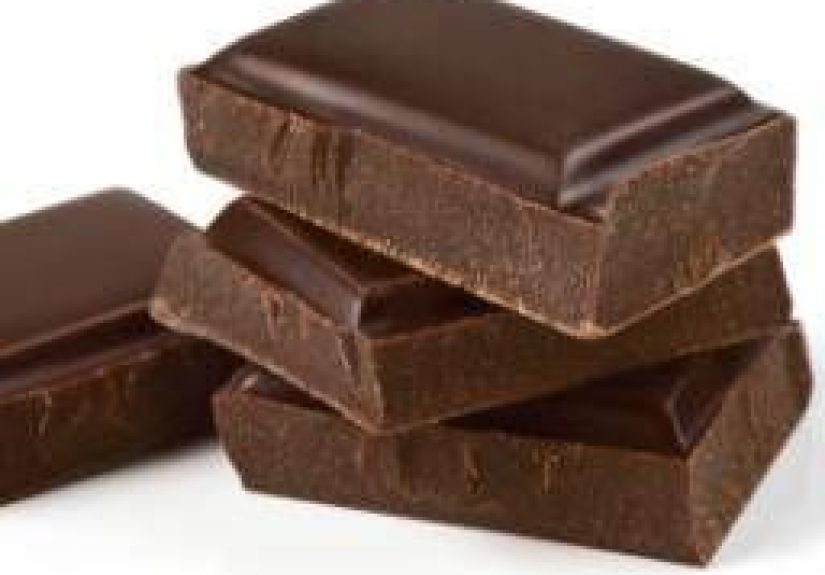
If you want the better nutritional bet, dark chocolate is usually the smarter choice. A product with 70% cacao or higher is a common target because it tends to offer more cocoa solids and less sugar than milk chocolate.
2. Keep portions small
Think one or two squares, not a dramatic breakup scene with the whole bar. Small portions let you enjoy the flavor and potential flavanol benefit without turning a smart snack into a sugar-and-calorie pileup.
3. Read the label like a detective
Look at added sugar, serving size, saturated fat, and cacao percentage. Sometimes the front of the package says “dark chocolate” while the nutrition label quietly whispers, “nice try.”
4. Consider unsweetened cocoa powder
If you want more cocoa and less sugar, unsweetened cocoa powder can be a practical option. Stir it into oatmeal, yogurt, smoothies, or a lower-sugar homemade hot cocoa. This gives you cocoa flavor without requiring a candy-bar-level commitment.
5. Pair chocolate with a healthy routine
Chocolate works best as one small piece of a larger strategy that includes fiber-rich foods, protein, regular exercise, good sleep, and a reasonable handle on stress. In other words, it can join the team, but it should not try to coach, quarterback, and sell tickets.
Can chocolate really help prevent obesity?
Maybe a little, under the right conditions, but the word prevent needs caution. Obesity develops from a web of factors: genetics, environment, calorie balance, physical activity, medication effects, sleep, stress, and food quality. No single food solves that.
What cocoa may do is support some of the body systems that influence weight regulation, such as inflammation, insulin response, and satiety. Dark chocolate can also feel more satisfying than ultra-sweet candy, which may help some people eat less overall. Because it is richer and more intense, a small amount may actually feel like enough. That alone can be useful if it helps someone replace a larger sugary dessert.
But if the habit becomes “I heard chocolate prevents obesity, so I now eat chocolate daily with full emotional commitment,” the science would like to gently clear its throat.
Can chocolate help with diabetes risk?
The strongest case is not that chocolate cures or prevents diabetes on its own. It is that dark chocolate and cocoa flavanols may support better insulin sensitivity and healthier metabolic markers, which could contribute to lower risk in the right dietary pattern.
That is a meaningful difference. Type 2 diabetes is closely tied to overweight and obesity, physical inactivity, and insulin resistance. So if a food component helps insulin work better, lowers inflammation a bit, or makes a healthier snack substitution easier, it may play a small supportive role.
Still, the bigger moves remain bigger. Weight management, physical activity, blood sugar monitoring when needed, good sleep, and an overall high-quality eating pattern matter far more than whether dessert is cocoa-based. Chocolate can be a strategic extra. It should not be mistaken for the strategy itself.
Everyday experiences related to chocolate, weight, and blood sugar
The following examples are illustrative everyday experiences, not medical case reports. They show how people often interact with chocolate in real life, which is where nutrition advice either succeeds beautifully or falls face-first into a vending machine.
One common experience is the “afternoon rescue snack.” Someone gets tired at 3 p.m., grabs a large milk chocolate bar and a sugary coffee drink, then feels briefly revived before crashing again. In that situation, chocolate is not the real problem by itself. The bigger issue is the combo of low fiber, low protein, lots of added sugar, and a meal pattern that set the person up to be ravenous by midafternoon. When that same person switches to a small square of dark chocolate with Greek yogurt, nuts, or fruit, the experience often changes. They still get the pleasure of chocolate, but with more staying power and less rebound hunger.
Another experience is the “healthy dark chocolate upgrade.” A person who used to eat several cookies after dinner starts having one or two squares of dark chocolate instead. They notice that the stronger flavor makes them slow down. The portion feels more intentional, and because dark chocolate is less sugary, it may not trigger the same “well, I already had one, so let us invite seven more” spiral. That kind of shift will not rewrite biology overnight, but it can make a daily habit a little more manageable.
Then there is the “health halo trap.” Someone hears that dark chocolate contains antioxidants and suddenly treats the entire bar like a wellness supplement. This is the nutrition equivalent of wearing running shoes to a meeting and calling it cardio. Dark chocolate can fit into a healthy pattern, but quantity still counts. People are often surprised by how easy it is for a modest snack to become several hundred calories if they nibble absentmindedly.
A more encouraging experience comes from people who discover unsweetened cocoa powder. Instead of relying on dessert-style chocolate, they stir cocoa into oatmeal, plain yogurt, protein smoothies, or overnight oats. They get the taste and aroma of chocolate with more control over sugar. For some, this is the moment chocolate stops being a guilty pleasure and starts becoming a smart ingredient.
There is also the emotional side. Chocolate is comfort food for a reason. It is tied to reward, ritual, celebration, and stress relief. Many people do better when they stop thinking in extremes. Not “chocolate is evil,” and not “chocolate is medicine,” but “chocolate is a food I can enjoy in a way that supports my goals.” That middle ground is boring on social media but fantastic in real life.
Finally, many people living with prediabetes or weight-loss goals find that the best experience is not eliminating chocolate entirely. It is learning to fit it in without guilt or chaos. A planned portion after a balanced meal often works better than a cycle of restriction, craving, overdoing it, and swearing off joy until Tuesday. In practice, the healthiest chocolate habit is often the one that feels calm, sustainable, and slightly less dramatic than the internet would prefer.
The bottom line
So, could chocolate prevent obesity and diabetes? The best honest answer is this: certain compounds in cocoa appear promising, dark chocolate may be associated with a lower risk of type 2 diabetes, and cocoa flavanols may support healthier metabolic markers. But the evidence does not mean any chocolate product will protect you, and it definitely does not mean the candy aisle has become a clinic.
If you love chocolate, the smartest move is not to fear it or worship it. Choose dark chocolate more often than milk chocolate, keep the portion sensible, pay attention to added sugar, and think of it as one enjoyable part of an overall healthy lifestyle. That way, chocolate can stay where it belongs: not as a miracle cure, but as a delicious, evidence-aware sidekick.