Table of Contents >> Show >> Hide
- What remdesivir is and how it works
- The short answer: can remdesivir cause kidney failure?
- Why kidney concerns started in the first place
- What the current evidence says about remdesivir and kidney injury
- How remdesivir could affect the kidneys in theory
- Who should be monitored extra closely?
- Symptoms and warning signs that deserve prompt medical attention
- Common side effects besides kidney concerns
- Remdesivir alternatives: what doctors use instead
- How doctors choose between remdesivir and the alternatives
- Bottom line
- Patient and caregiver experiences: what this often looks like in real life
Remdesivir has had a strange public reputation. Depending on which corner of the internet you land in, it is either a miracle antiviral, a misunderstood hospital staple, or the villain in a kidney-related horror story. The truth, as usual, is less dramatic and more useful. Remdesivir can be associated with kidney-related concerns, but that is not the same thing as saying it commonly causes kidney failure. In fact, current medical guidance is much more reassuring than the old rumors make it sound.
If you are trying to understand whether remdesivir can harm the kidneys, why doctors once worried about that risk, and what the alternatives are today, the big takeaway is this: kidney problems during COVID-19 treatment are often a messy, real-world mix of infection severity, dehydration, low blood pressure, preexisting chronic kidney disease, other medications, and yes, occasional drug-related concerns. In other words, the kidneys rarely send a polite memo explaining who exactly caused the trouble.
What remdesivir is and how it works
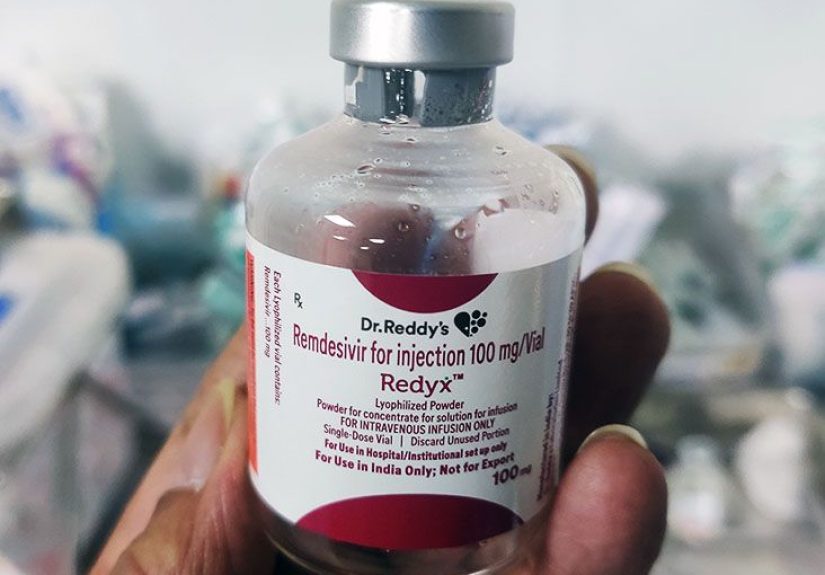
Remdesivir is an antiviral medication used to treat COVID-19 in certain hospitalized patients and in some high-risk outpatients early in illness. It is given by IV, which already makes it less convenient than a pill. No one describes a three-day infusion schedule as a spa experience.
Mechanistically, remdesivir works by interfering with the virus’s RNA-dependent RNA polymerase. That means it helps block SARS-CoV-2 from copying itself efficiently. In plain English, it jams the virus’s photocopier. The earlier that kind of antiviral effect happens in the course of infection, the more likely it is to matter.
The short answer: can remdesivir cause kidney failure?
The short answer is: it is not considered a common or clearly established direct cause of kidney failure, but kidney-related caution still makes sense in some situations. That may sound like an annoyingly nuanced answer, yet in medicine nuance is often where the truth lives.
Older warnings made clinicians especially cautious in people with poor kidney function. But more recent evidence and current FDA labeling are much less restrictive. Today, remdesivir is labeled for use even in patients with mild, moderate, or severe renal impairment, including those on dialysis. That is a major shift from the early pandemic era, when many clinicians hesitated because the evidence base was thinner and the stakes were high.
So if a patient develops acute kidney injury while receiving remdesivir, doctors do not automatically point at the drug and declare the case closed. They usually ask a longer list of questions first: Was the patient already dehydrated? Was blood pressure unstable? Did severe COVID itself injure the kidneys? Were contrast dyes, NSAIDs, antibiotics, or other nephrotoxic drugs also involved? Was the patient septic? Did kidney numbers start worsening before remdesivir was even given?
Why kidney concerns started in the first place
Early data gaps made everyone extra cautious
At the start of the pandemic, many drug trials excluded people with severe kidney impairment. That meant doctors had limited safety data for the exact patients they were most worried about. When data are missing, caution usually fills the empty space. Sometimes that is wise. Sometimes it ages badly. Often it is both.
The IV carrier raised a red flag
The main historical concern was not only remdesivir itself, but also a carrier ingredient used in the IV formulation called SBECD (sulfobutylether-beta-cyclodextrin, also referred to in FDA materials as betadex sulfobutyl ether sodium). This ingredient is cleared through the kidneys. In people with reduced kidney function, exposure to SBECD and remdesivir metabolites can increase.
That raised a very reasonable concern: if the kidneys are already struggling, could extra accumulation make things worse? Theoretical risk matters, especially when you are treating someone with advanced CKD, dialysis dependence, or active acute kidney injury.
COVID-19 itself is rough on the kidneys
Here is where the story gets complicated. COVID-19 can cause acute kidney injury all by itself. Severe infection can reduce blood flow to the kidneys, trigger inflammation, worsen clotting, destabilize blood pressure, and intensify multiorgan stress. So when kidney numbers worsen during a COVID hospitalization, the virus is already a major suspect.
That overlap made the early remdesivir debate tricky. If a very sick patient’s creatinine rose during treatment, was the drug responsible, or was the infection doing what severe infections often do? In many cases, the answer was not obvious.
What the current evidence says about remdesivir and kidney injury
Current evidence is much less alarming than early fears suggested. FDA labeling now states that remdesivir can be used without dose adjustment in patients with any degree of renal impairment, including those on dialysis. That did not happen by accident. It reflects safety and pharmacokinetic data collected in patients with impaired kidney function.
Another important point is that laboratory abnormalities do not automatically equal drug-caused kidney failure. In clinical studies, creatinine increases and decreased creatinine clearance have been reported, but the pattern does not scream “remdesivir is obviously the culprit” in a simple, one-directional way. In some study settings, kidney-related lab abnormalities were similar to or even lower than comparison groups. That matters, because it suggests the medication is operating inside a very noisy clinical environment rather than acting like a clean, predictable kidney toxin.
The current clinical view is not that remdesivir is magically incapable of being involved in renal problems. Medicine almost never offers that kind of certainty. The view is that the overall kidney risk appears lower and less direct than once feared, especially when treatment is short and appropriately monitored.
How remdesivir could affect the kidneys in theory
If you want the “how so?” part of the title answered clearly, there are two main ideas.
First, reduced kidney clearance can raise exposure to SBECD and remdesivir metabolites. That was the original mechanistic concern. In patients with impaired renal function, those substances can accumulate more than they do in people with normal kidney function.
Second, very sick patients are biologically fragile. Even a medication that is usually tolerated may become harder to sort out in someone who is already dealing with shock, sepsis, dehydration, low oxygen levels, or multiple organ dysfunction. In that setting, clinicians are not just treating a virus. They are trying to keep several systems from arguing with each other at once.
Still, theory is not the same thing as confirmed harm. The modern evidence base suggests that the increased exposure seen in renal impairment has not translated into a broad clinical signal requiring dose reduction or routine avoidance across the board.
Who should be monitored extra closely?
Even though the newer data are more reassuring, some patients still deserve tighter monitoring:
- People with chronic kidney disease, especially advanced CKD.
- Patients with active acute kidney injury.
- People on dialysis.
- Kidney transplant recipients.
- Older adults with multiple chronic conditions.
- Patients who are dehydrated, hypotensive, or septic.
- Anyone taking other medications that can stress the kidneys.
In practice, doctors usually look at the whole clinical picture rather than obsessing over one lab value in isolation. They consider baseline kidney function, recent trends, urine output, fluid status, blood pressure, oxygen needs, and the rest of the medication list. That is why “I saw one scary number on the chart” is rarely the full story.
Symptoms and warning signs that deserve prompt medical attention
If kidney function is worsening during COVID illness or treatment, symptoms may include reduced urine output, swelling in the legs or face, unusual shortness of breath from fluid buildup, worsening fatigue, nausea, confusion, or suddenly rising blood pressure. Unfortunately, several of these can also overlap with the infection itself.
That is why worsening symptoms during treatment should not become a DIY detective project. If someone on remdesivir seems worse, the right move is to contact the treating team promptly, not to hold an online trial where the kidneys serve as unwilling witnesses.
Common side effects besides kidney concerns
Kidney questions get the headlines, but remdesivir is also more commonly associated with other issues. Nausea can happen. Infusion-related reactions can happen. Liver enzyme elevations matter enough that clinicians check liver-related labs before treatment and monitor as clinically appropriate. So even when the kidney story is calmer than expected, remdesivir is still a real hospital medication, not a vitamin gummy with better branding.
Remdesivir alternatives: what doctors use instead
If remdesivir is not the best option, alternatives depend heavily on where the patient is in the illness and whether they are being treated at home or in the hospital.
1. Paxlovid
For many high-risk outpatients with mild to moderate COVID-19, Paxlovid is generally the preferred early antiviral if started within five days of symptom onset and if the patient is an appropriate candidate. It is taken by mouth, which makes it much easier logistically than IV remdesivir.
But Paxlovid is not a perfect swap for everyone. It has important drug-drug interactions, and kidney function still matters because dosing may need adjustment in some patients. In other words, the “easy pill alternative” can come with its own chemistry exam.
2. Molnupiravir
Molnupiravir is another oral antiviral option for adults. It is typically considered when Paxlovid and remdesivir are not accessible or are not clinically appropriate. The downside is that it is generally viewed as less effective than the top options, so it is more of a backup plan than the star player.
It also has pregnancy-related limitations, which means it is not the right fit for every patient.
3. Convalescent plasma in selected immunocompromised patients
For certain immunocompromised patients, COVID-19 convalescent plasma may still be considered under current authorization pathways. This is not the everyday substitute most people think of first, but in the right patient it can still be part of the treatment conversation.
4. Hospital-based immune-modulating treatments
In hospitalized patients, the alternatives are not always direct antiviral substitutes. Some people need treatment aimed less at viral replication and more at the inflammatory response that causes lung injury and clinical decline.
That is where therapies such as dexamethasone, baricitinib, and tocilizumab may come in, depending on oxygen needs, illness severity, and hospital protocols. These are not interchangeable with remdesivir in a neat one-for-one way. They solve a different part of the problem.
Think of it this way: remdesivir tries to slow the virus, while some inpatient alternatives help calm the body’s overreaction. Same crisis, different tools.
How doctors choose between remdesivir and the alternatives
The decision usually comes down to timing, setting, and patient-specific risk.
- How many days since symptoms started? Antivirals work best early.
- Is the patient hospitalized? That changes the menu of treatments.
- What is the kidney function? This matters, but it no longer automatically rules remdesivir out.
- What other medications is the patient taking? This matters a lot for Paxlovid.
- Can the patient access IV treatment for three consecutive days? Logistics can make remdesivir unrealistic even when medically reasonable.
- Is the patient immunocompromised? That may change the strategy.
So the best alternative is not selected by internet popularity. It is selected by matching the right drug to the right patient at the right time.
Bottom line
Can remdesivir cause kidney failure? It is more accurate to say that remdesivir has historical and theoretical kidney-related concerns, but current evidence does not support the idea that it is a common, straightforward cause of kidney failure in typical use. The early alarm centered on accumulation of SBECD and metabolites in renal impairment, while severe COVID itself often injures the kidneys and can blur the picture.
Today, remdesivir is used much more confidently across different levels of kidney function than it was early in the pandemic. That does not mean clinicians stop paying attention. It means the conversation has matured. The real question is no longer “Does remdesivir automatically wreck the kidneys?” It is “In this specific patient, do the benefits outweigh the risks compared with other options?”
That is a better question, a more modern question, and frankly a more kidney-friendly one.
Patient and caregiver experiences: what this often looks like in real life
One of the most common real-world experiences is pure confusion. A patient tests positive for COVID-19, already has chronic kidney disease, and then hears two very different messages within hours. One source says, “Avoid remdesivir because of the kidneys.” Another says, “Current guidance allows it, even in severe renal impairment.” That contradiction can feel terrifying, especially for families who already hear terms like eGFR, creatinine, dialysis, and acute kidney injury as if they are supposed to know what any of that means before lunch.
Another common experience is that the kidney issue is already in motion before remdesivir ever enters the picture. A patient may arrive dehydrated, feverish, and short of breath, with poor oral intake for several days. Their blood pressure may be low. Their kidneys may already be taking a hit from the infection. Then treatment begins, labs are repeated, and the family sees the creatinine number rise. Understandably, the first instinct is often to blame the newest medication. But in the hospital, “after” does not always mean “because of.”
For outpatients, the experience is often more logistical than biochemical. Some people are good candidates for Paxlovid, but drug interactions make it a bad fit. Then remdesivir becomes the fallback plan, and suddenly the main frustration is not fear of kidney failure but figuring out how to get to an infusion center three days in a row while feeling awful. That practical barrier is one reason some patients end up discussing molnupiravir instead, even though it is usually not the strongest option.
Dialysis patients often describe a different experience: relief mixed with skepticism. Early in the pandemic, many heard that remdesivir was risky or off-limits. More recently, they may hear that it can be used even in severe renal impairment and in people on dialysis. It is reassuring, but it can also feel hard to trust at first because the messaging changed over time. From the patient side, changing guidance can sound like uncertainty. From the medical side, it usually reflects better evidence arriving later.
Caregivers also commonly report that what they want most is a straight answer, and what they get is nuance. That can be frustrating. But nuance is not hedging for the sake of hedging. It is the honest shape of the problem. A patient with COVID-19, kidney disease, diabetes, multiple medications, and low oxygen is not choosing between “perfectly safe” and “obviously dangerous.” They are choosing between imperfect options under time pressure. That is exactly why individualized treatment matters.
Perhaps the most useful shared experience is this: people tend to feel less panicked once a clinician walks them through the logic. When patients hear that the older concern was mainly about the IV carrier, that current labeling is broader, that COVID itself can injure the kidneys, and that alternatives like Paxlovid or molnupiravir each have tradeoffs too, the story becomes clearer. Not cheerful, maybe, but clearer. And clarity is often what people need most when illness turns every lab result into a small emotional earthquake.