Table of Contents >> Show >> Hide
- What Happens in Your Body After You Eat
- Why Walking After a Meal Is Such a Smart Habit
- How Long Should You Walk After Eating?
- When Is the Best Time to Walk?
- How Fast Should You Go?
- Who Can Benefit Most?
- When to Be Careful
- Simple Ways to Make It a Daily Habit
- A Realistic Post-Meal Walking Plan
- Experiences Related to Walking After Meals
- Conclusion
- SEO Tags
There are two kinds of people after a meal: the ones who feel ready to conquer the world, and the ones who suddenly understand why couches were invented. If you tend to drift into the second category, there is a ridiculously simple habit that can help: take a walk after you eat.
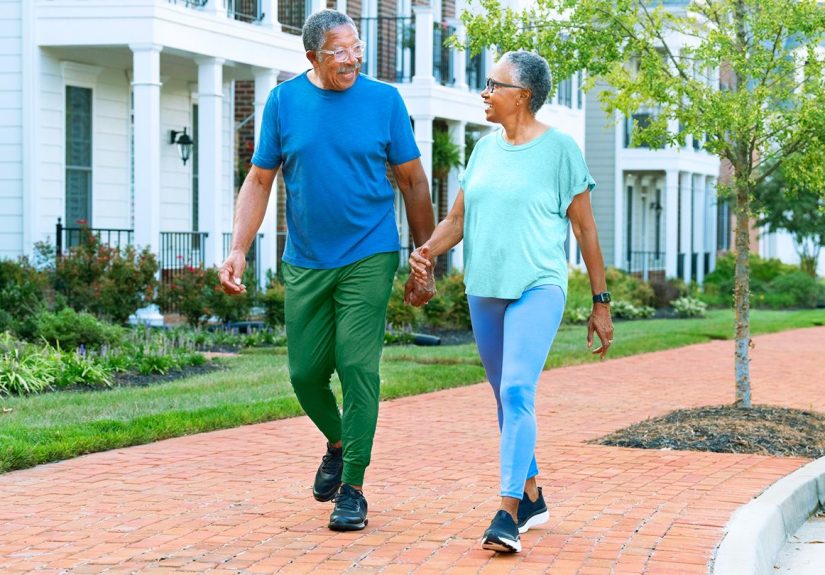
No, this does not mean power-walking around the neighborhood like you are late for a business merger. It means a gentle, realistic, human-sized walk. Ten minutes. Maybe fifteen. Around the block, through the office hallway, around the parking lot, or even a few laps around your living room if the weather is being dramatic.
A post-meal walk is one of those rare wellness ideas that is both evidence-based and refreshingly unglamorous. It does not require expensive gear, a trendy membership, or a green powder that tastes like lawn clippings. It simply asks you to move your body after eating, and your body often says, “Finally, a reasonable request.”
From blood sugar control and digestion support to better energy, mood, and long-term heart health, walking after meals can offer benefits that punch well above their weight. And because it is easy to repeat every day, it may be more practical than workouts that look great on a calendar and disappear by Thursday.
What Happens in Your Body After You Eat
After a meal, your digestive system gets busy breaking food down into nutrients your body can use. Carbohydrates are converted into glucose, which enters your bloodstream. In response, your body releases insulin to help move that glucose into your cells for energy.
This is completely normal. The problem is not that blood sugar rises after a meal. The problem is when the rise is too sharp, too frequent, or too difficult for your body to manage well. Over time, repeated blood sugar spikes may make it harder to maintain steady energy and may contribute to metabolic issues, especially in people with insulin resistance, prediabetes, or diabetes.
This is where walking comes in. A light walk after eating gives your muscles something useful to do: use glucose. Muscles are active tissue, and when they move, they pull in more fuel. That means some of the sugar from your meal can be used right away instead of hanging around in your bloodstream like an uninvited party guest.
Why Walking After a Meal Is Such a Smart Habit
It can help reduce blood sugar spikes
This is the biggest reason post-meal walking gets so much attention. When you walk after eating, your muscles help clear glucose from the bloodstream. That may lead to a lower post-meal blood sugar rise compared with staying seated.
That matters for people with diabetes, but it is not only a diabetes conversation. Even people without diabetes experience blood sugar fluctuations after meals. A short walk can help smooth out those peaks and valleys, which may support steadier energy and less of that “I need a nap and maybe a new personality” feeling after lunch.
The timing matters, too. Walking soon after a meal appears especially useful because it lines up with the period when blood glucose is rising. In plain English: your body is processing lunch, and your walk arrives right on cue like a competent assistant.
It may improve insulin sensitivity
Walking does more than burn a few calories. It also helps your body use insulin more efficiently. Better insulin sensitivity means your body does not have to work as hard to manage glucose after a meal.
That is a big deal over time. While one walk is not a magic trick, the repeated habit of moving after meals can support healthier metabolic function. Think of it as a small daily favor you do for your future self. Future you has enough going on already.
It may support digestion without being too intense
A gentle walk can help some people feel less heavy, sluggish, or bloated after eating. Light movement may encourage the digestive system to keep things moving and can make you feel more comfortable than collapsing horizontally right after dinner.
There is an important caveat, though: gentle is the key word. A calm walk is one thing. A sprint session, boot camp, or enthusiastic attempt to become an action hero five minutes after tacos is another. Vigorous exercise immediately after eating can make indigestion worse for some people. If your stomach feels sensitive after meals, keep the intensity low and let your body set the pace.
It can boost energy instead of draining it
Many people assume rest is the answer when they feel sleepy after eating, but light movement often works better. A brief walk can help you feel more alert, especially after lunch, when energy tends to dip anyway.
Part of this may come from steadier blood sugar. Part of it may be the general energizing effect of movement. Either way, a ten-minute walk often wakes you up more effectively than staring at your inbox while your brain quietly leaves the building.
It supports heart health and weight management
Walking is one of the most accessible forms of aerobic activity, and all those short walks add up. Three ten-minute walks a day can help you chip away at weekly activity goals without needing a perfect schedule.
Over time, regular walking may support weight control, blood pressure, blood sugar management, and cardiovascular health. That does not mean every walk needs to be long or intense. In fact, one of the best things about walking is how ordinary it is. It slides into daily life without demanding a motivational speech.
How Long Should You Walk After Eating?
The good news is that you do not need to march for an hour after every meal to get benefits. Short bouts can still help.
For many people, 10 to 15 minutes after a meal is a great starting point. If that feels too long, even 2 to 5 minutes is better than staying planted in a chair. A short walk after breakfast, lunch, and dinner can be both realistic and effective.
If you are new to exercise, start smaller than your ambition. Five minutes after dinner every night beats a 45-minute fantasy walk you never take. Consistency is the real win here.
When Is the Best Time to Walk?
Generally, the sweet spot is soon after finishing your meal. You do not need to set a stopwatch, but heading out within about 10 to 30 minutes can make sense for blood sugar support.
That said, life is messy. If you cannot walk immediately, do not turn that into an excuse to do nothing. Walking later is still walking. The best post-meal walk is the one you actually take.
How Fast Should You Go?
Moderate is usually perfect. You should be able to talk, but not sing a power ballad with full emotional commitment. A casual-to-brisk pace works well for most people.
If a brisk pace feels uncomfortable after eating, go slower. The goal is not athletic glory. The goal is light movement that feels good and is easy to repeat. Your digestive system is looking for cooperation, not drama.
Who Can Benefit Most?
Almost anyone can benefit from a post-meal walk, but it may be especially helpful for:
- People with prediabetes or type 2 diabetes
- People who feel sleepy or foggy after meals
- Office workers who sit for long periods
- Older adults looking for practical ways to stay active
- Anyone trying to build a simple, sustainable health habit
It can also be useful for people who find long workouts intimidating. Walking after meals breaks movement into smaller, more manageable pieces. Instead of waiting for a perfect 60-minute workout window, you use time that already exists in your day.
When to Be Careful
Post-meal walking is simple, but a few people should be more thoughtful about how they do it.
If you take insulin or blood sugar-lowering medication
Physical activity can lower blood sugar during and after exercise. If you use insulin or certain medications, a walk after a meal may increase the risk of hypoglycemia. That does not mean you should avoid walking. It means you should learn how your body responds, monitor when needed, and follow your healthcare professional’s advice.
If you have digestive issues
If you deal with reflux, indigestion, or a sensitive stomach, keep the walk gentle. For some people, easy walking feels great after eating. For others, any immediate movement beyond light strolling may feel uncomfortable. Your body gets a vote.
If you have mobility or balance concerns
Even short indoor walks, a hallway stroll, or light movement around the house can be useful. A post-meal walk does not have to look like a fitness commercial to count.
Simple Ways to Make It a Daily Habit
Attach it to a meal you already eat consistently
Dinner is usually the easiest place to start. Most people have a bit more control over that time of day, and an evening walk can help create a pleasant transition out of work mode.
Keep the bar low
Tell yourself you only need five or ten minutes. This removes the mental friction that makes healthy habits feel like chore assignments from a strict principal.
Use the walk for something enjoyable
Walk with family. Walk the dog. Listen to music, a podcast, or the sweet sound of not answering messages for ten minutes. Turning the walk into a small reward makes it easier to repeat.
Use “movement snacks” when life is chaotic
If you cannot get outside, walk indoors, pace while on the phone, take the stairs, or loop through the kitchen and living room. It may not be glamorous, but neither is blood sugar management, and yet here we are doing useful things.
A Realistic Post-Meal Walking Plan
If you want a straightforward way to begin, try this:
- Week 1: Walk 5 to 10 minutes after dinner.
- Week 2: Add a second walk after lunch or breakfast.
- Week 3: Aim for 10 to 15 minutes after your largest meals.
- Week 4 and beyond: Adjust pace and timing based on how you feel, but keep the habit easy enough to maintain.
If you miss a day, move on. Health habits work best when they are flexible enough to survive real life.
Experiences Related to Walking After Meals
One reason post-meal walking catches on so easily is that people often notice the difference quickly. Not necessarily in some dramatic movie-montage way, but in the small, useful ways that make everyday life feel better.
A common experience is the disappearance of the afternoon slump. Plenty of people eat lunch, sit back down at their desk, and feel their concentration evaporate in under twenty minutes. But when they take a brief walk first, they often come back feeling more awake and less mentally foggy. It is not that the walk turns them into a productivity machine. It just helps them avoid feeling like their brain put on sweatpants and went home early.
Another experience people talk about is feeling less “stuffed” after dinner. Instead of moving from the table straight to the couch, they take a calm walk around the block with a partner, a child, or a dog who suddenly believes this is the greatest lifestyle change in human history. The meal seems to settle better. They feel lighter, less sluggish, and more comfortable for the rest of the evening.
Some people notice that walking after meals helps them become more aware of how different foods affect them. A heavy, high-carb lunch followed by sitting still may leave them sleepy and snacky two hours later. The same lunch followed by ten minutes of walking may feel much more manageable. Over time, this creates a practical kind of body awareness. Not obsessive. Just helpful. The kind that says, “Okay, this is what works for me.”
For families, post-meal walks can become less of a health tactic and more of a ritual. Parents use it as a way to get kids moving without announcing that everyone is now participating in mandatory cardio. Couples use it as an easy time to talk without screens. Older adults often find it is a gentle, confidence-building way to stay active every day without committing to an intimidating workout plan.
People trying to improve their blood sugar or weight often describe post-meal walking as the habit that finally felt sustainable. It does not ask for perfect motivation. It does not require workout clothes, complicated scheduling, or a burst of athletic enthusiasm. It just fits. And because it fits, it gets repeated. That repetition is where the real value shows up.
There is also something emotionally helpful about the habit. A short walk after eating can create a pause between one part of the day and the next. After breakfast, it can make the morning feel more intentional. After lunch, it can reset your focus. After dinner, it can signal that the busy part of the day is ending. In a strange way, the walk becomes bigger than the walk. It becomes a tiny routine that tells your body and brain, “We are taking care of ourselves in a normal, doable way.”
And that may be the most relatable part of all. Post-meal walking is not flashy. It will never sound as exciting as some extreme fitness challenge with a name in all caps. But in real life, the habits that improve health are often the ones that are boring in the best possible way. They are repeatable. They are low-stress. They work with your life instead of fighting it. A walk after a meal is one of those rare habits that feels almost too simple to matter, right up until you realize how much better you feel when you keep doing it.
Conclusion
If you are looking for a simple health habit with real upside, walking after meals deserves a spot near the top of the list. It can help with post-meal blood sugar control, support insulin sensitivity, improve comfort after eating, lift your energy, and contribute to long-term heart and metabolic health.
Better yet, it is realistic. You do not need perfect weather, perfect motivation, or perfect sneakers. You just need a few minutes and the willingness to move your body after you eat. That might mean a loop around the block, laps in the hallway, or an indoor stroll while your coffee cools down.
For a habit this simple, the payoff can be surprisingly big. So the next time a meal leaves you torn between productivity and a nap, try the humble middle ground: take a walk. Your body will probably appreciate the gesture.