Table of Contents >> Show >> Hide
- Why Enamelware Belongs Indoors
- The Design Appeal: Simple, Graphic, and Honest
- How to Use Enamelware in the Kitchen
- Enamelware Beyond the Kitchen
- Choosing the Right Enamelware for Indoor Decor
- How to Style Enamelware Without Overdoing It
- Care Tips for Enamelware Indoors
- Specific Indoor Enamelware Ideas to Try
- Why Enamelware Feels Fresh Again
- Personal Experience: Living With Enamelware Indoors
- Conclusion
Enamelware has always had a talent for looking like it just wandered in from a lakeside cabin, a French seafood counter, or your grandmother’s very organized pantry. That is exactly why it works so beautifully indoors. It is practical without being boring, nostalgic without getting dusty, and sturdy enough to survive both dinner parties and that one family member who treats dishes like cymbals.
The phrase “Design Sleuth: Enamelware Indoors” invites us to investigate a simple but surprisingly rich design idea: why are enamel bowls, trays, plates, mugs, pitchers, and basins suddenly so at home in modern kitchens, dining rooms, bathrooms, mudrooms, and even living spaces? The answer sits at the intersection of material honesty, vintage charm, everyday usefulness, and a growing desire to make homes feel collected rather than staged.
At its core, enamelware is metal coated with a glass-like enamel finish. Traditionally, steel or cast iron is covered with powdered glass or porcelain enamel and fired at high heat, creating a smooth, durable surface. That combination gives enamelware its signature personality: the strength of metal with the glossy, cheerful face of ceramic. It can be light, colorful, stackable, and easy to clean. It can also chip if dropped, which is unfortunatebut let’s be honest, a tiny chip on a display basin sometimes makes it look like it has better stories than most people at a dinner party.
Why Enamelware Belongs Indoors
For years, enamelware was treated like outdoor gear: camping plates, picnic mugs, garden trays, and cookout bowls. But designers and home stylists have increasingly brought it inside because it solves a problem modern interiors often have: too much perfection. Smooth stone counters, sleek appliances, and minimalist cabinets can look elegant, but they can also feel cold. Enamelware adds warmth through imperfection, color, and texture.
A white enamel bowl with a black rim can soften a stainless-steel kitchen. A blue splatterware tray can wake up a neutral breakfast nook. A red-rimmed pitcher can turn open shelving into a small design moment. Enamelware does not beg for attention; it just winks from the shelf and says, “Yes, I am useful. Yes, I also look adorable holding lemons.”
That dual roleuseful and decorativeis the main reason enamelware works indoors. Unlike fragile antiques that sit around waiting to be admired, enamelware can participate in daily life. Use it for serving snacks, sorting mail, holding dish brushes, corralling bathroom bottles, organizing craft supplies, or displaying fruit. It does not need a velvet rope.
The Design Appeal: Simple, Graphic, and Honest
Enamelware has a graphic quality that designers love. The contrast between a bright white surface and a dark rim creates instant definition. Splatter patterns add movement. Solid colors bring a clean block of personality. Because most enamelware shapes are simplebowls, mugs, pitchers, trays, basinsit rarely feels fussy.
This simplicity makes enamelware easy to mix with other materials. In a modern kitchen, it pairs beautifully with marble, butcher block, brass, copper, stainless steel, and painted cabinets. In a farmhouse kitchen, it feels right at home beside wood shelves, woven baskets, stoneware, and linen towels. In a coastal interior, white-and-blue enamelware can look crisp without sliding into full nautical costume mode. Nobody needs a decorative anchor unless they live on a boat or are emotionally committed to one.
Enamelware also introduces a sense of age without making a room feel old-fashioned. That is a tricky balance. Too many vintage pieces can make a kitchen look like a museum gift shop after a windstorm. A few carefully chosen enamelware pieces, however, can make a space feel layered, lived-in, and personal.
How to Use Enamelware in the Kitchen
1. Style Open Shelving With Everyday Pieces
Open shelving can be beautiful, but it can also expose your secret life as someone who owns seven mismatched travel mugs and a mysterious plastic lid with no container. Enamelware helps because it stacks neatly and looks intentional. Place white enamel bowls in a tidy pile, lean a few plates against the wall, and add a pitcher or colander for height.
The trick is repetition. One enamel mug may look accidental. Six enamel mugs lined up under a shelf look like a choice. Use similar colors or matching rim details to create rhythm. White with black trim is timeless. Blue splatterware feels cheerful and rustic. Soft cream, sage, or navy gives a more contemporary mood.
2. Use Trays as Visual Anchors
An enamel tray is one of the easiest indoor styling tools. On a kitchen counter, it can hold olive oil, salt, pepper, a small crock of utensils, and a tiny vase. On a coffee station, it can gather mugs, sugar, spoons, and napkins. On a dining table, it can become a casual centerpiece with candles, citrus, or herbs.
Trays work because they create boundaries. Without a tray, five small objects look like clutter. On a tray, the same five objects look like someone with excellent taste arranged them during a calm Sunday morning. Interior design is sometimes just clutter with borders.
3. Display Fruit, Bread, and Vegetables
Deep enamel bowls are ideal for produce. Apples, lemons, onions, garlic, tomatoes, and potatoes all look better in enamelware than in plastic bags from the grocery store. A large white enamel bowl filled with lemons can brighten a dark counter. A black enamel bowl with oranges can look dramatic and modern. A speckled bowl with apples brings that “country market but make it chic” feeling.
If the enamel surface is chipped on the inside, avoid using it for food. But a chipped piece can still serve a decorative purpose: hold wrapped tea bags, napkins, recipe cards, or small kitchen linens.
Enamelware Beyond the Kitchen
Bathroom Storage With Personality
Bathrooms can easily become too sterile. Enamelware introduces charm while staying practical. A shallow enamel tray can hold hand soap, lotion, and a small plant. A mug can store toothbrushes or makeup brushes. A basin can hold rolled washcloths or guest towels. The glossy surface feels clean, while the vintage shape keeps the room from feeling like a dentist’s waiting area.
Mudroom and Entryway Organization
Enamel trays and basins are excellent for entryways. Use a tray for keys, sunglasses, dog leashes, and mail. A larger basin can hold winter gloves, scarves, or shoe-care supplies. Because enamelware has a utility-room heritage, it looks natural in transitional spaces where the house has to work hard.
Home Office and Craft Room Uses
In a workspace, enamel mugs can hold pens, paintbrushes, scissors, and rulers. Small bowls can sort paper clips, rubber bands, washi tape, or sewing notions. A vintage enamel pan can become a magnetic memo board if the metal base allows magnets to grip. That is the design magic of enamelware: it gives practical storage a little character without requiring a full craft-room makeover.
Choosing the Right Enamelware for Indoor Decor
When shopping for enamelware, start with purpose. Do you need pieces for food, display, storage, or purely decorative styling? New enamelware is usually the best choice for serving and cooking because it is intact, smooth, and made to modern standards. Vintage enamelware is wonderful for styling, but inspect it carefully before using it with food.
Look for smooth interiors, stable bases, and no sharp chips. A little exterior wear can be charming, but chips on food-contact surfaces are a different story. Since enamel is a glass-like coating, damaged areas can continue to flake. Exposed metal may also rust. If you love a chipped vintage piece, give it a second life as a planter, utensil holder, wall display, or catchall instead of a salad bowl.
Color matters, too. White enamelware with black, blue, or red rims is the easiest to use in many homes. Splatterware is more playful and works especially well in casual kitchens, kids’ spaces, breakfast rooms, and creative studios. Dark enamelwareblack, navy, forest greencan look sophisticated when paired with brass, walnut, stone, or cream walls.
How to Style Enamelware Without Overdoing It
The best enamelware interiors feel edited. You want “collected design,” not “I accidentally bought the entire flea market.” Try the rule of three: use enamelware in three small moments around a room. For example, stack bowls on an open shelf, place a tray by the stove, and use a pitcher for flowers on the table. That is enough to create a theme without turning your kitchen into a campground dining hall.
Mix enamelware with softer textures. Linen napkins, wooden boards, woven baskets, and ceramic pieces prevent enamel from feeling too hard or cold. If your enamelware is very colorful, keep surrounding pieces calmer. If your enamelware is mostly white, add contrast through dark wood, greenery, or patterned textiles.
Scale is also important. Small enamel mugs are cute, but too many tiny objects can look busy. Balance them with larger pieces such as trays, basins, stockpots, or oversized bowls. One large enamel basin on a console table can make a stronger statement than ten little cups scattered around like they are looking for their campsite.
Care Tips for Enamelware Indoors
Enamelware is durable, but it is not indestructible. Treat it kindly and it will keep its shine for years. Wash it with warm water, mild soap, and a soft sponge. Avoid steel wool, harsh scouring pads, and aggressive metal utensils that can scratch the surface. For stains, try a baking soda paste or a gentle cleaner suitable for enamel surfaces.
Dry enamelware thoroughly after washing, especially if there are any exposed metal edges or small chips. Moisture can encourage rust where the enamel coating is broken. Avoid sudden temperature changes, such as taking a freezing-cold enamel dish and running it under hot water. Thermal shock can damage the finish.
One important reminder: enamelware should not go in the microwave because it has a metal base. It may be suitable for ovens, stovetops, grills, or campfires depending on the manufacturer, but always check the product’s care instructions. Indoor design is more fun when it does not involve sparks, smoke, or explaining to guests why the microwave made thunder.
Specific Indoor Enamelware Ideas to Try
The Breakfast Nook
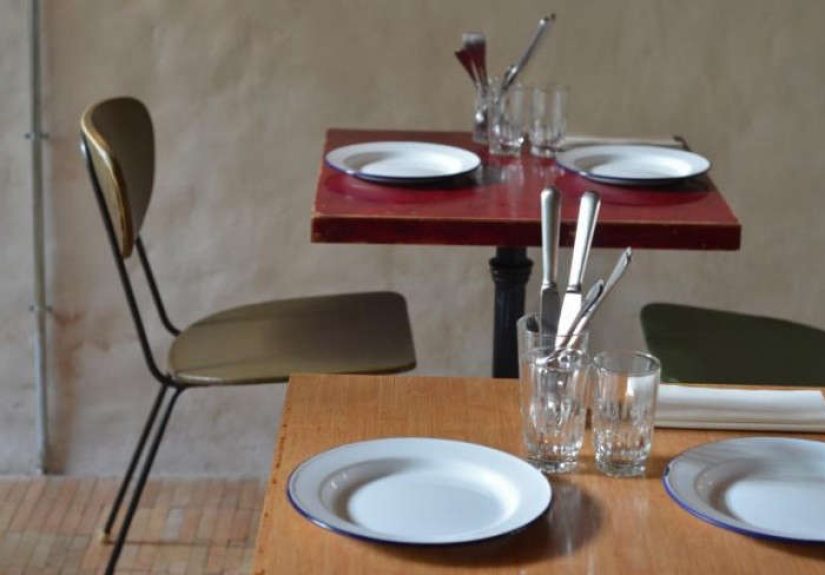
Set a small table with enamel plates, linen napkins, juice glasses, and a simple pitcher of flowers. The look is casual, bright, and inviting. It says, “We eat pancakes here,” which is one of the friendliest design statements a home can make.
The Minimal Kitchen
If your kitchen is clean-lined and modern, use enamelware sparingly. A single black-rimmed white tray on the counter, a stack of bowls on a floating shelf, or a dark enamel coffee pot can add contrast without disrupting the minimalist mood.
The Farmhouse Pantry
Use enamel canisters, bowls, and trays alongside glass jars and woven baskets. Label shelves neatly and let a few pieces show signs of age. The result feels useful, nostalgic, and grounded.
The Small Apartment
Enamelware is especially helpful in small spaces because it is lightweight and often stackable. A basin can store cleaning supplies under the sink. A tray can turn the top of a small cabinet into a bar station. Mugs can hang from hooks, freeing cabinet space while adding color.
Why Enamelware Feels Fresh Again
The renewed love for enamelware is part of a larger shift in home design. People want interiors that feel personal, flexible, and less disposable. Enamelware fits that mood. It is not precious, yet it is attractive. It suggests cooking, gathering, gardening, repairing, and reusing. It belongs to real life.
There is also something refreshing about a material that does not pretend to be something else. Enamelware is not fake marble, fake wood, or fake handmade anything. It is metal and enamel, simple and direct. In a world full of overly polished surfaces, that honesty feels good.
Personal Experience: Living With Enamelware Indoors
The first time I really noticed enamelware indoors, it was not in a catalog-perfect kitchen. It was in a small apartment where every inch had to earn its rent. The kitchen had one narrow counter, two open shelves, and a sink that looked like it had survived several generations of enthusiastic pasta nights. On the top shelf sat a stack of white enamel bowls with dark rims. Nothing about them was fancy, but they instantly made the kitchen feel deliberate.
That is the quiet power of enamelware. It can make an ordinary space feel edited without making it feel expensive. In my own experience, an enamel tray is the piece that earns its keep fastest. I have used one beside the stove for oils and spices, on a desk for notebooks and pens, near the door for keys, and on a dining table for candles. Every time, the tray did the same small miracle: it made random objects look like a composition.
Enamel mugs are another favorite. They are not always the most luxurious drinking vesselsceramic still wins when you want a slow, cozy cup of coffeebut enamel mugs are fantastic for holding things. One can hold teaspoons beside a coffee station. Another can hold plant markers, pencils, or paintbrushes. A small collection on wall hooks gives a kitchen personality without using counter space. If the mugs are mismatched but share a similar color family, even better. The look becomes relaxed rather than chaotic.
Large enamel basins are especially useful indoors. In a bathroom, a basin filled with rolled towels looks charming and practical. In a laundry area, it can hold clothespins, dryer balls, or stain-treatment supplies. In a living room, a shallow basin can hold magazines, remote controls, or a cozy pile of knitting. It gives storage a softer personality than a plastic bin and a more casual tone than a polished metal tray.
One lesson I have learned: enamelware looks best when it has a job. A purely decorative enamel piece can work, but the style feels more authentic when the object is doing something. A pitcher with branches, a tray with breakfast supplies, a bowl with fruit, a mug with brushesthese uses make the design feel alive. Enamelware is not meant to stand at attention. It wants to be picked up, moved around, washed, stacked, and used again.
Another lesson is to avoid forcing the vintage look. Enamelware pairs beautifully with modern pieces precisely because it creates contrast. A splatterware bowl on a sleek quartz counter can look fresher than the same bowl in an overly themed farmhouse kitchen. The goal is not to recreate the past. The goal is to borrow its best textures and let them support the way we live now.
Finally, enamelware teaches a useful design habit: appreciate small, durable things. Not every home upgrade has to be a renovation. Sometimes the thing that changes a room is a $30 tray, a stack of bowls, or a chipped old basin retired from food service and promoted to flower duty. Enamelware reminds us that charm does not always arrive through grand gestures. Sometimes it arrives wearing a blue rim and carrying lemons.
Conclusion
Design Sleuth: Enamelware Indoors is more than a nostalgic decorating idea. It is a practical approach to making interiors feel warmer, more layered, and more useful. Enamelware brings together durability, graphic style, vintage charm, and everyday function. It can organize a counter, brighten a shelf, soften a modern kitchen, or turn a bathroom sink into a small design moment.
The key is to use it with intention. Choose intact pieces for food. Save chipped vintage finds for storage or display. Mix enamelware with wood, linen, stone, glass, and greenery. Let it serve a purpose. When styled thoughtfully, enamelware indoors feels neither rustic cliché nor trendy gimmick. It feels like the best kind of home detail: useful, beautiful, and just imperfect enough to be interesting.
Note: This article is written for web publication and synthesizes real information about enamelware materials, history, care, safety, and interior design use cases without inserting source-link markup.