Table of Contents >> Show >> Hide
- The Short Answer: Probably Not in a Big, Reliable Way
- What Is Fenugreek, Anyway?
- Why People Think Fenugreek Might Help With Weight Loss
- What the Research Actually Shows
- Fenugreek Is Not the Same as a Healthy Weight Loss Plan
- Could Fenugreek Still Be Useful?
- What About Fenugreek Supplements?
- Side Effects and Safety Concerns
- Who Should Be Extra Careful?
- What Works Better Than Fenugreek for Weight Management?
- So, Does Fenugreek Work for Weight Loss?
- Real-World Experiences With Fenugreek and Weight Loss
- Conclusion
Fenugreek has one of those resumes that makes the internet swoon. It is a spice, an herb, a traditional remedy, a supplement, a tea, and, if you believe enough social media posts, practically a tiny seed-shaped life coach. Somewhere along the way, it also picked up a reputation as a weight loss helper. That naturally leads to the big question: does fenugreek actually work for weight loss, or is this another case of the supplement aisle writing checks the evidence cannot cash?
The honest answer is refreshingly unglamorous. Fenugreek may help with some parts of appetite control in certain people, mostly because it contains fiber and may slow digestion a bit. But when you zoom out and look at the bigger body of research, the case for meaningful weight loss is weak. In other words, fenugreek is not a scammy cartoon villain, but it is also not a magic shortcut. Your bathroom scale is not easily impressed.
The Short Answer: Probably Not in a Big, Reliable Way
If you are hoping fenugreek will melt body fat on its own, the science does not support that idea. A few small studies suggest fenugreek fiber or seed extract may increase fullness, reduce hunger, or slightly lower fat intake during meals. That sounds promising at first glance. But promising is not the same thing as proven. When researchers pooled multiple randomized controlled trials, fenugreek did not significantly change body weight or body mass index overall.
That means fenugreek may have a few interesting effects around the edges, but it has not shown the kind of dependable, meaningful weight loss result that would justify calling it an evidence-based fat loss solution.
What Is Fenugreek, Anyway?
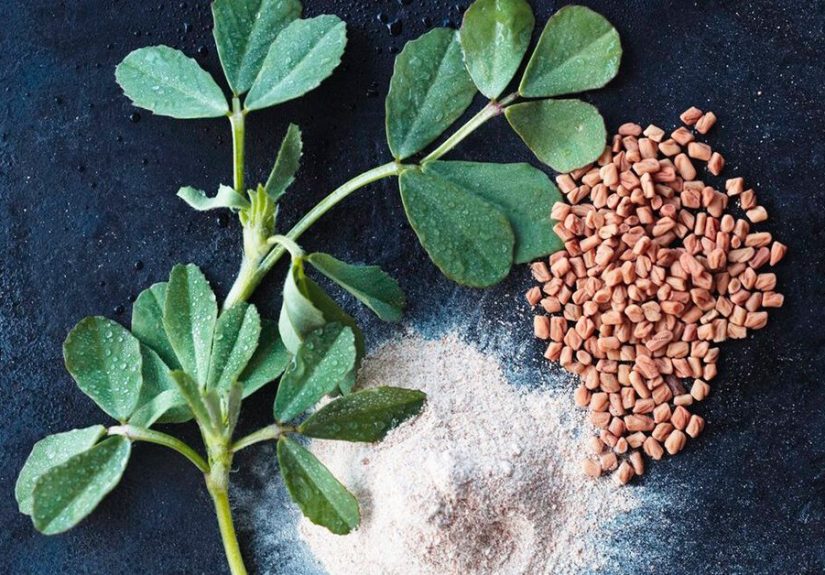
Fenugreek is a plant whose seeds and leaves are used in cooking and traditional medicine. The seeds have a slightly bitter, nutty flavor and a smell that many people compare to maple syrup. It shows up in Indian, Middle Eastern, and North African dishes, and it is also sold as capsules, powders, teas, and extracts in the supplement world.
Nutrition-wise, fenugreek is interesting because the seeds contain fiber and other plant compounds that researchers think may influence digestion, blood sugar handling, and appetite. That is the main reason weight loss conversations keep pulling fenugreek into the spotlight. Whenever a food has fiber, the wellness industry tends to show up with confetti and overconfidence.
Why People Think Fenugreek Might Help With Weight Loss
1. It may increase fullness
Fenugreek seeds contain fiber, and fiber can help you feel fuller for longer. Foods higher in fiber generally slow digestion, add bulk, and may make it easier to stay satisfied between meals. That is a real mechanism, and it is one reason high-fiber eating patterns are often linked with better weight management.
2. It may affect appetite in the short term
Some small studies found that fenugreek fiber increased feelings of satiety, meaning people felt more full. Others reported reduced spontaneous fat intake over a short period. Those findings are interesting, but they do not automatically translate into long-term body weight changes. Feeling a little less hungry at lunch is not the same as losing meaningful weight over months.
3. It may support blood sugar control in some people
Fenugreek has also been studied for possible effects on blood sugar. If a food or supplement helps some people avoid energy crashes and intense rebound hunger, that could theoretically support healthier eating patterns. But this is still an indirect argument for weight loss, not direct proof that fenugreek causes weight loss.
What the Research Actually Shows
Small studies: mildly interesting
Several small trials have looked at fenugreek’s effect on appetite, satiety, or food intake. In some of them, higher-fiber fenugreek preparations appeared to increase fullness or reduce fat consumption. These are the kinds of studies that often fuel headlines like “This common spice crushes cravings.” Headlines, of course, have bills to pay.
The problem is scale. Many of these studies involved small groups, short timelines, and very specific preparations. Some used isolated fiber. Some used extracts. Some used tea. Some involved healthy volunteers, while others involved people with overweight or obesity. That makes it hard to generalize the results to everyday real-life use.
Bigger-picture reviews: less exciting
Once researchers stepped back and looked at randomized controlled trials together, the effect on weight got much less impressive. A systematic review and meta-analysis found that fenugreek supplementation improved some lipid markers in adults, but it did not significantly change body weight or BMI. That is a pretty important reality check.
So, if someone asks, “Can fenugreek make me feel a bit fuller sometimes?” the fair answer may be yes. But if they ask, “Will fenugreek help me lose a meaningful amount of weight?” the answer is closer to not reliably.
Fenugreek Is Not the Same as a Healthy Weight Loss Plan
This is where a lot of supplement talk goes sideways. People often confuse a potentially useful ingredient with a complete strategy. Even if fenugreek slightly improves satiety in some situations, that does not replace the boring but effective basics that actually move the needle over time:
- Eating enough fiber from everyday foods
- Including protein at meals
- Getting enough sleep
- Moving your body consistently
- Managing stress eating
- Building meals you can stick with without feeling punished
Those habits are less glamorous than a capsule with a shiny label, but they tend to work better in the real world. The truth is rude that way.
Could Fenugreek Still Be Useful?
Possibly, but mostly as a supporting player rather than a headliner.
If you enjoy fenugreek in food, that is a perfectly reasonable way to use it. Adding herbs and spices can make healthy meals more satisfying, and foods that taste good are easier to stick with. If fenugreek helps you enjoy lentils, vegetables, soups, yogurt-based sauces, or bean dishes more often, that may indirectly support healthier eating patterns.
But that is a very different claim from saying fenugreek itself causes weight loss. Think of it this way: a well-used spice can make a smart meal better, but it cannot rescue a plan that is otherwise chaotic, extreme, or unsustainable.
What About Fenugreek Supplements?
This is where caution matters. Supplement forms of fenugreek are more concentrated than the amounts you would normally use in cooking. That changes the risk-benefit equation. A sprinkle in a curry is one thing. A daily capsule with a dramatic marketing promise is another.
Fenugreek supplements are often promoted for appetite control, blood sugar support, cholesterol, milk supply, testosterone, digestion, and general wellness. The trouble is that the evidence is not strong enough to confidently recommend most of those uses, especially for weight loss.
And remember: dietary supplements are not approved by the FDA to treat or prevent disease. Quality can vary, product labels may oversell benefits, and “natural” does not automatically mean harmless.
Side Effects and Safety Concerns
Fenugreek is not necessarily dangerous when used as a food ingredient, but supplements can cause side effects and interactions. Reported issues include:
- Diarrhea
- Gas and abdominal discomfort
- Nausea or indigestion
- Low blood sugar, especially when combined with diabetes medications
- Allergic reactions in some people
- Increased bleeding risk in people using blood thinners
Some experts also recommend avoiding supplement doses of fenugreek during pregnancy. People with hormone-sensitive conditions, those preparing for surgery, or anyone taking prescription medications should be especially careful. If your current medication list looks like a pharmacy receipt, adding an herb without asking a clinician first is not a great plot twist.
Who Should Be Extra Careful?
Fenugreek may not be a good idea in supplement form if you:
- Are pregnant
- Take medication for diabetes
- Use blood thinners
- Have a history of severe allergies, especially to legumes
- Have a hormone-sensitive condition
- Are about to undergo surgery
If any of those apply to you, fenugreek should move from “interesting wellness trend” to “ask a qualified healthcare professional first.”
What Works Better Than Fenugreek for Weight Management?
If your goal is a healthier body weight, there are better-supported approaches than relying on fenugreek supplements.
Build higher-fiber meals
Instead of chasing fiber through one trendy herb, get it from foods that also bring volume and nutrients: beans, oats, fruit, vegetables, seeds, and whole grains. These tend to do more for fullness than a supplement habit ever could.
Anchor meals with protein
Protein helps with satiety and can make meals more satisfying. Eggs, Greek yogurt, tofu, fish, chicken, beans, and cottage cheese all pull more weight than most supplement labels.
Sleep like it matters
Because it does. Poor sleep can increase appetite and make cravings hit harder. No herb is stronger than chronic sleep deprivation.
Stop chasing “perfect” and aim for repeatable
The best eating plan is not the one that sounds most heroic on Monday morning. It is the one you can still do on Wednesday night when you are tired, hungry, and one minor inconvenience away from ordering fries the size of a pillow.
So, Does Fenugreek Work for Weight Loss?
Not in the way most people hope.
Fenugreek may slightly improve fullness or influence food intake in the short term for some people, especially in fiber-rich forms. But current evidence does not show that it reliably causes meaningful weight loss. It is better understood as a potentially useful culinary ingredient with a few interesting metabolic effects, not as a proven fat-loss supplement.
If you like the flavor, use it in food. If you are thinking about taking it as a supplement for weight loss, lower your expectations and raise your caution. A healthy routine built on fiber-rich foods, enough protein, sleep, movement, and consistency will likely do far more than fenugreek ever will.
Real-World Experiences With Fenugreek and Weight Loss
People’s experiences with fenugreek tend to fall into a few familiar categories, and that is worth talking about because real life rarely looks like a clinical trial. First, there are people who add fenugreek to meals and feel absolutely nothing dramatic. No sudden appetite shutdown, no instant “clean eating” transformation, and sadly, no mysterious jeans miracle. What they usually notice instead is flavor. Fenugreek can make soups, stews, curries, legumes, and savory breakfasts more satisfying, and sometimes that alone helps people feel more content with balanced meals.
Then there are people who try fenugreek tea or supplements because they want help with cravings. Some say they feel a little fuller, especially if they are using a fiber-rich preparation or pairing it with a meal that is already nutritious. In these cases, fenugreek may act more like a nudge than a game changer. It does not erase hunger, but it may make it easier to avoid the “I am starving, therefore cookies are now a food group” moment.
Another common experience is disappointment. That sounds harsh, but it is honest. A lot of supplement marketing makes fenugreek sound like a fat-burning secret the rest of the world somehow missed. So when someone takes it for a few weeks and the scale barely notices, they feel like they failed. They did not fail. The marketing probably did. Most people do not need more guilt. They need more realistic expectations.
There is also a group of people who stop using fenugreek because of side effects. Digestive complaints are a big one. Gas, bloating, loose stools, and stomach discomfort are not exactly the glamorous wellness outcome anyone had in mind. Some people also dislike the taste or the odd sweet body odor that can happen with fenugreek use. It is difficult to feel like a radiant health influencer when you are wondering why you smell faintly like breakfast syrup.
And finally, some people come away from the experience with a more balanced view: fenugreek is not useless, but it is not a miracle. It may fit into a healthy eating pattern for some individuals, especially if they enjoy it in food. It may even help a bit with meal satisfaction or appetite for certain people. But the most successful long-term stories usually are not about fenugreek itself. They are about the bigger picture: more whole foods, more fiber, more sleep, fewer all-or-nothing habits, and a routine that feels doable in real life.
That is probably the most helpful “experience” lesson of all. When something works, it usually works because it supports sustainable habits, not because it performs nutrition magic in the background like a tiny herbal superhero wearing a cape.
Conclusion
Fenugreek is an interesting herb with some plausible mechanisms and a few encouraging short-term findings, especially around fullness and eating behavior. But based on the current evidence, it is not a proven weight loss solution. The smartest use of fenugreek is as part of flavorful, balanced eating, not as a stand-alone shortcut.
If you are considering fenugreek supplements, especially for weight loss, it is wise to talk with a healthcare professional first. That is particularly important if you take medications, have a medical condition, or are pregnant. When it comes to sustainable weight management, the fundamentals still outperform the fads.