Table of Contents >> Show >> Hide
- Why This Story Resonated With So Many People
- Food Allergy vs. Food Intolerance: Not The Same Thing
- How Allergic Reactions Happen At A Friend’s House
- Why Teens Sometimes Take Risks They Shouldn’t
- Who Actually Failed Here?
- What Should Happen The Moment A Reaction Starts?
- How To Host Someone With Food Allergies Without Becoming The Villain Of The Potluck
- How Teens Can Protect Themselves At Friends’ Houses
- The Bigger Lesson Behind The Headline
- Experiences Related To This Topic That Sound Uncomfortably Familiar
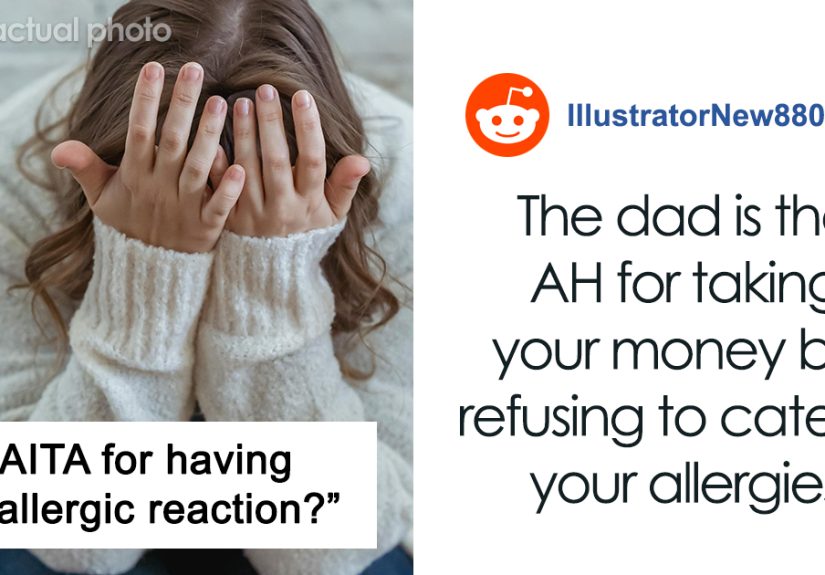
There are awkward dinners, and then there are really awkward dinners—the kind where a teenager has an allergic reaction, the adults respond badly, and the evening ends with the emotional warmth of a damp paper towel. That is why this headline hit such a nerve online. On the surface, it sounds like one uncomfortable social moment. In reality, it opens the door to a much bigger conversation about food allergies, teen anxiety, hospitality, safety, and the very strange habit some people have of treating a medical issue like a personal insult.
The basic lesson is simple: a food allergy is not rudeness, drama, pickiness, or an attack on someone’s cooking. It is a health condition. When a teen eats something unsafe at a friend’s house and then gets blamed for reacting, the real problem is not just the ingredient on the plate. It is the entire setup around the meal—the silence, the pressure, the assumptions, and the lack of a plan when something goes wrong.
So let’s break this down properly. Because behind a viral headline like this one is a reality that families, teens, schools, and hosts deal with every day: food allergies can turn an ordinary meal into an emergency, and social pressure can make smart people do deeply unwise things with casseroles.
Why This Story Resonated With So Many People
Plenty of readers saw more than one problem in the scenario. Yes, the allergic reaction itself was alarming. But what really bothered people was the blame. Instead of responding with concern, the adults in the story reportedly acted as if the teen had caused inconvenience rather than experienced a medical event. That reaction felt familiar to many people with allergies, especially teenagers, who often describe being dismissed, doubted, or told they are making a big deal out of nothing.
That social pressure matters. Teens are especially vulnerable to it because they are trying to fit in, avoid embarrassment, and keep the peace. They may choose silence over safety. They may eat something risky because they do not want to seem difficult. They may tell themselves, “It’ll probably be fine,” which is the culinary version of crossing your fingers while juggling lit candles.
And when adults around them respond with annoyance instead of support, that teaches exactly the wrong lesson: keep quiet, make yourself smaller, and protect everyone else’s comfort before your own health. That is not hospitality. That is a social failure wearing an apron.
Food Allergy vs. Food Intolerance: Not The Same Thing
One reason these situations get messy so quickly is that many people still confuse a true food allergy with a food intolerance. They are not the same, and mixing them up can lead to dangerous assumptions.
A food allergy involves the immune system
With a food allergy, the body treats a specific food protein like a threat. Even a small amount can trigger symptoms. Those symptoms may include hives, swelling, vomiting, stomach pain, coughing, wheezing, dizziness, or throat tightness. In severe cases, the reaction can become anaphylaxis, which is a medical emergency.
A food intolerance is different
A food intolerance usually does not involve the immune system in the same way. It may cause digestive misery, bloating, cramping, or discomfort, but it does not typically carry the same immediate life-threatening risk as an allergic reaction. Both are real. Both deserve respect. But only one of them can turn a dinner table into a race for emergency treatment.
This matters because people often say things like, “Oh, I’m allergic to onions too,” when what they really mean is, “Onions and I have beef.” That casual language makes it easier for others to underestimate true allergies. And underestimating true allergies is how you end up blaming the wrong person after the wrong bite.
How Allergic Reactions Happen At A Friend’s House
Most people imagine allergic reactions happen because someone knowingly eats the exact food they are allergic to. Sometimes that is true. But often the danger is much sneakier.
Hidden ingredients are everywhere
Allergens can hide in sauces, spice blends, marinades, baked goods, dressings, candy, oils, and desserts. Sesame can show up where people do not expect it. Peanut or tree nut ingredients may be tucked into sweets, sauces, or toppings. Dairy and egg can appear in breads, glazes, and side dishes. Soy and wheat can ride into dinner disguised as “just a little seasoning.”
Cross-contact is the quiet troublemaker
Even if the unsafe ingredient is not intentionally in the meal, cross-contact can still happen. That means an allergen gets transferred from one food or cooking surface to another. The same knife, spoon, cutting board, pan, baking sheet, fryer oil, or countertop can create a problem. A dish can look perfectly safe and still carry enough of an allergen to trigger a reaction.
This is one reason home meals can feel risky for people with allergies. A host may genuinely mean well but still say something like, “There are no nuts in it,” while stirring with the same spoon used in the nut-filled dessert five minutes earlier. Good intentions are lovely. They are not a substitute for allergy-safe kitchen practices.
Why Teens Sometimes Take Risks They Shouldn’t
This is the part adults often miss. When teens make a risky choice around food, it is not always because they are careless. Sometimes they are managing a pile of invisible pressures at once.
They may be embarrassed to ask questions in front of friends. They may worry they will look ungrateful. They may not want to offend a parent who cooked. They may already be anxious, food insecure, conflict-avoidant, or used to putting other people’s feelings first. They may have been dismissed before and expect a bad reaction if they speak up.
That is why this headline feels bigger than one meal. For many teens, the danger is not just the allergen. It is the moment before the allergen—the pause when they have to decide whether to advocate for themselves or stay quiet and hope for the best. If the room makes honesty feel unsafe, bad decisions become much more likely.
And no, that does not mean the teen has zero responsibility. People with allergies do need to learn how to ask questions, read labels, carry medication, and avoid unsafe food. But adults have responsibilities too. If a grown-up creates an environment where a teen feels shamed for speaking up, the adult does not get to act shocked when silence leads to trouble.
Who Actually Failed Here?
In a situation like this, the tempting internet move is to assign one villain and move on. Real life is messier. Still, some failures are clearer than others.
The teen’s mistake
If a teen knowingly eats food that may contain an allergen, that is unsafe. It should not be brushed off. Self-advocacy matters. So does carrying emergency medication if prescribed. Safety cannot rely on vibes, optimism, or the old classic: “Maybe just this once.”
The adults’ bigger mistake
That said, the adults hold the greater burden here. Adults set the tone. Adults decide whether a question about ingredients is welcomed or treated like an insult. Adults decide whether allergy concerns are met with care or attitude. Adults should know that if a young guest reacts to food, the correct response is concern, not blame.
If the response to a reaction is, “Don’t eat here again,” that reveals a lot. It reveals defensiveness, ignorance, and a misunderstanding of what being a safe host actually means. A decent host does not need to become a board-certified allergist in twenty seconds. But a decent host does need to understand that the priority is the person, not the pride.
What Should Happen The Moment A Reaction Starts?
This is where facts matter more than feelings.
Know the warning signs
Symptoms can include hives, itching, swelling of the lips or face, coughing, wheezing, trouble breathing, throat tightness, vomiting, stomach pain, dizziness, or faintness. Some reactions start mild and then escalate quickly. That is why “Let’s just wait and see” is not a serious emergency strategy. It is gambling in a dining room.
Use the action plan, not guesswork
If the person has a prescribed epinephrine auto-injector and the reaction is severe or progressing, that is the medication people are taught to use. Then emergency services should be contacted. Antihistamines may help with some symptoms, but they are not the first-line rescue treatment for anaphylaxis. In other words, this is not the time to hand someone water, squint thoughtfully, and become a part-time philosopher.
It is also important that a child or teen not be sent off alone to “go sit down” or “walk to the nurse.” Someone needs to stay with them, act quickly, and follow the medical plan.
How To Host Someone With Food Allergies Without Becoming The Villain Of The Potluck
Hosting someone with food allergies is not impossible. It just requires respect, communication, and a willingness to accept that your famous sauce may need a fact-check.
Ask before the meal
Do not wait until everyone is seated and hungry. Ask in advance what the allergy is, how severe it is, whether cross-contact is a concern, and whether the guest prefers to bring their own safe food. That last option is not rude. It is often the safest path, and mature hosts understand that.
Keep packaging and ingredient lists
If you cook for someone with allergies, save the labels. Do not guess. Do not say, “I think it’s fine.” “Think” is doing very shaky work in that sentence.
Be careful in the kitchen
Wash utensils, boards, pans, and surfaces. Use clean tools. Keep safe food separate. Prepare allergy-safe dishes first when possible. Do not brush off cross-contact as being overly cautious. For allergy families, this is not a quirk. It is the difference between dinner and disaster.
Never guilt-trip the guest
If someone declines a dish, believe them. Do not say, “Just try a little.” Do not say, “It would hurt my feelings.” Do not act as if your lasagna is a sacred object that must be honored with a medical risk. A safe guest is more important than a compliment.
How Teens Can Protect Themselves At Friends’ Houses
Teenagers deserve practical advice, not just lectures. Here is the real-world version.
Ask what is in the food before you eat it. If the answer is vague, that is your answer. Bring a safe snack or backup meal. Carry your prescribed emergency medication every time, even on the quick hangout that is supposedly only going to last twenty minutes and somehow turns into dinner. Tell at least one friend where your medication is and what to do in an emergency. If you feel pressured to eat something unsafe, step away, text a parent, or say no plainly. Yes, it may feel awkward. So does the emergency room.
Most importantly, stop treating self-protection like bad manners. It is not rude to ask questions. It is not rude to bring your own food. It is not rude to say, “I can’t eat that safely.” The people worth keeping in your life will prefer your honesty over a crisis.
The Bigger Lesson Behind The Headline
What makes this story so memorable is not just the allergic reaction. It is the emotional twist afterward. The teen was not simply dealing with symptoms. The teen was also dealing with blame, shame, and social fallout. That combination can stick with a person for years.
And that is the real takeaway. A food allergy event is never just about food. It is also about whether the people in the room understand care, trust, and responsibility. A supportive friend asks, “Are you okay?” A supportive parent says, “Tell me what you need.” A supportive host says, “Let’s make sure you’re safe.” The wrong response is acting like an allergic reaction is somehow a bad Yelp review of your kitchen.
If this headline teaches anything, it should be this: nobody should have to choose between staying safe and staying socially acceptable. That is too much to ask of anyone, especially a teenager. Good friendships and good hosting make room for health needs. They do not punish them.
Experiences Related To This Topic That Sound Uncomfortably Familiar
Stories like this resonate because they mirror experiences many families and teens quietly recognize. One common version goes like this: a teen is invited over, everyone is eating together, and the food looks harmless enough. The teen asks once about the ingredients, gets a vague answer, notices people are already digging in, and decides not to ask again. A little voice says, Don’t make it weird. So they take a few bites. Ten minutes later, they are itchy, nauseated, anxious, or suddenly scared by symptoms they hoped would not happen. The worst part is not always the reaction itself. Sometimes it is the shame afterward, especially if someone says, “Why did you eat it then?” as if social pressure does not exist.
Another familiar experience involves adults who mean well but do not understand the seriousness of cross-contact. A parent may proudly prepare a “safe” dish while using the same cutting board, serving spoon, fryer oil, or countertop used for the allergen earlier. When the allergic person hesitates, the adult feels rejected and doubles down: “There’s none of that ingredient in here.” But from the allergic person’s perspective, the issue was never just the ingredient list. It was the whole kitchen environment. That misunderstanding creates friction fast, especially when the host thinks caution equals criticism.
Then there is the teen who learns to over-manage everything because nobody else takes it seriously. They read labels like a detective studying a ransom note. They bring backup snacks everywhere. They check menus ahead of time. They keep wipes, medication, and a mental exit plan on hand. To outsiders, that can look dramatic. To the person living it, it is simply the price of participating in normal life without rolling the dice. What hurts is when friends treat those habits like quirks instead of survival skills.
Some people also relate to the emotional side more than the medical side. They remember being the kid who did not want to offend anyone, the teen who hated asking for special treatment, or the young person who got labeled difficult for stating a boundary. Food allergies can make social situations feel loaded. A pizza party, birthday dinner, sleepover, or holiday gathering becomes less about fun and more about risk assessment. That mental math is exhausting, especially when the people around you do not notice it happening.
And yet, there are better experiences too. There is the friend who texts ingredients ahead of time without making a big show of it. The parent who says, “Bring whatever helps you feel safe.” The classmate who knows where the epinephrine is. The host who keeps labels, cleans surfaces, and never acts offended when someone declines a dish. Those experiences matter because they prove allergy safety is not impossible, high-maintenance, or joyless. It is just thoughtful. When people handle food allergies with calm respect, everyone can relax a little more—and that is what a shared meal is supposed to do in the first place.