Table of Contents >> Show >> Hide
- Way #1: Rule Out Medical Causes (Because Pain Makes Perfectly Polite Cats Break the Rules)
- Way #2: Fix the Litter Box Setup (Because Cats Are Tiny Bathroom Critics)
- The “Cat-Approved Bathroom” Checklist
- 1) Provide enough boxes (yes, it’s math)
- 2) Put boxes where your cat actually wants to go
- 3) Size matters: bigger is usually better
- 4) Make entry easyespecially for seniors
- 5) Choose litter like you’re choosing a mattress (preference is real)
- 6) Cleanliness: scoop like it’s your part-time job
- A “Litter Box Reset” You Can Do This Weekend
- Way #3: Break the Habit (Clean Like a Pro, Reduce Stress, and Retrain the Routine)
- 1) Clean with enzyme power, not “hope and vibes”
- 2) Make the old pee spot “not a bathroom” anymore
- 3) Reduce stress triggers (your cat is not being “bad,” they’re being “over-threshold”)
- 4) If it’s spraying/marking, address the “message,” not just the mess
- 5) Retrain gently: make the right choice easy
- Experience-Based Lessons: What Cat Parents Say Actually Worked (and Why)
- Conclusion
If your cat has started peeing on the floor, congratulations: you’ve been chosen for an advanced course in
Feline Bathroom Politics 401. The tuition is paid in paper towels, and the final exam is always on a rug you like.
But here’s the good newsmost “floor pee” situations are solvable when you stop treating it like a mystery and start
treating it like a clue.
Cats don’t usually pee on the floor out of spite. They’re not plotting revenge because you bought the “salmon”
flavor they “clearly” wanted instead of “wild-caught glacier salmon kissed by moonlight.” More often, it’s one of
three big buckets: medical discomfort, litter box problems, or stress/marking.
The trick is to fix the right bucketbecause yelling at a cat for peeing outside the litter box is like yelling at a smoke alarm for being loud.
Below are three practical, vet-approved, sanity-saving ways to stop a cat from peeing on the floorwritten for real homes,
real schedules, and real humans who would like their living room to stop smelling like “eau de regret.”
Way #1: Rule Out Medical Causes (Because Pain Makes Perfectly Polite Cats Break the Rules)
Before you buy a new litter, a new box, a new diffuser, and a new personality, start here:
any sudden change in urination can be medical. Cats are masters at hiding pain, and “peeing on the floor”
can be the only billboard they can afford.
Step 1: Figure out what kind of “pee problem” you’re dealing with
-
Big puddle on the floor (horizontal surface): often looks like regular urination outside the litter box
(sometimes called “house soiling” or “inappropriate elimination”). -
Small amounts on a wall, furniture, doorframe (vertical surface): more consistent with spraying/marking.
Marking and toileting can overlap, but posture and location matter. - Frequent tiny pees, straining, crying, or blood: treat as urgentespecially in male cats, where blockage can become life-threatening.
Step 2: Know the medical “usual suspects”
These are common medical issues that can trigger peeing outside the litter box:
- Feline lower urinary tract disease (FLUTD), including inflammation and urinary discomfort
- Urinary tract infection (UTI) (less common in young cats, more common in seniors)
- Bladder stones/crystals causing pain or urgency
- Kidney disease or diabetes causing increased thirst and urination
- Arthritis or mobility pain making it hard to climb into a high-sided box
- Constipation (yes, poop problems can affect pee habits and litter box trust)
Step 3: What a vet visit typically looks like
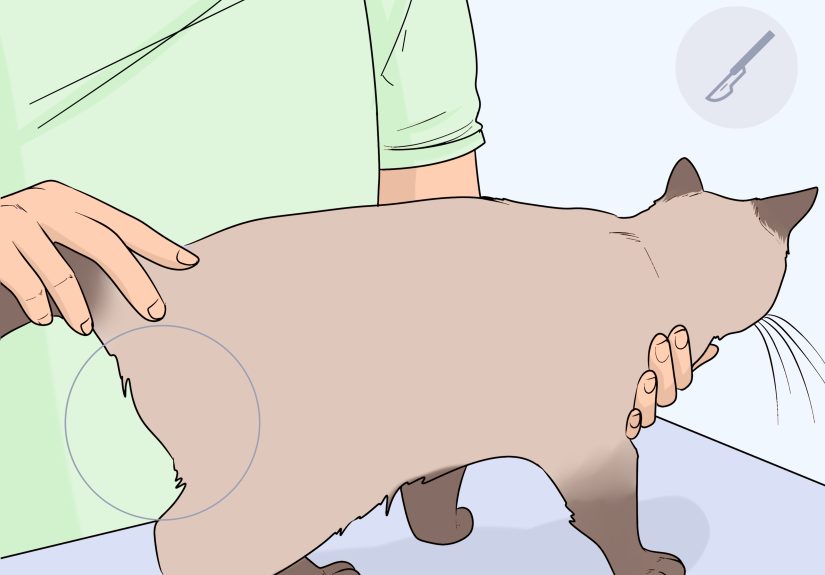
A good exam usually includes a history (what changed at home?), a physical exam, and often a urinalysis.
Your vet may also recommend urine culture, bloodwork, or imaging depending on symptoms and age. This is not about being dramatic
it’s about avoiding weeks of trial-and-error while your cat is still uncomfortable.
Step 4: Don’t punishmanage the mess and gather clues
While you’re scheduling the appointment, do two things:
- Clean accidents thoroughly (we’ll get deep into that in Way #3) so you don’t create a “repeat customer” spot.
-
Track patterns: time of day, location, amount, posture, stressors, and whether the litter box is still being used sometimes.
This info is gold for your vet and helps you choose the right solution.
If your cat checks out medically, greatyou just eliminated the biggest and most time-sensitive bucket.
Now you can focus on the two buckets that cats care about most: bathroom quality and emotional vibes.
Way #2: Fix the Litter Box Setup (Because Cats Are Tiny Bathroom Critics)
If a litter box were a public restroom, many cats would leave a one-star review and write, “Would not pee here again.”
The good news? Most litter box issues improve with a few targeted upgrades.
The “Cat-Approved Bathroom” Checklist
1) Provide enough boxes (yes, it’s math)
A classic guideline is: one litter box per cat, plus one extra. Place them in more than one location,
especially in multi-cat homes. Think of it like bathrooms in a houseno one wants to wait in line with a full bladder,
and some roommates absolutely should not share a single stall.
2) Put boxes where your cat actually wants to go
Cats prefer litter boxes that are:
- Quiet (not next to a roaring washer, barking dog, or the home gym you use twice a year)
- Accessible (no obstacle courses, no steep basement stairs for an older cat)
- Not trapped (avoid tight corners where another cat can ambush them)
- Separated from food and water (most cats don’t love a “dinner-and-a-bathroom” combo)
3) Size matters: bigger is usually better
Many cats dislike cramped boxes. A larger box gives them room to turn around, dig, and choose a comfortable stance.
If your cat is tall, hefty, or simply dramatic, upgrade to a roomy storage bin-style box (with smooth edges and safe entry).
4) Make entry easyespecially for seniors
If your cat has arthritis or mobility pain, a high-sided litter box can feel like asking them to do parkour while needing to pee.
Consider a lower entry box or a cut-out entry that still keeps litter mostly inside.
5) Choose litter like you’re choosing a mattress (preference is real)
Many cats prefer unscented litter with a sand-like feel. Some cats dislike heavily perfumed litter,
strong deodorizers, or sudden brand changes. If your cat started peeing on the floor after a litter switch, that’s not a coincidence
it’s a customer complaint.
A practical method is a preference test:
set up two identical boxes side by side with different litters (unscented clumping vs. non-clumping, for example)
and see what your cat chooses over a week. Let your cat vote with their feet (and ideally, in the box).
6) Cleanliness: scoop like it’s your part-time job
Most cats prefer a clean box. Scoop at least once daily (twice is even better in multi-cat homes), and do a full dump-and-wash regularly.
Use mild soap and water; skip harsh smells. Also, replace old boxes that are scratched or permanently stinkyplastic holds odors over time.
A “Litter Box Reset” You Can Do This Weekend
- Add one extra box (even if you think you “don’t have room”cats also think that about their problems, and look how that’s going).
- Use unscented litter in at least one box (keep the other box as your current litter for a gradual transition).
- Scoop daily and refresh litter depth to a comfortable level (not a dust storm, not a bare floor).
- Relocate strategically: if accidents happen in one area, consider placing a box closer to that spot temporarily.
- Reduce traffic and conflict: ensure each cat can access a box without being cornered.
If you do nothing else, improving the litter box setup solves a surprising number of “cat peeing on the floor” cases.
But if your cat has already created a favorite pee locationor stress is the real fuelyou’ll need Way #3 to finish the job.
Way #3: Break the Habit (Clean Like a Pro, Reduce Stress, and Retrain the Routine)
Once a cat has peed somewhere, that location can become “the bathroom” in their mindespecially if any scent remains.
Your job is to (1) erase the scent memory, (2) make the floor spot unattractive, and (3) make the litter box the best option again.
1) Clean with enzyme power, not “hope and vibes”
Regular cleaners can remove surface stains, but cats have a chemical nose that basically says,
“Cute effort, human. I can still smell my business from three Tuesdays ago.”
Use an enzymatic cleaner designed for pet urine. Follow the directions, and don’t rush the soak time.
- Avoid ammonia-based cleaners because the smell can resemble urine and may draw your cat back to the same spot.
- Find hidden spots with a UV/blacklight if accidents are happening more than you’re seeing.
- Clean beyond the visible puddle, especially on carpet padding or along baseboards.
2) Make the old pee spot “not a bathroom” anymore
Cats like easy habits. So change the environment:
- Block access temporarily (closed doors, baby gates, furniture, plastic carpet runner nubs-uptastefully, of course).
- Change the texture: cover the spot with foil, a different rug, or a mat cats dislike standing on.
- Turn the spot into a “life zone”: place food bowls, a water fountain, toys, or a bed there. Many cats avoid peeing where they eat or sleep.
3) Reduce stress triggers (your cat is not being “bad,” they’re being “over-threshold”)
Stress is a huge driver of inappropriate eliminationespecially in sensitive cats or multi-cat homes.
Common triggers include moving, new pets, new people, schedule changes, construction noise, and inter-cat tension.
Practical stress-lowering upgrades:
- Resource spread: multiple litter boxes, multiple feeding stations, multiple water sources, multiple resting spots.
- Vertical territory: cat trees, shelves, window perchesso your cat can escape stress without peeing a complaint letter.
- Predictable routine: regular meals and playtime help anxious cats feel secure.
- Daily interactive play: short sessions that end with a snack can reduce anxiety and redirect nervous energy.
- Pheromone support: synthetic pheromone diffusers or sprays can help some cats, especially when stress or marking is involved.
4) If it’s spraying/marking, address the “message,” not just the mess
Spraying is often territorial or social communication. Helpful steps can include:
- Spay/neuter (especially for intact cats, where hormones can intensify marking behavior).
- Reduce visual triggers (block outdoor cat sightlines with window film if your cat “argues” with neighborhood cats).
- Support calm (environmental enrichment, pheromones, andwhen neededvet-guided behavior meds or supplements).
5) Retrain gently: make the right choice easy
Retraining works best when the litter box becomes the easiest, safest, cleanest option. A few tactics:
- Place a box near the accident zone temporarily, then move it slowly (inches per day) once your cat uses it reliably.
- Reward quietly: if your cat uses the box, offer a treat or praiseno marching band required.
- Don’t chase or scold: it increases fear and can make litter box use feel risky.
Way #3 is where most long-term success happens: you’re not just stopping a behavioryou’re rebuilding your cat’s confidence that the litter box
is a safe, predictable, comfortable bathroom again.
Experience-Based Lessons: What Cat Parents Say Actually Worked (and Why)
The internet is full of advice, but real homes have real complicationslike “my cat only pees on the floor on Tuesdays” or
“he uses the litter box perfectly… unless a guest breathes too loudly.” Here are patterns cat parents commonly share,
and how the three solutions above play out in the wild.
Story #1: The Move That Turned a Cat Into a Floor-Pee Poet
A classic scenario: you move, and your previously perfect litter box angel starts peeing by the front door.
Not because they hate your new placebecause their whole world map got redrawn overnight.
Cats are territorial in the “this is my safe zone” way, not the “pay rent or get out” way.
The fix usually isn’t one magical productit’s restoring predictability.
Cat parents often report success when they do a “reset room” for a week:
one quiet room with food, water, a cozy bed, and a clean litter box (or two). The cat relearns,
“This is my base. This is my bathroom.” Then you expand territory gradually.
Add a pheromone diffuser if your cat is the anxious type, and keep boxes easy to find
(not hidden in a scary echoing laundry cave).
Story #2: The New Cat Who “Didn’t Do Anything” (Except Silently Bully)
Multi-cat homes can be tricky because feline conflict isn’t always a WWE match.
Sometimes it’s a stare, a blocked hallway, or a subtle body-check at the litter box doorway.
The peeing cat is often the one who feels trappednot the one you suspect.
The best “I can’t believe this worked” change cat parents mention is simple:
more resources in more places. More boxes, more exits, more feeding stations,
more resting spots, more vertical space. If you add one box in a different area and accidents drop,
that’s not a coincidenceit’s a safety upgrade.
Sometimes separating the cats temporarily and reintroducing slowly helps, too.
Story #3: The Senior Cat Who Loved the Litter Box… Until It Hurt
Older cats often start peeing on the floor near (not inside) the litter box. This can look like “spite,”
but it’s frequently mobility or discomfort. Imagine needing a bathroom and finding only a tall bathtub with no steps.
Cats don’t write complaint emails; they write puddles.
Cat parents commonly see improvement with a lower-entry box, a larger box, and a softer, unscented litter.
A vet check matters here because arthritis and kidney issues are common as cats age.
Once pain is addressed, the “behavior problem” sometimes disappears like it was never there.
Story #4: The Laundry Basket Incident (AKA “We Accidentally Trained This”)
Some cats develop a preference for certain textureslike laundry piles, bathmats, or carpet corners.
It’s not personal; it’s sensory. Cat parents often fix this by removing the tempting texture for a while,
cleaning thoroughly with enzymes, and offering a litter that matches the preferred feel.
If your cat likes soft surfaces, try a finer-grain litter or an additional box with a different substrateunder vet guidance.
The big theme across these stories is comforting: most cats aren’t “being bad.”
They’re navigating pain, preference, stress, or habit. When you solve the cause,
the floor-peeing usually fadesand your cat goes back to their main hobby: sleeping in sunbeams like a tiny landlord.
Conclusion
To stop a cat from peeing on the floor, you don’t need a hundred random tricksyou need the right three moves:
(1) rule out medical issues, (2) upgrade the litter box experience, and
(3) clean and reset the environment while reducing stress. Start with health, because pain changes behavior.
Then make the litter box easy, clean, and cat-approved. Finally, erase odor cues and rebuild a calm routine so your cat
chooses the box because it’s genuinely the best bathroom in the house.