Table of Contents >> Show >> Hide
- What Is Greens Powder?
- How Greens Powder Is Supposed to Help
- Potential Benefits of Greens Powder
- What Greens Powder Cannot Do
- Downsides and Risks to Know About
- How to Choose a Greens Powder Wisely
- Who Might Benefit Most From Greens Powder?
- How to Use Greens Powder Without Fooling Yourself
- Frequently Asked Questions About Greens Powder
- Real-World Experiences With Greens Powder
- The Bottom Line
If you have ever stared at a tub of bright green powder and wondered whether it is a nutritional shortcut or just lawn clippings with a marketing budget, you are not alone. Greens powder has become one of the most talked-about supplements in the wellness world. It promises convenience, nutrients, and sometimes a near-miraculous glow that sounds suspiciously like a skincare ad written by a spinach leaf.
But what exactly is greens powder? Is it actually useful? Can it replace vegetables? And why does every label sound like it was written by someone trying to win a game of health-related bingo?
Here is the grounded answer: greens powders can be helpful for some people, but they are not a magic fix, a detox miracle, or a free pass to ghost your vegetables. The smartest way to think about them is as a supplement, not a substitute. That single word does a lot of heavy lifting.
What Is Greens Powder?
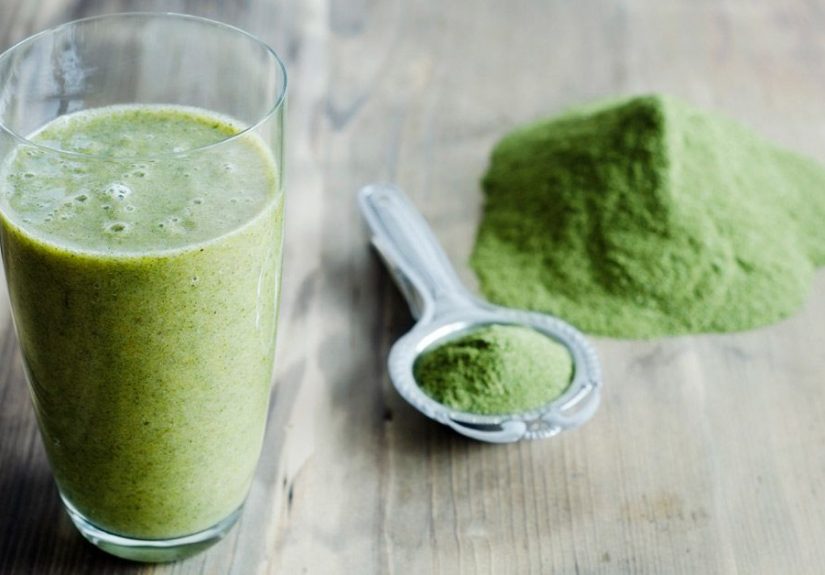
Greens powder is a dietary supplement made from dried, powdered plant ingredients. Most formulas include leafy greens such as spinach, kale, wheatgrass, barley grass, or alfalfa. Many also add ingredients like spirulina, chlorella, broccoli, beetroot, herbs, fruit powders, digestive enzymes, probiotics, prebiotics, and extra vitamins or minerals.
In plain English, greens powder is an attempt to pack a bunch of plant-based ingredients into a scoop you can stir into water, a smoothie, yogurt, or oatmeal. Some products are simple. Others read like a farmer’s market, supplement store, and science fair had a very energetic group project.
Common Ingredients Found in Greens Powders
- Leafy greens such as kale, spinach, and parsley
- Grasses such as wheatgrass and barley grass
- Algae such as spirulina and chlorella
- Vegetable powders such as broccoli, beet, cabbage, and celery
- Fruit powders such as blueberry, apple, or acai
- Extras such as probiotics, prebiotics, enzymes, adaptogens, and green tea extract
That last category matters. The benefits of greens powder often depend less on the fact that it is green and more on what else is packed into the formula. One scoop may be mostly vegetables. Another may lean heavily on caffeine-containing extracts, sweeteners, or trendy ingredients with limited evidence.
How Greens Powder Is Supposed to Help
The sales pitch is easy to understand. Many adults do not eat enough vegetables and fruit. A scoop of greens powder looks like a tidy solution for a messy real-life problem: busy schedules, travel, picky eating, limited cooking time, and a general tendency to choose convenience over produce when the day gets chaotic.
Greens powders are marketed as a way to boost nutrient intake, support gut health, strengthen immune function, increase energy, and fill dietary gaps. Some formulas may genuinely help with a few of those goals, especially when they contain meaningful amounts of vitamins, minerals, probiotics, or fortified nutrients.
Still, there is a difference between helping and replacing. Greens powder can help support a diet. It cannot become the entire diet unless your long-term goal is to disappoint your digestive system.
Potential Benefits of Greens Powder
1. Convenience That People Will Actually Use
The biggest benefit of greens powder is not glamour. It is convenience. A product does not have to be perfect to be useful. For people who travel often, skip meals, work unpredictable hours, or struggle to keep fresh produce around, a shelf-stable powder can be a practical backup plan.
If the alternative is getting no produce at all on a hectic day, then a greens powder may be better than nothing. Convenience is not a small thing. In nutrition, the best habit is often the one you can repeat on your worst Tuesday.
2. A Nutrient Top-Off, Not a Nutritional Crown Jewel
Some greens powders provide vitamins and minerals such as vitamin A, vitamin C, calcium, potassium, or folate. Depending on the product, they may also include antioxidants and phytonutrients from plant ingredients. That can make them a decent “top-off” option for someone whose diet is inconsistent.
But a top-off is not the same as a replacement. Think of greens powder as nutritional patchwork, not a complete renovation.
3. Possible Gut Health Support
If a product contains probiotics or prebiotics, it may support gut health for some users. That does not mean every greens powder magically improves digestion. It means certain formulas may help, especially if they contain ingredients that feed or add beneficial bacteria.
That said, whole foods still bring major gut benefits through fiber, texture, volume, and plant diversity. Your microbiome is not just asking for green dust. It likes an actual menu.
4. Energy, Sometimes, but Read the Fine Print
Some people say greens powder gives them more energy. Sometimes that is because they started taking a supplement and also improved their routine. Sometimes it is because the formula contains green tea extract or other stimulants. And sometimes it is simply because they replaced a sugar-heavy breakfast with something more balanced.
So yes, greens powder may feel energizing. But the reason may be caffeine, improved habits, or better consistency, not mystical chlorophyll wizardry.
5. A Useful Bridge for Veggie Avoiders
Not everyone loves vegetables. Some people tolerate broccoli the way other people tolerate airport delays: with strained politeness and visible resentment. For picky eaters or people easing into healthier habits, greens powder can serve as a bridge. It may help them start thinking about nutrition, then gradually build toward a better overall diet.
What Greens Powder Cannot Do
It Cannot Replace Whole Fruits and Vegetables
This is the most important truth in the entire conversation. Whole vegetables and fruits are still the gold standard. They bring fiber, water, texture, satiety, and a broad mix of beneficial compounds that work together in ways a supplement cannot fully replicate.
Many greens powders are relatively low in fiber compared with real produce. That matters because fiber helps with fullness, gut health, cholesterol management, and blood sugar control. A scoop in water does not behave the same way in the body as a plate filled with vegetables, beans, fruit, nuts, and whole grains.
In other words, greens powder is not vegetables in witness protection. It is a separate product with a separate role.
It Cannot Legally Cure or Prevent Disease
If a greens powder label sounds like it wants to personally defeat every illness known to humankind by next Thursday, that is your cue to step back. Dietary supplements are not meant to diagnose, treat, cure, or prevent disease. Claims that sound too dramatic usually are.
It Is Not a Detox Miracle
The word detox is one of the most overworked employees in modern wellness marketing. Your body already has a detox team: your liver, kidneys, digestive tract, lungs, and skin. A greens powder may support overall nutrition, but it is not a magical mop for every questionable weekend choice.
If a product promises to erase poor sleep, a low-quality diet, stress, and three nights of takeout with one scoop, it is overselling. Politely. In a green font.
Downsides and Risks to Know About
1. Quality Varies Wildly
Not all greens powders are created equal. Some are thoughtfully formulated and third-party tested. Others are mostly branding, flavoring, and wishful thinking. Labels may use proprietary blends that make it hard to tell how much of each ingredient you are actually getting.
That matters because dose matters. “Contains spinach” is not the same as “contains a meaningful amount of spinach.” A dusting of kale is still a dusting.
2. Ingredient Lists Can Get Messy
The more ingredients a product has, the more chances there are for something you do not want. That could include stimulants, sweeteners, herbs that interact with medications, or extras that upset your stomach. Some people do great with greens powder. Others get bloating, nausea, or a digestive revolt strong enough to become the main event of the day.
3. Medication Interactions Are Real
Some greens powders are high in vitamin K, which can be a serious issue for people taking warfarin or other medications that interact with vitamin K intake. That does not automatically make the product dangerous, but it does mean you should not treat it like harmless fairy dust.
If you take prescription medications, especially blood thinners, or have a medical condition, review the product with your healthcare professional before using it regularly.
4. Pregnancy and Breastfeeding Require Extra Caution
If you are pregnant or breastfeeding, it is wise to be especially careful with greens powders. Research on many supplement blends during pregnancy and lactation is limited, and formulas may contain herbs or concentrated compounds that are not ideal.
5. The Cost Adds Up
Some greens powders are expensive enough to make a bunch of actual vegetables look like a bargain from another century. Before buying a premium powder, compare the monthly cost with what that same amount of money could buy in frozen spinach, berries, carrots, beans, yogurt, oats, and salad greens.
Whole foods usually win that argument pretty quickly.
How to Choose a Greens Powder Wisely
Look for Third-Party Testing
One of the best ways to separate decent products from flashy tub theater is third-party testing. Seals or verification from recognized organizations can help show that the product contains what the label says and has been screened for certain contaminants.
Read the Supplement Facts Panel
Do not shop based on the front label alone. Turn the container around and read the Supplement Facts panel and ingredient list. Look for serving size, nutrients per serving, caffeine, added sugars, sweeteners, and whether the formula hides behind a proprietary blend.
Watch the Hype Level
If the marketing sounds like a comic book origin story for your immune system, be skeptical. A good greens powder should sound helpful, not supernatural.
Consider Your Actual Diet
If you already eat a varied, produce-rich diet, greens powder may be unnecessary. If your diet is inconsistent, produce intake is low, or travel keeps wrecking your routine, a greens powder might make more sense as a backup.
Start Small
When trying a new formula, start with a smaller amount to see how your stomach responds. A “full scoop and a dream” strategy is not always the most elegant opening move.
Who Might Benefit Most From Greens Powder?
- Busy adults who struggle to eat enough vegetables regularly
- Frequent travelers who need a portable nutrition backup
- Picky eaters who want a stepping stone toward better habits
- People who want a simple way to add certain nutrients to a low-produce routine
- Those who enjoy smoothies and can easily build the habit into breakfast
Even for these groups, greens powder works best when it complements an improved diet. It should sit beside real food, not push it off the plate.
How to Use Greens Powder Without Fooling Yourself
The healthiest way to use greens powder is boring in the best possible way: as one small part of a bigger pattern. Mix it into water, add it to a smoothie, or stir it into yogurt, but keep eating actual vegetables, fruit, beans, nuts, seeds, and whole grains.
Better yet, pair it with real food. A smoothie with greens powder, frozen berries, Greek yogurt, chia seeds, and a banana makes much more sense than a scoop of powder chased by a pastry and a prayer.
Also, remember that variety matters. If your diet revolves around the same few foods, a supplement cannot fully solve that. The goal is not merely to consume “green things.” The goal is a diverse, balanced eating pattern you can maintain.
Frequently Asked Questions About Greens Powder
Can greens powder help with weight loss?
Not directly in any magical way. It may support a healthier routine if it helps you build better breakfast habits or increase your intake of nutrient-dense foods. But greens powder alone is not a weight-loss shortcut.
Can it replace a multivitamin?
Sometimes a formula contains many vitamins and minerals, but greens powders vary too much to assume they are interchangeable with a multivitamin. Read the label carefully.
Is greens powder safe every day?
For many healthy adults, daily use may be fine, depending on the product and the rest of the diet. But “daily” is not the same as “universal.” Medication use, pregnancy, medical conditions, and ingredient sensitivity all matter.
What is the best time to take it?
There is no magic hour. The best time is the time you will actually remember. If the formula contains caffeine, earlier in the day usually makes more sense.
Real-World Experiences With Greens Powder
Note: The experiences below are composite examples based on common real-life patterns people report when using greens powder. They are not meant to replace medical advice or guarantee identical results.
One common experience comes from busy professionals who mean well but eat like their calendar is in charge. They buy a greens powder because breakfast has turned into coffee, lunch is a moving target, and vegetables seem to appear only when guilt becomes powerful enough. For this group, greens powder often works best as a routine anchor. They stir it into a morning smoothie, feel slightly more organized, and use that tiny win to build better habits around it. The powder does not transform their health overnight, but it nudges them toward consistency. That is not glamorous, but it is real.
Another common story involves frequent travelers. Hotel breakfasts are not always famous for their vegetable section, and airport food can make “balanced eating” feel like a historical concept. For these users, greens powder acts as a backup plan. It helps them feel less nutritionally adrift during chaotic travel weeks. Many say they like the portability, the shelf life, and the sense that they are at least doing something decent for themselves between delayed flights and mystery sandwiches.
Then there are the skeptical users, the ones who buy a tub after seeing it for the seventy-fifth time online and thinking, “Fine, impress me.” Their experience is often mixed. Some notice they feel more on track because taking the powder reminds them to drink more water, eat breakfast, and stop pretending one granola bar counts as lunch. Others discover that the taste is aggressively botanical, like a meadow with opinions, and they only manage it when blended with fruit. In those cases, the success of greens powder depends less on nutritional theory and more on whether the person can tolerate the flavor long enough to build a habit.
Some gym-goers and health-minded users report liking greens powder as part of a broader routine, not because they believe it is magic, but because it is convenient. They already eat fairly well, so the powder becomes more of an insurance policy than a rescue operation. These users tend to be the most realistic about it. They do not expect it to replace vegetables, fix poor sleep, or cancel out a weak diet. They use it because it fits neatly into a system that already includes protein, produce, hydration, and regular meals.
On the other hand, some people learn quickly that greens powder is not for them. Sensitive stomachs may react poorly to certain blends, especially those packed with probiotics, fibers, sweeteners, or herbal ingredients. Others feel no noticeable difference and decide their money is better spent on actual food. That is a valid outcome, too. A supplement does not earn a permanent spot in your routine just because the label is attractive and the scoop looks productive.
The most useful lesson from these experiences is simple: greens powder tends to work best when expectations are reasonable. People who treat it like a support tool are usually happier with it than people who expect a miracle. It is a backup singer, not the lead vocalist. Helpful, practical, occasionally impressive, but definitely not the whole show.
The Bottom Line
Greens powder can be a convenient way to add certain nutrients to your routine, especially if your vegetable intake is inconsistent. Some formulas may support gut health, offer vitamins and antioxidants, and make it easier to stay on track during busy weeks. That is the good news.
The more important news is that greens powder is still a supplement. It is not a replacement for whole fruits and vegetables, not a legal disease cure, and not a magical detox broom for a chaotic lifestyle. Whole foods remain the foundation of a healthy diet because they deliver fiber, fullness, variety, and a richer nutritional package than a scoop alone can offer.
If you want to try greens powder, do it with open eyes. Read the label. Look for third-party testing. Watch for caffeine, sweeteners, herbs, and vitamin K if medications are involved. Use it as a helpful backup, not a nutritional costume change.
The smartest view is also the least dramatic: greens powder may be useful, but real food still wears the crown.