Table of Contents >> Show >> Hide
If the old-school formal living room was the home’s “look but don’t touch” zone, lounge living is its cooler, softer, much more likable cousin. This is the room that says, “Come in, put your phone down, and stay a while.” It is less about staging a perfect photo and more about creating a space that feels good at 8 a.m. with coffee, 3 p.m. with a laptop, and 10 p.m. with a blanket, a movie, and an aggressively large bowl of popcorn.
That’s what makes lounge living one of the most interesting home ideas right now. It blends comfort with intention. It borrows the ease of a boutique hotel lounge, the warmth of a favorite reading nook, and the practicality of a real family room. In other words, it is stylish without acting like it is too stylish to be sat on. A miracle.
At its best, lounge living is not about buying a dozen trendy pieces and hoping the room magically becomes cozy. It is about building an atmosphere. Think lower, deeper seating. Warmer colors. Softer lighting. More texture. Fewer fussy rules. A better layout. And, maybe most important of all, a room that reflects the people who actually live there rather than some imaginary couple who never spill coffee or leave a book open face-down.
What Lounge Living Really Means
Lounge living is a design mood, but it is also a lifestyle shift. Today’s living room is no longer just a place for occasional guests and decorative pillows no one is allowed to touch. It has become a multiuse zone for reading, streaming, chatting, working, snacking, napping, and pretending to meditate while actually thinking about dinner. That means comfort matters more than ever, but so does flexibility.
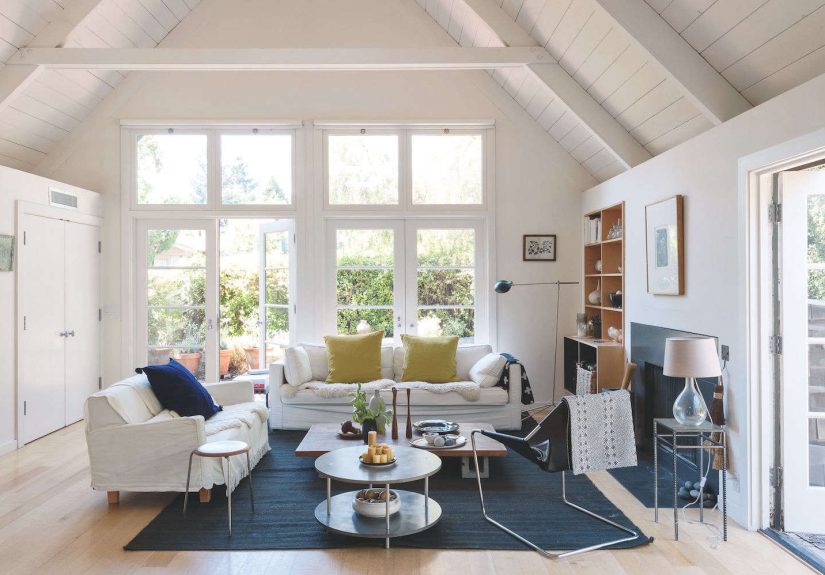
The look itself leans relaxed and elevated at the same time. You will often see deep or low-profile sofas, rounded edges, layered textiles, rich earth tones, darker woods, oversized ottomans, personal objects, and lighting placed at several levels instead of relying on one lonely ceiling fixture. The room feels curated, but it does not feel uptight. It feels collected. It feels settled. It feels like a room that knows what it is doing.
That blend of ease and design confidence is exactly why lounge living resonates. People want rooms that support real life, not rooms that make real life feel like an interruption.
Why Everyone Is Craving a Softer Living Room
1. Home has become a recovery space
After years of busy schedules, screens everywhere, and homes doing double duty, many people now want their living rooms to function like a deep exhale. That does not mean boring. It means restorative. A lounge-style room reduces visual noise, softens hard edges, and gives your body a clear message: relax, unclench your jaw, and maybe stop checking email for five minutes.
2. Comfort is getting smarter
Comfort used to mean one of two things: overstuffed furniture that swallowed the room or sterile minimalism that looked fabulous and felt like a punishment. Lounge living lands in the sweet spot between the two. The furniture is comfortable, yes, but it also has shape, scale, and a point of view. A curved sofa, a modular sectional, a soft lounge chair, or an oversized ottoman can make a space feel welcoming without turning it into a beanbag convention.
3. People want rooms with personality
The showroom look is losing steam. More homeowners want spaces that feel layered and personal, with books, vintage finds, meaningful art, mixed materials, and details that show life has happened here. Lounge living embraces that. It likes a room with soul. It likes texture that looks touched. It likes a coffee table book that someone has actually read.
The Key Ingredients of Lounge Living
Start with low, generous seating
If lounge living had an official mascot, it would probably be a low-profile sofa with deep cushions and the confidence of a movie star. Lower seating instantly changes a room’s mood. It feels grounded, relaxed, and slightly more architectural. It also makes the space appear airier because there is more open room above the furniture line.
Sectionals work beautifully here, especially modular styles that can be reconfigured as your life changes. But a full sectional is not the only answer. Two sofas facing each other create a classic conversation layout. In smaller spaces, a pair of chairs can work better than one bulky couch. Curved sofas, armless settees, and daybed-style pieces also fit the lounge mood because they encourage lingering rather than perching.
Use lighting like a mood-setting adult
Nothing kills a lounge vibe faster than a harsh overhead light blasting down like an interrogation lamp. Good lounge living depends on layered lighting: ambient light for the whole room, task lighting for reading or working, and accent lighting to add glow and depth. A floor lamp by a chair, a small lamp on a sideboard, sconces near built-ins, and a warm table lamp on a console can completely shift the energy of the room.
Warm bulbs make a major difference too. The goal is not cave darkness, but a softer, richer atmosphere that flatters wood, textiles, skin tones, and the general spirit of humanity. Dimmer switches help. Rechargeable lamps help. Candlelight helps, provided you remember it exists before leaving the room.
Choose colors that feel grounded
Lounge living is not married to one color palette, but it definitely has preferences. Warmer neutrals, soft browns, caramel, cocoa, olive, terracotta, muted gold, and deep blues all work beautifully because they create depth without shouting. Even when the room includes bolder hues, the overall effect should feel wrapped, not scattered.
Color drenching can be especially effective in a lounge-style space. Painting walls, trim, and sometimes even the ceiling in related tones creates a cocoon effect that feels intimate and polished. If that sounds too dramatic, try warming up the room with textiles instead: rust velvet pillows, a camel throw, an olive chair, or drapery in a soft mushroom tone.
Bring in texture like it is your job
Texture is where lounge living really earns its paycheck. A lounge room should feel interesting even before you add a single bright color. Layer a wool rug over natural fiber. Mix linen, bouclé, velvet, leather, wood, stone, and metal. Add curtains that soften the walls. Bring in pillows with different weaves. Use a chunky throw. Choose a coffee table with a tactile finish. If the room feels flat, it usually does not need more stuff. It needs more contrast in texture.
Texture also helps a room feel collected over time, which is a big part of the appeal. The goal is not matchy-matchy perfection. It is depth. Slightly imperfect depth, preferably.
Don’t ignore wood tones and natural materials
Darker woods and more tactile materials are helping lounge living feel warmer and less generic. Walnut finishes, stained oak, stone surfaces, plaster-like walls, woven shades, cane details, and organic fabrics all add visual weight. They make a room feel established. Even one darker wood piece, like a cocktail table or media console, can anchor a space that otherwise feels too pale or floaty.
Natural materials also age well, which is important in a room designed for actual use. Lounge living is not about preserving everything in pristine condition. It is about choosing pieces that get better, or at least more interesting, with time.
How to Get the Look Without Starting From Scratch
Rework the layout first
Before you buy anything, look at the floor plan. Lounge living depends heavily on how people move through the room and where conversation naturally happens. If all the seating points at one wall and the room feels like a waiting area, shift it. Float the sofa away from the wall if possible. Face seating toward each other. Create a zone around a rug. Pull chairs closer. Add an ottoman that can act as a coffee table, footrest, and extra seat in one shot.
Many rooms improve dramatically with less distance between furniture pieces. Cozy is not the same as crowded. It simply means people do not have to yell across the coffee table like they are on opposite sides of a small lake.
Make one piece do more work
A lounge-style room loves functional beauty. A daybed can become a reading zone. A bench under a window can create a lounging nook. A game table adds analog fun. A large upholstered ottoman can replace a hard-edged coffee table and instantly make the room more relaxed. A console behind the sofa can quietly support lamps, books, and drinks while defining the layout.
Pick fabrics that can survive real life
There is no prize for owning a sofa you are afraid to sit on. Performance fabrics, forgiving textures, slipcovers, and durable upholstery all make lounge living more practical. That matters if you have kids, pets, guests, or simply the radical habit of living in your living room. Choose materials that invite use rather than anxiety. The vibe should be “sit here,” not “please admire from a respectful distance.”
Add personal objects with intention
The fastest way to make a lounge feel generic is to decorate it like a catalog spread and stop there. Personal items are what make the room land emotionally. Stack books you actually love. Hang art that reflects your taste instead of your fear of blank walls. Display objects from travel, family pieces, vintage finds, ceramics, framed photos, or even a weird flea market lamp you adored on sight. Character is part of comfort.
Common Mistakes That Ruin the Lounge Effect
Too much furniture: A lounge should feel inviting, not like an obstacle course. Edit bulky pieces and leave breathing room.
Only overhead lighting: This is the fastest route to “conference room with a sofa.” Add multiple light sources at different heights.
A rug that is too small: If the rug looks like it floated in by accident, the room will never feel anchored. Go bigger.
No visual contrast: A room full of beige can still feel cold if every surface is the same texture and tone. Use wood, metal, textiles, and shape to build depth.
Style without use: If every surface is too precious and every seat is too formal, it is not lounge living. It is a museum gift shop with better upholstery.
Why This Trend Has Staying Power
Some design trends burn hot and vanish fast. Lounge living feels different because it responds to how people genuinely want to live now. It is not based on one color, one sofa shape, or one influencer-approved aesthetic. It is based on comfort, flexibility, personality, and atmosphere. Those needs are not going anywhere.
That is why the best lounge-style rooms do not look copied. They look adapted. One home might lean warm minimalist with dark wood and sculptural seating. Another might go layered and eclectic with vintage chairs, patterned pillows, and a moody rug. A third might be coastal, quiet, and full of pale linen and soft light. The common thread is the feeling: grounded, welcoming, lived-in, and easy to sink into.
In a world that often feels loud, lounge living makes a powerful argument for softness. Not blandness. Not laziness. Softness with intention. A room that lets you gather, sprawl, read, snack, host, and recharge in style is not just a current obsession. It is a pretty smart design strategy.
The Experience of Lounge Living in Real Life
What makes lounge living so irresistible is not just how it looks in photos. It is how it changes the feeling of daily life. Walk into a true lounge-style room and the atmosphere shifts immediately. The lighting is lower and warmer. The seating looks like it wants to know how your day went. The rug softens your step. The room is not yelling for attention, but it is definitely whispering, “Cancel one thing and sit down.”
On a quiet Saturday morning, lounge living feels almost cinematic. Sunlight hits the side of a low sofa. A throw is still folded over the arm from the night before. There is a mug on the coffee table, a half-read book nearby, and maybe a record playing in the background if you are feeling particularly main-character about it. The room supports slow living without trying too hard. It is polished enough to feel special, but relaxed enough that no one panics if someone puts their feet up.
It also works beautifully during the in-between moments of the day. Maybe you sit in the lounge chair for ten minutes before work instead of doom-scrolling in the kitchen. Maybe the oversized ottoman becomes the unofficial gathering point for a board game, a snack spread, or a laptop and notebook during a creative brainstorm. Maybe your kids build a fort between the sectional and the side chair, and somehow the room still looks charming instead of defeated. That is the magic: the room flexes with you.
Lounge living especially shines when people come over. Guests do not hover awkwardly because the seating arrangement actually encourages conversation. The lighting makes everyone look better, which is never a bad hosting move. There are enough surfaces for drinks, enough softness to make people linger, and enough personality in the room to give it warmth. It feels less like entertaining in a staged space and more like welcoming people into a home that has a pulse.
Then there are the personal rituals the room quietly improves. Watching a movie feels better when the lighting is dimmed and the sofa is deep enough to sink into. Reading feels easier when there is a lamp exactly where you need it and a chair that supports your back instead of testing your commitment to literature. Even folding laundry becomes slightly less annoying when you can do it in a room that feels calm, textured, and comfortable. Slightly less annoying is still a design win.
Perhaps the best part is emotional. A good lounge room lowers the temperature of the day. It gives your mind fewer hard edges to bump into. It helps the home feel more human. That is why so many people are drawn to it now. Lounge living is not just a decorating preference. It is a way of saying that comfort, beauty, and everyday ease are allowed to exist in the same room. Frankly, they should have been roommates all along.
Conclusion
Current obsessions come and go, but lounge living deserves the hype. It captures what so many people want from home right now: a living room that is beautiful, functional, personal, and genuinely comfortable. The best version is not the most expensive one. It is the one that feels easy to inhabit. Start with a better layout, warmer lighting, richer texture, and seating that invites actual lounging. The rest follows naturally.