Table of Contents >> Show >> Hide
- Why hair loss can happen after weight loss
- Main causes of hair loss after weight loss
- Who is most at risk?
- What hair loss after weight loss usually looks like
- How doctors evaluate the problem
- How to prevent hair loss while losing weight
- What to do if your hair is already shedding
- When to seek medical help
- Bottom line
- Experiences related to hair loss after weight loss
- SEO Tags
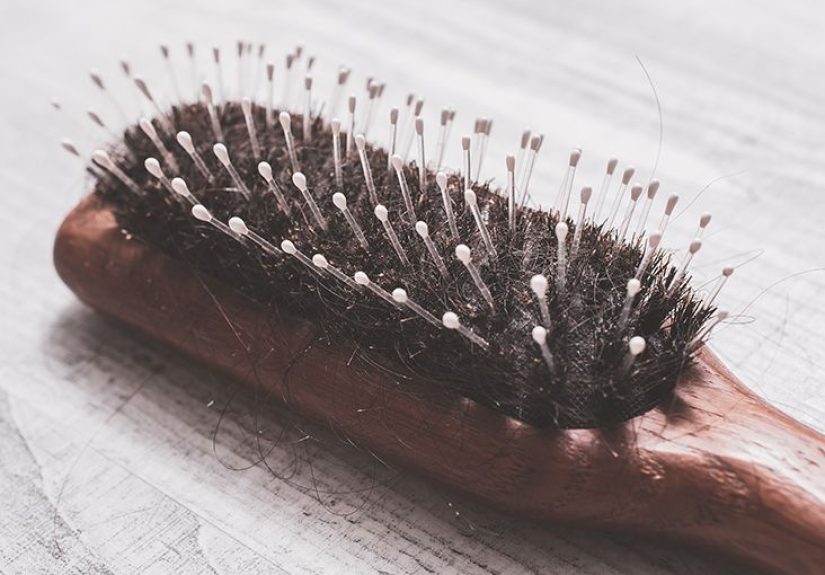
You finally did it. The scale moved, your clothes fit better, and your mirror started acting like your publicist. Then your hairbrush staged a protest.
If that sounds rude, unfair, and deeply annoying, welcome to one of the least glamorous side effects of major weight loss: increased hair shedding. The good news is that hair loss after weight loss is often temporary. The less-good news is that your body does not care that you had a beach trip planned.
In many cases, hair shedding after weight loss happens because your body sees rapid weight change as a stress event. Hair follicles, which are surprisingly dramatic little structures, can shift out of their active growth phase and into a resting phase. A few months later, more strands fall out than usual. This process is often called telogen effluvium, and it is one of the most common explanations for diffuse shedding after dieting, illness, surgery, or other major physical stress.
But that is not the whole story. Hair loss after weight loss can also be linked to low protein intake, iron deficiency, zinc deficiency, vitamin shortfalls, hormonal shifts, thyroid problems, stress, or the nutritional challenges that can follow bariatric surgery. In other words, sometimes the issue is not the weight loss itself. It is how fast it happened, how you got there, and whether your body had enough fuel to keep normal hair growth going.
This guide breaks down the most common causes of hair loss after weight loss, who is most at risk, what warning signs to watch for, and how to prevent extra shedding while still working toward healthy weight goals.
Why hair loss can happen after weight loss
Hair grows in cycles. At any given time, most hairs are actively growing, while a smaller percentage are resting and preparing to shed. When your body goes through a major stressor, more follicles can be pushed into that resting stage early. Then, usually a few months later, you notice extra hair on your pillow, in the shower drain, on your sweater, and somehow also in your coffee.
That delayed timing is what makes post-weight-loss hair shedding confusing. You may think, “But my diet started months ago. Why is this happening now?” Because hair has excellent plot timing.
In classic telogen effluvium, shedding tends to be diffuse. That means it happens all over the scalp rather than in one clearly defined bald spot. Your part may look wider, your ponytail may feel smaller, and you may see more strands than usual when washing or brushing. It can look alarming, but it does not typically cause complete baldness.
Main causes of hair loss after weight loss
1. Rapid weight loss
The faster the weight loss, the more likely your body is to treat it like a stress signal. Crash diets, very low-calorie eating plans, repeated fasting without adequate nutrition, and aggressive weight-loss phases can all disrupt the normal hair cycle.
Your body has a priority list, and perfect hair volume is not near the top when it thinks resources are limited. During rapid weight loss, it focuses on keeping essential functions running. Hair growth may get temporarily downgraded from “important” to “nice try.”
2. Not eating enough protein
Hair is made mostly of keratin, a protein. If your overall protein intake drops too low, your body has fewer building blocks for healthy hair production. This matters with restrictive diets, appetite loss, meal skipping, and weight-loss medications that make eating much less appealing.
People often focus on calories alone when trying to lose weight. The problem is that a lower-calorie plan that is also low in protein can increase the risk of muscle loss, fatigue, and hair shedding. If your weight is dropping but your meals are built mostly around coffee, crackers, and wishful thinking, your hair may file a formal complaint.
3. Iron deficiency
Iron deficiency hair loss is a common concern, especially in women, people with heavy periods, those who eat little red meat, and anyone who has trouble absorbing nutrients. Low iron can affect oxygen delivery and interfere with normal hair cycling.
You do not need to diagnose yourself based on one dramatic shower. But if hair loss is happening along with fatigue, weakness, shortness of breath, brittle nails, headaches, or feeling unusually cold, iron deficiency deserves attention.
4. Low zinc, folate, vitamin B12, or vitamin D
Several micronutrients play supporting roles in healthy hair growth. Nutrient deficiency hair loss can become more likely when weight loss comes from very restrictive eating, poor diet quality, absorption problems, or bariatric surgery.
Zinc and iron tend to get the spotlight, but folate, vitamin B12, and vitamin D may also matter in the bigger picture. The key idea is simple: when the body is underfed or undernourished, hair often reflects it.
5. Bariatric surgery
Hair loss after bariatric surgery is very common, especially in the first several months after the procedure. There are two big reasons. First, surgery itself is a major physical stressor that can trigger telogen effluvium. Second, nutrient intake and nutrient absorption may change significantly after surgery.
Protein, iron, thiamine, vitamin B12, folate, vitamin D, zinc, and other nutrients may need careful monitoring after weight-loss surgery. This is one reason bariatric patients are usually given long-term supplement plans and follow-up lab work. Skipping those check-ins is like ignoring the oil light in your car and hoping the engine enjoys surprises.
6. Weight-loss medications and reduced intake
Some people notice more shedding after starting GLP-1 medications or other anti-obesity treatments. Experts are still studying exactly why. In many cases, the likely drivers are the rapid weight loss itself, lower food intake, and gaps in protein and micronutrients rather than a simple one-step medication effect.
That means prevention often comes back to basics: slow down when possible, protect your protein intake, stay hydrated, and work with a clinician if your appetite becomes so low that balanced eating becomes difficult.
7. Stress, hormones, and other overlapping triggers
Weight loss does not happen in a vacuum. People may be dieting while also dealing with emotional stress, illness, medication changes, surgery, sleep problems, or hormonal shifts. Thyroid disease, anemia, and inherited pattern hair loss can also overlap with weight-loss-related shedding.
So while “I lost weight and now my hair is shedding” can be a neat timeline, the real answer is sometimes a pileup of several stressors at once.
Who is most at risk?
The risk of hair thinning after weight loss tends to be higher if you:
- Lose a large amount of weight quickly
- Follow a very low-calorie or highly restrictive diet
- Struggle to eat enough protein
- Have bariatric surgery
- Use weight-loss medication and end up eating far less than planned
- Already have low iron stores or another nutrient deficiency
- Have thyroid disease, anemia, or hormonal imbalance
- Are under high physical or emotional stress
- Have a family history of pattern hair loss that may become more visible during shedding
Having one of these risk factors does not guarantee hair loss. It just raises the odds that your follicles may get a little dramatic during the process.
What hair loss after weight loss usually looks like
Typical telogen effluvium after weight loss often has a few familiar features:
- Shedding starts weeks to months after the weight-loss trigger
- Hair falls from all over the scalp, not just one patch
- You see more hair in the shower, sink, brush, or on clothes
- Your hair may feel less dense overall
- The scalp usually looks normal, without major redness or scarring
That said, not every kind of hair loss fits this pattern. If you have round bald spots, broken hairs, heavy flaking, pain, itching, a receding hairline, or thinning that keeps worsening without pause, something else may be going on.
How doctors evaluate the problem
If shedding is significant or persistent, a clinician or dermatologist will usually start with the timeline. When did the weight loss begin? How fast did it happen? Was there surgery, illness, medication change, severe stress, or a major diet shift?
A medical evaluation may include a scalp exam and, depending on your history, blood tests to look for issues such as iron deficiency, anemia, thyroid disease, vitamin B12 deficiency, vitamin D deficiency, and other nutritional concerns. The goal is not just to label the hair loss. It is to identify the actual trigger.
This matters because treatment is not one-size-fits-all. Fixing a low-protein diet is different from correcting iron deficiency. Addressing temporary shedding is different from diagnosing inherited pattern hair loss that happened to show up at the same time.
How to prevent hair loss while losing weight
Lose weight gradually when possible
Slow, steady progress is not just kinder to your mood. It is often kinder to your hair. Rapid loss tends to place more stress on the body, so a more moderate pace may reduce the chance of noticeable shedding.
Prioritize protein at every meal
If you are trying to protect your hair during weight loss, protein deserves VIP treatment. Include a quality source at each meal, such as eggs, Greek yogurt, fish, poultry, tofu, beans, lentils, cottage cheese, or another protein-rich option that fits your eating plan.
This is especially important if you are using appetite-suppressing medication or recovering from bariatric surgery, because it becomes easier to eat too little without realizing it.
Do not let “healthy” become “nutritionally tiny”
A salad can be wonderful. A plain salad every day with almost no protein, fat, or iron-rich foods is basically decorative suffering. Weight loss should reduce excess calories, not strip your diet of essential nutrients.
Build meals around nutrient density. Think lean protein, beans, dairy or fortified alternatives, leafy greens, fruit, nuts, seeds, and whole grains when appropriate for your plan.
Follow supplement guidance if you had bariatric surgery
Post-bariatric patients should not freestyle their supplement routine. Bariatric programs usually recommend specific vitamins and minerals for a reason. Skipping supplements, skipping follow-up visits, or assuming your labs are fine because you feel okay can increase the risk of deficiencies that affect hair and overall health.
Watch for red flags of deficiency
Hair shedding plus fatigue, weakness, dizziness, brittle nails, numbness, paleness, or unusual shortness of breath should not be ignored. Those symptoms may point to a bigger nutritional issue than “my body is adjusting.”
Manage stress and recovery
Sleep, illness recovery, emotional stress, and overtraining can all pile onto the hair cycle. If you are exercising hard while eating very little and sleeping like a raccoon in a thunderstorm, your body may not love the arrangement. Weight loss works best when recovery is part of the plan.
Use gentle hair care
When shedding is active, treat hair like silk, not like a battle rope. Avoid very tight styles, excessive heat, harsh chemical processing, and rough brushing. Gentle care will not stop telogen effluvium on its own, but it can reduce extra breakage that makes the problem look worse.
What to do if your hair is already shedding
First, do not panic. Temporary shedding often improves after the body stabilizes and nutritional needs are met. Second, do not respond by slashing calories even harder in the hope that at least one thing in life will obey you. That approach usually backfires.
Instead, review the basics:
- Are you eating enough protein?
- Are you taking prescribed supplements correctly?
- Did you lose weight very quickly?
- Could iron, thyroid, or another deficiency be involved?
- Are you also under major stress or recovering from illness?
If the answer to several of those is yes, it is worth bringing the issue to a doctor, bariatric team, or dermatologist. In some cases, they may recommend targeted nutrition changes, lab testing, or treatment based on the exact diagnosis.
When to seek medical help
Make an appointment if:
- Shedding is severe or emotionally distressing
- Hair loss lasts longer than several months without improvement
- You have patchy bald spots or eyebrow loss
- Your scalp is painful, inflamed, scaly, or scarred
- You also have fatigue, weakness, palpitations, dizziness, or other signs of deficiency
- You had bariatric surgery and are not sure your nutrition plan is adequate
- You suspect your hair loss may be pattern baldness rather than temporary shedding
The sooner the real cause is identified, the sooner you can stop guessing and start fixing the right problem.
Bottom line
Hair loss after weight loss is common, frustrating, and often temporary. In many people, the main culprit is telogen effluvium triggered by rapid weight change or physical stress. In others, the bigger issue is inadequate protein or a deficiency in iron, zinc, vitamin B12, folate, vitamin D, or other nutrients. Bariatric surgery and appetite-reducing medications can raise the risk if nutrition is not carefully managed.
The best prevention plan is not magical shampoo or expensive internet gummies with suspicious promises. It is a sensible weight-loss approach: lose weight at a reasonable pace, eat enough protein, protect nutrient intake, follow medical guidance after bariatric surgery, and get evaluated when shedding seems excessive or lasts too long.
In other words, your hair does not need perfection. It needs your body to feel safe, nourished, and not caught in a nutritional hostage situation.
Experiences related to hair loss after weight loss
The experiences below are composite examples based on common real-world patterns people report when dealing with hair loss after losing weight. They are included to illustrate what this issue can feel like in daily life.
Experience 1: The “I thought I was imagining it” phase. Many people first notice the problem gradually. It starts with extra strands on a dark shirt, a little more hair in the drain, or a brush that seems to collect enough hair to make a small pet. At first, they assume it is seasonal shedding or a shampoo issue. Then the ponytail feels thinner, and denial packs its bags.
Experience 2: The delayed surprise. One of the most confusing parts is timing. Someone may lose 25 or 40 pounds, feel proud, stable, and healthier, and then start shedding months later. Because the hair loss appears after the hardest part of the diet or medication adjustment, it can feel random. Many people say the delay makes them think something new is wrong, when the trigger actually happened earlier.
Experience 3: The nutrition wake-up call. Another common story comes from people who were technically “successful” with weight loss but realized their meals had become too small or too one-note. Breakfast was coffee, lunch was a protein bar if they remembered, dinner was whatever fit into the calorie budget, and protein was more of a rumor than a regular habit. Once they worked with a clinician or dietitian, added more protein, improved overall nutrition, and corrected deficiencies, the shedding often became less intense over time.
Experience 4: After bariatric surgery. People who undergo bariatric surgery often describe hair thinning as one of the more emotional parts of recovery. They may expect changes in digestion, meal size, or energy, but hair loss can still feel shocking even when they were warned about it. Some say it hits hard around the first several months, just when they are adjusting to a completely new routine. Many feel better once they learn that this type of shedding is common, usually reversible, and closely tied to recovery, protein intake, and supplement consistency.
Experience 5: The emotional contradiction. This may be the most overlooked part. A person can feel happy about weight loss and upset about hair loss at the same time. That contradiction is real. You can celebrate better blood sugar, improved mobility, or a lower cholesterol number while also feeling genuinely rattled by seeing your scalp more clearly in the mirror. It does not make you vain. Hair is personal, and changes in appearance can affect confidence quickly.
Experience 6: The relief of getting an answer. People often say the scariest phase is the guessing. Once a doctor explains that the shedding looks like telogen effluvium, or identifies low iron or another deficiency, the situation becomes easier to handle. The hair may not bounce back overnight, but having a plan lowers stress. And since stress itself can worsen the cycle, that clarity can help more than people expect.
Experience 7: The regrowth stage. Regrowth can be oddly encouraging and mildly annoying. Encouraging because it means recovery is happening. Annoying because the new hairs may stand straight up, create halos, or refuse to blend in with the rest of your style. Still, most people are happy to welcome those tiny rebels back. They are proof that the body is recovering and that the hair cycle is moving in the right direction again.