Table of Contents >> Show >> Hide
- What Is Baby Tears?
- Best Growing Conditions for Baby Tears
- How to Water Baby Tears the Right Way
- Potting, Repotting, and Container Choices
- Feeding and Pruning
- How to Propagate Baby Tears
- Indoor vs. Outdoor Care
- Common Problems and How to Fix Them
- Best Uses for Baby Tears in Home and Garden Design
- Conclusion
- Growing Experiences With Baby Tears: What Gardeners Learn in Real Life
- SEO Tags
Baby tears is one of those plants that makes people say, “Wait, that’s a real plant and not a tiny green cloud?” With its miniature round leaves, soft trailing stems, and moss-like texture, Soleirolia soleirolii has a way of making containers, terrariums, and shaded corners look instantly more charming. It is delicate in appearance but surprisingly enthusiastic in growth when it gets the conditions it loves. Give it the right mix of moisture, humidity, and gentle light, and it will happily spread like it just discovered free Wi-Fi.
If you have ever struggled with a plant that wanted to be dramatic about dry air, inconsistent watering, or too much sun, baby tears may sound familiar. This plant is not difficult, but it does have opinions. It wants evenly moist soil, moderate temperatures, and protection from harsh direct sunlight. In return, it offers a lush carpet of green that works beautifully indoors as a houseplant and outdoors in warm, humid climates as a groundcover.
This guide covers everything you need to know about how to grow and care for baby tears, including light, watering, soil, propagation, pruning, common problems, and real-life growing experiences that make this tiny plant much easier to understand.
What Is Baby Tears?
Baby tears is a creeping, mat-forming perennial grown mostly for its tiny leaves and soft, spreading habit. The plant stays very low to the ground, usually only a few inches tall, but it can spread impressively wide when it is happy. The foliage is most often bright green, though golden and variegated forms are sometimes sold as specialty varieties.
You may also see it sold under colorful common names such as angel’s tears, Corsican carpet, mind-your-own-business, or peace-in-the-home. In warm regions, it can be grown outdoors in shady spots. Elsewhere, it is more commonly grown as a houseplant, terrarium plant, trailing accent in containers, or living mulch around taller indoor plants.
One reason baby tears remains popular is texture. It softens edges, hides potting soil, spills gracefully over rims, and creates a rich, finished look with very little effort. It is the plant equivalent of putting a cozy throw blanket over a chair and suddenly pretending your whole home is styled on purpose.
Best Growing Conditions for Baby Tears
Light
Baby tears grows best in bright, indirect light or filtered light. A spot near an east-facing window, a few feet back from a sunny window, or in a bright room with sheer curtains usually works well. Outdoors, it prefers partial shade to full shade.
Too much direct sun can scorch the tiny leaves, turning them pale, crispy, or brown. Too little light, however, can cause thin, stretched growth that looks less like a lush carpet and more like a tired green mop. The goal is gentle brightness, not sunbathing.
Temperature
Baby tears prefers mild temperatures, generally in the range most people find comfortable indoors. It does best in rooms that stay cool to moderately warm, roughly between 55 and 75 degrees Fahrenheit. Extreme heat can stress the plant fast, especially if the air is dry.
Keep it away from heat vents, radiators, and blasting afternoon sun. Sudden cold drafts are not great either. This is a plant that likes stability and quietly resents drama.
Humidity
Humidity is a big deal for baby tears. If the air is dry, the foliage can crisp up at the edges or decline quickly. That is why this plant does so well in terrariums, bathrooms with good light, kitchens, and other naturally humid spaces.
If your home tends to be dry, especially during air-conditioning or heating season, consider placing the plant near a humidifier, setting it on a pebble tray, grouping it with other plants, or growing it in a glass container where humidity stays more consistent.
Soil
Use a rich, well-draining potting mix that still holds moisture. Baby tears wants soil that stays evenly damp, not soggy. A basic indoor potting mix improved with a little compost, coco coir, or peat for moisture retention and a bit of perlite for drainage usually works well.
If the soil dries out too quickly, the plant may collapse. If the soil stays swampy, roots can rot. Baby tears likes balance. In other words, it wants a spa day, not a flood and not a desert survival challenge.
How to Water Baby Tears the Right Way
Watering is the make-or-break part of baby tears care. This plant does not like drying out completely, even briefly. Keep the soil consistently moist, especially during active growth in spring and summer. The top of the soil can feel slightly damp rather than wet.
In practical terms, that often means watering when the surface starts to lose its fresh, moist feel but before the pot becomes noticeably light or the plant begins to wilt. If you let baby tears dry out too much, the foliage may shrivel quickly. Sometimes it bounces back after watering, and sometimes it decides the relationship is over.
At the same time, do not let the pot sit in standing water. Good drainage matters. Use containers with drainage holes whenever possible. If you are growing baby tears in a decorative cachepot, empty any extra water after watering.
Watering Tips That Actually Help
- Check the soil frequently instead of watering on a rigid schedule.
- Use room-temperature water to avoid shocking the roots.
- Water more often in bright light and warm weather.
- Reduce watering slightly in winter, but do not allow the soil to go bone dry.
- If the plant is extremely dense, water thoroughly so moisture reaches the root zone and not just the top leaves.
Potting, Repotting, and Container Choices
Baby tears often performs best in wide, shallow containers rather than deep pots. Its roots are not especially deep, and the plant naturally wants to spread sideways. Wide bowls, low planters, terrariums, and hanging baskets all suit it well.
Repot when the plant begins to overrun the container, dry out unusually fast, or develop a thick mat that seems crowded. Spring is usually the best time. You can move it to a slightly larger pot or divide it into sections and replant those separately. This is useful because baby tears can grow fast when conditions are right, and a cramped plant can become more difficult to water evenly.
When repotting, handle the stems gently. They are fragile and easy to tear, though thankfully the plant is also forgiving and often roots again with very little encouragement.
Feeding and Pruning
Fertilizer
Baby tears is not a heavy feeder, but it benefits from light feeding during the growing season. A balanced liquid houseplant fertilizer diluted to half strength every few weeks in spring and summer is usually enough.
Do not overdo it. Too much fertilizer can cause weak, overly soft growth or salt buildup in the soil. If you notice white crust on the soil surface or browning tips without a watering issue, flush the pot with water and ease up on feeding.
Pruning
Pruning keeps baby tears dense, neat, and attractive. Trim straggly stems, thin out overly crowded sections, and cut back wandering growth if the plant starts taking liberties with nearby pots. Regular pinching encourages fuller growth and helps the plant stay cushiony rather than patchy.
This is especially important in terrariums and mixed containers, where baby tears can become the overachiever no one asked for. Left alone too long, it may smother slower neighbors or grow over the edges like it just signed a lease on the whole arrangement.
How to Propagate Baby Tears
Good news: baby tears is easy to propagate. In fact, it is almost suspiciously easy. Because the stems root readily where they touch soil, new plants can be started by division or by replanting rooted pieces.
Propagation by Division
- Lift the plant from its pot or gently separate a section from the edge.
- Pull apart small clumps that include stems and roots.
- Replant each clump into fresh, moist potting mix.
- Keep the divisions evenly moist and out of harsh light while they settle in.
Propagation by Stem Pieces
You can also lay stem sections on top of moist soil and lightly press them in place. As long as humidity is decent and the stems stay in contact with moisture, they often root quickly. This makes baby tears a satisfying plant for beginners who want fast results and minimal emotional damage.
Indoor vs. Outdoor Care
Growing Baby Tears Indoors
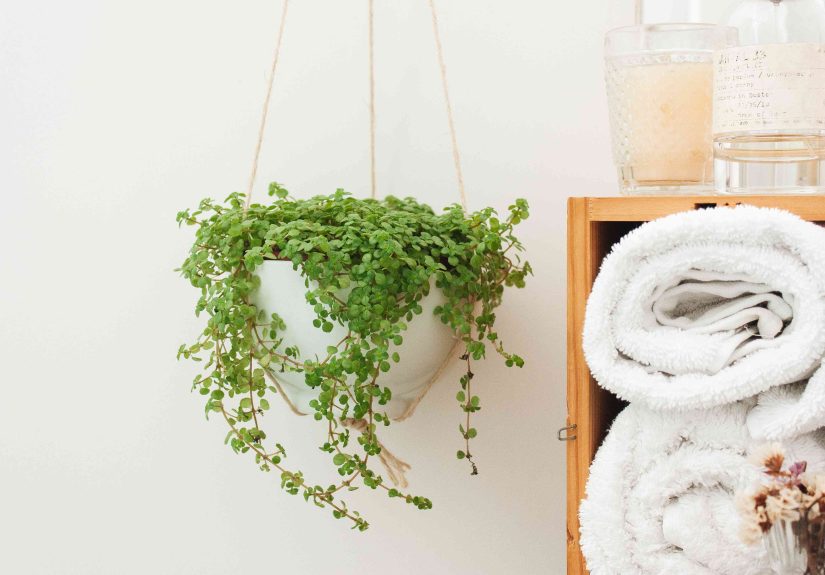
Indoors, baby tears is usually happiest in a bright bathroom, kitchen, terrarium, or near a well-lit window out of direct sun. It can trail from a hanging basket, cover the surface of a larger houseplant pot, or form a dense green pad in a shallow container.
Indoor growers should pay extra attention to humidity and watering consistency. Most problems happen when the air is too dry, the soil dries out too often, or the plant gets roasted in direct sunlight.
Growing Baby Tears Outdoors
Outdoors, baby tears works as a shade-loving groundcover in warm climates, especially in USDA Zones 9 to 11. It looks beautiful along shady paths, in woodland-style beds, around stepping stones with light traffic, in vertical gardens, and near water features where humidity stays high.
Because it spreads quickly, plant it where that habit is a feature rather than a problem. In the right climate, it can become weedy or difficult to remove completely, so give it boundaries unless your landscaping goals include “tiny green takeover.”
Common Problems and How to Fix Them
Crispy or Brown Leaves
This usually points to dry air, underwatering, or too much direct sun. Increase humidity, water more consistently, and move the plant to gentler light.
Yellowing or Mushy Growth
Overwatering or poor drainage is often the culprit. Check that the pot drains well and that the soil is moist but not waterlogged. If rot has started, trim healthy sections and re-root them in fresh mix.
Leggy, Thin Growth
The plant likely needs more light. Move it to a brighter location with indirect light and trim it back to encourage fuller regrowth.
Patchy Center or Dying Interior
Very dense mats can trap moisture unevenly and reduce airflow. Thin the plant, divide it, or repot it to refresh the root zone and improve overall vigor.
Pests
Baby tears is not notorious for severe pest issues, but stressed plants can attract aphids, mealybugs, or fungus gnats. Healthy growing conditions are the best prevention. If pests appear, isolate the plant and treat gently with appropriate indoor plant controls.
Best Uses for Baby Tears in Home and Garden Design
Baby tears is more versatile than its delicate appearance suggests. It shines in:
- Terrariums and glass gardens
- Shallow tabletop planters
- Hanging baskets
- Companion planting around upright houseplants
- Fairy gardens and miniature landscapes
- Shady groundcover in warm, humid outdoor spaces
- Containers where it can spill softly over the sides
Its fine texture pairs especially well with ferns, calatheas, begonias, and other moisture-loving plants. Visually, it adds softness anywhere a planting feels a little too stiff or bare.
Conclusion
Baby tears may look fragile, but once you understand what it wants, it becomes much easier to grow. Think gentle light, steady moisture, high humidity, and mild temperatures. Those four things solve most problems before they start.
If you are the kind of plant person who enjoys lush texture, soft trailing growth, and a houseplant that makes containers look instantly fuller, baby tears is worth trying. Just do not treat it like a cactus, and do not put it in harsh afternoon sun and expect gratitude. Give it the conditions it loves, and it will reward you with a velvety green mat that looks rich, fresh, and surprisingly elegant for something with such a tiny leaf.
Growing Experiences With Baby Tears: What Gardeners Learn in Real Life
One of the most common experiences people have with baby tears is underestimating how quickly it reacts to its environment. On day one, it looks like a sweet, innocent mound of tiny green leaves. A week later, it has either doubled in size and looks fabulous, or it has turned crispy enough to make you question your entire plant-care identity. The lesson most growers learn fast is that baby tears is a plant of consistency. It does not want heroic rescue missions. It wants steady care.
Many indoor gardeners first succeed with baby tears in a bathroom or terrarium. That makes sense because humidity does a lot of the heavy lifting. In a bright bathroom, the foliage tends to stay soft, full, and vivid green with much less fuss. In a dry living room, however, the same plant may begin to look tired around the edges unless you are very attentive with watering and humidity. This difference teaches growers an important truth: location matters just as much as technique.
Another frequent experience is using baby tears as a “filler” plant in mixed containers and then discovering it has absolutely no intention of remaining just a filler. It can spill over the rim beautifully, soften the base of taller plants, and make an arrangement look polished. But if it is thriving, it can also creep into neighboring root zones and cover more territory than expected. Gardeners often learn to trim it regularly, not because it is difficult, but because it is enthusiastic.
People also notice that baby tears is surprisingly forgiving when it comes to propagation. A loose piece that breaks off during pruning can often become a new plant with minimal effort. That makes it rewarding for beginners and satisfying for experienced growers who like plants that multiply easily. It is one of those rare houseplants that can turn an accident into a success story.
Outdoor growers in warm climates often describe baby tears as magical in the right setting. Tucked between stepping stones in light shade, around a fountain, or beneath ferns, it creates a soft carpet that feels almost storybook-like. But they also learn not to place it casually where aggressive spread would be a problem. In ideal conditions, it settles in confidently and can be harder to remove than its dainty appearance suggests.
Perhaps the biggest real-world takeaway is that baby tears teaches observation. When it is happy, it tells you with lush, bright, dense growth. When it is unhappy, it tells you quickly too. Gardeners who do well with it usually become more attentive plant keepers overall. They check light more carefully, notice humidity changes, and learn to water based on actual soil conditions rather than habit. In that way, baby tears is not just a pretty plant. It is also a tiny green coach with very high standards and excellent taste.