Table of Contents >> Show >> Hide
- Why a Hollow Knight Dating Simulator Makes More Sense Than It Should
- The Best Way to Set It Up
- Which Characters Would Steal the Show?
- How Romance Could Work Without Losing the Soul of Hollow Knight
- Why Fans Would Absolutely Devour This
- What a Great Story Route Would Actually Need
- Final Verdict: A Ridiculous Idea That Could Actually Be Brilliant
- Extended Experiences: What Finding Love in Hallownest Could Feel Like
Hallownest is not exactly the kind of place a travel agent would recommend for a romantic weekend. The weather is moody, the neighbors are haunted, and every third hallway looks like it was decorated by a committee of spiders with unresolved feelings. And yet, somehow, that is exactly why the idea of a Hollow Knight dating simulator sounds so weirdly perfect.
Fans already love Hollow Knight for its melancholy beauty, memorable characters, and the strange warmth hidden under all that gloom. So when players imagine a game called “Hollow Knight Dating Simulator: Find Love in Hallownest”, they are not just making a random joke. They are responding to a world that feels alive enough to support quieter stories: long conversations on a bench, awkward gift-giving in Dirtmouth, and the kind of emotional slow burn that says, “I would cross three acid pools and one deeply rude miniboss just to see you smile.”
This is where the concept becomes irresistible. A dating sim set in Hallownest would not need to abandon the series’ identity. It would simply zoom in on the people, places, and emotional tension that already make the world unforgettable. Done well, it could be equal parts funny, eerie, heartfelt, and just a little bit devastating. In other words, very on-brand for Hallownest.
Why a Hollow Knight Dating Simulator Makes More Sense Than It Should
At first glance, a dating simulator and a punishing action-adventure game seem like total opposites. One is about timing, vulnerability, and making meaningful choices. The other is also about timing, vulnerability, and making meaningful choicesonly with more spikes. Strip away the genre labels, and the overlap is larger than it looks.
The biggest reason the idea works is the cast. Hallownest is full of characters who make strong first impressions and linger in the player’s mind long after an encounter ends. Some are charming. Some are mysterious. Some feel like they wandered in from a gothic poetry contest and won first place by default. That kind of cast is rocket fuel for a relationship-driven game.
A hypothetical romance-focused spinoff would also benefit from the setting’s emotional tone. Hallownest is not bright, bubbly, or overloaded with sitcom energy. It is quiet and atmospheric. That means relationships would feel less like speed-dating in a shopping mall and more like meaningful connections formed in the middle of a dying kingdom. Every conversation could carry real weight. Every favor could feel personal. Every shared silence could say more than a paragraph of dialogue.
And honestly, dating sims thrive on strong mood. Hallownest has mood in industrial quantities.
The Best Way to Set It Up
If a fan project or inspired original game wanted to make this concept truly sing, the smartest move would be to introduce a new traveler as the main character instead of using the Knight directly. That approach solves a lot of lore headaches, opens up more dialogue options, and gives the writers freedom to build a personality shaped by player choices.
The player character could arrive in Dirtmouth with one simple goal: survive long enough to make a life in Hallownest. From there, the story could branch into exploration, friendship, and romance. Instead of collecting only relics and geo, players would collect trust, secrets, favors, and memories. A bench would still save progress, but it could also become a place for key conversations. Suddenly, sitting down would not just mean “finally, no more dying for five minutes.” It would mean story.
Core Gameplay Systems That Would Fit Perfectly
- Relationship routes: Distinct storylines for major characters, each with unique tone, humor, and emotional stakes.
- Choice-based dialogue: Players shape their personality through kindness, curiosity, boldness, or dry sarcasm.
- Exploration unlocks: New areas, secret meetings, and character scenes become available as trust grows.
- Charm-inspired perks: Social abilities could function like charms, changing how scenes unfold.
- Gift and memory systems: Items found in Hallownest could unlock backstory or deepen specific bonds.
That last idea is especially juicy. In a normal dating simulator, giving someone a gift might mean flowers or chocolate. In Hallownest, it might mean a rare artifact pulled from a ruined sanctuary, a hand-drawn map fragment, or a trinket that says, “I saw this in a terrifying underground abyss and thought of you.” Weird? Yes. Memorable? Also yes.
Which Characters Would Steal the Show?
The real fun of a Hollow Knight dating sim is imagining which characters would make the best routes. A good roster would mix charm, mystery, humor, and just enough emotional damage to keep players glued to the screen at 2 a.m.
Quirrel: The Soft-Spoken Fan Favorite
If there were a betting market for “most likely to become the community’s favorite route,” Quirrel would be near the top. He has that thoughtful, introspective energy that works beautifully in story-heavy games. His route could focus on curiosity, shared discovery, and quiet companionship. Instead of flashy romance beats, it would deliver gentle moments: exploring forgotten places together, comparing notes, and gradually realizing that trust has turned into something deeper.
In gameplay terms, Quirrel’s story could reward patience. The more the player listens, investigates, and notices details, the richer the route becomes. It would be the kind of path fans describe with phrases like “emotionally illegal” and “I am fine, actually,” which usually means the opposite.
Hornet: The Route for Players Who Like a Challenge
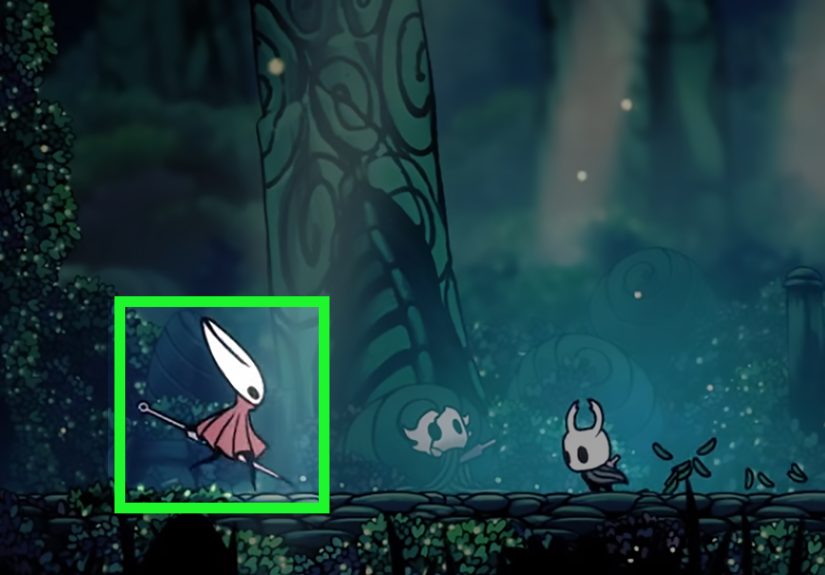
Any Hallownest romance game would need at least one route built on sharp wit, emotional distance, and hard-earned respect. Enter Hornet. She would not be impressed by cheap flattery, and she definitely would not tolerate nonsense. That is precisely why players would line up.
A Hornet route would work best if it emphasized partnership rather than easy romance. The player would need to prove competence, honesty, and resilience. Instead of showering her with gifts, they might earn favor by making smart choices, protecting others, or uncovering truths she actually values. This would be the “congratulations, you have unlocked one half-smile and permanent emotional attachment” path.
Bretta: Sweet, Funny, and Surprisingly Layered
Bretta could offer a route full of humor and warmth while still allowing room for character growth. A strong story would move beyond simple fangirl energy and give her space to become more confident and self-aware. That evolution would make the route feel earned rather than gimmicky.
She would also be a great source of comic relief. Dating sims need tonal variation, and Hallownest can get wonderfully gloomy. A Bretta-centered storyline could bring levity without breaking immersion, especially if it played with the dramatic conventions of romance stories in a self-aware way.
Grimm: For Players Who Enjoy Beautiful Red Flags
Every dating simulator has at least one route that makes players say, “This is probably a bad idea, and yet I am clicking every dialogue option anyway.” Grimm is that route. The appeal is obvious: theatrical presence, immaculate style, dangerous charisma, and enough mystery to power an entire fandom for a decade.
The best version of this path would lean into tension and spectacle. It would feel less like a cozy romance and more like a dance on the edge of a candlelit disaster. Players would not choose Grimm because it seems safe. They would choose Grimm because some stories are too dramatic to ignore.
How Romance Could Work Without Losing the Soul of Hollow Knight
The biggest risk with any genre mashup is tonal betrayal. If a Hallownest dating game suddenly became bubbly, generic, and stuffed with wink-wink anime clichés, fans would bounce off it faster than a badly timed pogo jump. The magic lies in preserving the world’s identity.
That means romance should feel quiet, strange, and character-driven. It should grow through shared danger, hard conversations, and fragile moments of trust. Instead of giant neon heart meters and endless fan service, the game would benefit from restraint. Hallownest is a place where emotion lands hardest when it is understated.
Music would matter too. A soft, haunting score could transform even a simple dialogue scene into something unforgettable. Imagine meeting someone at a bench in a rain-soaked district, hearing a faint piano line, and realizing the conversation choices you make there will shape the rest of the route. Suddenly, this is not just a joke concept anymore. It is a real design vision.
Why Fans Would Absolutely Devour This
Part of the appeal is simple: fans love spending more time with beloved characters. When a game world is this evocative, players naturally want more formats, more scenes, more perspectives, and more excuses to linger. A dating simulator offers exactly that. It slows the pace down and lets players sit with the people who make the setting memorable.
It also invites a different kind of fandom creativity. Instead of debating only boss builds and lore timelines, players could compare route choices, favorite dialogue, and heartbreak rankings. Entire communities would appear overnight to discuss who has the best confession scene, which route hurts the most, and whether choosing Grimm is romantic or just evidence of very specific taste.
From an SEO standpoint, that explains why terms like Hollow Knight dating simulator, Hallownest romance game, and Hollow Knight fan game ideas are so clickable. They combine a beloved franchise with a surprising twist, and the result is catnip for curious players.
What a Great Story Route Would Actually Need
For this concept to move beyond a meme and become genuinely compelling, the writing would need to respect character voice. Hallownest works because even brief encounters feel intentional. Dialogue does not ramble. Personalities are distinct. Mystery is always doing some of the heavy lifting.
So a strong route would need three things:
1. Emotional Progression
Relationships should evolve naturally through choices, not just because the player clicked “nice answer” ten times in a row. Trust needs to be built scene by scene.
2. World Integration
The romance should be tied to places, quests, and discoveries. Hallownest itself should feel like part of the relationship arc, not just decorative wallpaper with excellent atmosphere.
3. A Little Tragedy
Let’s be honest. This is Hallownest. If every route ended like a cupcake commercial, it would feel fake. The best stories would mix sweetness with uncertainty, tenderness with melancholy, and victory with a hint of ache. Fans of this universe would not want it any other way.
Final Verdict: A Ridiculous Idea That Could Actually Be Brilliant
Hollow Knight Dating Simulator: Find Love in Hallownest sounds absurd in the best possible way. It takes one of gaming’s most atmospheric worlds and asks a wonderfully specific question: what if the real challenge was not defeating bosses, but surviving eye contact with your favorite mysterious bug person?
The answer is that it could work shockingly well. Hallownest already has the mood, the cast, the emotional depth, and the built-in audience. All it needs is a smart structure, respectful writing, and the courage to let romance be as eerie, funny, and heartfelt as the world around it.
Would it be niche? Absolutely. Would fans still show up in droves? Also absolutely. In a market packed with predictable ideas, a Hallownest romance game would stand out by embracing what makes Hollow Knight special: atmosphere, mystery, and characters who feel larger than their screen time. Add a bench, a branching dialogue tree, and one devastatingly well-written route, and you have the kind of concept people joke about right up until the moment they realize they would play it for 40 hours straight.
So yes, love in Hallownest might be dangerous. But then again, so is everything else down there. At least this time, the thing breaking your heart might do it politely.
Extended Experiences: What Finding Love in Hallownest Could Feel Like
One of the most exciting things about this imaginary game is the kind of player experience it could create. Not just romance in the obvious sense, but a feeling of connection shaped by place, timing, and atmosphere. In Hallownest, every interaction would feel earned because the world itself is difficult. Reaching a quiet conversation after navigating a dangerous zone would make even a short exchange feel meaningful. That contrastdanger outside, intimacy insideis exactly what could make a Hollow Knight dating simulator so compelling.
Picture a scene in Dirtmouth at the end of a long in-game day. The lanterns glow, the town is hushed, and the player has just returned from a brutal stretch of exploration. Instead of opening a menu and logging off, they trigger a small event: a character waiting near a bench, ready to talk. Nothing explosive happens. No giant confession, no over-the-top cutscene. Just a conversation that lands because the player had to work to get there. Those are the moments fans remember most.
Another great experience would come from relationship choices changing the world in tiny ways. A gift left on a bench. A new line of dialogue in a familiar room. A character who begins to appear in places connected to the player’s choices. These little changes would make Hallownest feel responsive without losing its lonely atmosphere. The kingdom would still be broken, but it would no longer feel emotionally empty. That is a powerful difference.
There is also huge potential in routes that reward observation instead of brute force. Some players would love a path where success depends on noticing clues, remembering old conversations, and understanding what a character refuses to say directly. That kind of design would fit the spirit of Hollow Knight beautifully. It turns affection into something discovered, not handed out like a participation trophy wrapped in ribbon.
Even failure could be memorable. A poorly chosen response might not lock a route instantly, but it could create distance, awkwardness, or a temporary silence that the player has to repair later. That would feel far more natural than a simple “wrong answer” buzzer. In a world like Hallownest, emotional mistakes should sting a little. Not cruelly, but enough to make growth matter.
Most of all, this concept works because it would create stories players want to share. One person would talk about the gentle route that made them unexpectedly emotional. Another would swear the dramatic route was worth every bad decision. Someone else would become obsessed with hidden scenes, secret endings, and obscure dialogue branches. That variety is what keeps both dating sims and fandoms alive. When players feel like their experience is personal, they talk about it, recommend it, meme it, and replay it. For a game set in Hallownest, that kind of emotional replay value would be the perfect final charm.