Table of Contents >> Show >> Hide
- Why You Need to Clean Your Washing Machine
- How Often Should You Clean Your Washing Machine?
- What You Need to Clean a Washing Machine
- How to Clean a Front-Load Washing Machine
- How to Clean a Top-Load Washing Machine
- What About Vinegar and Baking Soda?
- How to Prevent Washer Odors Between Deep Cleans
- Expert Troubleshooting: Why Your Washer Still Smells After Cleaning
- What Not to Do When Cleaning a Washing Machine
- A Simple Monthly Washing Machine Cleaning Checklist
- Experience Notes: What Cleaning a Washer Teaches You in Real Life
- Conclusion
- SEO Tags
Your washing machine has one job: clean things. So it feels a little rude when it starts smelling like a damp basement wearing gym socks. But here is the truth most of us learn the hard way: a washer does not magically clean itself just because it spends its life surrounded by water and detergent. In fact, all that moisture, detergent residue, lint, body soil, fabric softener, and forgotten “oops, I left the towels in overnight” energy can build up inside the drum, gasket, dispenser, filter, and drain areas.
The good news? Cleaning your washing machine is not complicated. You do not need a hazmat suit, a toolbox the size of a suitcase, or a mysterious TikTok potion involving six pantry ingredients and a prayer. What you need is a smart routine, the right cleaner for your machine, and a few expert-backed habits that keep odors, mildew, and residue from turning your laundry room into a science project.
This guide explains how to clean a washing machine step by step, how often to do it, what to use, what not to mix, and how to keep your washer smelling fresh between deep cleans. Whether you own a front-load washer, top-load washer, high-efficiency model, or older machine with a personality, this expert-style approach will help your appliance work better and keep your clothes fresher.
Why You Need to Clean Your Washing Machine
A washing machine looks clean from the outside, but the inside tells a different story. Every load leaves behind tiny traces of detergent, minerals from water, lint, skin oils, pet hair, soil, and fabric softener. In high-efficiency washers, which use less water than traditional machines, too much detergent can create extra residue because the washer may not have enough water to rinse it all away.
That residue becomes a cozy little condo for odor-causing buildup. Front-load washers are especially prone to musty smells because their rubber door gaskets create a tight seal that traps moisture. Top-load washers can also develop buildup around the tub rim, agitator, dispensers, and lid area. If your “clean” laundry comes out smelling suspiciously less than clean, your washer is probably raising its hand politely.
How Often Should You Clean Your Washing Machine?
Most appliance-care guidance points to a simple rule: clean your washing machine about once a month, or roughly every 30 wash cycles. If you do several loads a day, have pets, wash sports uniforms, use fabric softener often, or live in a humid climate, you may need to clean it more frequently.
Think of it like brushing your teeth. Waiting until there is a visible problem is not the ideal strategy. A monthly washer cleaning cycle keeps detergent buildup, mildew odors, and grime from becoming harder to remove later.
Signs Your Washer Needs Cleaning Now
- Your washer smells musty, sour, or like wet towels that made poor life choices.
- Your clothes come out with a stale odor even after washing.
- You see dark spots on the rubber gasket or around the dispenser.
- There is slimy residue in the detergent drawer.
- Water drains slowly, or the machine seems less efficient.
- You notice lint, hair, or debris around the door seal or filter.
What You Need to Clean a Washing Machine
Before starting, check your washer’s owner’s manual. Different brands and models may recommend specific cleaning cycles, products, or limits. That said, most washer-cleaning jobs require only a few supplies.
- Washing machine cleaner tablet or powder
- Liquid chlorine bleach, if allowed by your manual
- Microfiber cloths
- Soft toothbrush or small cleaning brush
- Warm water
- Dish soap for removable drawers or exterior surfaces
- Old towel or shallow pan for drain filter cleaning
- Rubber gloves, especially for gasket or filter work
A quick safety note: never mix bleach with vinegar, ammonia, hydrogen peroxide, or other cleaning products. Mixing cleaners does not make them stronger; it can make toxic fumes. Use one cleaning method at a time, follow the product label, and keep the area ventilated.
How to Clean a Front-Load Washing Machine
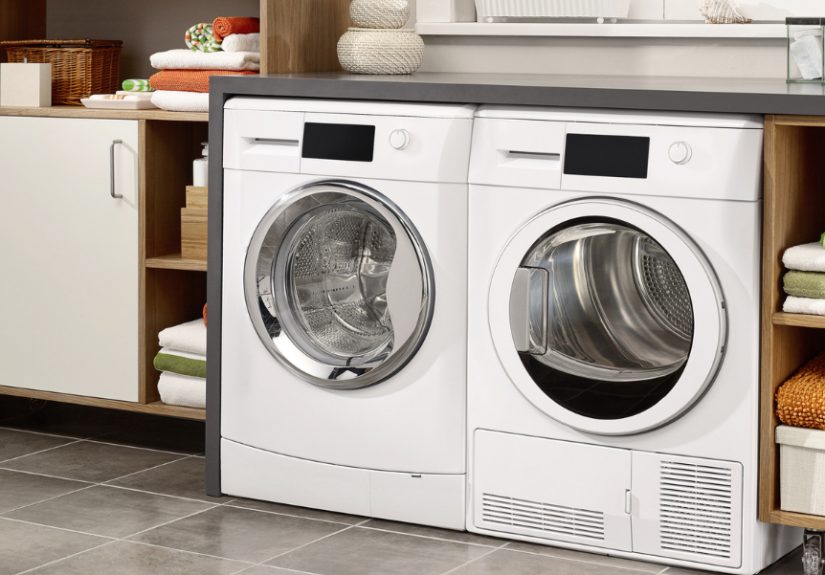
Front-load washers are efficient, gentle on clothes, and excellent at cleaning. They are also champions at trapping moisture around the door seal. The gasket is usually where the drama begins, so give it special attention.
Step 1: Empty the Washer Completely
Remove all clothing, towels, socks, and mystery items from the drum. Check the gasket folds carefully. Coins, hair ties, lint, tissues, and tiny socks love to hide there like they are in a witness protection program.
Step 2: Clean the Rubber Door Gasket
Pull back the rubber gasket gently and wipe inside the folds with a damp microfiber cloth. Remove lint, hair, detergent slime, and any visible debris. For stubborn buildup, use warm soapy water and a soft brush. If your manual allows a diluted bleach solution for mildew, use it carefully, rinse with a damp cloth, and dry the area well.
The gasket should never stay wet for long periods. After cleaning, wipe it dry. This small habit can make a huge difference in preventing that “laundry swamp” smell.
Step 3: Clean the Detergent Dispenser
Remove the detergent drawer if your model allows it. Soak it in warm water with a little dish soap, then scrub away softener film and detergent buildup with a toothbrush. Rinse it well and dry it before sliding it back in.
Do not ignore the cavity where the drawer sits. Residue often builds up there too. Wipe the inside with a damp cloth and use a brush for corners.
Step 4: Run the Washer Cleaning Cycle
Place a washing machine cleaner directly into the empty drum, not in the dispenser, unless your product directions say otherwise. Select the “Clean Washer,” “Tub Clean,” “Self Clean,” or hottest appropriate cycle recommended by your manual.
If your washer does not have a dedicated cleaning cycle, run the hottest, longest cycle allowed for an empty machine. Some manuals permit chlorine bleach for this purpose, while others recommend oxygen-based cleaners or manufacturer-approved tablets. Follow your specific machine’s instructions.
Step 5: Clean the Drain Pump Filter
Many front-load washers have a small drain pump filter behind a panel near the bottom front of the machine. Put down a towel and shallow pan before opening it because water may come out. Remove lint, coins, hair, and debris. Rinse the filter, wipe the housing, and reinstall it securely.
If your washer has no user-accessible filter, do not force anything open. Check the manual or call a technician if you suspect a drainage problem.
Step 6: Wipe and Dry the Door
After the cleaning cycle finishes, wipe the inside glass, gasket, and drum opening. Leave the door open for airflow if it is safe in your home. If you have small children or curious pets, use a laundry room door lock or follow the safety guidance in your manual.
How to Clean a Top-Load Washing Machine
Top-load washers are not immune to odors. Detergent residue can collect under the lid, around the tub ring, inside dispensers, and beneath the agitator or impeller area.
Step 1: Empty the Drum
Remove all laundry. Check for items tucked under the agitator fins or around the tub edge. A rogue sock can cause more chaos than its size suggests.
Step 2: Run a Tub Clean or Hot Cleaning Cycle
Add a washer-cleaning tablet or powder according to the package directions. If your manual permits bleach, add the recommended amount in the proper dispenser or directly to the tub only when instructed. Choose the washer’s cleaning cycle, if available. Otherwise, select the hottest, largest, longest cycle appropriate for an empty machine.
Do not add laundry detergent during this cleaning cycle. The goal is to remove residue, not invite more suds to the party.
Step 3: Wipe the Lid, Rim, and Dispensers
While the cycle is done and the washer is still damp, wipe the underside of the lid, the rim of the tub, and any detergent or softener dispensers. These areas often collect splashes and sticky residue.
Step 4: Clean Around the Agitator or Impeller
If your manual explains how to remove a cap or dispenser from the agitator, follow those instructions and clean the area. If not, do not yank parts loose. Use a cloth and small brush around accessible seams.
Step 5: Leave the Lid Open
After cleaning and after regular laundry loads, leave the lid open until the tub dries. Airflow is one of the easiest ways to prevent mildew odors.
What About Vinegar and Baking Soda?
Vinegar and baking soda are popular cleaning staples, but they are not always the best choice for washing machines. Some appliance experts caution against frequent vinegar use because acidic cleaners may affect rubber parts, hoses, or seals over time. Baking soda can help deodorize some surfaces, but it is not a complete substitute for a proper washer-cleaning cycle.
The safest approach is simple: follow your owner’s manual and use a washing machine cleaner or bleach only if your manufacturer allows it. If you use vinegar occasionally, do not combine it with bleach or other cleaners. Also, do not assume that a viral cleaning hack is safe just because the video has cheerful music and dramatic foam.
How to Prevent Washer Odors Between Deep Cleans
Deep cleaning matters, but daily habits do most of the heavy lifting. A fresh-smelling washing machine is usually the result of small routines repeated consistently.
Use the Right Amount of HE Detergent
If you have a high-efficiency washer, use HE detergent. Regular detergent can create too many suds in low-water machines, leaving residue behind. Even with HE detergent, more is not better. Extra detergent does not make clothes extra clean; it can make the washer extra gunky.
Skip Detergent Overdosing
Measure detergent based on load size, soil level, and product instructions. For lightly soiled loads, you may need less than the cap suggests. If your clothes feel stiff, smell odd, or show residue, detergent buildup may be part of the problem.
Remove Laundry Promptly
Wet clothes left inside a closed washer create a humid environment where odors thrive. Move laundry to the dryer or drying rack as soon as possible. If you forget a load overnight, run a rinse or rewash cycle before drying it.
Leave the Door or Lid Open
After each load, leave the washer open so the drum can dry. For front-load washers, also wipe the gasket. This habit is boring, free, and extremely effective. In the glamorous world of laundry maintenance, that is basically a triple crown.
Clean the Dispenser Regularly
Fabric softener and detergent drawers can become sticky quickly. Rinse or wipe them every couple of weeks, especially if you use liquid softener or concentrated detergent.
Do Not Overload the Washer
An overloaded washer cannot circulate water and detergent properly. Clothes may not rinse well, and residue can remain in both the laundry and the machine. Leave enough room for items to move freely.
Expert Troubleshooting: Why Your Washer Still Smells After Cleaning
If your washer still smells after a cleaning cycle, do not panic. Odors can come from several places, and the tub is only one of them.
The Drain Filter Is Dirty
A clogged drain pump filter can trap lint, hair, coins, and organic residue. Clean it according to your manual. If the smell improves afterward, congratulations: you found the tiny swamp.
The Drain Hose Has a Problem
A kinked, clogged, or incorrectly installed drain hose can cause water to sit where it should not. If you notice standing water, slow draining, or sewer-like odors, inspect the hose and standpipe area. Call a professional if the setup looks wrong or the smell persists.
You Are Using Too Much Detergent
This is one of the most common causes of recurring washer odor. Too much detergent leaves residue, and residue feeds odor. Reduce the amount and run a few hot cleaning cycles over time.
The Gasket Has Hidden Mold
Front-load gaskets can hide buildup deep in the folds. Use gloves, a cloth, and a soft brush. If staining remains after cleaning, the gasket may be permanently discolored but not necessarily dirty. If mold is extensive or the rubber is damaged, ask a technician whether it needs replacement.
What Not to Do When Cleaning a Washing Machine
Some washer-cleaning mistakes can damage your machine or create safety risks. Avoid these common missteps:
- Do not mix bleach with vinegar, ammonia, or any other cleaner.
- Do not pour random DIY mixtures into your washer without checking the manual.
- Do not use abrasive pads on glass, enamel, plastic, or rubber parts.
- Do not add laundry during a washer-cleaning cycle.
- Do not put cleaner tablets in the detergent dispenser unless the label says to.
- Do not ignore a persistent sewer smell, leak, or drainage issue.
- Do not assume more detergent means cleaner clothes.
A Simple Monthly Washing Machine Cleaning Checklist
For a routine that is easy to remember, use this monthly checklist:
- Empty the washer completely.
- Wipe the gasket or tub rim.
- Remove and clean the detergent dispenser.
- Run the Clean Washer, Tub Clean, Self Clean, or hot cleaning cycle.
- Clean the drain pump filter if your model has one.
- Wipe the door, lid, and exterior controls.
- Leave the door or lid open to dry.
If you want to make this habit stick, clean the washer on the same day each month. Pair it with another household routine, like replacing HVAC filters, cleaning the dishwasher filter, or pretending you are finally going to organize the junk drawer.
Experience Notes: What Cleaning a Washer Teaches You in Real Life
The first time many people clean their washing machine, the reaction is usually a blend of satisfaction and mild horror. You pull back the rubber gasket and discover lint, hair, and a coin from 2019 living together in a damp little apartment. You remove the detergent drawer and find a sticky layer that looks like melted soap had a disagreement with gravity. Suddenly, the mystery of the musty towels is not so mysterious anymore.
One practical lesson is that washer odors rarely appear overnight. They build slowly. At first, maybe the machine smells a little stale when you open the door. Then towels come out with a faint sour note. Then you start blaming the detergent, the dryer, the weather, and possibly your neighbor’s cooking. In reality, the washer may simply need airflow, less detergent, and a proper cleaning cycle.
Another lesson is that small habits beat heroic scrubbing. Wiping the gasket after front-load cycles takes less than a minute. Leaving the door open costs nothing. Measuring detergent feels fussy until you realize it prevents residue and saves money. Cleaning the dispenser every few weeks is easier than chiseling out old softener buildup after six months. Laundry care is not about being perfect; it is about not letting moisture and residue throw a long-term house party.
It also helps to understand your specific washer. Some machines flash a reminder after a set number of cycles. Others have a dedicated tub-clean button. Some have accessible drain filters; others do not. Reading the manual may not be thrilling, but it can prevent mistakes like putting a cleaner in the wrong compartment or using a product your machine does not recommend.
For families, the routine matters even more. Kids generate muddy socks, sports uniforms, mystery stains, and towels that somehow become wet even when nobody admits using them. Pet owners deal with fur, dander, and blanket loads that can challenge any machine. In these homes, the washer works hard, and monthly maintenance is not overkill. It is basic appliance kindness.
The most satisfying part is the payoff. After a good cleaning, the washer smells neutral again. Not perfumed, not chemically intense, just clean. Clothes come out fresher. Towels stop carrying that “forgotten in a gym bag” aroma. The laundry room feels less like a chore cave and more like a place where responsible adults live, even if there is still one unmatched sock on the floor.
In the end, cleaning your washing machine is one of those household jobs that seems optional until you do it once. Then it becomes obvious. The appliance that cleans your clothes deserves its own cleaning day. Treat it well, and it will return the favor one fresh load at a time.
Conclusion
Knowing how to clean your washing machine is one of the simplest ways to improve laundry results, prevent odors, and protect your appliance. The expert-approved routine is straightforward: clean the drum monthly, wipe the gasket or rim, wash the dispenser, check the filter if your model has one, use the right amount of HE detergent, and let the washer dry between loads.
You do not need complicated hacks. You need consistency, safe products, and a little respect for the hard-working machine that handles everything from bedsheets to spaghetti-sauce emergency shirts. Give your washer a monthly refresh, and it will reward you with cleaner clothes, fresher towels, and fewer mysterious laundry-room smells.