Table of Contents >> Show >> Hide
- Start With a Plan Before You Start Hanging Anything
- Step 1: Prep the Tree Like You Mean It
- Step 2: Add the Christmas Tree Lights First
- Step 3: Layer in Ribbon or Garland
- Step 4: Hang the Largest Ornaments First
- Step 5: Fill Gaps With Picks, Sprays, and Small Accents
- Step 6: Top It Off
- Step 7: Finish the Base of the Tree
- Simple Designer Tricks That Make Any Tree Look Better
- Common Christmas Tree Decorating Mistakes to Avoid
- Budget-Friendly Ways to Decorate a Christmas Tree
- Conclusion
- Extra Holiday Experiences: What Decorating a Christmas Tree Really Feels Like
Decorating a Christmas tree sounds simple until you are standing in the living room holding three mismatched ornaments, a ribbon spool that behaves like a rebellious noodle, and a string of lights that somehow tied itself into a sailor’s knot in storage. The good news? A beautiful tree is not reserved for professional stylists, magazine spreads, or that one neighbor who starts decorating before Halloween finishes packing its bags. With the right order, a little planning, and a few sneaky designer tricks, you can create a tree that looks festive, balanced, and full of personality.
If you have ever wondered how to decorate a Christmas tree without making it look crowded, flat, or like it lost a fight with a tinsel cannon, this guide will walk you through it step by step. We will cover everything from choosing a theme and hanging Christmas tree lights to placing ornaments, ribbon, and a tree topper in a way that actually makes sense. And yes, there will be room for sentimental ornaments too, because no holiday tree should look so polished that it forgets to be joyful.
Start With a Plan Before You Start Hanging Anything
The easiest way to make your tree look intentional is to decide what kind of mood you want before the first ornament leaves the box. Think of your Christmas tree as the star of the room. It does not need a dramatic monologue, but it does need direction.
Pick a Style or Theme
You do not need a complicated design board. A simple direction is enough. Some popular Christmas tree decorating ideas include:
- Traditional: red, green, gold, plaid, and classic ornaments
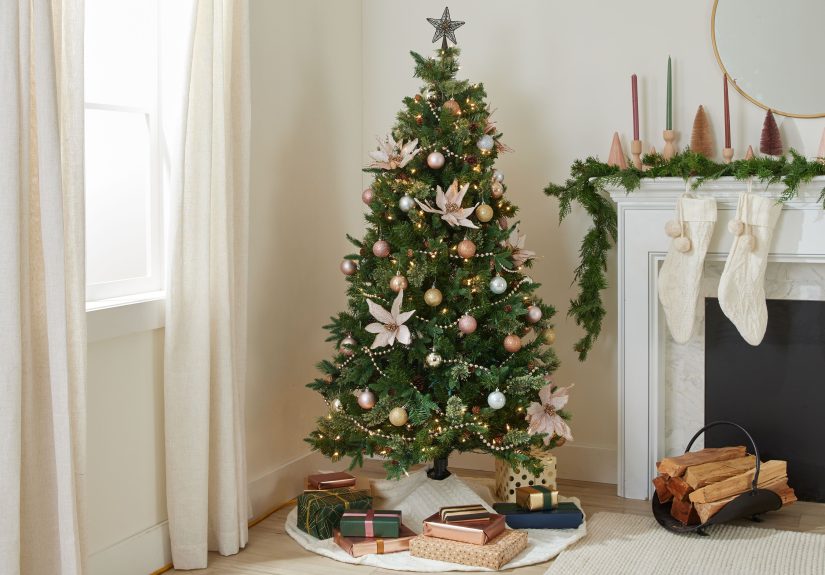
- Elegant: metallics, glass ornaments, velvet ribbon, and warm white lights
- Rustic: wood accents, pinecones, burlap ribbon, bells, and natural textures
- Whimsical: colorful ornaments, playful shapes, candy-themed accents, and bright ribbon
- Minimalist: a tighter color palette, fewer ornaments, softer textures, and lots of breathing room
The trick is not to pick a theme so strict that decorating feels like homework. You are not defending a doctoral thesis in plaid. You are just choosing a visual lane so the tree looks cohesive.
Choose a Color Palette
A limited color palette helps your tree look polished fast. Try using two to four main colors and repeating them throughout the tree. Gold and white feel classic and refined. Red and green are timeless. Blue and silver read cool and wintery. Pink, champagne, and copper can feel playful but still chic.
If your ornaments come from years of family collecting and look like they were adopted from seven different decades, that is fine too. In that case, unify the tree with consistent ribbon, matching lights, or coordinated gift wrap under the tree.
Step 1: Prep the Tree Like You Mean It
A gorgeous tree starts before the decorating begins. If you have an artificial tree, fluff every branch. Yes, every branch. This is the least glamorous part of the process, but it makes a huge difference. Spread tips outward, angle some up and some down, and step back often so the shape looks full rather than pancake-flat. A tree that has been properly fluffed instantly looks richer and more realistic.
If you have a real tree, set it securely in the stand, trim the trunk if needed, and make sure it is straight before decorating. Otherwise, you will discover its dramatic lean only after you have hung fifty ornaments and questioned all your life choices. Also, keep it watered consistently throughout the season so it stays fresher and safer.
Before you decorate, place the tree in a spot where it can shine without blocking walkways, vents, or the television unless your family is deeply committed to holiday ambiance over football. Positioning matters. A tree tucked too tightly into a corner may look smaller, while one with space around it can feel grander and more balanced.
Step 2: Add the Christmas Tree Lights First
If ornaments are the jewelry, lights are the magic. They create depth, sparkle, and that cozy glow that makes everyone feel like they should be holding a mug of something warm while a holiday playlist quietly takes over the room.
Choose the Right Lights
Warm white lights feel classic and elegant. Multicolor lights feel cheerful and nostalgic. There is no wrong choice here, only different moods. If your ornaments are colorful and busy, white lights can create balance. If your ornaments are simple, multicolor lights can add extra personality.
How to Hang Lights for the Best Look
Work from the top down. Instead of wrapping lights only around the outer edge, weave some lights deeper into the branches and leave some closer to the tips. This layered look makes the tree glow from within rather than just around the edges. It also helps fill visual gaps.
Stand back every few minutes. This tiny habit saves you from ending up with one blindingly bright section and one patch that looks like the North Pole forgot to pay the electric bill. Once the lights are on, test them before moving on. Nothing ruins holiday confidence faster than finishing the whole tree and discovering a dead strand halfway up.
Step 3: Layer in Ribbon or Garland
Ribbon is one of the easiest ways to make a tree look styled. It adds softness, movement, and color without relying only on ornaments. Garland does a similar job, whether you love beads, greenery, bells, or something handmade.
How to Use Ribbon Without Wrestling It
You can drape ribbon in loose horizontal waves around the tree, tuck it vertically in cascading sections, or make large loops and nestle them into the branches. Wired ribbon is especially useful because it holds shape better and cooperates more than its floppy cousin.
If you are using more than one ribbon, combine different widths or textures in complementary colors. For example, velvet ribbon paired with metallic mesh can create richness without looking too busy. If your tree already has a lot going on, use ribbon sparingly as an accent rather than a full tree takeover.
Garland Tips
Garland should support the look, not smother it. Keep spacing relaxed so the branches, lights, and ornaments can still be seen. Beaded garland works beautifully on traditional or vintage-inspired trees, while natural garlands like dried orange slices or wooden beads add charm to rustic trees.
Step 4: Hang the Largest Ornaments First
Now comes the part everyone waits for: ornaments. Start with the biggest pieces first. Large ornaments create structure and help you map out the visual balance of the tree. Spread them evenly around the tree, including the sides and some deeper inside the branches. That last part matters. Interior ornaments create depth and make the tree look fuller.
After the large ornaments, move to medium-sized pieces, then finish with smaller ornaments and specialty accents. This layering approach keeps the tree from looking random. It also prevents the common mistake of placing all your showstopper ornaments in one spot and leaving the rest of the tree looking emotionally unsupported.
Mix Shapes, Finishes, and Textures
A beautiful Christmas tree usually includes variety. Combine shiny ornaments with matte finishes, smooth glass with textured materials, and classic round bulbs with a few unusual shapes. This makes the tree feel collected and dimensional. Even if your palette is simple, texture keeps it interesting.
Place Special Ornaments Thoughtfully
Family keepsakes, handmade ornaments, travel souvenirs, and funny childhood creations deserve a place of honor. Put the most meaningful ones where people can actually see them. Front and center is good. Eye level is even better. Nobody made a pasta snowflake in second grade just so it could disappear behind a ribbon loop forever.
Step 5: Fill Gaps With Picks, Sprays, and Small Accents
If your tree still feels a little sparse, do not panic and buy thirty more ornaments. Use picks, floral stems, faux berries, pinecones, bells, or small decorative sprays to fill empty spots. These pieces add shape and fullness quickly, especially near the top and outer tips of branches.
This is one of the best designer tricks for making an artificial tree look more expensive. A few strategically placed stems can soften hard edges, add color, and create movement. Metallic leaves, frosted branches, or berry picks work especially well if you want the tree to look finished without becoming cluttered.
Step 6: Top It Off
The tree topper is the punctuation mark at the end of the decorating sentence. Stars, angels, bows, floral sprays, and sculptural toppers all work. The key is scale. A topper that is too small can disappear. One that is too large can make the tree look like it is wearing an oversized hat to impress the neighborhood.
If your tree is already busy, keep the topper simple. If the tree is more minimal, a dramatic topper can become the focal point. Some decorators even build a topper cluster using ribbon, branches, and picks for a fuller look. This works especially well on tall trees that need something with presence.
Step 7: Finish the Base of the Tree
Do not forget the bottom. A good tree skirt, collar, basket, or wrapped base helps the whole setup look intentional. It also hides the stand, which is not exactly a design icon. Match the base to the style of the tree. A quilted skirt feels traditional. A woven collar looks rustic. Faux fur can lean elegant or cozy depending on the rest of the decor.
Once the gifts go under the tree, think of them as part of the design. Coordinated wrapping paper, ribbon, and gift tags can make the entire setup feel pulled together. Suddenly your presents are not just presents. They are supporting actors in a holiday masterpiece.
Simple Designer Tricks That Make Any Tree Look Better
- Use depth: place some ornaments inside the tree, not just on the outer tips.
- Repeat colors: repeating the same shades throughout the tree creates rhythm and balance.
- Vary scale: use a mix of large, medium, and small decorations for a richer look.
- Stand back often: the tree always looks different from six feet away than it does from six inches away.
- Leave breathing room: not every branch needs an ornament. A little space keeps the tree elegant.
- Match the room: the best Christmas tree decorating ideas often echo the colors and textures already in your home.
Common Christmas Tree Decorating Mistakes to Avoid
Putting everything on the outer edge: This makes the tree look flat. Push some lights and ornaments inward.
Using only one ornament size: That can make the tree feel repetitive and less dynamic.
Ignoring the back and sides: Even if the tree is in a corner, visible angles still matter.
Overloading one section: Spread bold colors and statement ornaments around the tree for balance.
Skipping safety: Check light strands, avoid overcrowding outlets, and turn lights off when you leave the house or go to bed.
Budget-Friendly Ways to Decorate a Christmas Tree
You do not need a luxury ornament collection to create a beautiful tree. Some of the best holiday decorating tips are also the most affordable. Use ribbon to cover sparse areas. Make dried orange ornaments, paper stars, or salt dough shapes. Add pinecones, bells, or wooden beads for texture. Repurpose fabric scraps into bows. Even matching gift wrap can make the whole scene look more styled.
If you are building your holiday collection over time, start with versatile basics: a reliable set of lights, a neutral ribbon, classic ornaments in a few finishes, and one topper you really love. You can always add trendier accents later without reinventing the entire tree each year.
Conclusion
Learning how to decorate a Christmas tree is really about learning how to layer. Start with a clear theme, fluff the branches, add lights first, then ribbon or garland, then ornaments, then finishing accents. Balance large and small pieces. Mix shine with texture. Let meaningful ornaments have their moment. Most of all, remember that the best Christmas tree is not the one that looks the most expensive. It is the one that makes your home feel warm, festive, and unmistakably yours.
A perfect tree is nice. A tree with character is better. A tree with a slightly crooked handmade ornament, one ridiculous childhood craft, and lights that make the room glow like a holiday movie set? That is the one people remember.
Extra Holiday Experiences: What Decorating a Christmas Tree Really Feels Like
There is something oddly powerful about decorating a Christmas tree. It is rarely just a decorating task. It is more like a yearly little ceremony with glitter, snacks, and at least one person saying, “Didn’t we have another box of ornaments?” The experience begins before the first branch is adjusted. It starts when the boxes come out and the room changes mood immediately. Suddenly, it is no longer just a living room. It is holiday headquarters.
One of the best parts of decorating a tree is how it slows people down. Even busy families tend to gather around it. Someone untangles lights. Someone argues passionately for multicolor bulbs. Someone holds up a glitter reindeer and acts like they have discovered buried treasure. Decorating a Christmas tree creates tiny moments that feel ordinary while they are happening and weirdly precious later. Years from now, people may not remember the exact ribbon style, but they will remember the laughter, the music, and the annual debate over whether the tree topper is straight.
There is also a strong emotional side to Christmas tree decorating. Ornaments often carry stories. One came from a grandparent. One was made by a child in elementary school with an heroic amount of glue. One was picked up on a trip. One is beautiful, and one is unbelievably ugly, which somehow makes it beloved. As you decorate, the tree becomes a timeline. It is not just seasonal decor. It is memory storage with lights.
Even the mishaps become part of the charm. The ribbon refuses to cooperate. The cat sees the lower branches as a personal challenge. The real tree drops needles like it is making a point. A glass ornament rolls across the floor with the suspense of a holiday action movie. Yet somehow, these little annoyances are exactly what make the experience feel real. A perfectly styled tree from a catalog is pretty. A real tree in a real home has personality.
Decorating a tree can also reflect changing seasons of life. When you are younger, the tree may be full of homemade ornaments and bright colors. Later, you may lean into elegant metallics or a carefully chosen palette. Then life changes again, and suddenly you are making room for children, pets, sentimental pieces, or handmade decorations that absolutely do not match and absolutely must stay. The tree evolves with the household, which is part of what makes the ritual meaningful.
And perhaps that is the best thing about learning how to decorate a Christmas tree well: you realize that “well” does not only mean stylish. It means thoughtful. It means creating a tree that fits your home, your people, your traditions, and your sense of joy. Some years the result will look magazine-worthy. Other years it will look like cheerful chaos with a bow on top. Both versions are valid. Both are festive. Both count.
Note: The most memorable Christmas trees are usually the ones that blend beauty with personality, not the ones chasing perfection.