Table of Contents >> Show >> Hide
- What Are Raccoon Eyes?
- Why Doctors Worry About a Basilar Skull Fracture
- Common Causes of Raccoon Eyes and Skull Base Injury
- Symptoms That Should Never Be Ignored
- How Doctors Diagnose a Basilar Skull Fracture
- Basilar Skull Fracture Treatment: What Happens Next?
- Possible Complications
- How Long Do Raccoon Eyes Last?
- What Patients Should and Should Not Do
- When to Call 911 or Go to the ER
- Patient Experiences: What Recovery Can Feel Like
- Final Thoughts
At first glance, “raccoon eyes” sounds like the name of a Halloween makeup tutorial gone rogue. In real life, though, it is a medical red flag that can signal something far more serious than an ordinary black eye. When dark bruising appears around both eyes after a head injury, doctors may immediately think about a basilar skull fracturea break in the bones at the base of the skull. That does not mean every case of raccoon eyes equals a skull fracture, but it does mean the finding deserves respect, not a shrug and an ice pack.
This article explains what raccoon eyes really are, why they can point to a basilar skull fracture, how doctors diagnose the problem, and what treatment and recovery may look like. If you are publishing this online, here is the big takeaway up front: raccoon eyes are a sign, not a diagnosis. The real question is what caused themand whether the brain, skull base, or surrounding tissues have been injured along the way.
What Are Raccoon Eyes?
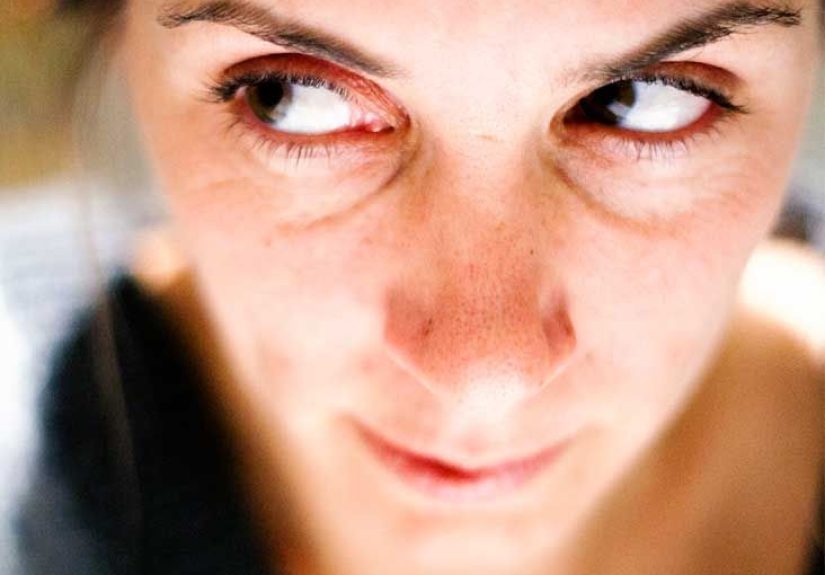
Raccoon eyes is the common term for periorbital ecchymosis, or bruising around the eyes caused by blood tracking into the soft tissues around the eye sockets. The name is memorable, but the underlying issue is not cute. In trauma care, this bruising matters because it may appear after blood from a fracture site travels forward and settles around the eyes.
One tricky detail is timing. Raccoon eyes do not always show up right away. A person may hit their head, feel shaken but “mostly okay,” and only develop the telltale bruising one to three days later. That delay is one reason head injuries can fool people into thinking the danger has passed when it may still need urgent evaluation.
Why Doctors Worry About a Basilar Skull Fracture
A basilar skull fracture is a fracture at the base of the skull, often involving areas near the eyes, ears, nose, or the bony floor that supports the brain. Because this region contains nerves, blood vessels, the sinuses, and the membranes that hold cerebrospinal fluid, injuries here can create more than just a bruise. They can lead to a CSF leak, hearing loss, facial weakness, smell changes, double vision, or associated bleeding inside the skull.
Raccoon eyes are especially concerning when they happen after a fall, sports injury, motor vehicle crash, assault, or any significant blow to the head. Another classic clue is Battle sign, which is bruising behind the ear. Some patients also have clear fluid draining from the nose or ear, blood behind the eardrum, dizziness, or trouble with balance.
In plain English: when bruising around the eyes shows up after head trauma, emergency clinicians do not just think “black eye.” They think, “Could this be a skull base injury?” That difference in mindset can change everything.
Common Causes of Raccoon Eyes and Skull Base Injury
Not every case of raccoon eyes comes from a basilar skull fracture. The sign can also appear with facial fractures, certain cancers such as neuroblastoma in children, rare systemic conditions, and other medical problems. Still, in the setting of trauma, a skull base injury is one of the first concerns.
Common traumatic causes include:
- Falls, especially onto a hard surface
- Motor vehicle accidents
- Bike, skateboard, or sports injuries
- Physical assault
- High-impact workplace accidents
The more force involved, the more seriously doctors treat the injury. A mild bump that causes a tiny local bruise is one thing. A high-energy hit followed by delayed bruising around both eyes, headache, vomiting, or clear nasal drainage is a very different story.
Symptoms That Should Never Be Ignored
Raccoon eyes by themselves are worth medical attention, but they become especially urgent when they appear with other signs of head injury. Seek emergency care right away if a person with suspected basilar skull fracture has any of the following:
- Loss of consciousness, even briefly
- Confusion, unusual sleepiness, or behavior changes
- Repeated vomiting
- Severe or worsening headache
- Seizures
- Weakness, numbness, or difficulty walking
- Unequal pupils or vision changes
- Blood or clear fluid coming from the nose or ears
- Bruising behind the ear
- Hearing loss, ringing in the ears, or facial droop
This is not the moment for internet bravery. A serious skull fracture can exist alongside traumatic brain injury, epidural bleeding, subdural bleeding, or increased pressure inside the skull. When symptoms are escalating, the clock matters.
How Doctors Diagnose a Basilar Skull Fracture
1. Physical exam and neurological check
Emergency clinicians start with the basics: how the injury happened, when symptoms began, and whether the patient has headache, vomiting, memory loss, hearing changes, or drainage from the nose or ears. They will also perform a neurological exam to assess alertness, speech, coordination, strength, pupil response, and cranial nerve function.
2. CT scan of the head
The most common imaging test is a head CT scan. CT is fast, widely available in emergency departments, and useful for identifying fractures and bleeding inside the skull. In many cases, CT is the key tool that helps confirm a skull fracture, spot complications, and determine whether the patient needs observation, ICU care, or surgery.
3. Additional tests when needed
If doctors suspect a CSF leak, cranial nerve injury, hearing damage, or other complications, they may order more targeted imaging or specialty evaluation. ENT specialists, neurosurgeons, trauma teams, and sometimes ophthalmologists may all get involved, because the base of the skull is crowded real estate with very little tolerance for mistakes.
Basilar Skull Fracture Treatment: What Happens Next?
Treatment depends less on the bruise itself and more on the injury behind it. In other words, raccoon eyes do not receive the starring roleunderlying damage does.
Observation and supportive care
Many basilar skull fractures do not need an operation. If the fracture is stable and there is no major bleeding, worsening neurologic problem, or persistent leak of cerebrospinal fluid, treatment may focus on close hospital observation, rest, head elevation, symptom control, and repeat exams.
Pain control may be used, along with anti-seizure medicine if seizures occur. Doctors also watch for changes in mental status, worsening headache, weakness, or signs of infection. Sometimes the most important treatment is careful monitoring so a hidden complication does not get the last laugh.
Managing a CSF leak
A cerebrospinal fluid leak can happen when the membranes around the brain tear. Patients may notice clear drainage from the nose or ear. Some leaks close on their own with time and observation. Others persist and need procedural treatment or surgery, especially when the leak continues, the defect is large, or infection risk rises.
Preventive antibiotics are not routinely recommended simply because a basilar skull fracture or CSF leak is present. However, if there is evidence of infection, meningitis, or a persistent leak with concerning findings, treatment changes quickly and becomes more aggressive.
Surgery when it is necessary
Surgery may be required if the fracture causes brain compression, severe bleeding, persistent CSF leakage, depressed bone fragments, facial nerve injury, or other major complications. The exact procedure depends on the problem being treated. For some patients, surgery is about repairing the skull base. For others, it is about relieving pressure on the brain or controlling bleeding.
This is why two people can both have “raccoon eyes” and receive completely different treatments. One may need observation and follow-up. Another may need urgent neurosurgical care. Same sign, very different stakes.
Possible Complications
A skull base fracture can lead to complications that range from temporary to life-threatening. These may include:
- Meningitis if bacteria enter through a CSF leak
- Intracranial hemorrhage or brain contusion
- Hearing loss or dizziness from temporal bone injury
- Loss of smell
- Facial nerve weakness or paralysis
- Vision problems or double vision
- Post-concussion symptoms, including headache and brain fog
Not every patient develops these complications, of course. But they are the reason doctors take the injury seriously even when the bruising looks more dramatic than the person feels. Symptoms can evolve. A patient who seems stable at first may worsen later.
How Long Do Raccoon Eyes Last?
The bruising itself usually fades over one to two weeks, though recovery from the underlying injury may take much longer. The color may change from dark purple or blue to green, yellow, and then gradually back toward the person’s normal skin tone. The cosmetic bruise may improve long before the skull fracture, concussion symptoms, or cranial nerve irritation fully settle down.
That is an important point for patients and families: looking better does not always mean fully healed. Follow-up matters. So do activity restrictions, especially after head injury.
What Patients Should and Should Not Do
After a diagnosed or suspected basilar skull fracture, patients should follow the treatment plan exactly. In general, that may include rest, keeping the head elevated, avoiding strenuous activity, and returning immediately if symptoms worsen.
Some people are told to avoid blowing the nose, heavy lifting, or other actions that may increase pressure and worsen a CSF leak. Contact sports and high-risk physical activity are a hard no until a qualified clinician clears them. This is not the time to “walk it off” and pretend your skull just needs a motivational speech.
When to Call 911 or Go to the ER
Go to the emergency room right away after head trauma if raccoon eyes appear, especially if the bruising is around both eyes or is paired with headache, vomiting, confusion, clear fluid from the nose or ear, hearing changes, or any neurological symptom. Even delayed bruising after a seemingly minor injury deserves prompt evaluation.
In trauma medicine, delayed signs can still point to a major problem. The bruise may be late to the party, but the injury it represents may have arrived much earlier.
Patient Experiences: What Recovery Can Feel Like
The medical facts matter, but so does the human side. People who go through a basilar skull fracture often describe the experience as surreal. Many say the most unsettling part is not the pain. It is the mismatch between how they look, how they feel, and how fast everything changes.
One common story begins with a fall. A person slips on wet stairs, bumps the back of the head, and feels shaken but alert. At first there is only a headache and maybe a little nausea. The next morning, bruising appears around the eyes and family members panic because it looks dramatic. The patient may insist, “But I did not even hit my face.” That confusion is common. Blood can track forward from a skull base injury, which is why the bruising can show up around the eyes even when the original impact happened elsewhere.
Another experience comes from athletes and active adults. A cyclist crashes, a football player takes a hard hit, or a skateboarder lands badly without a helmet. In the emergency department, the focus is often broader than the bruise: memory, balance, speech, vision, nausea, and imaging results all matter. Patients sometimes remember the event in snapshotsbright lights, repeated questions, a CT scanner, and a doctor carefully checking whether fluid is draining from the nose or ears. Many say that waiting for imaging results is the longest hour of their lives, even if the clock disagrees.
Recovery can also feel emotionally strange. People often expect a broken bone to hurt in one obvious place, but head injury recovery is messy. Some describe fatigue, sensitivity to light, brain fog, ear fullness, trouble concentrating, or anxiety when the headache flares. Others are relieved when the fracture itself does not need surgery, then surprised to learn they still need follow-up, rest, and restrictions. “No surgery” does not always mean “no big deal.”
Family members have their own experience too. They may notice subtle problems before the patient does: slower speech, irritability, poor balance, or unusual sleepiness. In children and teens, parents often describe feeling torn between not wanting to overreact and not wanting to miss something serious. That tension is understandable. With raccoon eyes after trauma, erring on the side of evaluation is the smarter call.
There are also stories of gradual reassurance. Bruising fades. Headaches improve. Follow-up visits become less dramatic. A patient who was afraid to sleep the first night after discharge starts feeling steadier by the second week. Another regains confidence after hearing and balance testing come back normal. Others need a longer road, especially if concussion symptoms linger or surgery was required for complications.
What ties these experiences together is not just the bruising. It is the reminder that the body sometimes sends loud visual signals for injuries we cannot see directly. Raccoon eyes may look like a skin problem, but for many patients they become the clue that prompts the right scan, the right specialist, and the right treatment at the right time.
Final Thoughts
Raccoon eyes are not simply a dramatic black eye. In the context of head trauma, they can be an important warning sign of basilar skull fracture, CSF leak, or associated traumatic brain injury. Diagnosis usually starts with emergency evaluation and a CT scan. Treatment may range from observation and symptom management to surgery for leaks, bleeding, pressure, or nerve injury.
The smartest response is not fear, but speed. If raccoon eyes appear after a head injury, do not try to self-diagnose based on looks alone. Get medical help. The bruise may be visible, but the real question is what is happening underneath.