Table of Contents >> Show >> Hide
- What Actually Matters in Hunting Binoculars
- The 8 Best Hunting Binoculars
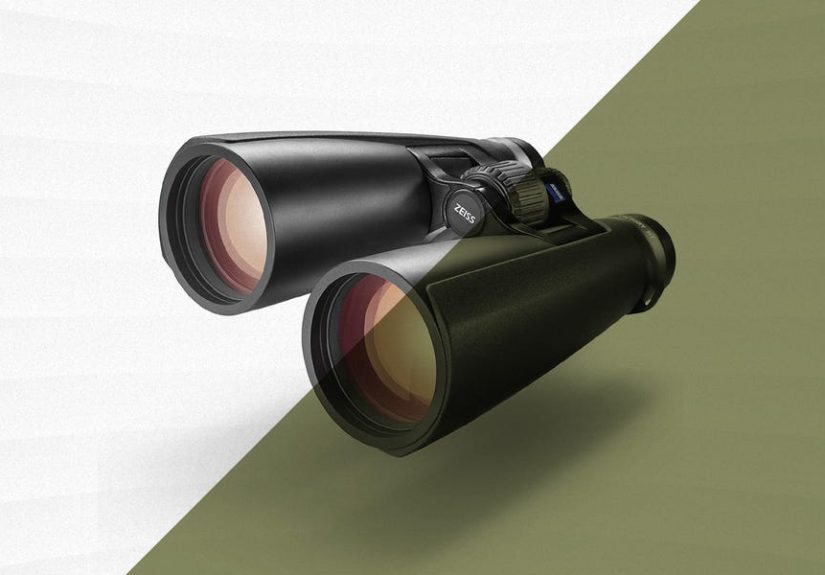
- 1. Zeiss SFL 10×40 Best Overall Hunting Binocular
- 2. Swarovski NL Pure 10×42 Best Premium Splurge
- 3. Zeiss Conquest HDX 10×42 Best Around the $1,000 Mark
- 4. Vortex Razor UHD 8×32 Best Compact Binocular for Bowhunting
- 5. Leupold BX-5 Santiam HD 10×42 Best for Long Days Behind Glass
- 6. Maven B.1.2 10×42 Best Direct-to-Consumer Premium Value
- 7. Nikon Monarch M7 10×42 Best Midrange Value
- 8. Leupold BX-2 Alpine HD 10×42 Best Budget Hunting Binocular
- How to Choose the Right Binocular for Your Style of Hunting
- Field Experiences: What Hunting Binoculars Are Really Like to Use
- Final Verdict
- SEO Tags
Good hunting binoculars do not just help you “see stuff.” They help you spot the ear flick in dark timber, judge distance across a sage flat, and save your legs from hiking toward every suspicious stump that turns out to be, well, a stump. In other words, the right binoculars can save time, reduce eye strain, and make you feel a lot smarter than you did five minutes ago.
The best hunting binoculars balance image quality, low-light performance, field of view, comfort, durability, and price. That sounds simple until you realize the market is packed with options that promise crystal-clear glass, edge-to-edge sharpness, and “legendary performance.” Every brand says its binoculars are rugged enough to survive a mountain, a truck bed, and probably the apocalypse. The truth is a little less dramatic and a lot more useful: some models are better for western glassing, some shine in thick timber, and some are perfect for hunters who want solid performance without taking out a second mortgage.
This guide breaks down the 8 best hunting binoculars for different types of hunters and budgets. I also cover what matters most before you buy, because a premium binocular that does not fit your style of hunting is just an expensive way to admire bark texture.
What Actually Matters in Hunting Binoculars
Magnification: 8x vs. 10x
For most hunters, 8x and 10x are the sweet spots. An 8x binocular usually gives you a wider field of view and a steadier image in the hand, which makes it especially handy in thick woods, turkey country, or bowhunting setups. A 10x binocular gives you more detail at distance, making it the classic pick for open-country mule deer, pronghorn, elk, and all the situations where your quarry seems to enjoy living one more ridge away than you do.
Objective Lens Size
The second number in a binocular spec tells you the objective lens diameter. A 10×42, for example, pairs 10x magnification with 42mm objective lenses. That 42mm class remains the all-around favorite because it gathers enough light for dawn and dusk while staying portable enough for all-day carry. Smaller 32mm or 40mm models cut weight. Larger 50mm or 52mm models improve low-light performance but feel heavier after mile six.
Low-Light Performance
Hunters spend a lot of time in the two parts of the day when light is worst and animals are most active. Better glass, coatings, prism quality, and overall optical design matter more than marketing jargon here. Cheap binoculars can look fine at noon and turn disappointing right when the woods get interesting.
Comfort and Eye Relief
Long glassing sessions can be brutal if the eyecups, focus wheel, or eye relief are poorly designed. If you wear glasses, pay extra attention to eye relief. If you plan to glass for hours on ridges, ergonomics matter almost as much as raw image quality. The best binocular is the one you will actually keep up to your face, not the one you admire once and then leave in the truck.
Weatherproofing and Build
Hunting binoculars should be waterproof, fogproof, and durable enough for rough weather, rough terrain, and rougher handling than any brand would like to admit. Rubber armor, sealed internals, dependable focus wheels, and a solid warranty all matter.
The 8 Best Hunting Binoculars
1. Zeiss SFL 10×40 Best Overall Hunting Binocular
If you want one pair that feels premium without carrying like a brick, the Zeiss SFL 10×40 is the standout all-around pick. It earns its place by blending excellent optics with a lighter, trimmer package than many full-size binoculars. That makes it especially appealing for mobile hunters who spend long days hiking and glassing instead of sitting in one place.
The viewing experience is crisp, bright, and impressively refined, with strong color fidelity and enough detail to make distant country easier to read. The lighter build is not just a nice bonus; it changes how willing you are to keep binoculars on your chest all day. That is a bigger deal than many buyers realize.
Best for: Hunters who want premium performance in a lighter full-size package.
Why it wins: Top-tier optics, smart ergonomics, and less neck punishment.
Potential downside: It is still a premium-priced optic, just a more rational premium.
2. Swarovski NL Pure 10×42 Best Premium Splurge
The Swarovski NL Pure 10×42 is what happens when a binocular stops being mere gear and starts behaving like an event. The image is huge, immersive, and wonderfully sharp to the edges. Hunters who live behind binoculars for hours at a time often talk about premium glass in almost suspiciously emotional terms, and this is the sort of optic that explains why.
Its ergonomics are also excellent, with a shape that feels balanced and steady in hand. For mountain hunters and serious spot-and-stalk folks, it is a dream tool. The catch is obvious: the price is steep. This is not the “best value” choice. It is the “I want the good stuff and I know it” choice.
Best for: Hunters who prioritize the absolute best viewing experience.
Why buy it: Elite edge-to-edge clarity, huge field of view, and superb handling.
Potential downside: Your wallet may need a support group afterward.
3. Zeiss Conquest HDX 10×42 Best Around the $1,000 Mark
The Zeiss Conquest HDX 10×42 sits in a sweet spot that many serious hunters love: expensive enough to deliver obviously premium performance, but not so expensive that you need to explain yourself to a financial advisor. It offers strong low-light ability, sharp edge-to-edge viewing, dependable mechanics, and a size that works for almost every kind of hunt.
This is the kind of binocular that makes you feel like you made a smart, adult purchase. It is versatile, comfortable, and capable in everything from whitetail woods to open-country scouting. If you want one do-it-all optic in the upper midrange, this is one of the safest bets on the board.
Best for: Hunters who want premium performance without entering ultra-premium territory.
Why buy it: Strong optics, practical features, and broad versatility.
Potential downside: The styling is functional rather than flashy.
4. Vortex Razor UHD 8×32 Best Compact Binocular for Bowhunting
The Vortex Razor UHD 8×32 is proof that compact does not have to mean compromised. This model is especially appealing for bowhunters, whitetail hunters in tighter cover, and anyone who wants smaller binoculars that still feel seriously capable. The lower magnification helps keep the image steady, and the compact frame carries beautifully in a chest harness.
The glass quality is excellent, and the smaller form factor makes it easier to deploy quickly. In the real world, that matters when you are trying to confirm antlers through brush instead of admiring the engineering. It is also a smart pick for hunters who walk a lot and hate bulky gear swinging off their chest.
Best for: Bowhunting, thick cover, and hunters who prioritize portability.
Why buy it: Premium compact design with very stable viewing.
Potential downside: Not the first choice for long-range glassing in huge country.
5. Leupold BX-5 Santiam HD 10×42 Best for Long Days Behind Glass
Leupold’s BX-5 Santiam HD 10×42 is a strong all-around hunting binocular with a particularly comfortable design for extended use. The open-bridge body feels good in hand, the image is bright and clean, and the overall package makes sense for hunters who spend serious time glassing rather than just checking a field edge for five minutes.
One of its biggest strengths is balance. It feels purpose-built for hunting, not like a birding model wearing camouflage to fit in. It works in open country, performs well in mixed terrain, and carries well enough for full-day use. If you want a hunting-first binocular from a brand with a strong field reputation, the Santiam deserves a very hard look.
Best for: Hunters who want comfort, glare control, and dependable all-around performance.
Why buy it: Strong optics, excellent ergonomics, and long-session comfort.
Potential downside: Fierce competition in its price tier.
6. Maven B.1.2 10×42 Best Direct-to-Consumer Premium Value
The Maven B.1.2 10×42 has built a loyal following for good reason. It delivers a premium feel, strong low-light performance, and sharp image quality in a package that often looks more expensive than it is. Maven’s direct-to-consumer model helps it compete aggressively in this category, and the result is a binocular that frequently punches above its price.
The B.1.2 is a particularly good fit for hunters who want upper-tier performance but are open to something a little less mainstream than the usual big-box stars. It has the optical quality for serious work while still feeling like a practical buy rather than an indulgent one.
Best for: Hunters who want premium-level viewing without chasing the most famous badge.
Why buy it: Excellent clarity, strong low-light ability, and very good value.
Potential downside: Fewer in-store hands-on opportunities than big retail brands.
7. Nikon Monarch M7 10×42 Best Midrange Value
The Nikon Monarch M7 10×42 is the easy recommendation for hunters who want a serious step up from entry-level glass without getting into premium prices. It is bright, sharp, and easy to use, and it performs well enough that many hunters could happily stop shopping right here and never feel deprived.
What makes the M7 appealing is not one dramatic trait but the lack of glaring weaknesses. It handles well, focuses smoothly, and works across a wide range of hunting situations. For deer hunters, new western hunters, and anyone building a practical kit, it is a strong middle-ground winner.
Best for: Hunters who want very good performance at a more approachable price.
Why buy it: Balanced performance, good clarity, and easy handling.
Potential downside: It does not have the wow factor of higher-tier European glass.
8. Leupold BX-2 Alpine HD 10×42 Best Budget Hunting Binocular
The Leupold BX-2 Alpine HD 10×42 is a smart budget hunting binocular because it focuses on the features hunters actually need: useful magnification, decent low-light ability for the price, weatherproofing, and a rugged build that does not feel flimsy. It is a no-nonsense optic for people who want performance first and bragging rights somewhere around tenth.
This is a particularly good choice for newer hunters, backup use, truck kits, or anyone who wants one reliable pair without spending premium money. It also comes across as genuinely hunting-friendly, not just budget-friendly. That distinction matters.
Best for: Beginners, budget-conscious hunters, and backup bino duty.
Why buy it: Honest value, practical design, and dependable field utility.
Potential downside: The image is good for the money, not magical.
How to Choose the Right Binocular for Your Style of Hunting
For Whitetail Hunting
If you hunt from a stand, blind, or edge habitat, you do not necessarily need giant magnification. An 8×42 or 10×42 usually makes the most sense. Comfort, quick focus, and low-light performance matter more than bragging about power.
For Western Hunting
Open country often rewards 10×42, 10×40, or even larger glass if you plan to glass from fixed positions. If you cover serious mileage, lighter models become more attractive in a hurry. The best western binocular is often the one that keeps you glassing longer because it weighs less and feels better.
For Bowhunting and Turkey Hunting
Compact binoculars like 8×32 or 8×42 models are often ideal. A wide field of view and steady image help you track movement in brush, timber, and broken terrain. Smaller binoculars also ride better on the chest and are easier to use one-handed when things get hectic.
Field Experiences: What Hunting Binoculars Are Really Like to Use
The funny thing about hunting binoculars is that most buying decisions happen at a desk, but most opinions are formed in bad weather, awkward light, and uncomfortable terrain. That is where differences between models stop being theoretical and become very real. A binocular that looks amazing on a spec sheet can feel clumsy after three miles. A lighter pair that seems only “slightly smaller” in a store can feel like a gift from above on a ridge at noon.
In thick whitetail woods, the best binocular experience is often about speed and forgiveness. You lift the glass, catch movement, and need the image to settle fast. This is where compact or lower-power models earn their keep. They feel less jumpy, they frame more of the woods at once, and they let you confirm whether that shape is a deer or just a branch with delusions of grandeur. In these moments, a comfortable eyecup and smooth focus wheel matter every bit as much as optical pedigree.
Out West, the experience changes completely. You might sit on a knob and pick apart distant folds of country for an hour at a time. Here, image quality becomes more than a luxury. Better glass reveals bedded animals sooner, helps you separate shadow from hide, and reduces the eye fatigue that creeps in during long sessions. Hunters who upgrade from average glass to genuinely good glass often report the same thing: they do not just see better, they see longer. That is a huge advantage when patience is the whole game.
Dawn and dusk are where the best hunting binoculars really flex. Plenty of budget optics are fine in broad daylight. Then evening rolls in, the timber gets dim, and suddenly the image loses contrast right when you are trying to decide whether to keep watching or make a move. Premium and upper-midrange binoculars usually handle this moment with more confidence. The image stays cleaner, brighter, and easier to interpret. No fireworks, no dramatic music, just a quiet edge when it counts.
Carry comfort is another underappreciated part of the real-world experience. Hunters talk endlessly about clarity, but after a full day on foot, comfort can become the deciding factor in whether binoculars stay on your chest or get stuffed into the pack. A well-balanced binocular with good ergonomics feels more “available,” and gear you can reach quickly tends to get used more often. That alone can make you more effective in the field.
Then there is the emotional side of good glass, which sounds silly until you use it. Strong binoculars make the hunt more immersive. They turn glassing from a chore into part of the fun. The view feels more detailed, more calm, and more convincing. You trust what you are seeing. That confidence helps you make better decisions, whether that means stalking, waiting, or realizing the “buck of a lifetime” is actually a juniper stump with excellent marketing.
The best hunting binocular is not automatically the most expensive one. It is the one that fits how you hunt, where you hunt, and how long you are willing to carry it. Get that match right, and every trip gets better.
Final Verdict
If I had to recommend one hunting binocular to the widest range of hunters, the Zeiss SFL 10×40 would get the nod for its premium performance, lighter weight, and outstanding versatility. Hunters who want the absolute top shelf should look hard at the Swarovski NL Pure 10×42. For smarter spending, the Zeiss Conquest HDX 10×42, Nikon Monarch M7 10×42, and Leupold BX-2 Alpine HD 10×42 cover three excellent price tiers.
At the end of the day, the best hunting binoculars are the ones that help you glass longer, spot sooner, and hunt more confidently. Also, it never hurts when they make your hiking partner say, “Wait, how did you see that?”