Table of Contents >> Show >> Hide
- Why a Hot Glue Holiday Garland Works So Well
- What You Need for a Holiday Garland Hot Glue DIY
- Choose a Garland Style Before You Start
- Step-by-Step: How to Make a Holiday Garland From Hot Glue DIY Supplies
- Best Material Combinations for a Gorgeous DIY Holiday Garland
- Hot Glue Tips That Make the Project Easier
- Common Mistakes to Avoid
- How to Style Your Finished Holiday Garland
- How to Store It for Next Year
- Why This DIY Is Worth Trying
- Experience and Lessons Learned From Making a Hot Glue Holiday Garland
- Conclusion
The holidays do something magical to otherwise sensible adults. One minute you are calmly drinking coffee, and the next you are standing in a craft aisle whispering, “Yes, I do need twelve tiny bells and three kinds of ribbon.” If that sounds familiar, welcome home. A hot glue holiday garland is one of the easiest ways to make your space feel festive without draining your wallet, your patience, or your entire Saturday.
This DIY project is simple, customizable, and surprisingly forgiving. You do not need to be a professional crafter with a studio, a ring light, and a suspiciously perfect apron. You just need a glue gun, a few basic supplies, and the willingness to embrace the occasional glue string that appears out of nowhere like a holiday ghost.
In this guide, you will learn how to make a holiday garland from hot glue DIY materials, how to choose the right supplies, how to avoid the common mistakes that turn “charming handmade” into “what happened here,” and how to style your finished garland so it looks intentional, festive, and cheerful.
Why a Hot Glue Holiday Garland Works So Well
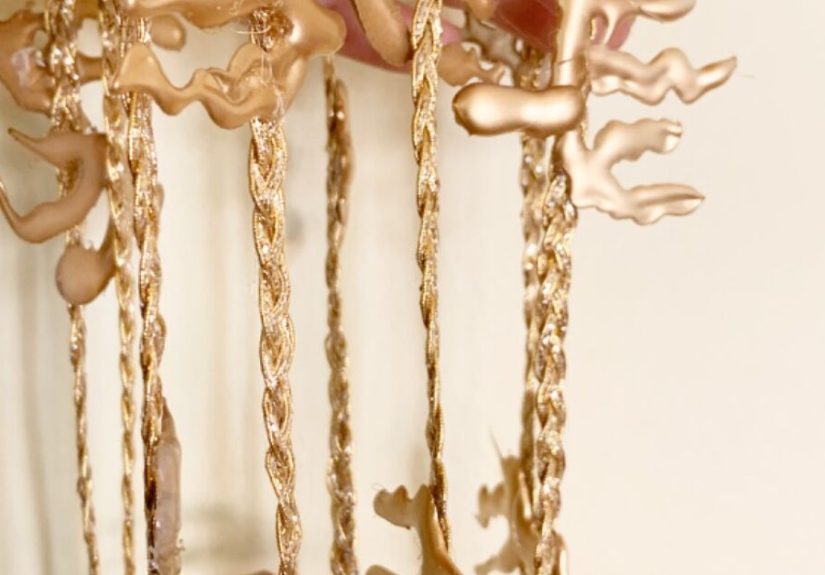
A holiday garland made with hot glue works because it is flexible in every sense of the word. You can keep it rustic with pinecones and jute, make it glamorous with metallic ribbon and beads, or go playful with felt shapes, mini ornaments, and tiny faux berries. Hot glue is especially useful for this kind of craft because it bonds quickly, layers easily, and helps you build decorative clusters fast.
It is also beginner-friendly. You do not need sewing skills, woodworking tools, or a deep emotional relationship with floral wire. If you can place an item on twine and say, “Yep, that looks cute,” you are already halfway there.
What You Need for a Holiday Garland Hot Glue DIY
Basic supplies
- Hot glue gun
- Glue sticks
- Twine, ribbon, jute cord, or lightweight rope
- Scissors
- Wax paper or parchment paper for your workspace
- Command hooks, removable hooks, or small nails for hanging
Decorative supplies
- Faux greenery or mini evergreen sprigs
- Pinecones
- Mini ornaments
- Felt leaves, stars, or snowflakes
- Ribbon bows
- Wood beads
- Dried orange slices
- Jingle bells
- Artificial berries
- Glitter or metallic paint, if you want sparkle
If you are working with delicate materials like ribbon, lace, foam, or lightweight fabric, a low-temperature glue gun is the safer choice. If you are attaching heavier pieces such as wood beads, thicker pinecones, or denser ornament clusters, a dual-temperature or higher-temp glue gun may give you a better hold. That one small choice can save you a lot of frustration and at least two dramatic speeches directed at your craft table.
Choose a Garland Style Before You Start
Before you start gluing with reckless holiday optimism, decide what kind of garland you want. That makes your project faster, neater, and much more likely to match your décor.
1. Rustic holiday garland
Use jute, pinecones, faux cedar, wood beads, and dried orange slices. This style looks warm, natural, and perfect for mantels, stair rails, and farmhouse-inspired spaces.
2. Classic Christmas garland
Use faux greenery, red berries, satin ribbon, bells, and gold accents. This style works well if you want a traditional holiday look without buying a full pre-made garland.
3. Modern minimalist garland
Use neutral ribbon, white felt stars, unfinished wood beads, and simple greenery. It is clean, stylish, and very “I own matching storage bins.”
4. Playful family garland
Use colorful felt shapes, pom-poms, paper pieces, and mini ornaments. This version is great for kids’ rooms, breakfast nooks, or anyone whose holiday theme is “more is more.”
Step-by-Step: How to Make a Holiday Garland From Hot Glue DIY Supplies
Step 1: Measure your space
Measure the mantel, staircase, doorway, shelf, or wall where the garland will hang. Then add a little extra length if you want a soft drape instead of a pulled-tight line. A garland with a relaxed curve usually looks fuller and more elegant than one stretched like it owes somebody money.
Step 2: Cut your base
Cut your twine, jute cord, ribbon, or rope to size. Lay it flat on your work surface. If you want a layered look, use two strands side by side and connect decorations across both.
Step 3: Plan the design before gluing
This step is wildly underrated. Arrange your pinecones, bows, greenery, beads, and ornaments along the cord before you attach anything. Space larger elements first, then fill in the gaps with smaller details. This helps you avoid the classic crafting problem of one side looking perfect and the other side looking like you lost focus halfway through a holiday movie.
Step 4: Create decorative clusters
Instead of gluing each item one by one directly onto the cord, build small clusters first. For example, combine one pinecone, two sprigs of faux greenery, and a small bow. Or pair three felt stars with a bead and a ribbon tail. Clusters add dimension and make the garland look fuller without requiring a truckload of supplies.
Step 5: Glue carefully and work in sections
Place your cord on wax paper or parchment paper so stray glue does not weld your project to the table forever. Add hot glue to the back of each cluster and press it onto the cord. Hold it for a few seconds until set. Work in sections rather than racing from one end to the other. Hot glue sets quickly, which is helpful unless you are still changing your mind every six seconds.
Step 6: Reinforce heavier pieces
For heavier embellishments, use both hot glue and a mechanical helper such as floral wire, thin craft wire, or looped twine. This is especially smart for pinecones, chunky beads, and mini ornaments. The goal is holiday magic, not holiday cleanup after something falls off onto the dog.
Step 7: Add final details
Once the main decorations are attached, go back and fill sparse spots with tiny accents such as berries, bells, mini bows, or trimmed greenery. This is where your garland starts looking polished rather than merely assembled.
Step 8: Let it cool completely
Before hanging, give the garland time to cool and set. Then lift it gently from the work surface and check for loose pieces. If anything wobbles, add a small reinforcement dab of glue.
Best Material Combinations for a Gorgeous DIY Holiday Garland
Pinecones + jute + red ribbon
This combination feels cozy and classic. The texture of the pinecones contrasts nicely with soft ribbon, and the jute keeps everything grounded and rustic.
Felt stars + metallic thread + wood beads
This is ideal if you want a handmade look without going too country or too glitter-crazy. It feels cheerful, simple, and easy to adapt to different color palettes.
Mini ornaments + faux cedar + velvet bows
If your holiday aesthetic leans elegant, this combination does the job. Use a limited palette such as green, gold, and cream for a high-end look.
Dried orange slices + cinnamon sticks + greenery
This version looks charming and smells fantastic if you are using real dried elements. It is especially pretty in kitchens, dining rooms, or entryways.
Hot Glue Tips That Make the Project Easier
Use the right temperature
Low-temp glue is better for fragile materials. High-temp glue is better for tougher, heavier pieces. If you are unsure, test on a small scrap first instead of discovering too late that your ribbon now looks like warm lettuce.
Keep a silicone mat or parchment underneath
It protects your table and makes cleanup far less dramatic.
Apply glue in small amounts
More glue does not always mean more strength. Often it just means more mess. Thin, controlled lines or dots usually work best.
Trim glue strings as you go
Hot glue strings are the glitter of adhesive. They travel. Keep small scissors nearby and snip them before they multiply.
Unplug when you are done
This sounds obvious, but holiday crafting has a way of distracting people with snacks, music, and “just one more bow.” Make unplugging part of your routine.
Common Mistakes to Avoid
Making the garland too heavy for the hanging spot
If you are using lots of ornaments, pinecones, or beads, make sure your hooks or support points can handle the weight.
Overcrowding every inch
Negative space is your friend. A few open areas make the decorated sections look richer and more intentional.
Skipping the test layout
Planning first saves glue, time, and regret.
Ignoring color balance
If all the red pieces land on one side and all the greenery on the other, the finished garland can look uneven. Spread your colors visually across the whole length.
Using flimsy cord for bulky decorations
Delicate ribbon is lovely, but if your decorations are heavy, switch to a sturdier base and use ribbon as an accent.
How to Style Your Finished Holiday Garland
On a mantel
Let it drape slightly in the center and pair it with candles, lanterns, or stockings. Keep the colors coordinated so the whole display feels intentional.
On a staircase
Wrap the garland gently around the banister and secure it in a few places rather than one long unsupported swoop. Add ribbon tails for extra movement.
Over a doorway
This is a great place for a lightweight garland. Keep the decorations flat enough that they do not flop forward every time someone enters the room carrying cookies.
On open shelving
Drape shorter sections across shelves or cabinets for a smaller pop of holiday spirit. Mini garlands are excellent if you want festive touches without turning the whole room into a snow globe.
How to Store It for Next Year
Once the season ends and the holiday songs have finally left your brain, store the garland carefully so your hard work survives until next year. Wrap it loosely around a piece of cardboard or an empty wrapping paper tube. Avoid crushing bows, greenery, or felt pieces. Place the wrapped garland in a labeled storage bin, and tuck fragile clusters between sheets of tissue paper.
This extra five minutes in January will save you from opening a box next December and finding what looks like a festive tumbleweed.
Why This DIY Is Worth Trying
A hot glue holiday garland is one of those crafts that offers an unusually good return on effort. It is affordable, customizable, and easy to adapt to your style. You can make it fancy, simple, rustic, colorful, or elegant. You can also reuse leftover materials from other holiday projects, which feels efficient and slightly heroic.
Most important, it gives your home personality. Store-bought decorations can be beautiful, but handmade garlands have charm. They tell a tiny story about your taste, your creativity, and your willingness to hot-glue pinecones while pretending you are totally in control.
Experience and Lessons Learned From Making a Hot Glue Holiday Garland
The first time I made a holiday garland with hot glue, I made the same mistake many people make: I thought “simple project” meant “zero planning required.” I dumped ribbon, pinecones, faux greenery, bells, and beads onto the table and assumed inspiration would float down from the ceiling like craft-scented snow. Instead, I ended up with one section that looked magazine-worthy, one section that looked confused, and one section that seemed to have been designed by a raccoon with access to satin ribbon.
That experience taught me the biggest lesson of this DIY: layout matters more than people think. Once I started arranging the pieces before gluing them, everything improved. The garland looked fuller, more balanced, and much less accidental. I also learned that making mini clusters first is a game changer. A pinecone plus a sprig of greenery plus a bow has a finished, layered look. A lonely pinecone stuck randomly onto twine looks like it got separated from its friends.
Another thing I learned is that hot glue is incredibly helpful, but it is not magic. For lightweight pieces, it works beautifully on its own. For heavier materials, it appreciates backup. When I tried attaching chunky ornaments with glue alone, some held perfectly while others staged a dramatic exit the moment I lifted the garland. Adding wire loops or tying a few elements onto the base made the whole project sturdier and far less nerve-racking.
I also discovered that color editing is the secret sauce. At first, I wanted to use every festive item in sight because the holidays are joyful and self-control is seasonal fiction. But once I narrowed the palette to deep green, warm gold, and red, the garland instantly looked more polished. The same thing happened with a neutral version I made later using cream ribbon, wood beads, and soft green faux cedar. It was simpler, calmer, and honestly looked much more expensive than it was.
Perhaps my favorite part of this project is how adaptable it is. I have made versions for a mantel, a window, and a bookshelf, and each one needed a slightly different approach. Mantels can handle fuller designs. Shelves do better with smaller, lighter details. Doorways need decorations that do not swing wildly every time somebody walks by like they are entering a holiday saloon.
There is also something wonderfully satisfying about using ordinary craft supplies to make something that feels personal. A store-bought garland can be lovely, but a DIY garland feels tied to a moment. You remember the ribbon you almost did not buy, the pinecones you nearly painted, the bow that fought you for fifteen minutes, and the final result that somehow made the room feel warmer. It is the kind of craft that creates décor and a memory at the same time.
If I could give one final piece of real-world advice, it would be this: start simpler than you think you need to. You can always add more berries, bells, glitter, or greenery. It is much harder to rescue a garland that has become visually loud, physically heavy, and emotionally exhausting. Begin with a clean base, space out the focal elements, and let the design breathe. Then step back, squint a little, and add only what it truly needs.
That method has saved me from overdoing it more than once. Well, almost more than once. I am still only human, and holiday ribbon is very persuasive.
Conclusion
If you want a festive project that is affordable, creative, and genuinely fun, learning how to make a holiday garland from hot glue DIY supplies is an excellent place to start. It is easy enough for beginners, flexible enough for experienced crafters, and customizable enough to fit everything from cozy farmhouse décor to modern holiday minimalism.
Gather your supplies, plan your layout, work in simple sections, and let hot glue do the heavy lifting. With a little patience and a good eye for balance, you can create a holiday garland that looks charming, personal, and ready for its close-up.