Table of Contents >> Show >> Hide
- Why Potted Plants Need Extra Winter Protection
- Step 1: Sort Your Plants Before Winter Gets Serious
- Step 2: Check the Plant’s Hardiness Zone
- Step 3: Water Before Winter, But Do Not Drown Them
- Best Ways to Overwinter Potted Plants You Did Not Plant
- Method 1: Sink the Pots Into the Ground
- Method 2: Store Pots in an Unheated Garage, Shed, or Cold Basement
- Method 3: Group Pots Outdoors and Insulate Them
- Method 4: Use a Cold Frame
- Method 5: Bring Tender Plants Indoors
- What About Bulbs, Tubers, and Rhizomes?
- How to Overwinter Potted Strawberries
- Winter Watering: The Part Everyone Forgets
- Common Mistakes to Avoid
- Spring: How to Wake Plants Up Safely
- Practical Experience: What Actually Works in Real Gardens
- Conclusion
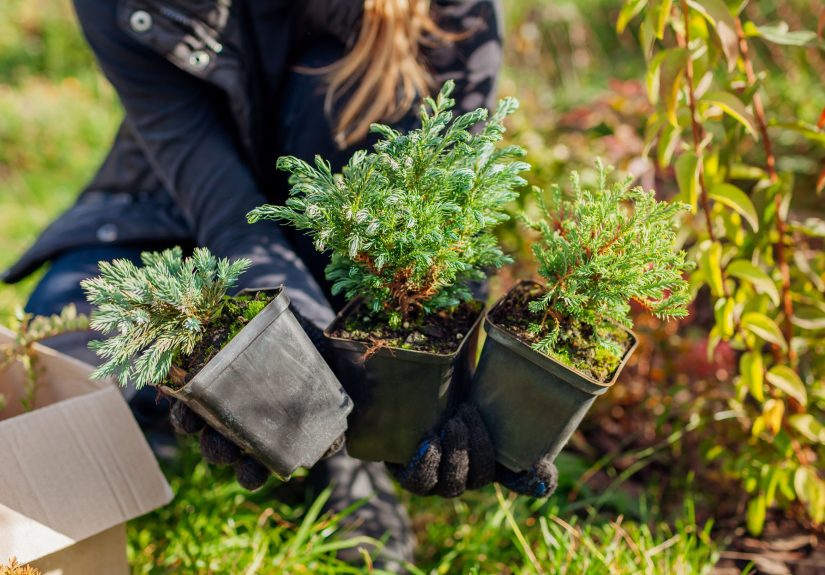
Every gardener has had that moment: you buy a few perennials, shrubs, herbs, or small trees with heroic confidence, then life walks in wearing muddy boots. Suddenly it is late fall, the soil is cold, the days are short, and those poor nursery pots are still sitting by the garage like guests who were invited to dinner and never shown to the table.
Good news: forgetting to plant them is not an automatic plant funeral. With the right winter protection, many potted plants can survive until spring. The trick is understanding one important truth: roots in containers are much more exposed to cold than roots in the ground. A plant that would laugh at winter when planted in soil may sulk dramatically, or die completely, when left above ground in a thin plastic pot.
This guide explains how to overwinter potted plants you did not get around to planting, including perennials, shrubs, young trees, herbs, strawberries, tender bulbs, and tropical patio plants. You will learn where to put them, how much to water, when to mulch, what not to bring indoors, and how to avoid turning your garage into a botanical crime scene.
Why Potted Plants Need Extra Winter Protection
In the ground, soil acts like a giant insulated blanket. It warms and cools slowly, protecting roots from wild temperature swings. In a container, the root ball is surrounded by air on all sides. That means freezing wind, hard frosts, and sudden warm-cold cycles can attack the roots much faster.
This is why overwintering potted plants is different from simply leaving them on the patio and hoping for the best. Hope is lovely. Hope is not insulation.
Container-grown plants face several winter risks:
- Root freeze injury: Roots are often less cold-hardy than stems and branches.
- Freeze-thaw cycles: Repeated freezing and thawing can push plants upward or crack potting mix.
- Dry roots: Cold air and wind can dry containers, especially evergreen plants.
- Poor drainage: Waterlogged pots may freeze solid or cause root rot.
- Warm indoor storage: Some hardy plants need cold dormancy and should not be treated like houseplants.
Step 1: Sort Your Plants Before Winter Gets Serious
Before choosing an overwintering method, divide your unplanted potted plants into groups. Not every plant wants the same winter vacation package.
Hardy Perennials
Hardy perennials such as hostas, daylilies, coneflowers, sedum, ornamental grasses, and many native plants usually need cold dormancy. They do not want to spend winter beside your couch pretending to enjoy central heating. These plants are often best stored in an unheated garage, buried in the ground, or grouped outdoors with heavy insulation.
Shrubs and Young Trees
Small shrubs and trees in nursery pots can often survive winter if their roots are protected. Deciduous shrubs may look completely asleep, but their roots still need protection from extreme cold and drying. Evergreens need extra attention because they continue losing moisture through their leaves or needles during winter.
Evergreen Plants
Boxwood, holly, arborvitae, rhododendron, dwarf conifers, and other evergreens are especially prone to winter burn when roots cannot replace moisture lost from foliage. They should be watered well before the soil freezes and protected from harsh wind and bright winter sun.
Tender Perennials and Tropicals
Plants such as hibiscus, bougainvillea, mandevilla, citrus, geraniums, cannas, caladiums, and tuberous begonias may not survive freezing temperatures. Some can be overwintered indoors as houseplants, some can be stored dormant, and some are honestly not worth the emotional real estate if you have no light or space.
Step 2: Check the Plant’s Hardiness Zone
A plant’s USDA hardiness rating tells you how cold it can usually survive when planted in the ground. Containers change the equation. Because roots in pots are more exposed, a common rule of thumb is to choose plants rated about two zones colder than your area if you plan to overwinter them outdoors in containers.
For example, if you garden in Zone 6, a perennial hardy to Zone 4 has a better chance of surviving winter in a pot than one barely hardy to Zone 6. This does not guarantee success, but it improves the odds. Gardening, like baking bread and assembling furniture, rewards people who respect the instructions before improvising wildly.
Step 3: Water Before Winter, But Do Not Drown Them
One of the biggest mistakes people make is assuming dormant plants need no water. They need less water, yes, but not zero. Before storing or protecting potted plants for winter, water them thoroughly so the root ball is evenly moist.
Moist potting mix freezes more slowly than dry mix and helps reduce root stress. This is especially important for evergreens, newly purchased shrubs, and any plant sitting in a lightweight nursery container. During winter, check the pots occasionally. If the potting mix is dry and not frozen, water lightly.
The goal is “slightly moist,” not “swamp with leaves.” Too much water can cause rot, especially in cold storage areas with little air movement.
Best Ways to Overwinter Potted Plants You Did Not Plant
Method 1: Sink the Pots Into the Ground
If your soil is still workable, burying the pot is one of the most reliable ways to overwinter hardy potted plants. This method gives roots the insulation they would have had if you had planted them properly. Consider it the gardener’s version of “better late than never.”
How to Do It
- Choose a protected garden area with good drainage.
- Dig a hole deep enough so the rim of the pot sits at or slightly below soil level.
- Place the entire pot in the hole.
- Backfill soil around the pot to remove air pockets.
- Water well.
- Add mulch after the ground begins to freeze.
This works well for many perennials, small shrubs, young trees, and strawberries in containers. In spring, lift the pot, inspect the roots, and plant it properly once the soil can be worked.
Method 2: Store Pots in an Unheated Garage, Shed, or Cold Basement
An attached unheated garage, three-season porch, shed, or cool basement can be a good winter home for hardy potted plants. The ideal storage area stays cold enough to keep plants dormant but not so cold that the root ball freezes repeatedly into a block of botanical sadness.
For many hardy plants, temperatures around 20°F to 45°F are useful for dormancy. The space should be dark or dim for dormant perennials and deciduous shrubs. Light is less important when the plant has dropped its leaves, but temperature stability is very important.
Garage Storage Tips
- Place pots directly on the floor rather than on shelves where temperatures may fluctuate more.
- Group pots together to reduce exposure.
- Check soil moisture once or twice a month.
- Keep plants away from heaters, sunny windows, and car exhaust.
- Do not fertilize during dormancy.
If the garage warms up too much on sunny winter days, plants may break dormancy early. That sounds exciting until tender new shoots get blasted by the next freeze. Keep them cool and boring. In winter plant care, boring is often excellent.
Method 3: Group Pots Outdoors and Insulate Them
If you cannot dig and do not have indoor cold storage, group pots outdoors in a protected place. Choose the north or east side of a building, near a fence, or another spot shielded from strong wind and harsh winter sun.
Set the pots close together on the ground. Do not leave them hanging or raised on a deck where cold air can attack from below. Then surround the containers with insulating material.
Good Insulation Materials
- Shredded leaves
- Straw
- Wood mulch
- Evergreen boughs
- Burlap
- Straw bales
- Bags of dry leaves placed around pots
Focus insulation around the container, not just on top of the plant. The roots are the vulnerable part. A fashionable burlap scarf around the stems may look charming, but the pot itself needs protection.
Method 4: Use a Cold Frame
A cold frame can protect slightly tender perennials, young starts, and small potted plants from harsh weather. It is not a tropical greenhouse. It is more like a winter jacket with a clear lid. It may only be a few degrees warmer than the outside air, but those few degrees can matter during cold snaps.
Place the cold frame where it receives winter sun but is protected from strong north or northwest winds. Vent it on warm days so plants do not overheat. Close it before temperatures drop at night. During extreme cold, add a blanket, straw mat, or other temporary cover over the frame.
Method 5: Bring Tender Plants Indoors
Tropical patio plants and tender perennials need a different strategy. They may not tolerate freezing at all, so cold storage outdoors is not enough. Depending on the plant, you can either grow it indoors as a houseplant or store it dormant.
Plants That May Grow Indoors
Hibiscus, citrus, palms, ficus, schefflera, some herbs, and smaller tropicals may overwinter indoors if you have bright light. Before bringing them inside, inspect leaves, stems, and soil for pests. Spider mites, aphids, whiteflies, and scale insects love indoor winter conditions almost as much as people love pretending they will organize the garage in November.
Wash foliage gently, prune overly large plants, and isolate new arrivals for a week or two if possible. Place them near the brightest window available or under grow lights.
Plants That Can Go Dormant
Some tender plants, including certain geraniums, hibiscus, bougainvillea, and mandevilla, may be stored dormant in a cool, non-freezing area. They may drop leaves and look unimpressive all winter. That is normal. Keep the root system barely moist and avoid overwatering.
What About Bulbs, Tubers, and Rhizomes?
If your unplanted containers include dahlias, cannas, caladiums, gladiolus, or tuberous begonias, treat them differently from hardy perennials. Many of these plants are stored as bulbs, tubers, corms, or rhizomes after frost.
Cut back the top growth after frost damages the foliage. Let the storage organs cure in a dry, cool place. Then remove excess soil and store them in peat moss, sawdust, vermiculite, or another dry medium. Keep them cool, dark, and just above freezing. Check occasionally for rot or shriveling.
Do not store tender tubers in soggy soil. That is not overwintering; that is making compost with extra steps.
How to Overwinter Potted Strawberries
Strawberries in containers are especially vulnerable because their crowns and roots are exposed to cold. If possible, bury the container so the plant crowns sit near ground level. Then cover with straw or leaves after cold weather arrives.
If burying is not possible, move strawberry pots to a protected area and mound soil, mulch, straw, or bags of leaves around the container. The goal is to keep the roots cold but insulated, not warm and growing.
Winter Watering: The Part Everyone Forgets
During winter, check stored pots every few weeks. Stick a finger into the potting mix if it is not frozen. If it feels completely dry, water lightly on a day when temperatures are above freezing. This matters most for evergreens and plants stored under cover, where rain and snow cannot reach the soil.
Do not water frozen pots. Water cannot move properly through frozen media, and extra moisture may worsen freeze damage. Also avoid fertilizing. Fertilizer encourages growth, and winter is not the season for pep talks.
Common Mistakes to Avoid
Leaving Pots Exposed on a Deck
A deck exposes containers to cold air from above, below, and all sides. Move pots to the ground, cluster them, and insulate them.
Bringing Hardy Plants Into a Warm Living Room
Hardy perennials and shrubs often need cold dormancy. A warm room can confuse them into growing too early, leading to weak shoots and spring stress.
Mulching Too Early
Apply heavy mulch after the ground begins to freeze. Mulching too early can keep soil warm and invite rodents to move in. Nobody wants to open a mulch pile in spring and discover a mouse condo association.
Forgetting to Label Plants
By February, every dormant pot looks like a container of dirt with trust issues. Label each plant before storing it.
Letting Plants Dry Out Completely
Dormant does not mean dead. Keep roots slightly moist, especially in garages, sheds, and covered outdoor storage areas.
Spring: How to Wake Plants Up Safely
When spring approaches, resist the urge to drag every pot into full sun at the first warm afternoon. Plants stored in darkness or shade need gradual reintroduction to light and wind.
- Remove heavy mulch gradually once severe cold has passed.
- Move pots into bright shade for several days.
- Increase sun exposure slowly.
- Water when the potting mix begins to dry.
- Trim dead stems after new growth appears.
- Plant in the ground once soil is workable and appropriate for that plant.
Some plants may look dead before they wake up. Scratch a small section of woody stem with your fingernail. Green tissue underneath means life is still present. For perennials, wait for crown growth before declaring defeat.
Practical Experience: What Actually Works in Real Gardens
After years of watching gardeners rescue “I meant to plant that” purchases, one lesson becomes clear: the best overwintering method is the one you will actually do before the weather turns ugly. The perfect method written in a notebook does not protect plants. A quick, imperfect setup with mulch, water, and wind protection often saves more plants than an elaborate plan postponed until the ground is frozen like a brick.
For most hardy perennials, sinking pots into the ground is the most forgiving option. It keeps roots insulated, reduces watering problems, and prevents pots from tipping over in winter storms. If you have a vegetable bed, empty annual bed, or unused corner, it can become a temporary plant hotel. The plants do not care if the location is glamorous. They care that their roots are not exposed to single-digit air.
Garage storage is convenient, but it requires attention. Many gardeners put pots in the garage in November and rediscover them in March looking like ancient archaeological artifacts. The fix is simple: set a monthly reminder to check moisture. If the soil is dry and thawed, water lightly. If the garage is very warm, move the plants closer to the coldest safe wall or consider outdoor insulation instead.
Outdoor grouping works best when you are generous with insulation. A thin sprinkle of leaves is not enough. Think in terms of surrounding the pots with a thick buffer. Bags of leaves are surprisingly useful because they are easy to move, stay contained, and create a windbreak around containers. Straw bales also work well, especially around larger pots. Just keep insulation from packing wet and tight against crowns that dislike soggy conditions.
Evergreens deserve special treatment. They may look tough, but they lose moisture all winter. A small potted boxwood placed in a windy, sunny spot can dry out even when temperatures are cold. For evergreens, choose shade from winter sun, block wind, water before freeze-up, and check moisture during dry spells. If the foliage browns in spring, the issue may have been winter drying rather than cold alone.
Tender plants require honesty. If you have one sunny window and twenty giant tropical containers, do not turn your home into a stressed jungle unless you truly enjoy that lifestyle. Save the favorites. Take cuttings if appropriate. Store dormant plants that tolerate dormancy. Let go of the rest and buy smaller, healthier plants next year. Gardening is supposed to bring joy, not transform your dining room into a humid obstacle course.
One more real-world tip: photograph your pots before storing them. Include the label in the photo. In spring, when everything looks like brown sticks, those photos help you remember what is what, where it should be planted, and whether it was worth saving. Future you will be grateful, and future you is already dealing with enough weeds.
The main idea is simple: protect roots, maintain dormancy, prevent drying, and avoid sudden temperature swings. Do those four things, and many potted plants you did not get around to planting can make it safely to spring. They may not send you a thank-you card, but they will leaf out, bloom, and quietly pretend the whole delay was part of the plan.
Conclusion
Overwintering potted plants you did not get around to planting is not complicated, but it does require timing and common sense. Hardy perennials, shrubs, and young trees usually need cold protection rather than warm indoor conditions. Burying pots, storing them in an unheated garage, grouping and insulating them outdoors, or using a cold frame can all work well when matched to the plant. Tender tropicals and bulbs need different handling, often indoors or in cool dormant storage.
Water before winter, check moisture occasionally, protect roots from extreme cold, and avoid pushing plants into early growth. With a little effort, your forgotten pots can survive the season and become a proper part of the garden in spring. In other words, procrastination does not have to be fatal. It just needs mulch.
Note: This article is an original, publication-ready synthesis based on real U.S. university extension horticulture guidance and practical gardening methods. No source links or citation placeholders are included in the HTML.