Table of Contents >> Show >> Hide
- Why Not Texting Back Can Feel Like a Big Deal
- What He Thinks When You Don’t Text Back: 12 Possibilities
- 1. “She’s probably busy.”
- 2. “Did I say something wrong?”
- 3. “Maybe she’s not interested anymore.”
- 4. “She’s playing hard to get.”
- 5. “She has a life, and that’s attractive.”
- 6. “I should give her room.”
- 7. “I feel ignored.”
- 8. “Should I text again or wait?”
- 9. “Maybe she’s upset with me.”
- 10. “I’m not going to chase.”
- 11. “This feels familiar, and I don’t like it.”
- 12. “I need to ask directly instead of guessing.”
- How to Respond After You Haven’t Texted Back
- What Not to Do When You Finally Reply
- Healthy Texting Habits That Keep Dating Less Stressful
- Experience-Based Insights: What This Situation Feels Like in Real Life
- Conclusion
- SEO Tags
Ever left a guy on read and wondered whether his brain quietly turned into a courtroom drama? You are not alone. In modern dating, a delayed text can feel like a tiny blinking cursor with way too much emotional power. One person is busy making coffee, finishing homework, sitting in a meeting, or simply needing a social battery recharge. The other person may be staring at their phone like it owes them rent.
The truth is simple but slightly annoying: you cannot know exactly what he thinks when you do not text back unless he tells you. However, there are common possibilities. His reaction may depend on his personality, confidence level, attachment style, communication habits, relationship history, and how clear the connection is between you two.
This guide breaks down 12 realistic possibilities behind what he may be thinking when you do not respond right away, plus how to handle texting gaps without turning your love life into a detective series with bad lighting.
Why Not Texting Back Can Feel Like a Big Deal
Texting is fast, convenient, and dangerously easy to overanalyze. A short delay can become a story: “He hates me,” “She lost interest,” “I said something weird,” or “Maybe the phone fell into a volcano.” In dating, especially during the talking stage, text messages often act as tiny signals of interest. When one person does not reply, the other may fill the silence with guesses.
But texting is not the same as real emotional commitment. Some people are naturally quick responders. Others reply slowly because they are busy, distracted, overwhelmed, or simply not glued to their phone. A healthy connection leaves room for life outside the screen. A stressful one makes every notification feel like a test.
What He Thinks When You Don’t Text Back: 12 Possibilities
1. “She’s probably busy.”
This is the calm, emotionally balanced possibility. A secure guy may not panic when you do not text back immediately. He may assume you are working, studying, driving, sleeping, hanging out with family, or just living a normal human life. Revolutionary concept, right?
If he has a healthy sense of self and trusts the connection, he will not treat a delayed reply like a personal rejection. He may check his phone later, smile when you respond, and continue the conversation without drama. This is usually a green flag because it shows patience and emotional maturity.
2. “Did I say something wrong?”
If the conversation ended after he sent a joke, compliment, question, or slightly awkward message, he may replay it in his head. He might wonder whether he came on too strong, sounded boring, or accidentally said something that changed the vibe.
For example, if he texted, “I had a really good time with you,” and you did not respond for hours, he may wonder whether the feeling was not mutual. That does not mean you did anything wrong. It just means silence can feel louder when someone has been emotionally vulnerable.
3. “Maybe she’s not interested anymore.”
When someone likes you, a delayed reply can trigger doubt. He may think your silence means your interest faded, especially if the connection is new. In early dating, there is often not enough trust yet to interpret silence generously.
This is why consistency matters. You do not need to be available 24/7, but if you regularly disappear for long stretches without explanation, he may start reading it as disinterest. A simple “Busy day, I’ll text you later” can save both people from starring in a mental soap opera.
4. “She’s playing hard to get.”
Some guys may interpret delayed texting as a strategy. They might think you are trying to seem mysterious, create tension, or make him chase you. This idea often comes from dating advice that treats communication like a board game instead of a real connection.
Here is the problem: playing games can attract people who enjoy games. If you intentionally delay every reply to control his reaction, the relationship can become a scoreboard. A healthier approach is to text when you genuinely want to and communicate boundaries when you need space.
5. “She has a life, and that’s attractive.”
For some men, your ability to be offline is actually appealing. It suggests you have friends, goals, hobbies, responsibilities, and a sense of independence. You are not waiting by the phone like it is the final rose ceremony.
That said, independence and inconsistency are not the same thing. Having a life is attractive. Making someone feel repeatedly ignored is not. The sweet spot is staying engaged while still having healthy space.
6. “I should give her room.”
A respectful guy may notice you have not replied and decide not to crowd you. He may avoid double texting because he does not want to pressure you. This is especially likely if he values boundaries or knows you are busy.
This kind of response is a good sign when it comes with warmth later. If he says, “No worries, hope your day went well,” he is showing patience. He is not punishing you for being unavailable. He is simply making space.
7. “I feel ignored.”
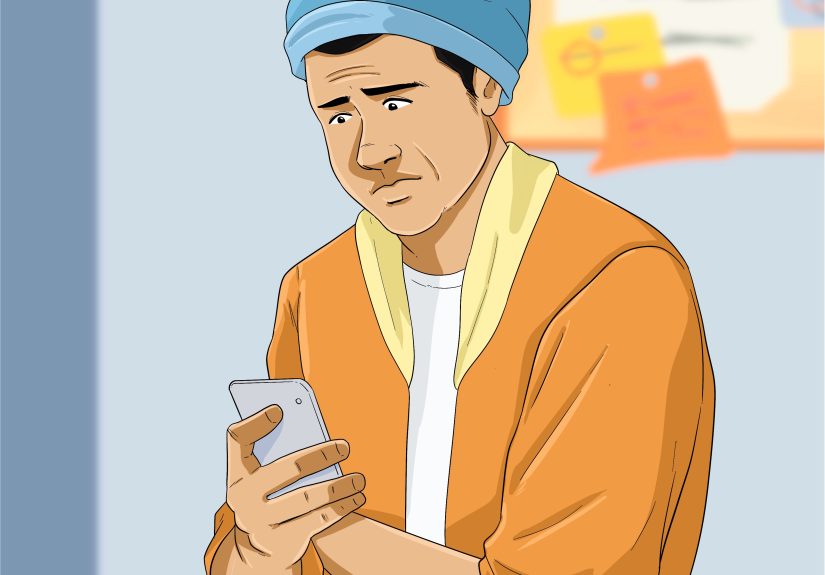
Even emotionally mature people can feel a little hurt when they are left hanging, especially if the message was meaningful. If he asked a thoughtful question or tried to make plans and you did not respond, he may feel dismissed.
This does not mean you owe instant access to your time. It does mean that communication affects people. If you care about the connection, acknowledge the delay when you return: “Sorry, today got hectic. I wanted to answer when I could actually focus.” That small sentence can repair a lot.
8. “Should I text again or wait?”
Ah, the double-text dilemma. He may be debating whether another message looks confident or desperate. One side of his brain says, “Just check in.” The other side says, “Absolutely not. Preserve your dignity, sir.”
If he sends a second friendly message after a reasonable amount of time, it does not automatically mean he is clingy. But if he sends five messages, changes tone, or demands an answer, that is different. Interest should not feel like pressure.
9. “Maybe she’s upset with me.”
If there was tension before your silence, he may assume your lack of reply means you are angry. This is especially common after disagreements, awkward dates, canceled plans, or conversations that ended abruptly.
Silence during conflict can be confusing. Taking space is healthy when you need to cool down, but disappearing to punish someone is not. If you are upset, it is better to say, “I need some time to think. I’ll respond later,” instead of leaving the other person guessing.
10. “I’m not going to chase.”
Some guys respond to delayed texting by pulling back. This can come from confidence, pride, past rejection, or fear of looking too invested. He may think, “If she wants to talk, she’ll reply.”
This reaction is not always bad. People are allowed to protect their energy. However, if both people are waiting for the other to prove interest, the connection can quietly fade for no dramatic reason at all. Sometimes the “spark disappeared” simply because nobody wanted to look uncool first.
11. “This feels familiar, and I don’t like it.”
If he has been ghosted, breadcrumbed, or led on before, your delayed reply may hit an old bruise. He may react more strongly than the situation deserves because it reminds him of past experiences.
This is where dating can get tricky. You are not responsible for healing someone else’s history, but sensitivity helps. If you like him and know you are a slower texter, say so early: “I’m not always fast with replies, but I do enjoy talking to you.” Clear expectations reduce unnecessary anxiety.
12. “I need to ask directly instead of guessing.”
The best possibility is that he chooses communication over assumption. Instead of spiraling, he may ask, “Hey, are we good?” or “Do you prefer texting less often?” That kind of directness can feel refreshing, especially in a dating world where people sometimes communicate through silence, screenshots, and group-chat analysis.
If he asks respectfully, answer honestly. Maybe you were busy. Maybe you needed space. Maybe you are not interested. Whatever the truth is, clear communication is kinder than keeping someone emotionally parked in the loading zone.
How to Respond After You Haven’t Texted Back
If you were genuinely busy
Try: “Sorry, my day got away from me. I’m back now. How did your meeting go?” This is simple, warm, and not overly apologetic. You acknowledge the delay without acting like you committed a federal texting crime.
If you needed space
Try: “I needed a little quiet time today, but I didn’t mean to ignore you.” This tells the truth while reassuring him that your silence was not meant as rejection.
If you are interested but not a constant texter
Try: “Just so you know, I’m not always quick with texts, but I do like talking to you.” This is one of the most underrated dating sentences in history. It sets expectations and lowers anxiety.
If you are not interested
Try: “I think you’re great, but I don’t feel the connection I’m looking for. I wanted to be honest.” It may feel uncomfortable, but direct kindness is better than slow fading. You do not need to write a breakup novel. Clear and respectful is enough.
If he reacts with anger or pressure
If he becomes demanding, guilt-trippy, or hostile because you did not answer fast enough, pay attention. A healthy person can feel disappointed without trying to control your time. You are allowed to have boundaries. You are allowed to sleep, work, think, and exist without providing live updates like a delivery tracking app.
What Not to Do When You Finally Reply
Do not invent a dramatic excuse if the truth is simple. You do not need to say your phone was attacked by raccoons if you were just tired. Do not over-apologize, either. A short acknowledgment is usually enough.
Also, avoid using silence as a test. If you ignore him only to see whether he chases you, the connection starts on shaky ground. Healthy relationships are built on mutual interest, not emotional obstacle courses.
Finally, do not assume his reaction tells the whole story. One slow reply does not define you, and one anxious response does not define him. Patterns matter more than one moment.
Healthy Texting Habits That Keep Dating Less Stressful
Texting works best when it supports the connection instead of replacing it. Use messages for light conversation, planning, check-ins, and small moments of affection. Save serious emotional conversations for phone calls or in-person talks when possible, because tone can vanish in text faster than snacks at a party.
It also helps to talk about texting preferences early. You might say, “I’m better at texting at night,” or “I like quick check-ins, but I’m not on my phone all day.” This prevents one person from expecting constant replies while the other thinks everything is fine.
Good texting is not about replying in exactly four minutes with the perfect emoji ratio. It is about consistency, respect, and clarity. The right person will not need unlimited access to you to feel secure, but they will appreciate knowing where they stand.
Experience-Based Insights: What This Situation Feels Like in Real Life
In real dating experiences, the “you didn’t text back” situation is rarely about the phone alone. It is usually about uncertainty. Imagine two people who like each other but have not defined anything yet. They have had a few great conversations, maybe one fun date, and now every message feels like a tiny clue. When one person pauses, the other may start building a whole theory from very little evidence.
For example, a woman may not text back because she is at work, helping a friend, taking a nap, or simply trying not to live inside her notifications. Meanwhile, the guy may be thinking, “Was my last message too much?” or “Maybe she met someone else.” Neither person is necessarily wrong for feeling what they feel. The problem starts when guesses become facts.
One common experience is the accidental delay. You see the message, plan to reply after finishing something, and then life throws seventeen tabs open in your brain. Hours later, you remember. This does not mean you are careless; it means you are human. A warm reply can usually fix it: “I saw this earlier and meant to answer. Today was chaotic.” Most reasonable people understand that.
Another common experience is the intentional pause. Sometimes you do not text back because the conversation feels overwhelming. Maybe he is moving too fast. Maybe he asks too many questions. Maybe you like him, but the constant messaging makes you feel boxed in. In that case, the best move is not disappearing forever. It is setting a gentle boundary: “I enjoy talking, but I’m not great with nonstop texting.”
There is also the uncomfortable experience of realizing you are not interested anymore. Many people delay texting because they do not want to hurt someone’s feelings. The irony is that unclear silence often hurts more. If the connection is not right, a kind direct message gives both people freedom. You do not need to be cruel, detailed, or defensive. Just be honest enough that he is not left trying to solve a puzzle with missing pieces.
From the guy’s side, delayed replies can bring out different versions of him. A secure person may stay calm. An anxious person may worry. A proud person may pull back. A controlling person may get upset and demand immediate attention. His reaction gives useful information. Not because you should test him, but because communication pressure often reveals emotional habits.
The biggest lesson from real-life dating is this: texting should not become a power struggle. When two people like each other, they both deserve clarity and breathing room. You can be interested without being instantly available. You can take space without being cold. You can reply late and still be respectful. The magic is in explaining your rhythm before the other person turns silence into a full-length movie in his head.
So, what does he think when you do not text back? Maybe he thinks you are busy. Maybe he worries. Maybe he respects your space. Maybe he realizes he needs to communicate better. The only way to know is through honest conversation. Texting can open the door, but clarity is what keeps people from getting lost in the hallway.
Conclusion
When you do not text back, his thoughts can range from calm understanding to anxious overthinking. He might assume you are busy, wonder whether he said something wrong, feel ignored, decide not to chase, or choose to ask directly. The meaning depends on the person, the relationship stage, and the pattern of communication between you.
The healthiest approach is not to obsess over response times or turn texting into a strategy. Instead, be clear, kind, and consistent. If you like him, show interest in a way that fits your life. If you need space, say so. If you are not interested, be honest. A strong connection does not require constant texting, but it does require respect.