Table of Contents >> Show >> Hide
- What Happens When You Have a Cold?
- 12 Steps to Recover from a Cold
- 1. Stop trying to power through it
- 2. Hydrate like it is part of the prescription
- 3. Sleep more than usual
- 4. Use steam or a humidifier for congestion
- 5. Clear your nose with saline, not wishful thinking
- 6. Soothe your throat on purpose
- 7. Treat aches, fever, and headache carefully
- 8. Choose OTC cold medicines strategically
- 9. Do not expect antibiotics to rescue a viral cold
- 10. Be skeptical of miracle cures and “immune hacks”
- 11. Protect the people around you
- 12. Know when it is time to call a doctor
- What Usually Helps the Most?
- Household Notes for Families
- Conclusion
- Real-Life Experiences: What Recovering from a Cold Often Feels Like
Colds are the uninvited houseguests of modern life. They show up when your schedule is packed, your inbox is rude, and your nose suddenly decides to become a faucet. The good news? Most colds get better with time, smart self-care, and a little patience. The bad news? There is no magical “delete cold” button. If you have been searching for how to recover from a cold faster, the real answer is less glamorous but far more useful: support your body, ease your symptoms, and avoid the habits that make recovery drag on.
This guide breaks down 12 practical steps to recover from a cold, feel more comfortable, and know when it is time to stop guessing and call a doctor. Think of it as your common-sense, no-nonsense, tea-friendly game plan for surviving the sniffles without turning your medicine cabinet into a chemistry experiment.
What Happens When You Have a Cold?
The common cold is usually caused by a virus, which means your immune system is doing the heavy lifting. That is why recovery is less about “curing” the cold overnight and more about giving your body the conditions it needs to do its job well. Most people start with a sore or scratchy throat, then move into congestion, sneezing, coughing, watery eyes, fatigue, and that glamorous “I sound like a broken kazoo” phase.
If your symptoms are mild to moderate, home care is often enough. The goal is to manage congestion, soothe irritation, prevent dehydration, rest well, and watch for signs that suggest something more serious than a plain old cold.
12 Steps to Recover from a Cold
1. Stop trying to power through it
Your body is fighting a virus, not auditioning for a productivity award. One of the biggest mistakes people make is treating a cold like an inconvenience instead of a real physical stressor. When you keep pushing through a packed workday, late-night streaming binge, hard workout, or “I am fine” social calendar, you often make yourself feel worse.
Take the hint your body is giving you. Scale back. Skip the unnecessary extras. If possible, lighten your schedule for a couple of days. Recovery usually goes better when you cooperate with biology instead of trying to negotiate with it.
2. Hydrate like it is part of the prescription
If you want one simple habit that supports almost every cold symptom, it is this: drink more fluids. Hydration helps keep mucus thinner, so congestion is less miserable. It also supports your throat, helps replace fluid loss, and can make you feel less worn out overall.
Water is great, but it does not have to be only water. Warm tea, broth, soup, and warm lemon water can be especially soothing when your throat feels scratchy and your nose is stuffed. If you are feeling crummy, small frequent sips often work better than trying to chug a giant glass like you are training for a hydration Olympics.
3. Sleep more than usual
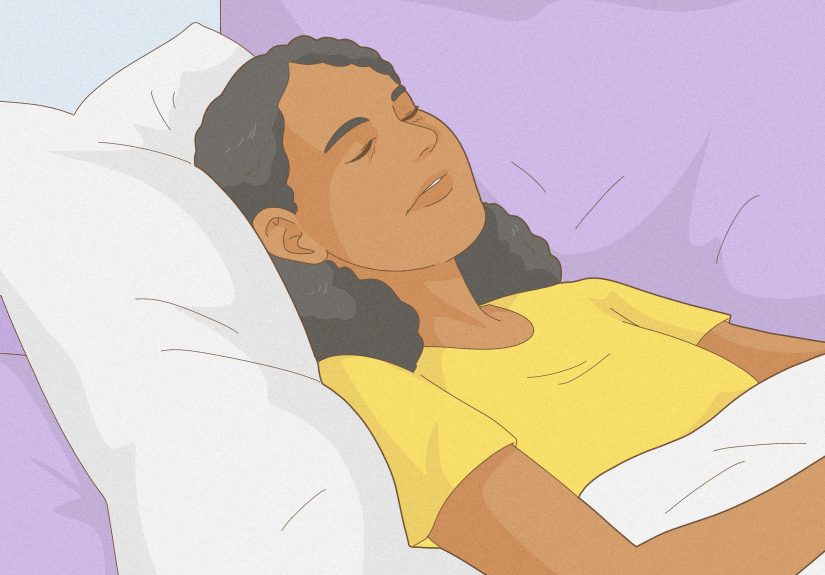
Sleep is not laziness; it is recovery infrastructure. When you are sick, your body benefits from extra sleep at night and short naps during the day if you need them. That may be the least exciting advice on the internet, but it is also some of the most effective.
If congestion is making sleep harder, try elevating your head slightly with an extra pillow, using a humidifier, and avoiding late-night scrolling that turns “I will rest” into “Why am I watching documentary clips at 2 a.m.?” More sleep will not make your cold disappear instantly, but poor sleep can definitely make the whole process feel longer and meaner.
4. Use steam or a humidifier for congestion
Dry air can make cold symptoms feel even rougher. A clean cool-mist humidifier can help moisten the air, which may ease congestion, coughing, and throat irritation. Steam can also help loosen mucus and give you temporary relief when your nose feels sealed shut like a badly packed suitcase.
A steamy shower is the easiest option for many people. Some also find relief from sitting in a steamy bathroom for a few minutes. It is not a cure, but it can make breathing feel less dramatic and buy you some comfort while your cold runs its course.
5. Clear your nose with saline, not wishful thinking
Saline nasal spray or drops are one of the most underrated cold remedies. They help moisten nasal passages and loosen thick mucus without the “I took something strong and now I regret my life choices” effect some medications can have. If your main issue is congestion, saline is a simple, low-drama option worth trying.
Some people also like saline rinses or nasal irrigation. If you go that route, follow product directions carefully and use the right kind of water as instructed. The big idea is simple: clearing your nose mechanically can help you feel better without overcomplicating things.
6. Soothe your throat on purpose
A cold can turn your throat into a tiny complaint department. Warm liquids, soup, tea, and salt-water gargles can all help calm irritation. If coughing is bothering you, honey can be soothing too. A spoonful in tea or warm water is a classic for a reason.
Throat lozenges or cough drops can also help, especially when the irritation is mild but constant. The point is not to attack every symptom with a dozen products. It is to pick a few soothing strategies that make swallowing, talking, and breathing feel easier.
7. Treat aches, fever, and headache carefully
When a cold brings body aches, headache, or fever, over-the-counter pain relievers can help you function more comfortably. Acetaminophen or ibuprofen are common choices for adults, depending on your health history and what your clinician has told you is appropriate for you.
The key word here is carefully. Many multi-symptom cold medicines already contain a pain reliever. If you stack a separate pain medicine on top of that without reading the label, you can accidentally double up ingredients. That is especially important with acetaminophen, which shows up in a surprising number of cold products. Read labels like they owe you money.
8. Choose OTC cold medicines strategically
The cold medicine aisle can make a smart adult feel like they just wandered into a pop quiz. Instead of grabbing the flashiest “all-in-one” box, match the product to your actual symptoms. Congestion? Consider a decongestant if it is safe for you. Runny nose and sneezing? An antihistamine may help. Cough? A targeted cough medicine might be useful.
Simpler is often smarter. Single-symptom products reduce the odds of taking ingredients you do not need. They also make it easier to avoid accidental overlap. If you have high blood pressure, heart conditions, medication interactions, pregnancy, or other health concerns, it is wise to check with a pharmacist or clinician before using decongestants or combination products.
9. Do not expect antibiotics to rescue a viral cold
This is one of the most important cold recovery tips: antibiotics do not treat the common cold. A cold is usually viral, and antibiotics are designed for bacterial infections. Taking antibiotics when you do not need them will not help you recover faster from a viral cold. What it can do is expose you to side effects and contribute to antibiotic resistance, which is a public health problem nobody needs help worsening.
If a doctor later determines you have a bacterial complication such as a sinus infection, ear infection, or pneumonia, that is a different conversation. But for a routine cold, antibiotics are not the hero of the story.
10. Be skeptical of miracle cures and “immune hacks”
The internet loves a dramatic cure. Your cold does not. Some supplements and natural remedies have mixed evidence. For example, zinc lozenges may help some people if started early, but results are not consistent, and they are not a guaranteed shortcut. Products placed inside the nose that contain zinc are a bad idea. Vitamin C is another classic: helpful in some situations, but not the magical erase button people wish it were.
That does not mean every home remedy is nonsense. It just means common-sense comfort measures usually deserve more trust than anything advertised like a secret weapon discovered by mystical grandmothers and social media marketers working together in a lab.
11. Protect the people around you
Recovering from a cold is not only about you. It is also about not gifting your virus to everyone in your orbit. Wash your hands often, cover coughs and sneezes, toss used tissues, and wipe down shared surfaces if you live with other people. If you need to be around others, giving them a little extra space is both kind and deeply underrated.
If you are feeling awful, staying home when possible is not being dramatic. It is just responsible. Viruses love busy households, crowded offices, and the person who says, “It is probably allergies,” while sneezing like a confetti cannon.
12. Know when it is time to call a doctor
Most colds improve on their own, but not every cough, fever, or stuffy nose deserves blind optimism. Seek medical advice if your symptoms are getting worse instead of better, you have trouble breathing, chest pain, wheezing, severe dehydration, confusion, intense sinus pain, or a fever that lingers or returns after seeming to improve.
You should also pay attention if symptoms drag on longer than expected or feel unusually severe. A cold can sometimes turn into something else, and there is no prize for pretending everything is fine while your body is waving red flags in all caps.
What Usually Helps the Most?
If you strip away the marketing noise, most people feel better with a fairly boring but effective formula: rest, fluids, steam or humidified air, saline, throat-soothing measures, and symptom-specific medication used carefully. In other words, cold recovery is more about consistency than heroics.
Chicken soup is not magic, but warm soup is comforting. Tea is not a medical breakthrough, but warm liquids can feel wonderful. A nap is not glamorous, but it is often more useful than buying three extra products you may not need. Sometimes the most effective recovery plan is the least theatrical one.
Household Notes for Families
If children are part of the story, use extra caution with cold remedies. Honey should not be given to babies under 1 year old. Aspirin should not be given to children or teens unless specifically directed by a clinician. And cough or cold medicines for children should always be chosen strictly by age guidance and label directions. When in doubt, ask your pediatrician rather than guessing in the pharmacy aisle.
Conclusion
Recovering from a cold is rarely about finding one perfect trick. It is about stacking sensible choices: rest more, drink more, breathe easier, soothe what hurts, read medicine labels carefully, and stay alert for symptoms that suggest something more serious. Most colds are annoying, not dangerous, but they still deserve basic respect. If you give your body what it needs, recovery usually comes in stages: first less misery, then better sleep, then the glorious moment when you realize you are not carrying tissues like emotional support accessories anymore.
So the next time a cold barges into your week uninvited, do not panic and do not fall for every miracle claim on the internet. Start with the 12 steps above, keep your approach simple, and remember: the goal is not to win an award for suffering quietly. The goal is to get better.
Real-Life Experiences: What Recovering from a Cold Often Feels Like
For many people, recovering from a cold is not a straight line. Day one may start with a scratchy throat and that suspicious feeling that something is “off.” You drink water, convince yourself it is probably nothing, and continue with your usual routine. By the next morning, your nose is congested, your energy is gone, and suddenly even answering emails feels like an act of courage. That early stage is when a lot of people realize that a cold is small on paper but weirdly effective at making normal life feel unnecessarily difficult.
One common experience is the temptation to do too much too soon. People often feel a little better for a few hours, so they go back to work, clean the whole kitchen, exercise, or run errands like they are making up for lost time. Then the fatigue hits again, the cough gets louder at night, and they end up back on the couch wondering why they thought folding laundry was a triumph of the human spirit. Cold recovery usually rewards pacing, not overconfidence.
Another familiar pattern is nighttime frustration. During the day, symptoms can feel manageable. At night, congestion seems to get meaner, coughing feels louder, and sleep becomes harder to come by. Many people describe the same routine: hot tea, a steamy shower, extra pillows, lip balm, tissues on the nightstand, and a personal vow to never take easy breathing for granted again. It is not dramatic. It is just a very human reminder that small comforts matter when you feel miserable.
There is also the mental side of having a cold. People can become impatient, irritable, or oddly discouraged, especially when symptoms linger for a week. A cold is not usually serious, but it can still be draining. You may miss plans, fall behind on chores, and feel gross in a way that is difficult to describe without sounding like a Victorian novelist. That is why practical rituals help: soup, hydration, clean sheets, extra sleep, and short walks around the house if you feel up to it. These small actions create a sense of progress.
Most people also notice that the end of a cold is not a dramatic finish line. It is gradual. You wake up one day less congested. Your appetite comes back. Your head feels clearer. You make tea because you want tea, not because your throat is filing a formal complaint. Then, almost without noticing, you return to normal. That is often what recovery really looks like: not a miracle cure, but a series of small improvements that add up. And yes, when you finally stop carrying tissues everywhere, it can feel like a personal comeback story.