Table of Contents >> Show >> Hide
- Why Old School Gardening Advice Still Matters
- 1. Feed the Soil First With Compost
- 2. Mulch Like Your Garden Depends on It, Because It Kind of Does
- 3. Water Deeply and Early Instead of Giving Plants Tiny Daily Sips
- 4. Rotate Your Crops Instead of Replanting the Same Thing in the Same Spot
- 5. Mix Flowers and Herbs Into the Garden to Recruit Helpful Insects
- How to Combine These Gardening Hacks for Better Results
- Common Mistakes to Avoid With These Old School Garden Tips
- Why Gardeners Still Love These Traditional Techniques
- Personal Experiences With Old School Gardening Hacks That Still Work Today
- Final Thoughts
- SEO Tags
Some gardening tricks belong in the museum next to butter churns, mystery tonics, and alarming Victorian advice about fresh air. But not every old-school method deserves to be retired. A surprising number of classic gardening habits still work beautifully today, even in a world full of drip systems, smart sensors, and people who own more seed packets than actual yard space.
The secret is simple: the best old gardening hacks were never really hacks at all. They were practical habits built from observation, repetition, and a healthy respect for soil, weather, and plants that refuse to read instruction manuals. Long before social media turned every tomato into content, gardeners learned what gave plants stronger roots, fewer weeds, and better harvests.
So if you want a healthier, easier-to-manage garden without making your backyard look like a science experiment gone rogue, these five old school gardening hacks still deserve a spot in your routine. They are low-cost, time-tested, and wonderfully stubborn about staying useful.
Why Old School Gardening Advice Still Matters
Modern gardening tools are great. Nobody is arguing against sharp pruners, quality hoses, or a wheelbarrow that does not squeak like a haunted violin. But many old-fashioned gardening methods still work because they solve timeless problems: dry soil, hungry plants, weeds, pests, and diseases. Those problems have not changed. The clothes may be different, but the weeds are still rude.
Good gardening has always come down to a few fundamentals: build better soil, protect moisture, disturb plants less, and make the garden resilient enough to handle heat, bugs, and the occasional human mistake. That is exactly what the old pros focused on, and it is why these techniques still feel surprisingly modern.
1. Feed the Soil First With Compost
Why this old school gardening hack still works
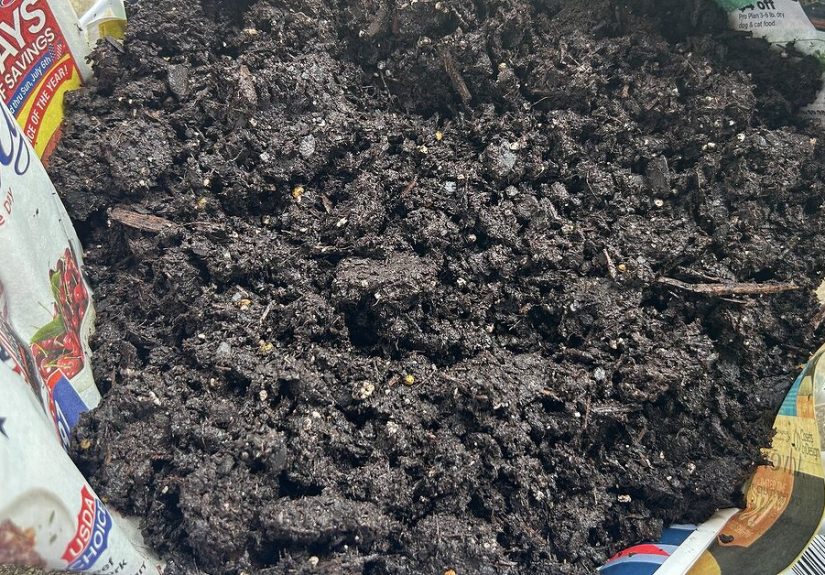
If there is one piece of old-time gardening wisdom that refuses to go out of style, it is this: feed the soil, and the soil will help feed the plants. Compost is the classic tool for doing exactly that. Gardeners have been piling up leaves, kitchen scraps, plant clippings, and other organic matter for generations, then turning the finished material into what is basically homemade black gold.
Compost works because it improves soil structure rather than just giving plants a quick snack. In heavy clay, it can help loosen the ground so roots can breathe and water can move more evenly. In sandy soil, it helps hold moisture longer so plants are not living one dry afternoon away from emotional collapse. It also supports the life in the soil, which matters more than many beginners realize.
The best part is that compost is useful almost everywhere. You can mix it into vegetable beds before planting, top-dress around perennials, tuck it around tomatoes, or refresh tired raised beds with a layer before the season starts. It is not magic. It is better than magic, because it is real.
How to use it today
Spread a layer of finished compost over planting beds and gently work it into the top few inches of soil, or leave some on the surface as a soil-building top layer. Do not think of compost as a complete fertilizer for every hungry crop. Think of it as a foundation. Your garden may still need extra nutrients depending on what you grow, but compost makes the whole system better.
Old-school gardeners loved compost because it wasted less and grew more. That math still checks out.
2. Mulch Like Your Garden Depends on It, Because It Kind of Does
Why mulch remains one of the smartest garden tricks around
Mulch is one of those classic gardening habits that looks too simple to be impressive. You put something over bare soil and suddenly the garden behaves better. That is the entire plot. But the results are excellent. Organic mulches such as straw, shredded leaves, or bark help soil stay cooler, hold moisture longer, and make weeds work a lot harder for their miserable little careers.
Old-school gardeners often used whatever was available: leaf litter, clean straw, grass clippings in light layers, or chopped plant residue. The material mattered, but the principle mattered more: bare soil is vulnerable soil. It dries faster, heats up more, erodes more easily, and gives weeds a better chance to move in like uninvited relatives during the holidays.
Mulch also has another quiet superpower. Organic mulch breaks down over time and contributes to soil health. That means you are not just protecting the surface. You are investing in next season while helping this season survive.
How to use it today
Apply mulch around vegetables, flowers, and shrubs once the soil has warmed and plants are established. Keep it a little away from stems and trunks so you do not create a damp collar around the plant. For vegetable gardens, straw and shredded leaves are especially handy because they are easy to spread and friendly to soil life.
This is one of the cheapest ways to make a garden look tidier while reducing work. In other words, mulch is both practical and slightly smug, which is a combination I respect.
3. Water Deeply and Early Instead of Giving Plants Tiny Daily Sips
Why this classic watering method still beats lazy sprinkling
Many experienced gardeners learned the hard way that quick surface watering does not do much beyond making the top inch of soil feel temporarily optimistic. Deep watering is old-school advice that still works because roots need moisture deeper in the soil, not a brief splash and a pep talk.
When you water deeply, plants are encouraged to develop stronger root systems. That makes them more resilient during heat, dry spells, and midsummer drama. Watering early in the morning is also a classic move for a reason. Cooler temperatures mean less water lost to evaporation, and foliage has time to dry out, which can help reduce disease problems.
By contrast, frequent shallow watering can encourage shallow roots. That makes plants more dependent on constant attention, and honestly, most gardeners already have enough needy relationships.
How to use it today
Water thoroughly, then let the soil dry a bit before watering again, adjusting for weather, plant type, and soil. Use a soaker hose, drip line, or a slow stream at the base of the plant whenever possible. Focus on the root zone instead of spraying the entire neighborhood.
This approach is especially useful for tomatoes, peppers, squash, shrubs, and young trees. The goal is not constant wetness. The goal is consistent access to moisture deeper in the soil.
4. Rotate Your Crops Instead of Replanting the Same Thing in the Same Spot
Why crop rotation is still a brilliant low-tech strategy
Crop rotation sounds like something your great-grandfather might have explained while leaning on a hoe and judging your life choices. He would have had a point. Planting the same crop family in the same bed year after year can invite repeat pest and disease problems, especially in vegetable gardens.
Old-school gardeners noticed patterns long before spreadsheets got involved. Tomatoes struggled when they followed tomatoes. Squash pests kept showing up where squash had been before. Soil seemed to get tired in certain patches. What they were seeing was the value of rotation.
Moving plant families around helps break cycles for some insects and diseases and spreads nutrient demand more sensibly around the garden. It is not a perfect shield, and it will not stop every problem, but it is one of the easiest preventive habits a home gardener can use.
How to use it today
Keep simple notes and avoid planting members of the same family in the same bed every year if you can help it. For example, rotate tomatoes, peppers, eggplants, and potatoes away from where they grew last season. Do the same for cucumbers and squash, or cabbage and broccoli relatives.
If your garden is small, do your best rather than aiming for perfection. Even a modest shift is often better than planting the same thing in the same exact place forever. Your garden does not need military precision. It just needs a little strategic variety.
5. Mix Flowers and Herbs Into the Garden to Recruit Helpful Insects
Why the old companion style still works when done sensibly
Old gardeners often planted flowers and herbs near vegetables, and while some companion planting lore has been exaggerated over the years, the core idea still has real value. Certain flowering plants and herbs provide nectar and pollen that attract pollinators and beneficial insects, including predators and parasitoids that help keep some pest populations in check.
The modern, science-based version of this old-school trick is less about claiming one marigold can personally intimidate every pest in the county and more about creating habitat. Dill, cilantro, fennel, alyssum, yarrow, cosmos, and other bloomers can help support helpful insects. That makes the garden more biologically active and a little less like an all-you-can-eat buffet for pests.
It also makes the garden prettier, which is not a scientific requirement but is excellent for morale.
How to use it today
Tuck flowering herbs and insect-friendly blooms along bed edges, between crops, or in nearby borders. Let some herbs bolt if they are known to attract beneficial insects when flowering. Use a mix of bloom times so something is available across the season.
The key is balance. Think of this as building a friendly neighborhood for the good bugs, not launching a floral superstition campaign.
How to Combine These Gardening Hacks for Better Results
These classic gardening hacks work even better together. Compost improves the soil. Mulch protects that improved soil. Deep watering helps roots take advantage of it. Crop rotation reduces recurring stress and pest buildup. Flowers and herbs help create a more balanced growing environment.
That is the real genius of old school gardening. It was never just one trick. It was a system. Gardeners stacked small, sensible habits until the whole space became easier to manage and more productive over time.
If you are starting from scratch, do not try to overhaul everything in a single weekend while fueled by ambition and iced coffee. Pick two or three of these methods and make them consistent. Even that can dramatically improve how your garden performs.
Common Mistakes to Avoid With These Old School Garden Tips
Like any good practice, these methods work best when used correctly. Compost should be finished before you apply it heavily around plants. Mulch should not be piled right against stems. Deep watering does not mean flooding everything into a swamp. Crop rotation works best when you track plant families, not just plant colors. And beneficial-insect planting works better when blooms are diverse and available over time.
In other words, these are not miracle shortcuts. They are reliable habits. That is actually better. Miracle shortcuts usually end with a dead basil plant and a refund request.
Why Gardeners Still Love These Traditional Techniques
There is something deeply satisfying about using methods that have survived generations of trial and error. These hacks still work today because they address the same basic truths gardeners have always dealt with: healthy soil grows better plants, moisture matters, prevention beats repair, and biodiversity helps.
They also make gardening feel more grounded. Less chasing trends. More paying attention. Less panic-buying novelty solutions. More noticing what the soil, weather, and plants are telling you.
That is probably why old-school gardening wisdom keeps hanging around. It is not old because it is outdated. It is old because it has lasted.
Personal Experiences With Old School Gardening Hacks That Still Work Today
Some of the best lessons in gardening do not come from catalogs, apps, or fancy product labels. They come from seeing what actually happens in the yard when you try something simple and repeatable. That is why old school gardening hacks are so memorable. They tend to prove themselves in plain sight.
One of the first times I understood the power of compost was after working with a garden bed that had the personality of a brick. Water pooled on top, seedlings looked offended, and every trowel full felt like a small construction project. After adding compost over time, the soil changed. It became darker, looser, and easier to work with. Plants stopped acting like they were participating in a survival challenge and started growing like they had finally found a decent apartment.
Mulch created a similar moment of clarity. In one section of the garden, I left the soil bare because I thought I would “stay on top of the weeds.” That was adorable. In another section, I used a good layer of shredded leaves and straw. By midsummer, the mulched bed was calmer, cooler, and much less demanding. The bare bed, meanwhile, had turned into a part-time weed internship with no benefits.
Deep watering was another habit that seemed almost too basic to matter until hot weather showed the difference. Plants that got longer, slower watering held up better through heat waves than plants that received quick daily sprinkles. The deeply watered plants looked steadier and less stressed, while the shallow-watered group had the emotional range of overcooked lettuce.
Crop rotation also earned my respect the boring but convincing way: by preventing repeat problems. Once you notice that certain pests or diseases return to the same plant family in the same area, you stop thinking of rotation as a fussy record-keeping exercise and start seeing it as cheap insurance. It is not glamorous, but neither is losing your tomatoes in the exact same bed two summers in a row.
And then there is the flowers-and-herbs trick, which may be the most enjoyable of the bunch. Adding dill, alyssum, and flowering herbs near vegetables makes the garden feel more alive. There is movement, pollinator activity, and a sense that the space is functioning as an ecosystem instead of a lineup of isolated crops. Even on days when harvests are modest, that kind of garden feels richer.
What stands out most from these experiences is that the old methods reduce stress. They do not promise perfection. They create better odds. And in gardening, better odds are a beautiful thing.
Final Thoughts
The most effective gardening advice is often the least flashy. Composting, mulching, deep morning watering, rotating crops, and planting for beneficial insects are not trendy because they do not need to be. They have already passed the hardest test: time.
If you want a productive, lower-maintenance garden, these traditional gardening tips still deliver real results. They help conserve water, improve soil health, reduce weed pressure, support stronger plants, and make the garden more resilient season after season.
So yes, go ahead and enjoy the modern tools. But do not overlook the wisdom that got gardeners excellent tomatoes long before anyone tried to explain cucumbers with a ring light. Some old school gardening hacks still work today because they were never gimmicks in the first place. They were just good gardening.
SEO Tags
Note: This article is intentionally cleaned for web publishing and contains no unnecessary placeholders or citation artifacts.