Table of Contents >> Show >> Hide
- Why an Old Trunk Makes a Great Coffee Table
- What “Shabby Chic” Really Means
- How to Choose the Right Trunk
- Supplies You May Need
- Step-by-Step: Turn an Old Trunk into a Shabby Chic Coffee Table
- Best Colors and Finish Ideas
- Styling Your Trunk Coffee Table
- Common Mistakes to Avoid
- Is This DIY Worth It?
- Real-Life Experiences With an Old Trunk turned Shabby Chic Coffee Table
- Conclusion
Some furniture projects whisper. This one winks at you from across the room and says, “Yes, I used to travel by train and now I hold your coffee.” Turning an old trunk into a shabby chic coffee table is one of those rare DIY ideas that checks every box at once: charm, storage, function, character, and a solid excuse to spend an afternoon covered in paint dust while calling it “creative expression.”
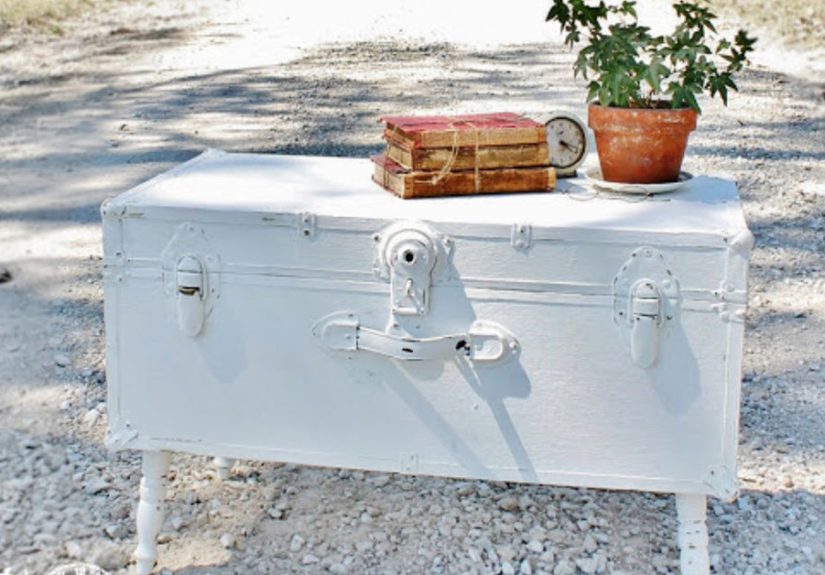
If you love soft vintage finishes, worn edges, cottage-style warmth, and furniture with a backstory, this project has your name written all over it in slightly distressed white paint. The beauty of an old trunk coffee table is that it does not need to look perfect. In fact, a little imperfection is part of the appeal. Scuffs become character. Old brass latches become jewelry. A faded surface becomes the perfect canvas for a shabby chic makeover that feels collected rather than store-bought.
In this guide, you will learn how to transform an old trunk into a stylish shabby chic coffee table, what materials work best, how to get that timeworn finish without making it look accidentally attacked, and how to make the piece practical for real daily life. We will also cover styling ideas, common mistakes, and the real-world experience of living with a trunk table after the paint dries.
Why an Old Trunk Makes a Great Coffee Table
An old trunk is practically halfway to becoming a coffee table already. It has a broad top, sturdy structure, and built-in storage. That means it can hold books, blankets, board games, remote controls, seasonal décor, and all the mysterious objects that somehow end up in the living room when nobody is looking.
It also brings something many modern tables cannot fake: history. Even if your trunk came from a flea market rather than a glamorous steamship crossing, it still carries a sense of age and story. That instantly makes a room feel warmer and more layered. A shabby chic finish enhances that mood by softening the piece instead of hiding its age. Rather than stripping away the trunk’s personality, you are highlighting it.
Function matters, too. In smaller spaces, furniture that doubles as storage earns a standing ovation. A trunk coffee table can help reduce visible clutter while still giving you a surface for drinks, candles, flowers, and the occasional dramatic stack of design books you hope guests notice.
What “Shabby Chic” Really Means
Shabby chic is not just “paint it white and hope for the best.” It is a style built on contrast: elegant but relaxed, aged but fresh, feminine but practical. The look often combines soft paint colors, distressed finishes, vintage-inspired details, and a collected feel that suggests the piece has lived a life before landing in your home.
For an old trunk turned shabby chic coffee table, that usually means a matte or chalky finish, lightly worn edges, visible hardware, and a palette that feels airy and romantic. Classic colors include white, cream, pale gray, soft blue, dusty blush, sage, and muted greige. If the trunk has metal corners or hardware, a little age and patina can be a design feature rather than a problem to “fix.”
The goal is balance. You want the table to look lovingly restored, not like it survived a paint explosion and a sandstorm on the same day.
How to Choose the Right Trunk
Look for good bones
You do not need a museum-quality antique. You need a trunk that is structurally sound. Check that the lid works, the hinges are stable, and the body is sturdy enough to handle daily use. Scratches, faded finishes, dents, and surface rust can often be worked with. Major rot, active mold, or severe warping is a different story.
Think about proportions
Before you bring home the first charming trunk that makes your heart flutter, measure your sofa and seating area. A coffee table should feel comfortable with the seating around it, not like a suitcase parked in the middle of the room. A trunk that is too tall or too bulky can make the layout feel awkward. A piece that sits around typical coffee-table height often works best, especially when paired with a sofa of standard height.
Pay attention to the lid
Flat tops are the easiest to use as coffee tables. Curved lids can look beautiful, but they are less practical if you want a truly stable surface. Some people solve that by adding a custom tray or glass top. Others embrace the shape and treat the trunk as more of an accent table. Choose based on how you actually live, not just how dreamy it looks on a sunny Saturday at the antique mall.
Supplies You May Need
- Old trunk
- Mild cleaner or degreaser
- Soft cloths and vacuum with brush attachment
- Sandpaper in assorted grits
- Wood filler if needed
- Primer if your surface requires it
- Chalk paint, milk paint, or matte furniture paint
- Paintbrushes and small detail brush
- Furniture wax or water-based polyurethane
- Optional new hardware, casters, glass top, or interior lining
If your trunk is very old and has existing paint you plan to disturb, be smart about safety. Test first or use lead-safe precautions, especially if the piece may date to an era when lead-based coatings were common. Romance is lovely. Lead dust is not.
Step-by-Step: Turn an Old Trunk into a Shabby Chic Coffee Table
1. Clean it like you mean it
Every good makeover starts with prep, and prep is where DIY dreams either blossom or collapse into muttering. Wipe down the trunk thoroughly to remove dust, wax, grime, and mystery residue from its previous life. Use a vacuum brush attachment for seams, corners, and hardware. A clean surface gives paint a fair chance to stick instead of sliding into a flaky midlife crisis.
2. Make small repairs
Tighten loose screws, reattach unstable hardware, and fill obvious holes or cracks if needed. If the inside smells musty, let it air out completely before closing it up again. You can also line the interior with fabric, paper, or a removable insert if you plan to store blankets or delicate items.
3. Sand selectively
Some furniture paints are marketed as low-prep options, but that does not mean sanding never helps. Light sanding smooths the surface, removes loose finish, and improves adhesion, especially on glossy areas. If your trunk has veneer or delicate details, go gently. The idea is to prepare, not erase its history. Always wipe away dust before the next step.
4. Prime if necessary
If the trunk has stains, slick surfaces, dramatic color bleed, or mixed materials, primer can save you from frustration later. For simple projects with matte, porous surfaces, some painters skip this step. When in doubt, prime the problem areas and keep your future self from shouting at the second coat.
5. Paint in soft, layered color
This is where the shabby chic magic begins. Apply your chosen paint in thin, even coats. White and cream create a classic cottage look. Pale blue brings a coastal mood. Sage feels quiet and lived-in. A dusty blush can be surprisingly elegant if the room around it is neutral. Let each coat dry fully before adding another. The finish should look soft, not gummy or overworked.
If you want depth, use two related tones. Paint the first coat in a slightly darker shade, then layer a lighter one on top. When you distress the piece later, little glimpses of the base color will peek through and create a more believable aged look.
6. Distress with restraint
This is the step where many people go from “beautifully weathered” to “furniture raccoon got into it.” Distress only where natural wear would happen: edges, corners, around handles, near latches, and along raised details. Use medium or fine sandpaper and stop often to evaluate. Less is usually more. You can always sand more, but you cannot unsand a dramatic choice made at 11:47 p.m.
7. Protect the finish
A coffee table deals with cups, trays, elbows, books, and whatever snack chaos arrives during movie night. Seal the finish. Furniture wax gives a soft, velvety look and suits classic shabby chic style. Water-based polyurethane offers more durability, especially if the piece will see heavy daily use. Matte or satin finishes usually keep the look soft and vintage-inspired.
8. Upgrade for function
Want the trunk to work harder? Add casters for mobility, especially if it is heavy. Add felt pads if you want to protect floors and preserve household peace. A removable tray on top can create a more stable surface for drinks. A glass top can make a curved or textured lid more practical while still showing off the trunk beneath.
Best Colors and Finish Ideas
Classic cottage white
Timeless, bright, and easy to pair with nearly any room. Perfect if you want the trunk to feel airy and feminine.
Soft gray and greige
Ideal for homes that lean neutral, modern farmhouse, or French country. This palette feels calm and grown-up without losing charm.
Dusty blue or faded green
These colors bring a collected, vintage vibe and work especially well with weathered metal hardware.
Whitewashed wood effect
If the trunk has beautiful wood grain, a whitewashed or lightly layered finish can soften it without hiding everything. This approach creates the “old summer house by the sea” mood that many shabby chic fans adore.
Styling Your Trunk Coffee Table
Once the makeover is done, styling matters. The best trunk coffee tables feel functional first, decorated second. Try a tray for corralling small items. Add a stack of two or three books, a candle, and a small vase or bowl. That is often enough. You do not need to decorate every square inch like you are preparing for a magazine shoot and a royal inspection.
If your trunk opens often, keep the top styling light and easy to move. If it stays closed most of the time, you can create a more composed arrangement. Because a trunk already has visual presence, avoid clutter. Let the shape and finish do some of the talking.
Common Mistakes to Avoid
- Over-distressing: Too much sanding can make the piece look fake instead of naturally aged.
- Skipping prep: Dirt, grease, and loose finish ruin paint adhesion.
- Choosing the wrong size: A trunk can be gorgeous and still wrong for the room.
- Forgetting protection: Coffee tables need durable topcoats, especially in real homes with real spills.
- Ignoring usability: If the top is unstable, solve it with a tray or glass instead of pretending every mug in your house has suddenly become disciplined.
Is This DIY Worth It?
Absolutely, if you want a piece that feels personal. A shabby chic trunk coffee table offers more than a place to set your drink. It adds texture, storage, conversation, and a sense that your home has evolved over time instead of arriving in one cardboard delivery. It can be budget-friendly, especially if you find the trunk secondhand, and the project is approachable for beginners willing to prep carefully and move patiently.
It is also forgiving. Unlike some furniture projects that demand perfect lines and flawless finishes, this one actually benefits from softness, variation, and a hint of wear. That makes it ideal for DIYers who want a beautiful result without needing a professional spray booth and a documentary crew.
Real-Life Experiences With an Old Trunk turned Shabby Chic Coffee Table
One of the most memorable things about this kind of project is how quickly it changes the mood of a room. Before the makeover, an old trunk can look heavy, forgotten, or simply “interesting in a garage sort of way.” After a shabby chic finish, it suddenly becomes the piece everyone notices first. People walk into the living room and ask where it came from. Then they are mildly shocked when the answer is not an expensive boutique, but a dusty secondhand find and a weekend of determination.
There is also a very specific satisfaction that comes from restoring something instead of buying new. A trunk does not feel mass-produced. It has dents, old stitching, tarnished hardware, and odd little details that make you wonder about its previous life. Even if you never know its full history, working on it creates a connection. You clean it, repair it, paint it, sand it, wax it, and somewhere along the way it stops being an object and starts feeling like part of the home.
In everyday use, the storage is the unsung hero. Blankets disappear inside. Magazines stop piling up on the sofa. Remotes finally have a home that is not “somewhere in the cushions.” During the holidays, the trunk can hide extra candles, coasters, and entertaining pieces. During colder months, it can store throws and knit pillows. In small homes, that hidden storage feels less like a bonus and more like a miracle with hinges.
Another real-life experience people often mention is that the piece becomes more forgiving over time, not less. A standard glossy coffee table shows every little scratch and fingerprint like it is keeping score. A shabby chic trunk ages gracefully. Tiny nicks blend in. Gentle wear adds to the look rather than ruining it. It is one of the few furniture pieces that becomes more convincing as it is actually used.
Of course, there are a few lessons that usually come with the experience. First, heavy trunks are, well, heavy. If you plan to move furniture around often, adding casters or sliders is a kindness to both your floors and your lower back. Second, styling should stay simple. Because the trunk already has strong character, too many decorative objects can make it look busy. Third, if the lid opens from the top, you quickly learn not to place a full forest of candles and breakables across it unless you enjoy performing a tabletop relocation every time you need a blanket.
Emotionally, this kind of DIY project lands differently than a lot of quick décor fixes. It feels slower, more personal, and more rewarding. You see the before and after in a dramatic way. What was once worn out becomes useful and beautiful. That transformation often inspires more creative confidence. After turning an old trunk into a shabby chic coffee table, many people start looking around the house thinking, “What else can I rescue?” That may be exciting news for your creativity and terrible news for any abandoned chair within a ten-mile radius.
In the end, the best experience is this: the table does not just sit in the room looking pretty. It participates in daily life. It holds morning coffee, late-night snacks, feet after a long day, board games on weekends, and folded throws during winter. It becomes part storage bench, part conversation piece, part design anchor, and part memory holder. And that is the magic of the project. You are not just making a coffee table. You are giving an old object a second life in the center of the home.