Table of Contents >> Show >> Hide
- What “drizzle icing” actually means (and why it’s different from flooding)
- Pick your icing: glaze vs. royal icing vs. buttercream drizzle
- Before you drizzle: cookie prep that makes everything easier
- Glaze icing for drizzling: a simple, reliable formula
- Royal icing for drizzling: clean lines that set firm
- The 4 best tools for drizzling (from pro to pantry)
- Step-by-step: How to drizzle icing on sugar cookies
- Easy drizzle designs that look fancy without the stress
- Drying, stacking, and gifting without smudges
- Troubleshooting: when drizzle icing has opinions
- Flavor upgrades that make your drizzle taste as good as it looks
- FAQ: quick answers for common drizzle questions
- Wrap-Up: your drizzle game plan
- Bonus: Real-Kitchen Drizzle “Experiences” (500-ish words of lessons you’ll recognize)
Drizzling icing on sugar cookies is the baking equivalent of putting on sunglasses: suddenly everything looks cooler, and you didn’t even have to learn a new language. A good drizzle can turn a plain cookie into a “please put this on a dessert board” cookiewithout the time commitment (or emotional turmoil) of full-on royal icing flood-and-outline artistry.
In this guide, you’ll learn exactly how to drizzle icing on sugar cookies with control, style, and minimal sticky regret. We’ll cover the best icing types for drizzling, the right consistency (the make-or-break detail), tools you already own, and a step-by-step technique that works whether you’re going for elegant bakery lines or fun, chaotic holiday zigzags.
What “drizzle icing” actually means (and why it’s different from flooding)
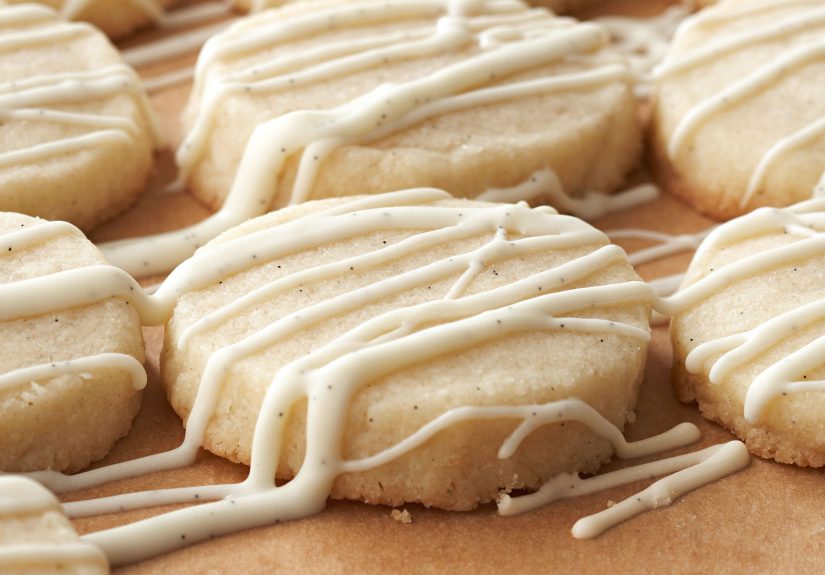
A drizzle is a thin stream of icing laid over the surface of a cookieusually in lines, ribbons, or crosshatches. The icing sits on top, adding texture and design. Flooding, on the other hand, is when you spread or pipe icing to fill an entire area into a smooth, flat layer (beautiful, but also a tiny bit like painting a ceiling: doable, but not always joyful).
Drizzle wins because it’s:
- Fast: One bowl, one bag, one cookie sheet, done.
- Forgiving: Slightly wobbly lines still look intentional (call it “rustic modern”).
- Flexible: Works with glaze icing, royal icing, even thinned buttercream.
Pick your icing: glaze vs. royal icing vs. buttercream drizzle
If you want great drizzle lines, choose an icing that behaves well when squeezed or dripped. Here are your best options, plus what they’re best at.
1) Powdered sugar glaze (easy, glossy, beginner-friendly)
This is the go-to for most home bakers because it’s quick and forgiving. It’s made with confectioners’ sugar (powdered sugar) plus a small amount of liquid, often with vanilla or almond extract. Many glaze formulas add a bit of light corn syrup (or honey) for shine and a smoother set.
Best for: Bright white or pastel drizzles, quick decorating, light crunch/soft set depending on thickness, and that “cute bakery cookie” vibe.
2) Royal icing drizzle (sets firm, stackable, very giftable)
Royal icing dries hard, which is why cookie decorators love it for clean lines and designs. For drizzling, you’ll aim for a medium-to-thin consistency so it flows nicely but still holds a line. Consistency testing matters a lot with royal icingmore on that soon.
Best for: Cookies you want to stack, bag, ship, or gift without smearing.
3) Buttercream drizzle (tasty, but not the best for stacking)
Buttercream can be drizzled if you thin it with a splash of milk or cream, but it tends to stay soft. That’s delicious (no one is mad about butter), but it’s not ideal if you plan to package cookies neatly.
Best for: Immediate serving, party platters, “we’re eating these today” situations.
Before you drizzle: cookie prep that makes everything easier
The #1 secret to clean drizzle lines is not actually the icing. It’s the cookie surface.
- Cool your cookies completely. Warm cookies melt icing and create sweaty, sad streaks.
- Start with flat cookies. Puffy cookies make drizzles slide and pool like a tiny icing landslide.
- Use parchment or wax paper underneath. It catches extra drizzle and saves your counter from becoming an art installation.
- Make sure the cookie tops are dry. If you stored cookies in an airtight container and they’re slightly tacky, let them air out for 10–15 minutes.
Glaze icing for drizzling: a simple, reliable formula
For a classic cookie icing drizzle, glaze is your best friend. It’s quick, customizable, and easy to adjust.
Basic vanilla glaze drizzle
- 1 1/2 to 2 cups confectioners’ sugar, sifted
- 1–2 tablespoons milk or water (start small and add gradually)
- 1/2 teaspoon vanilla extract (optional but highly recommended)
- 1–2 teaspoons light corn syrup (optional for shine and smoother flow)
- Pinch of salt (optional, but it helps the flavor taste less like “sweetness with a side of sweetness”)
How to mix: Whisk the sugar and liquid until smooth. Add corn syrup for gloss if you want a shiny finish. If you’re coloring the icing, use gel color for bold shades without thinning the icing too much.
Drizzle consistency target: When you lift a spoon, the icing should fall in a thin ribbon and settle back into the bowl within a few seconds. If it plops like toothpaste, it’s too thick. If it pours like soup, it’s too thin and will disappear into puddles.
Royal icing for drizzling: clean lines that set firm
If you want a drizzle that dries hard and stacks like a champ, royal icing is the move. Royal icing is typically made from egg whites or meringue powder plus powdered sugar, then adjusted with water to reach different consistencies.
The consistency “timing test” (your secret weapon)
Royal icing is famously judged by how long it takes to smooth over after you drag a knife or spoon through it. Many decorators use a “10-second” style test to dial in icing that flows smoothly but still sets well. For drizzle lines, you can aim around the medium range: thin enough to flow, not so thin that it spreads into a blob.
Practical guide:
- Thicker drizzle (bold ribbons): slower smoothing, more body, holds raised lines.
- Fine drizzle (thin lines): a bit looser, flows easily from a small opening.
Important: Add water in tiny amounts. Like “a few drops” tiny. Royal icing goes from “perfect” to “why is this runny” very fast.
The 4 best tools for drizzling (from pro to pantry)
1) Piping bag (or disposable bag) + small round tip
This gives the most control. A small round tip helps keep lines consistent. If you’re outlining or doing neat drizzles, this is your best bet.
2) Zip-top bag (the MVP of low-effort cookie decorating)
Spoon icing into a small zip-top bag, push it into one corner, and snip a tiny opening. “Tiny” is the whole pointstart smaller than you think, because you can always cut more, but you can’t un-cut reality.
3) Squeeze bottle
Squeeze bottles are fantastic for glaze icing and kid-friendly decorating. They’re also great if you want to drizzle multiple colors quickly.
4) Spoon-and-fork drizzle
For a casual, bakery-style drizzle, dip a fork into icing and wave it back and forth over cookies. It’s not precision engineering, but it’s charmingand charm counts.
Step-by-step: How to drizzle icing on sugar cookies
- Cool the cookies completely. Not “mostly cool.” Completely cool.
- Make your icing. Mix glaze or royal icing, then adjust until it drizzles smoothly.
- Set up a drizzle station. Lay cookies on parchment. Keep a paper towel nearby for wiping tips and saving your dignity.
- Load your bag or bottle. Don’t overfillhalf full is easier to control.
- Practice first. Drizzle a few lines onto parchment next to the cookies. Check thickness and flow.
- Pick your drizzle height.
- Higher (3–6 inches above): thinner lines, more delicate webbing.
- Lower (1–2 inches above): thicker ribbons, more defined stripes.
- Drizzle with your wrist, not your whole arm. Gentle pressure, smooth motion. Think: “calm handwriting,” not “trying to ketchup a hot dog in turbulence.”
- Add sprinkles fast (if using). Sprinkles stick best while icing is wet.
- Let it set. Give glaze time to firm up before stacking. Give royal icing time to fully harden if packaging.
Easy drizzle designs that look fancy without the stress
Classic diagonal drizzle
Angle your bag and run parallel lines across each cookie. Keep spacing consistent. This is the “little black dress” of cookie drizzlesalways works.
Crisscross lattice
Do diagonal lines one direction, then repeat in the opposite direction. Instant bakery energy.
Two-tone drizzle
Let the first color set slightly, then drizzle a second color over it. If you want crisp lines, wait until the base is no longer shiny to the touch.
Wet-on-wet “marble drizzle”
Drizzle two colors while both are still wet, then lightly drag a toothpick through the lines to swirl. Don’t overdo itthree or four passes looks intentional; twenty passes looks like you dropped your cookie in a tiny tie-dye storm.
Sparkle lines
Drizzle icing, then immediately add sanding sugar or glittery sprinkles for shine. It’s the fastest way to make cookies look party-ready.
Drying, stacking, and gifting without smudges
Drying time depends on icing type, humidity, and how thick you applied it.
- Glaze icing: typically sets within a couple hours, but thicker applications can take longer. If you want it really firm for handling, give it extra time.
- Royal icing: thin layers can dry in a few hours, but thicker designs need longer. For gifting or packaging, it’s smart to let cookies dry overnight so the icing fully hardens.
Pro tip: Avoid covering freshly iced cookies tightly while they dry. Trapped moisture can soften icing and cause sticking. If you need to protect them, use a loose tent of foil after the surface is set.
Troubleshooting: when drizzle icing has opinions
Problem: My icing won’t come out of the bag
Cause: Too thick, or your opening is too tiny for the thickness.
Fix: Add liquid a few drops at a time and mix well. Or snip the opening a hair wider. If you’re using royal icing, remember that small adjustments matter a lot.
Problem: My drizzle disappears into puddles
Cause: Too thin, or cookies are warm.
Fix: Add more powdered sugar to thicken. Confirm cookies are fully cool. For royal icing, mix a bit longer or thicken with more sugar.
Problem: My tip keeps clogging
Cause: Unsifted powdered sugar, or icing drying in the tip.
Fix: Sift powdered sugar for smoother icing, especially with small openings. Keep unused bags covered so the icing doesn’t crust over.
Problem: My colors look faded or watery
Cause: Too much liquid food coloring.
Fix: Use gel color. It’s concentrated, so you get strong color without thinning the icing.
Problem: I got cracks after drying
Cause: Icing applied too thick, or drying conditions too dry/too fast.
Fix: Use slightly thinner lines, avoid blasting cookies with direct heat, and let them dry at steady room temperature.
Flavor upgrades that make your drizzle taste as good as it looks
Drizzle icing doesn’t have to taste like plain sugar (unless you’re into that, no judgment). Try:
- Citrus: lemon or orange zest + a splash of juice (reduce other liquid to keep consistency).
- Almond: almond extract for classic bakery sugar cookie vibes.
- Maple: maple extract or a little maple syrup (add carefully; it thins).
- Chocolate: cocoa powder in glaze, or drizzle melted chocolate over set icing for contrast.
- Spice: cinnamon or pumpkin spice in a vanilla glaze for cozy cookies.
FAQ: quick answers for common drizzle questions
Can I drizzle icing without a piping bag?
Yes. A zip-top bag or squeeze bottle works beautifully. You can also use a fork for an easy bakery-style drizzle.
Should I ice cookies warm or cold?
Cool, always. Warm cookies melt icing and cause spreading and dull texture.
How do I get thin, elegant drizzle lines?
Use a small opening, slightly thinner icing, and drizzle from a bit higher above the cookie. Practice on parchment first to dial in flow.
How do I keep icing from drying out while I work?
Work in small batches, and keep bowls covered when not in use. If using piping bags, keep tips from crusting by covering or capping them between cookies.
Can I drizzle over a base layer of icing?
Absolutely. Let the base icing set first if you want crisp lines. If you drizzle while the base is wet, you’ll get a softer, blended look.
How long before I can stack cookies?
When the icing no longer feels tacky and the surface is set. If you’re gifting or packaging, overnight drying is the safest betespecially with royal icing.
Wrap-Up: your drizzle game plan
If you remember nothing else, remember this: cookie cool + icing consistency + tiny bag opening equals drizzle success. Start with glaze if you want quick and glossy. Use royal icing if you want firm, stackable designs. Practice one test drizzle on parchment, then decorate like you meant to do it that way all along.
Bonus: Real-Kitchen Drizzle “Experiences” (500-ish words of lessons you’ll recognize)
Here’s the part nobody puts in the recipe card: drizzling icing is less about perfection and more about learning how icing behaves in the real worldyour kitchen, your humidity, your “I’m decorating cookies at 11:47 p.m.” energy. If you’ve never done it before, expect a few classic moments that every baker runs into. The good news? They’re all fixable, and most of them still taste incredible.
Experience #1: The “I cut the hole too big” moment. You snip the corner of your bag, squeeze… and suddenly you’re piping a rope, not a drizzle. The cookie looks like it’s wearing thick winter scarves. Solution: don’t panic. Either switch to a new bag (or a new corner) and cut a smaller opening, or lean into it: make bold stripes, add sprinkles, and call it “modern.” The cookie will survive. Your pride will, too.
Experience #2: The icing that looks perfect… until it moves. In the bowl, your icing seems thick enough. On the cookie, it spreads like it’s trying to escape. This usually happens when the icing is a touch too thin or the cookies are still warm. Real-life fix: add powdered sugar a tablespoon at a time, mix, test drizzle again. And if the cookies were warm, don’t fight physicslet them cool fully and save yourself the frustration.
Experience #3: The “why is my bag clogging?” mystery. You’re mid-drizzle, feeling confident, and then the flow stops. Often it’s unsifted sugar (tiny lumps can block small openings) or the icing drying at the tip. The quick fix is wiping the tip and stirring the icing. The long-term fix is sifting your powdered sugar and keeping your bag covered between cookies. It’s not glamorous, but neither is chiseling dried sugar out of a tiny hole with a toothpick.
Experience #4: Color drama. You add food coloring and your beautiful white glaze turns pastel… and then suddenly thin. That’s usually liquid coloring adding too much moisture. If you want strong colors without wrecking consistency, gel coloring is the easiest path. In real kitchens, this is the difference between “cute red drizzle” and “pink puddle situation.”
Experience #5: The great “I touched it too soon” betrayal. This one is universal: you’re sure it’s dry. You tap it. It’s not dry. Now you have a fingerprint fossilized in sugar. If you’re drizzling for gifts or stacking, give yourself more drying time than you think you needespecially in humid weather or with thicker lines. The most stress-free move is decorating earlier in the day and letting cookies sit out overnight before packaging.
And here’s the secret happy ending: even when drizzle lines wobble, drip, or thicken unexpectedly, sugar cookies still look charmingbecause handmade treats always do. Drizzle is supposed to feel playful. So treat your first batch like a practice run, keep a “test parchment” nearby, and let your cookies be slightly imperfect in the most delicious way.