Table of Contents >> Show >> Hide
- What Counts as a Food Allergy?
- The Most Common Food Allergies
- Symptoms: From Mild to “Call 911, Now”
- How Food Allergies Are Diagnosed
- Managing Food Allergies in Everyday Life
- Can Food Allergies Be Outgrown or Prevented?
- Treatment Options: What Has Changed
- Conclusion
- Real-Life Experiences With Food Allergies: The Part No One Puts on the Menu
- SEO Tags
Food is supposed to be the fun part of life. It is the thing at birthday parties, road trips, holidays, school lunches, office potlucks, and late-night fridge raids. Then food allergies show up and suddenly a simple cookie begins to require the investigative skills of a detective, the patience of a saint, and the label-reading stamina of a tax auditor. That is because food allergies are not picky eating, trendy wellness drama, or your cousin’s “I’m pretty sure ranch dressing hates me” theory. A true food allergy is an immune system reaction, and sometimes it can turn serious very quickly.
When people talk about the most common food allergies, they usually mean the major allergens that cause most serious reactions in the United States. Peanuts, milk, eggs, tree nuts, wheat, soy, fish, shellfish, and now sesame lead the conversation. But the story is bigger than a list. Food allergies affect how families shop, how restaurants serve, how schools plan snacks, and how adults navigate business dinners without turning “What’s in this sauce?” into a full-time job. Here is what to know about the most common food allergies, how they differ, what symptoms look like, and how people manage them in the real world.
What Counts as a Food Allergy?
A food allergy happens when the immune system mistakes a food protein for a threat and launches a defense response. That response can affect the skin, stomach, lungs, throat, or cardiovascular system. In some people, symptoms are mild. In others, the reaction can escalate into anaphylaxis, which is a medical emergency.
This is where it helps to separate a food allergy from a food intolerance. They are not the same thing, even though people mix them up all the time. Lactose intolerance, for example, can be uncomfortable and extremely inconvenient if you are wearing white pants and stuck in traffic, but it does not involve the same type of immune reaction as a milk allergy. Food intolerance usually causes digestive symptoms. A food allergy can become life-threatening.
The Most Common Food Allergies
More than 170 foods have been reported to cause allergic reactions, but a smaller group causes the great majority of serious reactions in the U.S. Think of these as the celebrity troublemakers of the allergy world. They get the most attention for a reason.
Peanut Allergy
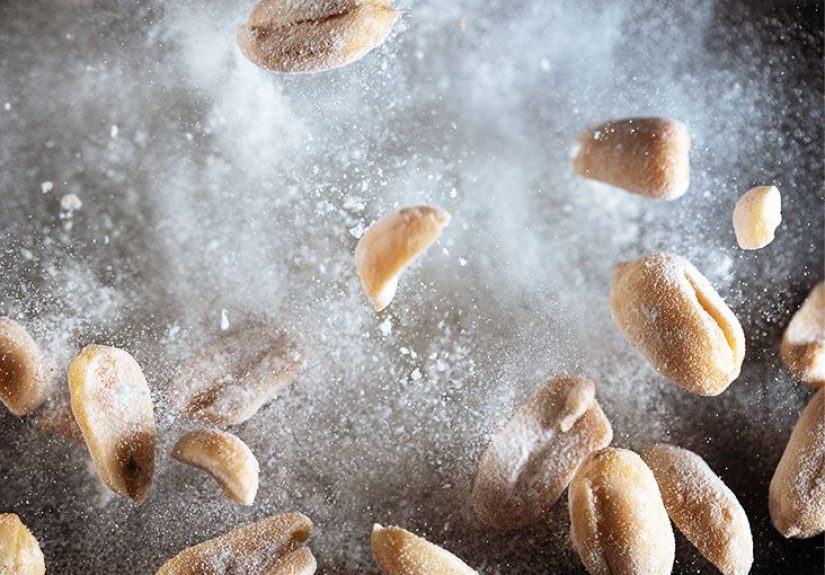
Peanut allergy is one of the best-known and most feared food allergies, partly because reactions can be severe and partly because peanuts show up everywhere. They hide in candies, sauces, baked goods, snack bars, ice cream toppings, and foods that look innocent until they are very much not. Also important: peanuts are legumes, not tree nuts. So peanut allergy and tree nut allergy are different conditions, even though many people avoid both for safety.
Peanut allergy often begins in childhood and is less likely to be outgrown than some other childhood allergies. That is one reason peanut-free classrooms, careful school snack policies, and panicked parents texting “Does this contain peanut?” at 10:47 p.m. have all become a thing. There is also growing attention to early peanut introduction in some high-risk infants under medical guidance, because prevention strategies have changed over the last several years.
Milk Allergy
Milk allergy is common in babies and young children. It is an immune reaction to proteins in cow’s milk, which means it is not the same as lactose intolerance. People sometimes confuse the two because both involve dairy and both can ruin a perfectly decent afternoon. But milk allergy can trigger hives, vomiting, wheezing, or more severe symptoms, while lactose intolerance usually causes gastrointestinal discomfort without the immune response.
Milk is also a sneaky allergen because it appears in obvious foods like cheese, yogurt, butter, and ice cream, but also in less obvious places such as baked goods, creamy dressings, some processed meats, and packaged snacks. The good news is that many children with milk allergy eventually outgrow it, though that does not mean parents should test the theory at home with a “tiny sip experiment.” That decision belongs to an allergist.
Egg Allergy
Egg allergy is another common childhood allergy. Reactions may happen after eating scrambled eggs, baked goods, mayonnaise, or foods brushed with egg wash for that shiny bakery look. Some people react mainly to egg white proteins, but egg-containing foods can still be complicated because ingredients are rarely labeled for convenience by someone who knows your life story.
Like milk allergy, egg allergy is often outgrown. Still, the timeline varies widely. Some children tolerate baked egg before they tolerate less cooked egg, which is one reason allergy care is so individualized. There is no one-size-fits-all answer, no matter how many relatives insist their neighbor’s kid “just ate a muffin and got over it.”
Tree Nut Allergy
Tree nut allergy includes reactions to foods such as almonds, walnuts, cashews, pistachios, pecans, hazelnuts, and Brazil nuts. It does not include peanuts, which are legumes. Tree nut allergy tends to be persistent and can be severe. It also creates practical challenges because tree nuts appear in desserts, cereals, pesto, granola, energy bites, chocolates, and dishes that look harmless until the words “contains mixed nuts” appear in font size 4.
Some people are allergic to one tree nut, while others are allergic to several. Because of cross-contact during manufacturing and food prep, many allergists recommend individualized avoidance plans rather than guesswork and wishful thinking.
Wheat Allergy
Wheat allergy is often confused with celiac disease, but they are not the same. Wheat allergy is an immune reaction to proteins in wheat. Celiac disease is an autoimmune condition triggered by gluten. Then there is non-celiac gluten sensitivity, which makes the whole conversation even more likely to derail a dinner party. In short, one bread-related problem does not automatically equal another.
Wheat allergy is more common in children and may be outgrown. It can affect people eating breads, crackers, baked goods, pasta, breaded foods, and sauces thickened with wheat-based ingredients. Families dealing with wheat allergy quickly become label-reading professionals with a minor in ingredient aliases.
Soy Allergy
Soy allergy is another allergy that often starts in childhood. Soy can appear in obvious foods like tofu, edamame, and soy milk, but it also turns up in processed foods, baked goods, sauces, and packaged snacks. That means “We don’t really eat soy” can become a hilariously incorrect sentence after one trip through the pantry.
Some children outgrow soy allergy, but management still requires care because soy ingredients may appear under names that are not instantly obvious to tired shoppers staring at a label under supermarket lighting that somehow makes every word harder to read.
Fish and Shellfish Allergy
Fish allergy and shellfish allergy are separate. Fish includes options like salmon, tuna, cod, and flounder. Shellfish includes crustaceans such as shrimp, crab, and lobster, and sometimes mollusks such as clams, mussels, oysters, and scallops depending on the individual case. These allergies are more likely to persist into adulthood and are common causes of serious reactions.
Shellfish can be especially tricky at restaurants because cross-contact in kitchens is common. The grill, fryer, cutting board, oil, or serving utensils may all become part of the problem. Fish and shellfish allergies are also notorious for ambushing vacations, because beachfront dining sounds dreamy right up until the menu becomes an anxiety test.
Sesame and Other Allergens
Sesame is now recognized as the ninth major food allergen in the United States, and packaged foods are required to label it as an allergen. That matters because sesame can be easy to miss in breads, buns, crackers, spice blends, tahini, hummus, dressings, marinades, and international dishes where it quietly contributes flavor while making someone else’s day much worse.
Other foods can absolutely cause allergic reactions too. Corn, fruits, certain seeds, and many other foods may be involved for some people. But when you are talking about the most common food allergies in the U.S., the major allergen list is the place to start.
Symptoms: From Mild to “Call 911, Now”
Food allergy symptoms can begin within minutes and sometimes appear later. They may involve one body system or several at once. Common symptoms include hives, itching, flushing, swelling of the lips or tongue, nausea, vomiting, diarrhea, stomach pain, coughing, wheezing, throat tightness, dizziness, and fainting. In children, symptoms can sometimes look vague at first: clinginess, sudden distress, repetitive coughing, or a child saying their mouth “feels funny.” Kids are not always excellent medical narrators.
The most severe reaction is anaphylaxis. This can affect breathing, blood pressure, and circulation and requires immediate treatment. Epinephrine is the first-line treatment for anaphylaxis. Antihistamines may help with milder symptoms like itching or hives, but they are not a substitute for epinephrine in a severe reaction. That is the difference between a mop and a fire extinguisher. Both have their place. One is not replacing the other during a crisis.
How Food Allergies Are Diagnosed
A proper diagnosis matters because many people who think they have a food allergy actually have something else. Doctors usually begin with a detailed medical history, including what food was eaten, what symptoms happened, how quickly the reaction started, and whether the pattern repeats. Skin tests and blood tests may help, but they do not tell the whole story by themselves. A positive test does not always equal a true allergy.
In some cases, an allergist may recommend an oral food challenge in a medical setting. That means the food is introduced under supervision to see whether it actually causes a reaction. This is not something to try at home because “Let’s just see what happens” is not a medical protocol. It is a bad plan wearing confidence as a disguise.
Managing Food Allergies in Everyday Life
The foundation of food allergy management is still avoidance, preparation, and communication. That begins with reading labels carefully every single time, not just the first time you buy a product. Manufacturers change ingredients. Packaging gets updated. Seasonal versions of foods appear. Even a familiar granola bar can suddenly become the plot twist nobody asked for.
Cross-contact is another huge issue. This happens when an allergen gets into a food that was not supposed to contain it, often through shared utensils, prep surfaces, cutting boards, toasters, grills, or fryers. At home, families often prevent problems by separating safe foods, labeling shelves, washing cookware thoroughly, and creating kitchen routines that reduce mistakes. At restaurants, people with food allergies often need to ask clear questions, notify the server, and avoid vague menu optimism.
School, travel, sports events, office parties, and sleepovers also require planning. Many families create emergency action plans, keep medications accessible, and make sure caregivers, teachers, coaches, and relatives know what symptoms to watch for. It may seem like a lot, because it is a lot. But structure reduces panic, and routine turns fear into something more manageable.
Can Food Allergies Be Outgrown or Prevented?
Some food allergies are more likely to fade with time than others. Milk, egg, wheat, and soy allergies often begin in childhood and may be outgrown. Peanut, tree nut, fish, and shellfish allergies are less likely to go away, though some people do outgrow them. The key point is that nobody should decide an allergy has vanished based on vibes, internet comments, or one suspiciously quiet afternoon after eating half a cookie. Re-evaluation should happen with an allergist.
Prevention has also evolved, especially for peanut allergy. Research-backed guidelines changed the old habit of delaying peanut introduction in some infants. For certain high-risk babies, such as those with severe eczema or egg allergy, pediatricians and allergists may recommend introducing age-appropriate peanut-containing foods early under medical guidance. In other words, the allergy world updated its playbook.
Treatment Options: What Has Changed
There is still no simple cure for food allergy, and avoidance remains the standard of care. But treatment is no longer stuck in the stone age. Specialist-guided therapies now exist for some patients. Palforzia is an FDA-approved oral immunotherapy for peanut allergy designed to reduce the severity of reactions from accidental exposure in eligible patients. Xolair has also been approved to help reduce allergic reactions to one or more foods after accidental exposure in certain patients.
These treatments are important advances, but they are not magic permission slips to eat a trigger food freely. They require specialist care, monitoring, and a realistic understanding of what they can and cannot do. The goal is usually risk reduction, not carefree all-you-can-eat peanut buffets.
Conclusion
The most common food allergies include peanuts, milk, eggs, tree nuts, wheat, soy, fish, shellfish, and sesame, but the real challenge is not memorizing the list. It is learning how those allergies behave in kitchens, schools, restaurants, airports, birthday parties, and everyday life. A good allergy plan includes an accurate diagnosis, smart avoidance, label reading, emergency preparedness, and clear communication.
Food allergies can be frightening, exhausting, and inconvenient in ways that people without them rarely understand. But they can also be managed well. The goal is not to live in fear of every snack table. The goal is to build enough knowledge, habits, and backup plans that food can go back to being mostly what it should be: nourishment, joy, and the occasional dessert that does not require a background check.
Real-Life Experiences With Food Allergies: The Part No One Puts on the Menu
Living with food allergies is often described in medical language, but the daily experience feels much more human than clinical. It starts with small moments. A parent stands in a grocery aisle comparing two nearly identical boxes of crackers, only to discover one is safe and the other contains milk powder, soy lecithin, sesame flour, and a warning label that basically reads, “Good luck, brave citizen.” Someone else is at a birthday party smiling politely while scanning the cake table like it is an obstacle course. A college student is reading dining hall signs with the intensity of a lawyer reviewing a contract. Food allergies are medical, yes, but they also become logistical, emotional, social, and sometimes absurdly inconvenient.
For many families, the first experience is shock. A baby tries formula and breaks out in hives. A toddler eats scrambled egg and starts vomiting. A child tries peanut butter for the first time and suddenly everybody in the room forgets how to breathe normally. After that, life changes fast. Parents learn ingredient names they never wanted to know. Grandparents need gentle retraining. Teachers, babysitters, and coaches all get emergency instructions. You do not just “have an allergy diagnosis.” You inherit a whole new operating system.
Adults with food allergies describe a different challenge: people assume they would have figured it out by now. But adult life is full of risky food situations. Work lunches happen. Dating happens. Traveling happens. Friends say things like, “I’m sure it’s fine,” which is a lovely sentence right up until it is dangerously wrong. There is a special kind of exhaustion that comes from asking detailed questions at restaurants while trying not to sound dramatic. The truth is that people with food allergies are not trying to be difficult. They are trying to make it to dessert and tomorrow.
Then there is the emotional side. Many people with food allergies, and parents of children with allergies, talk about the mental load. It is the constant planning, the backup snacks, the medicine checks, the label re-checks, the awkward conversations, and the worry about what happens when someone else is in charge. At the same time, many also describe becoming more confident over time. The routines get stronger. Safe brands become familiar. Kids learn how to speak up. Families discover which restaurants take allergies seriously. What felt impossible at first becomes manageable, then normal, then simply part of how life works.
There are also moments of humor, because there almost have to be. Like when a parent packs enough safe snacks for a two-hour outing to survive a polar expedition. Or when someone with a wheat allergy realizes the “healthy bowl” they ordered somehow still contains three separate forms of wheat hiding under trendy ingredient names. Or when a well-meaning relative says, “I made this specially for you,” causing immediate gratitude, love, and mild panic all at once.
What stands out in real-life food allergy stories is resilience. People learn, adapt, advocate, and continue showing up to school events, holidays, vacations, and ordinary Tuesday dinners. The fear does not disappear completely, but it stops running the whole show. Over time, experience turns into skill. And that may be the most encouraging part of all: food allergies can change daily life, but they do not have to shrink it.