Table of Contents >> Show >> Hide
- Why Reusing Plastic Bags Makes Sense
- Before You Start: Sort the Bag Mountain Like a Pro
- Easy Everyday Ways to Reuse Plastic Trash Bags
- DIY Project #1: Make a Plastic Bag Dispenser
- DIY Project #2: Turn Plastic Bags into Plarn
- DIY Project #3: Make a Braided Plastic Bag Rope
- DIY Project #4: Weave a Storage Basket
- Smart Ways to Use Extra Bags Without Crafting
- Safety Tips for Plastic Bag DIY Projects
- How to Stop the Plastic Bag Mountain from Coming Back
- What Real Homes Usually Learn from This DIY Project
- Final Thoughts
- SEO Tags
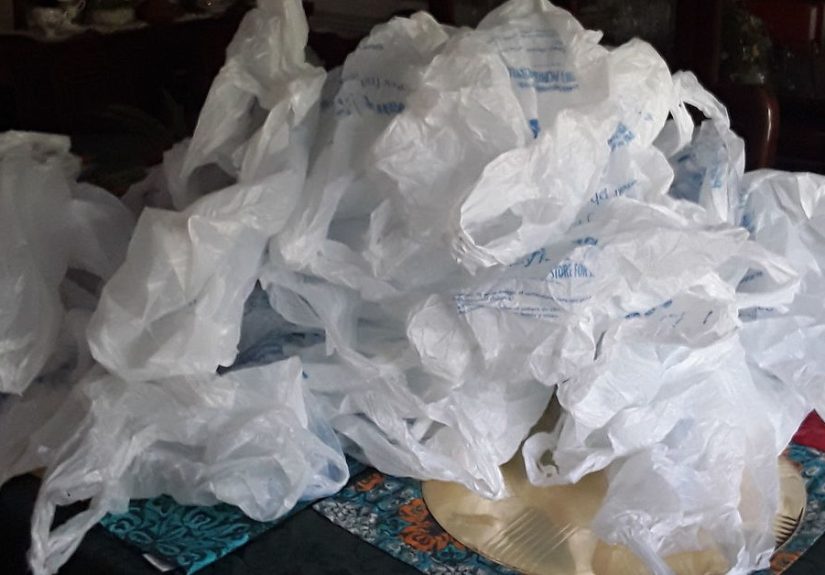
If you have a cabinet stuffed with plastic trash bags, grocery bags, and those mysterious “I might need this someday” sacks, welcome to the club. Nearly every home has a bag mountain hiding somewhere between the cleaning supplies and the good intentions. The good news? That pile does not have to live out its days as a chaotic plastic tumbleweed.
With a little creativity, you can turn extra plastic bags into useful household tools, simple crafts, storage helpers, and even surprisingly attractive DIY projects. Better yet, you can do it without making your home look like a recycling center exploded in the pantry. The trick is knowing what to keep, what to transform, and what to let go of.
In this guide, you’ll learn how to reuse plastic bags in practical, low-cost ways, how to make easy upcycled projects, and how to stop the collection from multiplying like gremlins after midnight. Whether you want a greener home, a clutter-free kitchen, or just one less avalanche every time you open a drawer, this plastic trash bags DIY guide has you covered.
Why Reusing Plastic Bags Makes Sense
Plastic bags are one of those modern conveniences that arrive in your life by accident and overstay their welcome. Even when you try to be good, a few sneak in from takeout, pharmacy trips, random purchases, or that one grocery run when you forgot your reusable totes in the car. Again.
Reusing them thoughtfully can be smarter than tossing them immediately. A small stash of clean plastic bags can replace the need to buy specialty liners, packing material, or disposable organizers. That means less waste, less spending, and fewer single-purpose products entering your home.
But here is the reality check: keeping every bag forever is not “eco-friendly.” It is just clutter with a sustainability costume. The goal is not to become curator of the nation’s saddest plastic museum. The goal is to keep a manageable amount, repurpose what you can, and move the overflow out through donation or proper film-plastic recycling where available.
Before You Start: Sort the Bag Mountain Like a Pro
1. Separate clean from questionable
Start by emptying the whole pile. Yes, the whole thing. This is not the time for emotional support bags. Quickly divide everything into three groups: clean and reusable, torn or dirty, and “what even happened here?”
Only keep bags that are dry, mostly intact, and free of food residue, leaks, or weird smells. If a bag once held something sticky, greasy, or suspicious, it is not craft material. It is a goodbye.
2. Set a bag limit
Give yourself one container for everyday-use bags. A tissue box, small bin, or lidded canister works beautifully. Once it is full, the rest must be transformed, recycled, or removed. This one rule will save you from growing a fresh bag mountain every month.
3. Sort by color and thickness
If you plan to make plastic bag crafts, separate bags by thickness, color, and size. Thin grocery bags are great for plarn and braiding. Sturdier trash bags work better for liners, drop cloths, and protective household uses. Color sorting helps if you want your DIY projects to look intentional instead of “abstract pantry explosion.”
Easy Everyday Ways to Reuse Plastic Trash Bags
Use them as small-bin liners
This is the classic for a reason. Plastic shopping bags fit bathroom trash cans, bedroom bins, car garbage containers, and office wastebaskets. If you are already getting the bags, giving them one more job before disposal is simple and efficient.
Keep paintbrushes and rollers from drying out
Mid-project and need a break? Wrap a damp paintbrush or roller head in a clean plastic bag for a short pause. It can help keep paint from drying too quickly while you step away for lunch, answer the door, or question every color choice you have ever made.
Use them as packing material
Crumpled plastic bags make decent cushioning for shipping boxes, storage bins, or fragile holiday decorations. They are especially handy when you are moving, packing breakables, or storing shoes and accessories.
Create a car cleanup kit
Fold a few bags into your glove box or trunk. They work for trash, muddy shoes, wet umbrellas, emergency laundry separation, and that snack wrapper collection your car definitely did not generate by itself.
Protect messy surfaces
Larger trash bags can become quick drop cloths for muddy boots, craft projects, plant repotting, or kid art sessions. They are not glamorous, but neither is scrubbing paint out of grout.
DIY Project #1: Make a Plastic Bag Dispenser
If your plastic bags are currently being stored inside another plastic bag, we need to talk. A dispenser makes the stash easy to control and much less chaotic.
What you need
- An empty tissue box, oatmeal container, or tall canister
- 20 to 30 clean plastic bags
- Scissors
- Optional: wrapping paper, paint, labels, or fabric for decoration
How to do it
- Flatten each bag and fold it lengthwise.
- Stack or chain the bags so one pulls out after another.
- Stuff them into the container with one handle poking through the opening.
- Decorate the outside if you want it to look cute instead of utility-chic.
This project takes less than 15 minutes and instantly makes your kitchen or laundry room look more organized. It also keeps the bag stash visible, which is important because invisible clutter has a way of reproducing in darkness.
DIY Project #2: Turn Plastic Bags into Plarn
One of the most popular plastic bag DIY ideas is turning bags into plarn, short for plastic yarn. It sounds a little ridiculous until you see what people make with it: mats, baskets, coasters, tote bags, placemats, and braided rope-style projects.
What you need
- Clean, dry plastic bags
- Sharp scissors
- A flat work surface
- Optional: crochet hook or knitting needles
How to make plarn
- Lay the bag flat and smooth it out.
- Trim off the handles and the sealed bottom.
- Fold the bag into a narrow strip.
- Cut across it to create loops about 1 to 2 inches wide.
- Loop the rings together to form one long strand.
- Roll the strand into a ball like yarn.
If you crochet or knit, plarn opens up a lot of possibilities. If you do not, no problem. You can still braid it, weave it, or wrap it around simple forms for beginner-friendly projects.
Best beginner plarn projects
- Coasters: quick, flat, and forgiving
- Small baskets: useful for clips, cords, or craft supplies
- Door mats: practical and durable
- Braided handles: add to bins or utility totes
DIY Project #3: Make a Braided Plastic Bag Rope
If crochet is not your thing, braided rope is the friendlier cousin. It gives you a sturdy, flexible material for all kinds of home uses.
How to make it
- Cut plastic bags into long strips or use plarn strands.
- Tie three equal lengths together at one end.
- Braid tightly, adding extra strips as needed.
- Tie off the end when you reach your desired length.
How to use braided plastic rope
- Tie up garden tools or extension cords
- Create handles for DIY storage bins
- Use as decorative wrap for plain containers
- Make simple wreath bases or seasonal crafts
It is not industrial rope, of course, but for light household tasks it is surprisingly handy. Also, there is something deeply satisfying about turning ten useless-looking bags into one thing that actually behaves itself.
DIY Project #4: Weave a Storage Basket
This project is ideal if you have bags in multiple colors and want a result that feels a little more polished. Woven plastic bag baskets can hold scarves, pet toys, laundry clips, gift wrap scraps, or other lightweight odds and ends.
Basic method
- Create long strips of plarn or flattened plastic strips.
- Weave a flat base in a simple over-under pattern.
- Fold the edges upward as you continue weaving.
- Tuck or stitch the ends to finish neatly.
Will it look like a designer basket from a boutique catalog? Maybe not. Will it hold your clutter while giving your bags a noble second life? Absolutely. And honestly, “slightly imperfect but weirdly useful” is the secret slogan of great DIY.
Smart Ways to Use Extra Bags Without Crafting
Donate clean excess bags locally
Some schools, food distribution groups, and community organizations can use clean bags for sorting and carrying items. If you have more than you can realistically reuse, passing along a clean stash can be more practical than hoarding it for imaginary future greatness.
Save a few for travel and laundry
Plastic bags are great for separating wet swimsuits, muddy socks, dirty shoes, or toiletry leaks when traveling. Keep two or three in your suitcase and call it your low-budget packing genius era.
Use them for seasonal storage
Slip small decorations, cords, or craft materials into labeled bags before putting them into bins. This keeps categories separate and makes holiday unpacking less like an archeological dig.
Safety Tips for Plastic Bag DIY Projects
Plastic bag projects are budget-friendly and useful, but safety matters. Keep all plastic bags and bag-based crafts away from babies, toddlers, and pets. Store them high up and out of reach. Small children can be at risk around plastic bags and wrappers, so this is not the kind of supply you leave loose on the floor after craft time.
Also, work only with clean, dry bags. Do not reuse bags that held raw meat, chemicals, or anything messy enough to make you say, “Maybe soap can fix this.” That is not a craft supply. That is a biohazard subplot.
If a bag is brittle, shredded, or shedding bits of plastic, skip the project and dispose of it properly. For bags you cannot reuse, check whether your area accepts film plastic through store drop-off rather than curbside recycling.
How to Stop the Plastic Bag Mountain from Coming Back
Adopt the “one container” rule
Keep only what fits in one dispenser, basket, or drawer section. This prevents future overflow and forces you to make decisions instead of building a plastic retirement community under the sink.
Carry reusable bags where you actually need them
Put reusable totes in the car, near the front door, or inside your everyday backpack. A reusable bag does nothing for the planet if it spends its whole life folded perfectly in a closet like a very tidy dream.
Schedule a monthly bag check
Once a month, see how many bags you actually used. If the number is six, you do not need eighty-seven. Trim the stash, replenish your dispenser neatly, and move the rest out.
What Real Homes Usually Learn from This DIY Project
There is a funny moment that happens in almost every home when someone finally deals with the plastic bag pile. At first, the collection seems harmless. It is “just a few bags.” Then you pull them all out and realize you have enough plastic to outfit a medium-sized marching band in emergency ponchos. That realization is usually the turning point.
The first lesson people learn is that convenience creates clutter faster than intention creates solutions. Most of us do not decide to collect plastic bags. We inherit them from busy days, rushed errands, takeout nights, and quick pharmacy runs. That is why this kind of DIY project feels so satisfying. It takes something passive and annoying and turns it into something active and useful. Suddenly, that messy pile has a job description.
Another common experience is discovering that not every bag deserves to be saved. This sounds obvious, but many people keep damaged bags out of guilt, as if throwing away one ripped grocery sack will personally offend the recycling gods. Once you sort honestly, the project gets easier. You stop treating every bag like a future treasure and start selecting the ones that are actually worth reusing.
People also tend to learn that the simplest solutions get used the most. A beautifully woven basket is great. A handmade plarn mat is impressive. But the project that often changes daily life is the humble dispenser. When bags are folded, contained, and easy to grab, they finally become functional. You use them for bathroom bins, travel packing, muddy shoes, and quick cleanup because they are accessible instead of exploding out of a drawer like plastic confetti.
Then there is the surprise factor. Many DIYers start with low expectations and end up genuinely impressed by how strong plastic bag rope or plarn can be for lightweight household tasks. No, it is not magic. It will not replace every store-bought item. But it can hold small tools, organize cords, line small trash cans, and create useful household pieces from something that looked ready for the landfill five minutes earlier.
Finally, the biggest experience-based takeaway is emotional, not practical: people feel lighter after doing this. Clearing out a bag mountain removes visual clutter, mental clutter, and that tiny background guilt whispering, “You should probably do something with those.” A single afternoon of sorting, folding, and making one or two easy projects can completely change a cabinet, pantry, mudroom, or laundry area.
That is what makes this such a great DIY idea. It is affordable, beginner-friendly, and oddly empowering. You are not just making a craft. You are solving a small household problem in a smart way. And in a world full of expensive makeover trends and complicated organizing systems, transforming a pile of plastic bags into something useful feels refreshingly down-to-earth. A little messy? Sure. A little nerdy? Absolutely. But also practical, resourceful, and worth doing.
Final Thoughts
If you have been staring at a mountain of plastic trash bags and waiting for a sign, this is it. Start small. Make a dispenser. Create plarn. Braid a rope. Turn a few bags into storage, cleanup tools, or easy crafts. Then set limits so the pile never becomes a full-blown household legend again.
The best plastic trash bags DIY ideas are not the fanciest ones. They are the projects that help your home run better, waste less, and feel less cluttered. When a material is already in your house, using it well is often smarter than buying something new. So go ahead and transform that plastic bag pile into something useful, one strip, braid, and tidy little dispenser at a time.