Table of Contents >> Show >> Hide
- What Is Hyaluronic Acid?
- How Hyaluronic Acid Lip Injections Work
- Benefits of Hyaluronic Acid for Lip Injections
- Possible Side Effects of Hyaluronic Acid Lip Injections
- Who Is a Good Candidate for HA Lip Fillers?
- How Much Do Hyaluronic Acid Lip Injections Cost?
- How Long Do Lip Fillers Last?
- Before Your Appointment: What to Ask
- Aftercare Tips for Better Healing
- Realistic Results: What HA Lip Filler Can and Cannot Do
- HA Lip Filler vs. Lip Flip vs. Lip Implants
- Experience-Based Tips: What People Often Wish They Knew Before HA Lip Injections
- Conclusion
- SEO Tags
Fuller, smoother lips have moved from celebrity red carpets to regular Tuesday lunch breaks. One reason? Hyaluronic acid lip injections. These injectable lip fillers can add volume, define the lip border, soften vertical lip lines, and create a plumper look without surgery. They are quick, customizable, and, when done well, can look beautifully naturalnot like your lips are trying to enter the room before you do.
Still, lip filler is a medical cosmetic procedure, not a casual beauty hack. Hyaluronic acid, often shortened to HA, is a gel-like substance used in many FDA-approved dermal fillers. It can produce soft, flexible results in the lips, but it also comes with possible side effects, costs, aftercare rules, and safety considerations. Before booking an appointment, it helps to understand what HA fillers can realistically do, what they cannot do, and how to choose a qualified injector who treats anatomy with the respect it deserves.
What Is Hyaluronic Acid?
Hyaluronic acid is a naturally occurring sugar molecule found in the body, especially in the skin, joints, and connective tissues. Its claim to fame is hydration. HA can attract and hold water, which is why it appears in so many moisturizers, serums, and injectable fillers. In lip injections, hyaluronic acid is processed into a clear, smooth gel that can be placed beneath the skin or within lip tissue to add shape and volume.
Popular HA filler families include Juvéderm and Restylane products, though the exact product used depends on the patient’s anatomy, goals, budget, and the injector’s training. Some fillers are softer and more flexible, making them useful for subtle lip hydration and movement. Others provide more structure for border definition or volume. The best choice is not always “the thickest filler” or “the one your friend got.” Lips are not copy-and-paste projects.
How Hyaluronic Acid Lip Injections Work
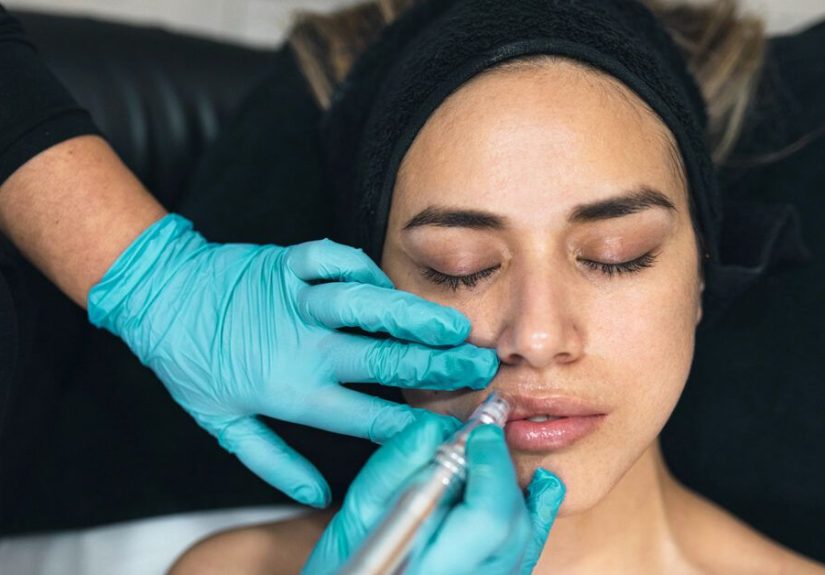
During a lip filler appointment, a licensed provider evaluates your lip shape, facial proportions, skin quality, smile movement, and goals. The treatment area is typically cleaned, and a topical numbing cream may be applied. Some HA fillers also contain lidocaine, a local anesthetic that helps reduce discomfort during injection.
The provider uses a small needle or cannula to place tiny amounts of filler into targeted areas. Common injection zones include the vermilion border, Cupid’s bow, upper lip, lower lip, oral commissures, and vertical lip lines around the mouth. The goal may be volume, symmetry, hydration, shape correction, or a gentle “refreshed” look.
A typical lip filler session often takes less than an hour, including consultation and numbing time. Many people return to normal activities afterward, although swelling and bruising can make lips look more dramatic for the first few days. Translation: do not schedule filler the day before wedding photos, passport photos, or meeting your partner’s entire extended family.
Benefits of Hyaluronic Acid for Lip Injections
1. Fuller, Plumper Lips
The most obvious benefit of HA lip injections is added volume. For people with naturally thin lips or age-related volume loss, filler can create a fuller appearance while maintaining a soft feel. Good lip filler should enhance the face, not distract from it.
2. Better Lip Shape and Definition
Hyaluronic acid filler can define the lip border, sharpen the Cupid’s bow, and improve the transition between the lips and surrounding skin. This can make lipstick application easier and help the mouth look more balanced.
3. Improved Symmetry
Most faces are slightly asymmetrical. One side of the upper lip may be thinner, one corner may sit lower, or the lower lip may dominate the upper lip. Strategic HA filler placement can help improve balance. It cannot create perfect symmetry, because perfect symmetry is more robot than human, but it can create a more harmonious look.
4. Softening of Fine Lines Around the Mouth
Some HA fillers are used to soften vertical lip lines, sometimes called smoker’s lines, even in people who have never smoked. These lines can develop from aging, sun exposure, repeated facial movement, and loss of collagen. Filler may reduce their appearance by supporting the skin around the mouth.
5. Customizable Results
One major advantage of HA fillers is flexibility. A conservative patient may choose a subtle “hydrated lip” effect, while someone else may want noticeable volume. The provider can tailor the amount, placement, and product type to the desired outcome.
6. Temporary and Adjustable
HA lip fillers are not permanent. This is a benefit for many first-time patients because trends, faces, and preferences change. Depending on the product and the person’s metabolism, lip filler commonly lasts several months to about a year. Some people metabolize filler faster, especially in highly mobile areas like the lips.
7. HA Fillers Can Often Be Dissolved
Another reason hyaluronic acid fillers are popular is that they can often be dissolved with an enzyme called hyaluronidase. This may be used for overfilling, lumps, asymmetry, or urgent complications. Dissolving filler is still a medical procedure and should be done carefully by a trained professional.
Possible Side Effects of Hyaluronic Acid Lip Injections
Most side effects from HA lip filler are temporary and occur around the injection site. Common reactions include swelling, tenderness, redness, bruising, minor bleeding, itching, firmness, and small lumps. These effects often improve within several days to two weeks.
Common Temporary Side Effects
- Swelling, especially during the first 24 to 72 hours
- Bruising at injection points
- Tenderness or soreness
- Redness or mild irritation
- Small bumps or uneven texture
- Temporary firmness
- Mild bleeding at the injection site
Swelling can make lips look larger than the final result. Many people panic on day one and fall in love by day ten. Patience is part of the aftercare plan.
Less Common but Important Risks
Less common risks include infection, allergic reaction, prolonged swelling, delayed nodules, filler migration, cold sore reactivation, skin discoloration, and uneven results. People with a history of cold sores should tell their provider before treatment because lip injections may trigger an outbreak. A clinician may recommend antiviral medication when appropriate.
Rare but Serious Complications
The most serious risk is accidental injection into a blood vessel. This can block blood flow, causing vascular occlusion. Warning signs may include severe pain, skin blanching, dusky discoloration, mottled skin, or vision changes. Though rare, vascular complications can cause tissue damage, skin necrosis, blindness, or stroke-like events. This is why provider training matters so much. A bargain filler appointment from someone with shaky anatomy knowledge is not a beauty deal; it is a gamble with a mirror attached.
Who Is a Good Candidate for HA Lip Fillers?
A good candidate is generally a healthy adult with realistic expectations, no active infection around the mouth, and a clear understanding of the risks and maintenance involved. Lip filler may be appropriate for people who want fuller lips, improved shape, better symmetry, or softening of fine lines.
You may need to postpone treatment if you have an active cold sore, oral infection, rash, or recent dental work that increases infection risk. People who are pregnant or breastfeeding are often advised to delay elective cosmetic injections because safety data is limited. Anyone with allergies, immune conditions, bleeding disorders, or a history of severe reactions should discuss those details with a qualified medical provider.
How Much Do Hyaluronic Acid Lip Injections Cost?
The cost of HA lip injections varies widely across the United States. According to cosmetic surgery pricing data, the average cost of lip augmentation with dermal fillers is commonly in the several-hundred-dollar range, often around $700 to $900 per treatment. Real-world prices may range from about $500 to $1,500 or more per syringe, depending on the city, product, provider credentials, clinic reputation, and how much filler is used.
Major cities such as New York, Los Angeles, Miami, Chicago, and San Francisco often have higher pricing than smaller markets. A board-certified dermatologist or plastic surgeon may charge more than a med spa injector, but cost should not be the only factor. With lip injections, you are paying for product, skill, sterile technique, judgment, emergency preparedness, and the ability to say, “No, more filler is not the answer.” That last one is priceless.
What Affects the Price?
- Amount of filler: Some patients need only a half syringe; others may need a full syringe or staged treatments.
- Product type: Different HA fillers have different wholesale costs and performance features.
- Provider expertise: Experienced injectors often charge more.
- Location: Costs vary by state, city, and neighborhood.
- Clinic setting: Medical offices and luxury aesthetic clinics may price differently.
- Follow-up care: Touch-ups, dissolving, or corrective work may add cost.
Because lip filler is cosmetic, health insurance usually does not cover it. Exceptions are rare and generally involve reconstructive or medically necessary care, not routine aesthetic enhancement.
How Long Do Lip Fillers Last?
Hyaluronic acid lip fillers commonly last about 6 to 12 months, although some products may last longer in certain patients. Lips move constantly when you talk, eat, laugh, sip coffee, and dramatically explain your day. That movement can make lip filler break down faster than filler placed in less mobile areas of the face.
Longevity depends on the product, amount used, injection technique, metabolism, lifestyle, and treatment goals. A subtle filler treatment may appear to fade sooner than a more structured treatment simply because there was less volume to begin with. Maintenance sessions are usually needed if you want to keep the look.
Before Your Appointment: What to Ask
A safe consultation should feel like a medical appointment, not a rushed sales pitch. Ask about the provider’s credentials, experience with lip anatomy, product choice, emergency protocols, and how they manage complications. You can also ask to see before-and-after photos of patients with similar goals.
Smart Questions to Ask Your Injector
- What type of hyaluronic acid filler do you recommend for my lips, and why?
- How often do you perform lip injections?
- Are you licensed to perform this procedure in this state?
- Do you keep hyaluronidase available in the office?
- What are the signs of vascular occlusion?
- What should I do if I notice severe pain, color changes, or vision symptoms?
- How much filler do you recommend for a natural result?
A trustworthy provider will welcome these questions. If they seem annoyed, vague, or more focused on your credit card than your medical history, consider that your cue to leave gracefully.
Aftercare Tips for Better Healing
After lip injections, follow your provider’s instructions carefully. General aftercare often includes avoiding strenuous exercise, alcohol, excessive heat, and heavy pressure on the lips for the first 24 to 48 hours. You may be advised not to massage the area unless your provider specifically tells you to do so.
- Use a cold compress gently if recommended.
- Avoid intense workouts for at least 24 hours.
- Skip alcohol for a day or two to reduce bruising risk.
- Avoid saunas, hot yoga, and steam rooms immediately after treatment.
- Do not press, squeeze, or aggressively massage your lips.
- Sleep with your head slightly elevated the first night if swelling is noticeable.
- Call your provider immediately for severe pain, unusual discoloration, or vision changes.
Realistic Results: What HA Lip Filler Can and Cannot Do
Hyaluronic acid lip injections can enhance volume, improve contour, soften lines, and create a more balanced mouth. They cannot completely change your natural anatomy, erase every wrinkle, or guarantee that your lips will look exactly like someone else’s photo. Inspiration pictures can help communicate style, but your face gets the final vote.
The most attractive lip filler results usually respect proportion. Overfilled lips can look stiff, heavy, or out of balance with the chin, nose, and cheeks. A skilled injector looks at the whole face, not just the lips in isolation.
HA Lip Filler vs. Lip Flip vs. Lip Implants
HA lip filler adds volume and shape using injectable gel. A lip flip uses a small amount of neuromodulator to relax muscles near the upper lip, helping the lip roll slightly outward. It does not add volume. Lip implants are surgical and longer lasting, but they involve more downtime and higher commitment.
For many first-time patients, HA filler is the most flexible option because it is temporary, adjustable, and highly customizable. A lip flip may be useful for someone whose upper lip disappears when smiling, while implants may appeal to someone seeking a more permanent change. The right option depends on anatomy, budget, goals, and risk tolerance.
Experience-Based Tips: What People Often Wish They Knew Before HA Lip Injections
Many first-time patients walk into a lip filler appointment thinking mostly about size. They imagine a before-and-after moment: thin lips in, movie-star pout out. In reality, the best experience starts with shape, balance, and communication. A good injector may recommend less filler than you expected, and that can be a very good thing. Starting conservatively allows your lips to settle naturally and gives you room to add more later if needed.
One common experience is surprise at the swelling. Right after treatment, lips can look bigger, tighter, and shinier than the final result. The upper lip may swell unevenly. One side may bruise more than the other. This does not always mean something went wrong. Normal swelling can be dramatic at first, especially in the morning after treatment. Most people see the final shape after the swelling calms down over one to two weeks.
Another lesson: timing matters. Do not get lip injections right before a major event. Even if your friend had zero bruising, your lips may choose chaos. Schedule treatment at least two weeks before vacations, weddings, professional photos, or big social plans. This gives bruising time to fade and lets the filler settle.
Patients also often learn that “natural” is not a product name; it is a strategy. Natural-looking lip filler depends on the right filler, the right amount, the right depth, and the right placement. A tiny amount in the border may sharpen the lip. A small amount in the body of the lip may create softness. Too much filler placed poorly can create a shelf-like upper lip, stiffness, or migration above the lip line.
Budget is another practical experience. Lip filler is not a one-time purchase if you want to maintain results. Because HA filler gradually breaks down, maintenance appointments become part of the cost. It is smarter to plan for ongoing upkeep than to chase discount treatments. Cheap filler can become expensive if you need correction, dissolving, or medical care for complications.
Finally, the best experiences usually come from honest expectations. HA lip injections can make lips look fresher, fuller, and more defined, but they should still look like they belong to your face. The goal is not to erase your natural features. The goal is to enhance them so subtly that people say, “You look great,” not “I see you bought lips.”
Conclusion
Hyaluronic acid for lip injections can be an effective, customizable way to add volume, improve lip shape, smooth fine lines, and create a softer, more youthful appearance. The biggest advantages are flexibility, temporary results, and the ability to dissolve HA filler when medically appropriate. However, lip injections also carry risks, from swelling and bruising to rare but serious vascular complications.
The safest path is simple: choose a qualified medical provider, ask detailed questions, avoid at-home filler devices, understand the cost, and give your lips time to heal. Great lip filler should look balanced, expressive, and comfortablenot overstuffed, stiff, or suspiciously inflatable. When done with skill and restraint, HA lip injections can enhance your natural features while keeping your smile unmistakably yours.