Table of Contents >> Show >> Hide
- Why the Finale Hit Harder Than Expected
- Lynne Marie Stewart Was More Than “Charlie’s Mom”
- Bonnie Kelly Was a Secret Weapon for the Show
- ‘The Golden Bachelor Live’ Was Ridiculous in the Best Way
- The Tribute Worked Because It Was Simple
- What the Finale Says About ‘Always Sunny’ at This Stage
- Why Fans Will Remember This Finale
- Experiences Related to the Topic: What Watching This Tribute Feels Like
- Conclusion
For a show built on bad decisions, worse people, and the kind of chaos that makes normal sitcoms clutch their pearls, It’s Always Sunny in Philadelphia sure knows how to surprise you. Usually, that surprise involves bodily fluids, emotional damage, or Frank Reynolds saying something that sounds illegal in multiple states. But the Season 17 finale delivered a different kind of shock. Beneath the spoof, the grime, and the gloriously ridiculous reality-TV parody, the episode ended with something unexpectedly tender: a tribute to Lynne Marie Stewart.
And somehow, it worked beautifully.
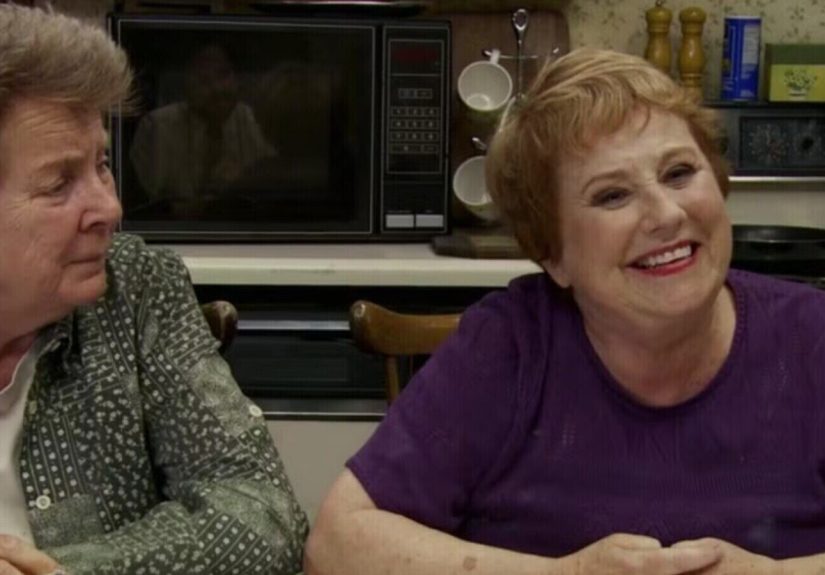
The finale, titled “The Golden Bachelor Live,” did what Always Sunny does best: it took a wildly recognizable pop-culture format and dragged it through Paddy’s Pub until it came out dirtier, weirder, and funnier. Frank Reynolds as a senior reality-TV heartthrob? Absurd. Frank trying to turn romance into a contact sport? Entirely on brand. But just when the episode seemed ready to wrap itself in one last gross-out bow, it shifted gears. Old clips of Stewart as Bonnie Kelly rolled across the screen, followed by a loving farewell. In a series famous for never learning a lesson, it landed a deeply human one anyway.
Why the Finale Hit Harder Than Expected
Part of what made this episode so affecting is that It’s Always Sunny in Philadelphia rarely asks viewers to sit still and feel things. This is a comedy that usually treats sincerity like a suspicious bag left on a bus. If heartfelt emotion appears, the show often dropkicks it out a window before the audience can process it. That is exactly why the tribute to Lynne Marie Stewart hit with such force. It wasn’t expected. It wasn’t overexplained. It wasn’t manipulative. It simply arrived, let the moment breathe, and trusted longtime viewers to understand what they were seeing.
That creative choice mattered. Instead of turning the episode into a maudlin goodbye special, the writers let the comedy stay comedy for most of the runtime. Frank’s bizarre run as a parody Golden Bachelor contestant was as grotesque and hilarious as you would hope, with the series squeezing every possible laugh out of his vanity, pettiness, and total inability to behave like a civilized mammal. Then, once the laughs had done their work, the tribute came in like a quiet emotional ambush. The result was not sentimental overload. It was grace.
That’s one of the reasons the ending lingered. Always Sunny didn’t suddenly stop being itself. It just revealed, for a minute, that beneath all the snarling and nonsense, this show still has a pulse.
Lynne Marie Stewart Was More Than “Charlie’s Mom”
Calling Lynne Marie Stewart “Charlie Kelly’s mom” is accurate, but it also undersells what she brought to the series. As Bonnie Kelly, Stewart was never just a recurring side character wandering in to deliver a few eccentric lines and leave. She made Bonnie unforgettable. She played her as fragile, odd, needy, suspicious, and weirdly sweet all at once, which is much harder than it sounds. On paper, Bonnie could have been just another sitcom mother joke. In Stewart’s hands, she became a creature all her own.
Bonnie lived in that perfect Sunny sweet spot where every line sounded both sad and hilarious. She could make a scene feel pitiful and deranged in the same breath. One moment, she seemed like a put-upon parent who had survived decades of Charlie-induced stress. The next, she was wandering into some deeply uncomfortable comic territory with the confidence of a woman who had long ago accepted that normal boundaries were for other families.
That was Stewart’s genius. She never played Bonnie with a giant neon sign blinking, “This is the joke.” She played the character seriously enough that the comedy grew naturally out of Bonnie’s broken logic, emotional neediness, and total inability to exist in a healthy environment. In a show full of actors who know how to swing for the fences, Stewart stood out because she didn’t need to swing that hard. She could devastate a scene with a look, a tremble, or a line reading that made you laugh and wince at the exact same time.
Outside of Always Sunny, Stewart had a long, respected career in comedy and television, with many viewers also knowing and loving her as Miss Yvonne from Pee-wee’s Playhouse. That history matters because it explains why the tribute felt so much larger than a farewell to one guest role. This was a goodbye to a performer whose comic instincts shaped multiple corners of American TV culture over several decades.
Bonnie Kelly Was a Secret Weapon for the Show
Recurring characters are the hidden engines of a long-running sitcom. The main cast gets the posters, the interviews, and the memes, but the right supporting player gives a series texture. Bonnie Kelly did exactly that. She was part of the ecosystem of dysfunction that made Philadelphia feel like its own little comic universe. You didn’t just laugh at Charlie because Charlie was ridiculous. You laughed harder because, somewhere in the background, Bonnie existed as proof that this dysfunction had roots.
She helped explain Charlie without ever reducing him. That’s a tricky balance. Too much explanation ruins the magic of a character like Charlie Kelly, who is funniest when he seems to have assembled himself out of cat food, panic, and sewer fumes. But Bonnie’s presence gave the audience just enough context to understand that Charlie’s strange wiring didn’t come from nowhere. It was inherited, absorbed, marinated, and probably stored in a coffee can under a radiator.
In episodes centered on the older generation, Stewart was especially sharp. She could play exasperated, vulnerable, manipulative, and bizarre all in one scene, often without changing volume. That is a special skill in a show where louder is usually the default setting. Her restraint made the weirdness pop even more. Bonnie never felt like she was trying to steal the scene. She just kept quietly walking away with it.
‘The Golden Bachelor Live’ Was Ridiculous in the Best Way
Before the tribute, the finale had plenty of comic business to handle, and it handled it like a drunk ringmaster juggling fireworks. The reality-dating-show setup gave the episode a built-in contrast: glossy romance on one side, Frank Reynolds on the other. That alone is funny. Putting Frank into a universe built on soft lighting, emotional vulnerability, and producer-shaped sincerity is like putting a raccoon in a jewelry store and asking it to find love.
The spoof worked because Always Sunny understands that parody is funniest when the characters do not adapt to the genre around them. Frank doesn’t become romantic just because the format demands romance. He bulldozes through it with his usual appetites, preferences, and spectacularly warped worldview. The machinery of reality TV becomes one more thing for the show to rip apart.
But the episode also did something sneakily clever. It let Frank stumble into something almost sincere. His connection with Sam gave the finale a strange little pulse of sweetness. Not Hallmark sweetness. This is still Always Sunny, after all. More like “a raccoon found a flower and is surprised by its own feelings” sweetness. That emotional thread made the transition into Stewart’s tribute feel earned rather than abrupt.
The episode understood an important truth about comedy: if you play the ridiculousness honestly enough, you earn the right to be sincere for a moment. That is exactly what the finale did.
The Tribute Worked Because It Was Simple
Television tributes can easily go wrong. They can feel overly polished, self-congratulatory, or designed to wring tears out of viewers with all the subtlety of a marching band in a library. This one avoided all of that. The montage of Bonnie Kelly moments was enough. It reminded audiences what Stewart gave the show without turning the tribute into a lecture on her importance. The emotion came from recognition.
Longtime fans did not need a big speech. They knew Bonnie. They knew her rhythm, her sadness, her oddball sincerity, and her ability to make a scene unforgettable in a matter of seconds. So when the tribute appeared, the effect was cumulative. It was not just grief for a performer. It was gratitude for years of comic texture that viewers may not even have fully appreciated until the show paused to say goodbye.
That is often how great supporting actors are understood. Not all at once. Not in one giant spotlight moment. But over time, as their scenes pile up in memory and become part of the architecture of the series itself.
What the Finale Says About ‘Always Sunny’ at This Stage
Seventeen seasons in, It’s Always Sunny in Philadelphia could easily be coasting. Instead, it still experiments. It still mutates. It still finds new pop-culture targets to skewer. More importantly, it understands that age changes a show, whether the writers acknowledge it or not. A long-running comedy does not just accumulate catchphrases and classic episodes. It accumulates history. It accumulates absences. It accumulates people who helped build its world.
That is why this finale mattered beyond one emotional closing montage. It recognized that longevity has a cost. When a show lasts two decades, it outlives phases, trends, and sometimes even the people who made it what it was. Honoring Lynne Marie Stewart was not just a classy gesture. It was an honest one. The series is old enough now to understand that memory is part of the story.
And honestly, there is something kind of beautiful about a show this shameless making room for tenderness. Not too much tenderness, obviously. Nobody is asking Paddy’s Pub to become a wellness retreat. But just enough to remind the audience that behind the filth jokes and sociopathic schemes are artists who know what their collaborators meant to the work.
Why Fans Will Remember This Finale
Fans will remember the parody, the absurdity, the Frank Reynolds dating-show nightmare, and the weirdly charming romantic payoff. But many will remember the last minute most of all. That is rare for Always Sunny. This is not a show that usually leaves viewers staring at the screen in silence after the credits start to roll. Usually, the reaction is more along the lines of, “Well, that was horrifying,” followed by a laugh and maybe a shower.
This time, the response was different. The tribute to Lynne Marie Stewart gave the finale emotional weight without crushing its comic identity. It reminded viewers that supporting characters can become essential, that a recurring performer can leave a massive imprint, and that sometimes the funniest shows are capable of the softest goodbyes.
In a series full of terrible people doing terrible things for terrible reasons, that final salute felt remarkably pure. Bonnie Kelly may have lived in chaos, but Lynne Marie Stewart brought clarity to every scene she touched. The finale knew it. The audience knew it. And for one lovely moment, It’s Always Sunny in Philadelphia let itself say so.
Experiences Related to the Topic: What Watching This Tribute Feels Like
There is a very specific kind of experience that comes with watching a tribute like this in a comedy you have lived with for years. It does not feel like the sadness of a tragic drama, where sorrow is part of the package and everyone has already brought their emotional raincoat. It feels sneakier than that. You sit down expecting chaos, nonsense, and the usual moral collapse, and then suddenly the show taps you on the shoulder and reminds you that time has passed. Real time. Human time.
That is what makes the Lynne Marie Stewart tribute resonate. For many viewers, Bonnie Kelly was not just a recurring character. She was one of those familiar faces who helped make the world of the show feel complete. You may not have always thought about her in giant, capital-letter terms. But when she appeared, the episode instantly felt more like Always Sunny. Her presence was part of the rhythm. Part of the furniture. Part of the weird Philly weather system hanging over the series.
So when the tribute arrives, the experience is not simply, “Oh, that’s sad.” It is more like, “Oh wow, she was always there.” And then, right behind that thought, comes the realization that “always” is never really always. That is the emotional trick door the finale opens.
For longtime fans, it can also stir up a strangely personal kind of nostalgia. You remember where you were when you first saw Bonnie. You remember laughing at scenes you had forgotten were hers. You remember how a character actor can become part of your own television life without fanfare. No giant entrance. No prestige spotlight. Just years of reliably excellent work lodging itself in your memory until it becomes inseparable from the show itself.
There is also something moving about seeing a famously irreverent series behave with restraint. It feels like being at a roast where, at the very end, someone puts down the microphone and says something honest. No joke. No wink. Just respect. That contrast makes the tribute feel even more intimate. The show is not abandoning its voice. It is revealing that the voice contains affection too.
And maybe that is the biggest experience tied to this finale: gratitude. Gratitude for performers who make television richer from the edges of the frame. Gratitude for a comedy that knew when not to step on its own moment. Gratitude for the fact that even a series as proudly grubby as It’s Always Sunny in Philadelphia understood that Lynne Marie Stewart deserved more than a passing mention. She deserved a curtain call.
It is the kind of ending that makes you want to laugh, rewatch old episodes, and get a little misty-eyed all at once. Which, for this show, is about as close to elegance as you can get without someone setting a couch on fire.
Conclusion
It’s Always Sunny in Philadelphia has spent years proving that comedy can be fearless, nasty, and wildly inventive without ever becoming polite. But the Season 17 finale proved something else too: a long-running sitcom can still stop the bit for a moment and honor someone who mattered. Lynne Marie Stewart’s work as Bonnie Kelly was funny, unsettling, oddly tender, and impossible to replace. The tribute in “The Golden Bachelor Live” worked because it did not try too hard. It simply let viewers remember what Stewart brought to the show and why that contribution mattered.
In the end, the finale was not just a parody of reality TV, or a showcase for Frank Reynolds at his most gloriously foul. It was also a quiet acknowledgment that television families are real in their own way, and that saying goodbye matters. For a series that usually laughs in the face of sentiment, that final act of love landed with remarkable power.