Table of Contents >> Show >> Hide
- When Reality Walks Into Paddy’s Pub
- 1. Glenn Howerton’s Cereal Car Accident Became “The Cereal Defense”
- 2. A Writer Who Had Never Tried Common Foods Became Charlie’s Pear Moment
- 3. The Emmy Snubs Became “The Gang Tries Desperately to Win an Award”
- 4. Glenn Howerton’s EV Key Nightmare Became “Dennis Takes a Mental Health Day”
- 5. The Wade Boggs Legend Became “The Gang Beats Boggs”
- 6. A Viral Chess Scandal Became “Frank vs. Russia”
- 7. Pretty Woman Got a Reality Check in “Frank’s Pretty Woman”
- 8. The Housing Crash Became “The Gang Exploits the Mortgage Crisis”
- 9. Real Representation Feedback Helped Shape “Mac Finds His Pride”
- Why Real-Life Plotlines Fit It’s Always Sunny So Well
- Viewer Experience: Why These IRL Stories Make the Show Even Funnier
- Conclusion: Real Life Is the Sixth Member of the Gang
- SEO Tags
Some sitcoms borrow from real life. It’s Always Sunny in Philadelphia grabs real life by the collar, drags it into Paddy’s Pub, and asks why it is being so boring.
When Reality Walks Into Paddy’s Pub
It’s Always Sunny in Philadelphia has always felt like a show written by people who overheard the worst possible conversation at a bar and thought, “Yes, but what if everyone in that conversation owned the bar?” The series is famous for its aggressively selfish characters, chaotic schemes, and social satire that turns everyday American weirdness into a full-contact sport.
But here is the fun part: some of the strangest It’s Always Sunny plotlines did not begin as pure invention. They came from real stories, writers-room oddities, celebrity headaches, sports folklore, industry snubs, and cultural moments that were already absurd before the Gang got their grubby little hands on them.
That is why real-life Always Sunny inspiration works so well. The show does not simply copy the news or retell a funny anecdote. It runs the idea through the Gang’s broken moral machinery. A minor car accident becomes a courtroom drama about cereal. A frustrating tech issue becomes a Dennis Reynolds psychological collapse. An awards snub becomes a savage sitcom parody. A chess scandal becomes Frank being Frank, which is legally recognized as its own genre of chaos.
1. Glenn Howerton’s Cereal Car Accident Became “The Cereal Defense”
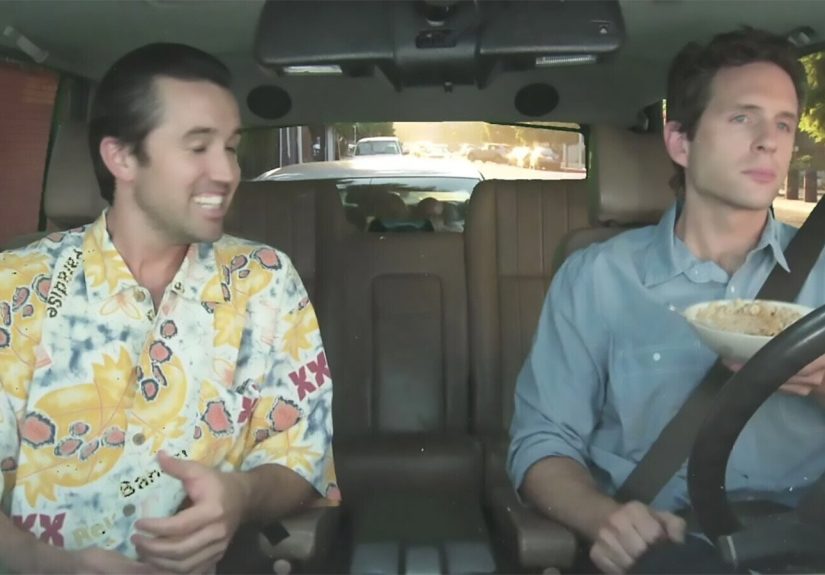
One of the most legendary real-life Always Sunny stories involves Glenn Howerton, a car, a fender bender, and a bowl of cereal. Yes, cereal. Not a granola bar. Not coffee. A bowl. With milk. In a vehicle. Society has not fully recovered.
That real incident inspired “Reynolds vs. Reynolds: The Cereal Defense,” the Season 8 episode where Dennis gets rear-ended while eating cereal in his car. Instead of handling the situation like adults, the Gang stages a mock trial at Paddy’s Pub, complete with bad logic, worse science, and Mac’s deeply confident misunderstanding of evolution.
The genius of the episode is that it takes a small, ridiculous real-life moment and asks the most Sunny question possible: “Who is technically wrong here, and how can everyone make it worse?” In a normal sitcom, the joke would be the cereal spill. In Always Sunny, the cereal spill becomes a philosophical battlefield about responsibility, faith, science, and whether Dennis has “donkey brains.”
This is the show’s formula at its best: start with a true, embarrassing detail and inflate it until it becomes a legal, moral, and emotional catastrophe. Basically, the American justice system, but stickier.
2. A Writer Who Had Never Tried Common Foods Became Charlie’s Pear Moment
In “The Gang Hits the Road,” Charlie reveals that he has never eaten a pear. Mac and Dennis react as if Charlie has confessed to being raised by raccoons, which, to be fair, is not entirely outside the show’s emotional ecosystem.
The moment was inspired by a real writers-room discovery about writer Scott Marder, who reportedly had not tried several extremely common foods. The writers turned that bafflement into a Charlie Kelly character beat. Instead of a blueberry, the show gave Charlie a pear, because “pear” sounds funnier, looks funnier, and gives Charlie the chance to conclude that it tastes like sand.
The plotline works because it does more than recycle a funny anecdote. It deepens Charlie’s world. Charlie is not merely strange; he is local to the point of mythological. He has barely left Philadelphia, distrusts normal adult experiences, and approaches fruit like it is a suspicious artifact from a museum he broke into.
That is how It’s Always Sunny transforms real life into character comedy. The writers-room fact was funny. Giving it to Charlie made it feel inevitable.
3. The Emmy Snubs Became “The Gang Tries Desperately to Win an Award”
For years, It’s Always Sunny in Philadelphia was one of television’s most influential comedies while receiving very little major awards attention. Naturally, the show responded not with a tasteful industry essay, but with an episode where Paddy’s Pub tries to win a local bar award by becoming brighter, friendlier, and more conventionally lovable.
“The Gang Tries Desperately to Win an Award” is one of the sharpest meta episodes in the series. The rival bar looks like a mainstream sitcom: polished lighting, cute banter, romantic chemistry, and the kind of atmosphere that says, “Please nominate us, we have clean floors.” Paddy’s, by contrast, is dark, hostile, sticky, and emotionally unsafe. In other words, it is honest branding.
The real-life inspiration is the show’s awards-season outsider status. Instead of complaining directly, the writers turned the snub into a critique of what television institutions often reward: comfort, familiarity, likability, and safe formulas. Then they let the Gang misunderstand all of that in the dumbest way possible.
It is a perfect example of Always Sunny using real industry frustration as comedy fuel. The episode says, “Fine, you want awards-friendly TV? Here is Paddy’s Pub with a song about spiders.” Case closed.
4. Glenn Howerton’s EV Key Nightmare Became “Dennis Takes a Mental Health Day”
Modern technology is amazing until your car, phone, app, customer service portal, and emotional stability all file for divorce at the same time. Glenn Howerton experienced a real-life electric vehicle access nightmare involving a key fob, poor connection, and a car that might as well have been guarded by a tiny robot troll.
That frustration became the backbone of “Dennis Takes a Mental Health Day,” where Dennis tries to lower his blood pressure by removing himself from the Gang’s chaos. Unfortunately, he meets a new enemy: app-based modern life. The episode turns common tech irritations into a full Dennis Reynolds meltdown, complete with customer service rage, corporate absurdity, and the terrifying belief that Dennis can control his body through pure ego.
The episode hits because nearly everyone has had a version of this experience. Maybe not with a luxury EV, but with a parking app, a locked account, a phone update, or a “quick verification code” that becomes a small hostage situation. The show simply asks, “What if the person dealing with this had the patience of a wet firework?”
Real life gave the writers the problem. Dennis Reynolds gave it pressure, vanity, and a face that looks like it is trying to sue the universe.
5. The Wade Boggs Legend Became “The Gang Beats Boggs”
Sports folklore is already sitcom material because it often sounds like it was invented by a bored uncle at Thanksgiving. The Wade Boggs flight legend, involving an outrageous number of beers supposedly consumed during baseball travel, became the basis for “The Gang Beats Boggs.”
The episode sends the Gang onto a plane to “honor” Boggs by trying to beat the record. As usual, their version of honoring someone looks suspiciously like ruining public transportation. The plot is not a how-to, and it should never be treated like one. It is a satire of macho mythmaking, competitive stupidity, and the way sports legends become more exaggerated every time someone retells them near a cooler.
What makes the episode work is not just the celebrity folklore. It is the Gang’s total inability to understand why a legend might be apocryphal, unsafe, or not worth imitating. Charlie thinks Boggs is dead. Dee gets names wrong. Everyone treats a questionable story like sacred scripture. That is the Always Sunny method: take a ridiculous piece of American lore and ask what would happen if five terrible people believed it too hard.
6. A Viral Chess Scandal Became “Frank vs. Russia”
“Frank vs. Russia” shows how fast Always Sunny can convert internet weirdness into TV comedy. The episode was inspired by the real-world chess controversy involving cheating accusations, online speculation, and a global audience suddenly acting like chess had become a spy thriller written by a raccoon with Wi-Fi.
The show’s version sends Frank into a chess competition with the Gang trying to help him cheat using hidden tech. The details are intentionally ridiculous, but the satire lands because the real chess story had already become a surreal mix of elite competition, paranoia, memes, and very online detective work.
Sunny’s approach is not to explain chess strategy. Thank goodness, because the Gang would probably think “en passant” is a French appetizer. Instead, the episode focuses on scandal culture: how quickly a rumor becomes a spectacle, how technology makes suspicion feel endless, and how easily serious institutions can be swallowed by absurd narratives.
In other words, “Frank vs. Russia” works because the real-life story already sounded like an Always Sunny pitch. The writers just added Frank, and that is how you turn “strange” into “legally Frank.”
7. Pretty Woman Got a Reality Check in “Frank’s Pretty Woman”
Season 7’s “Frank’s Pretty Woman” came from a very Sunny kind of question: what if the glossy romantic fantasy of Pretty Woman were pushed into a grimier, more realistic world? The result is an episode that strips the fairy-tale shine from the movie’s premise and replaces it with Paddy’s Pub logic, which is to say: no one learns anything, and the makeover is not the problem.
The real-world source here is not a single news story but a cultural myth. Romantic comedies often turn complicated lives into sparkling transformations. Always Sunny looks at that formula and says, “Okay, but what if the people trying to help are shallow monsters and Frank is romantically motivated by chaos?”
That is why the episode is more than a parody. It is a nasty little critique of Hollywood fantasy. The Gang does not rescue anyone. They simply misunderstand human dignity while treating a person’s life like a group project they forgot was due.
It is uncomfortable, sharp, and very on-brand. Sunny does not just spoof pop culture; it asks why certain stories get packaged as charming in the first place.
8. The Housing Crash Became “The Gang Exploits the Mortgage Crisis”
The 2008 housing crisis was devastating in real life. In It’s Always Sunny, it became “The Gang Exploits the Mortgage Crisis,” an episode where Frank, Mac, and Dennis see foreclosures and real estate panic not as a national warning sign, but as a business opportunity. This is exactly why no one should hand Paddy’s Pub a spreadsheet.
The episode reflects the show’s talent for turning economic anxiety into character comedy. The Gang does not understand finance, law, property, ethics, or basic home repair. But they do understand one thing: someone, somewhere, might be making money without them.
By placing the characters inside a real economic moment, the show satirizes opportunism. It captures how crisis can attract people who do not want to solve anything; they just want to skim a few dollars from the wreckage. Mac and Dennis becoming aggressive real estate guys is funny because it is not that far from reality. Give two confident fools a blazer and a housing bubble, and suddenly they think they are market visionaries.
That is the uncomfortable brilliance of the episode. The Gang is exaggerated, but the greed is recognizable.
9. Real Representation Feedback Helped Shape “Mac Finds His Pride”
“Mac Finds His Pride” is one of the most surprising episodes in It’s Always Sunny history because it ends not with a punchline, scam, or bar fight, but with a sincere dance sequence. Rob McElhenney trained for months to perform the scene, which explores Mac’s struggle to express who he is to his father.
The real-life influence here came partly from the response to Mac’s earlier coming-out storyline. McElhenney has discussed how meaningful the reaction from LGBTQ viewers was and how the team wanted to honor that emotional connection. The result was an episode that still begins in typical Sunny territory, with Frank misunderstanding almost everything, but gradually shifts into something unexpectedly vulnerable.
What makes the episode so powerful is that it does not betray the show’s identity. Frank still sounds like Frank. Mac still struggles to explain himself. The setup is still awkward and strange. But the ending allows sincerity to exist without immediately crushing it under a joke.
In a series built on selfishness, “Mac Finds His Pride” stands out because the real-world audience response helped push the show toward empathy. Paddy’s Pub did not become a wellness center. Nobody is handing out herbal tea. But for five minutes, the show let one character be understood.
Why Real-Life Plotlines Fit It’s Always Sunny So Well
The Gang Makes Reality Worse
The reason these IRL stories work is simple: reality gives Always Sunny a spark, but the Gang supplies the gasoline. A normal person hears about a car accident and calls insurance. Dennis stages a trial. A normal person hears about an awards snub and shrugs. The Gang redesigns their bar to chase validation. A normal person hears a sports legend and says, “Interesting.” The Gang turns it into a dangerous competitive ritual at cruising altitude.
The Show Understands American Absurdity
It’s Always Sunny in Philadelphia is not random. It often feels wild because American life is wild: tech systems that fail at the worst time, celebrity myths that grow into gospel, institutions that reward the safe choice, and internet scandals that mutate faster than anyone can fact-check them. The show’s secret is that it recognizes absurdity already exists. It just gives absurdity five terrible roommates.
Real Stories Make the Characters Feel Sharper
When an episode has a real-world root, the characters become even more specific. Charlie’s sheltered innocence becomes funnier when attached to a real food anecdote. Dennis’s fury becomes more believable when built from Howerton’s own frustration. Mac’s dance becomes more meaningful when connected to real audience response and McElhenney’s personal commitment. Reality does not soften the show. It sharpens the knife.
Viewer Experience: Why These IRL Stories Make the Show Even Funnier
One of the best experiences of watching It’s Always Sunny in Philadelphia is realizing that the craziest idea in an episode might not be as invented as it seems. At first, you watch Dennis eating cereal in traffic and think, “No human being would do that.” Then you learn the detail came from real life, and suddenly the joke becomes twice as funny and slightly more concerning. Comedy has a special flavor when it arrives with receipts.
That is part of the pleasure of being a longtime Sunny viewer. The show rewards curiosity. You watch an episode, laugh at the chaos, and later discover that a line, subplot, or entire premise came from something that actually happened in the writers’ room, the entertainment industry, sports culture, or the internet’s never-ending basement. It makes the series feel less like a sealed fictional universe and more like a warped mirror held up to the world outside your window.
There is also something oddly comforting about it. Not comforting in a warm-blanket way. More like comforting in a “well, at least my bad day did not become a Dennis Reynolds episode” way. Everyone has dealt with technology that refuses to work. Everyone has seen institutions overlook something genuinely good. Everyone has watched an online controversy become so strange that the jokes seem to write themselves. Sunny takes those shared frustrations and exaggerates them until they become cathartic.
The real-life roots also make the Gang’s failures more satisfying. They are not failing in fantasy situations with no connection to us. They are failing at things we recognize: customer service, self-improvement, career validation, travel, money, identity, and basic human decency. The difference is that most people quietly endure these problems. The Gang turns them into a multi-person ethical collapse before lunch.
For writers, bloggers, and fans of comedy, these IRL inspirations are a reminder that great ideas do not always arrive wearing a tuxedo. Sometimes they arrive as a weird lunch conversation, a bad commute, a sports rumor, a tech meltdown, or a cultural frustration that will not leave your brain alone. The trick is not just noticing the funny thing. The trick is asking, “Which character would make this worse?”
That may be the real creative lesson behind It’s Always Sunny. The show does not need reality to be believable. It needs reality to be combustible. Once the spark is there, Paddy’s Pub can handle the explosion. Poorly, of course. But memorably.
Conclusion: Real Life Is the Sixth Member of the Gang
The best It’s Always Sunny in Philadelphia plotlines often feel too deranged to come from reality, which is exactly why it is so funny when they do. Glenn Howerton’s cereal incident, a writer’s untouched fruit history, Emmy frustration, tech rage, sports folklore, chess scandal culture, romantic-comedy myths, the mortgage crisis, and real audience feedback all found their way into the show’s DNA.
But the real magic is not the inspiration itself. It is the transformation. Always Sunny takes a real story and filters it through characters who are vain, greedy, insecure, competitive, delusional, and somehow still watchable after all these years. That is not easy. That is comedy alchemy.
So the next time an everyday annoyance ruins your morning, be careful. In the wrong hands, it is just a bad day. In the Sunny writers’ room, it might become a classic episode. And if cereal is involved, Dennis Reynolds would like the court to know he is still defending himself.