Table of Contents >> Show >> Hide
- The Short Answer
- Why Blue Light Affects Sleep
- Is All Blue Light Exposure Bad?
- How Much Blue Light Is Too Much Before Bed?
- Who Should Be Extra Careful?
- Do Blue Light Glasses, Night Mode, and Filters Work?
- What Actually Helps Sleep at Night
- Common Myths About Blue Light and Sleep
- The Bottom Line
- Real-World Experiences: What Late-Night Blue Light Feels Like in Everyday Life
- Conclusion
Blue light has become the bedtime villain of the modern age. It gets blamed for restless nights, zombie mornings, and the suspicious fact that one “quick” scroll on your phone somehow turns into a documentary about shipwrecks at 1:07 a.m. But is blue light actually bad for sleep, or has it become the fall guy for our entire nighttime routine?
The truth is more nuanced, and honestly, more useful. Blue light is not evil. In fact, during the day, it is incredibly helpful. Blue wavelengths from sunlight play a major role in keeping you alert, supporting mood, and helping your body stay synced to a healthy sleep-wake cycle. The trouble starts when your brain gets that same daytime message at night, right when it is trying to switch into sleep mode.
So yes, blue light can interfere with sleep. But it is not acting alone. Timing, brightness, screen habits, content, and your own sleep sensitivity all matter. Here is what blue light really does, why it affects some people more than others, and how to protect your sleep without acting like your phone is cursed.
The Short Answer
Yes, blue light can be bad for sleep when you get too much of it in the evening or at night. It can delay the release of melatonin, the hormone that helps signal to your body that it is time to wind down. That can make it harder to fall asleep, push bedtime later, and leave you feeling less refreshed the next morning.
But blue light is not universally bad. During the day, it is useful and even beneficial. Morning light exposure helps set your internal body clock, improves alertness, and supports a more stable circadian rhythm. In other words, blue light is a great employee on the day shift and a terrible coworker after dark.
Why Blue Light Affects Sleep
Your Brain Uses Light Like a Schedule
Your body runs on a circadian rhythm, a roughly 24-hour internal timing system that influences when you feel awake and when you feel sleepy. Light is one of the most powerful cues for that system. When light enters your eyes, it sends a message to the brain about whether it is time to be alert or time to power down.
Blue light matters because the human circadian system is especially sensitive to shorter wavelengths in the blue range. At the right time of day, that is helpful. Morning light exposure helps anchor your internal clock. At night, though, blue-enriched light can tell your brain, “Good news, team, it is definitely still daytime,” which is a terrible memo to receive at 10:45 p.m.
Melatonin Gets Delayed
Melatonin is often called the sleep hormone, but it is more like a timing signal than a knockout punch. Your brain typically starts releasing more melatonin in the evening as light levels drop. If you expose yourself to bright screens, LED lighting, or other blue-heavy light late at night, melatonin release can be delayed or reduced.
That does not mean every glowing screen instantly destroys your sleep. It means that late-night light can make it harder for your body to transition into sleep mode. The effect tends to depend on the intensity of the light, how close it is to your face, how long you are exposed, and how close it is to bedtime.
It Is Not Just the Color. It Is Also the Context.
This is where the conversation gets smarter. Blue light matters, but it is not the only reason screens mess with sleep. The content on the screen matters too. Watching an intense show, answering work emails, doomscrolling, gaming, or bouncing between group chats can all keep your brain alert. Even if the screen is dimmed or in night mode, your mind may still be wide awake and emotionally revved up.
So if you are asking, “Is blue light bad for sleep?” the best answer is: yes, but bedtime screen behavior is often a double hit. Light delays the body clock, and stimulating content delays mental wind-down. Your phone is not just bright. It is also interesting, annoying, dramatic, and one notification away from ruining your peace.
Is All Blue Light Exposure Bad?
Not even close. Blue light during the daytime is part of a healthy light pattern. Natural daylight, especially in the morning, helps improve alertness, supports mood, and strengthens circadian timing. If you spend all day indoors under dim lighting and then blast your eyes with bright screens at night, your body clock gets mixed signals. It is like giving your internal schedule a calendar invite written by a raccoon.
A healthier pattern is bright light earlier in the day and dimmer, warmer light in the evening. That contrast helps your body understand when to be awake and when to get sleepy. In other words, the real goal is not “avoid blue light forever.” It is “use light wisely based on the time of day.”
How Much Blue Light Is Too Much Before Bed?
There is no magic number that affects every person exactly the same way. Some people can answer a few texts and fall asleep like a champion. Others glance at a bright phone for ten minutes and suddenly feel like they drank a tiny espresso made of regret.
In general, the risk goes up when blue-enriched light exposure is:
- close to bedtime, especially in the final one to three hours before sleep,
- bright and held near the eyes,
- combined with stimulating content,
- part of a longer nightly habit rather than a one-off moment,
- paired with an already irregular sleep schedule.
If you already have insomnia, delayed sleep phase, or trouble winding down, your sleep may be more sensitive to late-night light exposure. Children and teenagers may also be more affected because their circadian systems can be especially responsive and because, let’s be honest, “one last video” has never been just one last video.
Who Should Be Extra Careful?
People With Insomnia or Light Sleep
If you struggle to fall asleep, stay asleep, or feel rested, late-night blue light can be one more obstacle in the way of better sleep. It may not be the only problem, but reducing it is often a sensible step in sleep hygiene.
Teens and Young Adults
Adolescents are already biologically prone to later bedtimes. Add social media, homework, streaming, and an always-glowing phone, and you have a recipe for delayed sleep. That can cut into total sleep time and make early mornings feel especially brutal.
Shift Workers and Night Owls
For people who need to stay awake late for work or school, light timing becomes even more important. Blue light can be strategically useful for alertness at the right time, but unwanted exposure after a late shift may make it harder to sleep when you finally get home.
Do Blue Light Glasses, Night Mode, and Filters Work?
This is where marketing gets loud and science gets careful. Blue light filters, warm screen settings, amber glasses, and night mode can help reduce short-wavelength light exposure in the evening. For some people, that may make screens less disruptive before bed.
But they are not magic. If you are still reading heated comments, playing competitive games, answering stressful messages, or staying up an extra 90 minutes because your device is “warmer” now, your sleep may still take a hit. A filtered screen is better than a blazing one, but it is not the same as giving your brain a true dim-light environment.
That is why the most effective strategy is still boring in the best way: reduce screen time before bed, lower brightness, dim the room, and create a wind-down routine that does not involve your phone acting like a tiny emergency room.
What Actually Helps Sleep at Night
1. Get Bright Light in the Morning
If you want better sleep at night, start with your mornings. Get outside soon after waking if you can. Natural daylight helps strengthen your circadian rhythm, which can make evening sleepiness show up more reliably later.
2. Dim the House as Bedtime Approaches
Overhead lighting matters too. Warm, dim light in the evening is generally friendlier to sleep than cool, bright LED lighting. Think cozy restaurant, not operating room.
3. Cut Back on Screens Before Bed
Aim to reduce screen use at least 30 to 60 minutes before bed. If you know you are sensitive, stretching that window to one to two hours may help even more.
4. Use Device Settings Strategically
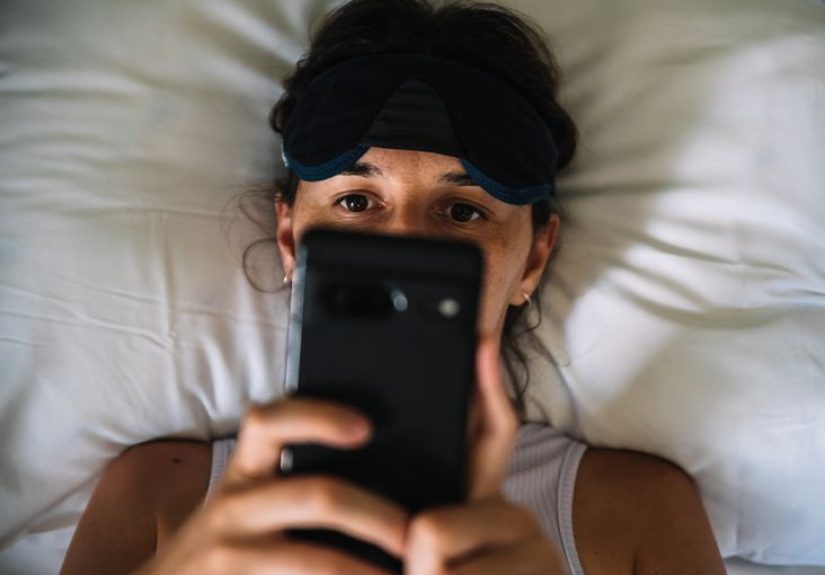
If you must use a screen, lower the brightness, switch on night mode, and avoid holding the device inches from your face in a pitch-black room. That setup is basically a spotlight audition for your eyeballs.
5. Keep the Bedroom Dark and Calm
Sleep usually goes better in a dark, quiet, cool room. That includes turning clocks away, muting notifications, and not letting your phone light up the room like it just got cast in a sci-fi movie.
6. Replace the Scroll With a Ritual
Most people do not need another lecture about phones. They need a replacement habit. Try a paper book, a shower, gentle stretching, journaling, calm music, or prepping for tomorrow. The goal is to help your brain stop performing daytime tasks when bedtime arrives.
Common Myths About Blue Light and Sleep
Myth: Blue Light Is the Only Reason Screens Hurt Sleep
False. Light matters, but so do stimulation, stress, habit loops, bedtime delay, and notifications. A very exciting screen in night mode can still keep you wide awake.
Myth: All Blue Light Is Harmful
False again. Daytime blue light is part of normal light exposure and helps keep your circadian rhythm aligned. The concern is mistimed exposure at night.
Myth: Blue Light Glasses Solve Everything
Not quite. They may help some people, but they are not a free pass for endless bedtime scrolling. Think of them as a tool, not a hall pass.
The Bottom Line
So, is blue light bad for sleep? Yes, it can be, especially in the evening when your brain is supposed to be shifting into nighttime mode. Blue-enriched light can suppress melatonin, increase alertness, and delay sleep. But the story is bigger than one color of light. Bedtime screen habits can hurt sleep through brightness, stimulation, time displacement, and the simple fact that phones are very good at making five minutes disappear forever.
The smartest approach is not panic. It is pattern management. Get plenty of daylight in the morning, dim your environment at night, reduce screens before bed, and build a routine that helps your body understand when the workday is over. Sleep tends to go better when your evenings stop looking like a tiny indoor sunrise.
Real-World Experiences: What Late-Night Blue Light Feels Like in Everyday Life
In real life, most people do not experience blue light as a dramatic villain twirling its mustache in the corner of the room. They experience it as a subtle sleep thief. A person checks one message before bed, then answers two more, then reads a news update, then watches a short video, then notices it is somehow 12:18 a.m. and their brain feels suspiciously open for business. The most common experience is not “I saw blue light and immediately stopped sleeping.” It is “I never quite got sleepy when I should have.”
Office workers often describe a familiar pattern. After a full day on a computer, they relax at night with a laptop, tablet, or television. They may feel tired in a general sense, but not sleepy in a ready-for-bed sense. Their eyes are dry, their shoulders are tense, and their mind is still humming like an engine that has not fully shut off. Once they finally get into bed, sleep takes longer than expected. The next morning, they blame stress, or dinner, or bad luck, when the bigger issue may be that their evening never truly became “night” from a biological standpoint.
Students and teenagers often feel this even more strongly. Homework on a bright laptop turns into texting, gaming, or social media, and bedtime slides later without much resistance. Many say they do not feel sleepy until they put the phone down. That makes sense. Screens can keep the brain engaged while also delaying the body’s wind-down signals. It becomes a loop: stay on the phone because you are not sleepy yet, and then remain not sleepy because you are still on the phone.
Parents notice it in children too. A child who watches fast-moving videos or plays games before bed may look tired but act wired. Bedtime becomes longer, fussier, and more dramatic than anyone ordered. The issue is not always the screen alone, but the combination of bright light, stimulating content, and a disrupted routine can absolutely show up as bedtime chaos.
Then there are the people who make one simple change and notice a surprisingly big difference. They start dimming lights after dinner. They move the phone charger out of the bedroom. They switch from late-night scrolling to reading a paperback or listening to calm audio. They step outside for morning light. Suddenly, they feel sleepy earlier, fall asleep faster, and wake up less groggy. The transformation is rarely cinematic. No orchestra swells. But they often report that sleep starts feeling more natural and less negotiated.
That is the most practical lesson from everyday experience. Blue light and screens do not ruin sleep in exactly the same way for everyone, but they often nudge sleep in the wrong direction. And because the effect is cumulative and habit-based, small changes can add up. Better sleep usually does not come from one miracle product. It comes from giving your brain a clearer signal that night has actually arrived.
Conclusion
Blue light is not the enemy all day long, but at night it can absolutely get in the way of healthy sleep. The solution is not to fear technology. It is to stop letting your evening lighting and screen habits confuse your body clock. Treat light as a tool. Use it to wake yourself up in the morning, and use less of it when your brain needs permission to shut down. That one shift can make bedtime feel less like a negotiation and more like a natural landing.