Table of Contents >> Show >> Hide
- What Counts as “Raw” Oats, Anyway?
- So, Is Eating Uncooked Oatmeal Safe?
- Why People Eat Raw Oats in the First Place
- What Are the Benefits of Raw Oats?
- The Downsides of Eating Raw Oatmeal
- Raw Oats vs. Cooked Oats: Which Is Better?
- How to Eat Raw Oats More Comfortably
- Who Should Be More Careful With Raw Oats?
- Best Ways to Eat Raw Oats
- Final Verdict: Is Eating Raw Oatmeal Safe?
- Real-World Experiences With Raw Oats: What People Often Notice
Let’s settle the breakfast debate before someone dramatically clutches a mason jar of overnight oats: yes, eating uncooked oatmeal is generally safe for most healthy adults. Raw oats are not some rogue food operating outside the law. In fact, many people eat them all the time in overnight oats, muesli, smoothie bowls, protein bites, and those “I have my life together” breakfasts that somehow involve chia seeds and a linen napkin.
That said, safe does not always mean ideal for everyone. Raw oats can be tougher to digest than cooked oats, especially if you eat a large portion, skip soaking, or already have a sensitive stomach. And while oats are naturally gluten-free, they are often processed around wheat, barley, or rye, which matters a lot for people with celiac disease or gluten sensitivity.
So, can you eat raw oats? Usually yes. Should you pour a cup of dry steel-cut oats into your mouth like breakfast trail mix and call it wellness? Probably not. The smarter answer lives in the middle, where texture, digestion, nutrition, and common sense all get a vote.
What Counts as “Raw” Oats, Anyway?
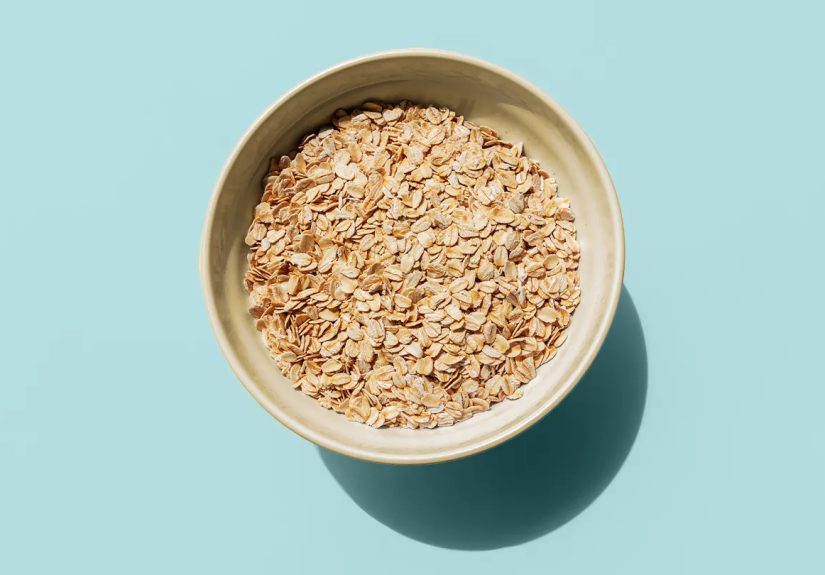
The phrase raw oats sounds simple, but it is a little misleading. Most oats sold in stores are not “raw” in the farm-to-spoon sense. Many common varieties, especially rolled oats and quick oats, have already been cleaned, hulled, steamed, and flattened during processing. So when people say “raw oatmeal,” they usually mean uncooked by you, not untouched by heat or processing.
Here is where it gets a little less confusing:
Rolled oats
These are old-fashioned oats. They are steamed and flattened, which makes them easier to soften in liquid and faster to cook. They are also the go-to option for overnight oats, no-bake snacks, and raw-ish breakfast recipes.
Quick oats and instant oats
These are processed even more than rolled oats, so they soften faster. If you eat oats without cooking them, these tend to be the least stubborn in texture. They are basically the “fine, I’ll cooperate” cousins of the oat family.
Steel-cut oats
These are chopped oat groats and are much chewier. They are technically edible without full cooking, but most people do not enjoy them that way unless they have been soaked for a long time. Think “rustic” if you’re being kind, or “tiny pebbles with ambition” if you’re being honest.
Oat groats
These are the least processed whole oats. They are the most demanding and generally work best when cooked thoroughly. If you are new to raw oats, groats are not the place to begin your breakfast journey.
So, Is Eating Uncooked Oatmeal Safe?
For most people, yes. Store-bought oats are generally safe to eat uncooked, especially when they are products like rolled oats or quick oats that are commonly used in no-cook recipes. That is one big reason overnight oats became popular: they are convenient, filling, and do not require you to stand over a pot before caffeine has done its job.
Still, “safe” comes with a few practical caveats. Raw oats are not dangerous in the way undercooked meat or eggs can be dangerous, but they also are not magically perfect. They are dry, dense, and fiber-rich, which means your digestive system may have notes. A small serving of soaked oats may feel great. A giant bowl of dry oats with barely enough liquid may turn breakfast into a lengthy conversation between your stomach and your regrets.
If you want the short version, here it is: uncooked oatmeal is usually safe, but soaked oats are often the better choice.
Why People Eat Raw Oats in the First Place
People do not eat raw oats just to impress the internet. There are actually some good reasons they show up in so many no-cook recipes.
1. They are convenient
Overnight oats are the breakfast equivalent of doing your future self a favor. You mix oats with milk or yogurt, refrigerate them, and wake up to a meal that is ready to go. No stove. No microwave. No “why is this boiling over right now?” moment.
2. They are nutritious
Oats are a whole grain and a solid source of fiber, especially soluble fiber called beta-glucan. That is the superstar compound most often linked with oats’ heart-health reputation. It helps form a gel-like texture during digestion, which can support fullness and help with cholesterol management as part of an overall healthy diet.
3. They can help you stay full
Because oats are rich in fiber and have a satisfying texture, they tend to keep you fuller than many ultra-processed breakfast foods. A bowl of soaked oats with fruit, nuts, and yogurt usually has far more staying power than a sugary pastry that disappears in three bites and leaves you hunting for snacks by 10 a.m.
4. They are versatile
Raw oats slide easily into smoothies, homemade granola bars, no-bake energy bites, muesli, and chilled breakfast jars. They also play well with peanut butter, berries, bananas, cinnamon, cocoa, seeds, apples, and nearly every “healthy-ish” ingredient currently living in your pantry.
What Are the Benefits of Raw Oats?
The benefits of raw oats are not dramatically different from the benefits of cooked oats, because the grain itself is still the star of the show. The biggest nutritional selling points include:
Fiber for digestive and heart health
Oats contain both soluble and insoluble fiber. Soluble fiber, especially beta-glucan, is the one most closely associated with cholesterol support and slower digestion. That slower digestion can be a plus if you want a breakfast that keeps you satisfied instead of sending you back to the kitchen an hour later.
Blood sugar support
Because oats are a minimally processed whole grain, plain oats generally have a steadier effect on blood sugar than highly refined breakfast foods. That does not mean every oat-based product is equal, though. A plain jar of overnight oats and a sugar-loaded flavored packet are not the same thing, even if both technically contain oats.
Useful nutrients
Oats also provide carbohydrates for energy, a bit of protein, and minerals like magnesium, phosphorus, and iron. They are not a miracle food, and they do not need to be. Being reliable is enough.
The Downsides of Eating Raw Oatmeal
Now for the less glamorous side of the oat story.
They can be harder to digest
This is the most common complaint. Raw oats, especially dry or barely softened ones, can feel heavy or rough on the stomach. If you eat a large amount of fiber all at once, you may notice gas, bloating, or abdominal discomfort. That is not unique to oats, but oats can absolutely deliver that lesson if you go from “low-fiber lifestyle” to “heroic bowl of raw bran-like breakfast” overnight.
Soaking matters more than people think
Soaking oats helps soften them, improves texture, and may make them easier to digest. It also may help reduce some of the effects of compounds called phytates, or phytic acid, which can interfere with the absorption of certain minerals. For most people eating a varied diet, this is not a nutritional emergency. Still, it is one reason soaked oats are often recommended over straight-up dry oats.
Texture can be a deal-breaker
Some people love the chewy bite of raw or soaked oats. Others take one spoonful and look personally offended. Taste matters. If the texture feels too dense or gluey, cooked oatmeal may simply be the better fit for your life and your breakfast standards.
Oats may be contaminated with gluten
This one is important. Oats are naturally gluten-free, but many oat products are processed in facilities or supply chains that also handle wheat, barley, or rye. If you have celiac disease or serious gluten sensitivity, choose oats clearly labeled gluten-free. “Probably fine” is not a strategy here.
Raw Oats vs. Cooked Oats: Which Is Better?
This is less of a nutritional showdown and more of a personal preference with digestive consequences.
Cooked oats usually win on comfort. They are softer, warmer, and easier for many people to digest. They are especially helpful if your stomach is sensitive, you are introducing more fiber into your diet, or you simply want breakfast to feel less like a chewable life challenge.
Raw or soaked oats win on convenience. They are fast, portable, and ideal for meal prep. If you like cold breakfasts, overnight oats can be a practical, filling option that still delivers the core nutrition oats are known for.
In other words, this is not a moral issue. It is oatmeal, not a personality test.
How to Eat Raw Oats More Comfortably
If you want to eat uncooked oatmeal without turning breakfast into a digestive gamble, a few habits help a lot.
Choose rolled oats
These soften well and are usually the easiest raw-style oats for beginners. Steel-cut oats can work, but they need more time and patience.
Soak them first
Overnight soaking is the classic move, but even a shorter soak can improve texture. Yogurt, milk, or a plant-based alternative all work well.
Start with a smaller portion
If you are not used to high-fiber foods, begin with a modest serving. Let your digestive system get acquainted before you ask it to process a mountain of oats, chia seeds, flax, berries, and almond butter all in one sitting.
Drink enough fluid
Fiber needs water to do its job well. If you suddenly increase your fiber intake without enough liquid, your stomach may protest in unforgettable ways.
Keep it refrigerated
If you soak oats overnight, store them in the refrigerator and use clean ingredients and containers. If the mixture smells off, looks questionable, or has been sitting around too long, toss it. Breakfast should be boring in the food safety department.
Who Should Be More Careful With Raw Oats?
Raw oats are fine for many people, but a few groups may want to be more cautious.
People with digestive sensitivity
If you have IBS, frequent bloating, or a sensitive stomach, cooked oats may sit better than raw ones. Soaked oats may be a middle ground worth trying.
People with celiac disease
Use only certified or clearly labeled gluten-free oats, and pay attention to how your body responds. Even pure oats do not work for absolutely everyone with celiac disease.
People with oat allergies
This is less common, but possible. If oats consistently cause symptoms, skip the experiment and talk with a healthcare professional.
Best Ways to Eat Raw Oats
If you want the benefits of eating raw oats without the drawbacks, these are the easiest wins:
Overnight oats
The classic. Soak rolled oats in milk or yogurt overnight, then add fruit, nuts, seeds, or nut butter in the morning.
Muesli
A mix of oats, nuts, seeds, and dried fruit that can be eaten soaked or lightly softened. It is basically the cool European cousin of granola who prefers not to be baked.
Smoothies
Blend a small amount of oats into a smoothie for added fiber and thickness. This is especially useful if you like the nutrition of oats but do not love their chewy texture.
No-bake bites
Rolled oats work well in energy bites with peanut butter, honey, dates, cocoa, or seeds. These are great for snacks, but portion size still matters because “healthy snack” can quietly become “accidental dessert buffet.”
Final Verdict: Is Eating Raw Oatmeal Safe?
Yes, eating uncooked oatmeal is generally safe for most people, especially when you use store-bought rolled oats or quick oats and soften them by soaking. Raw oats still offer the familiar benefits that make oats popular in the first place: fiber, fullness, versatility, and heart-healthy appeal.
But they are not automatically the best option for every stomach. If raw oats leave you bloated, heavy, or unimpressed, cooked oats are still an excellent choice. The healthiest oatmeal is the kind you actually enjoy, digest well, and eat consistently without making breakfast feel like a punishment.
So yes, you can eat raw oats. Just give them a little liquid, a little time, and a little respect. They are humble, but they are not effortless.
Real-World Experiences With Raw Oats: What People Often Notice
One reason this topic keeps popping up is that people’s experiences with raw oats are all over the map. One person eats overnight oats every weekday and feels like the picture of organized adulthood. Another tries the same jar and spends the morning wondering why breakfast feels like a brick wearing cinnamon.
A very common experience is that soaked oats feel dramatically better than dry oats. People who try stirring dry rolled oats into yogurt and eating them right away often describe the result as too chewy, too dense, or oddly dusty. But when those same oats sit overnight, they soften, absorb liquid, and become much more pleasant. It is less “livestock-adjacent grain situation” and more “actual breakfast.”
Another common pattern is the fiber surprise. Someone starts eating raw oats because they want a healthier breakfast, adds chia seeds, flaxseeds, berries, almonds, and maybe a heroic spoonful of peanut butter, then wonders why their stomach is now sending strongly worded emails. Usually the issue is not that oats are bad. It is that the meal became a high-fiber event with almost no ramp-up period. Smaller portions and more fluid often make a huge difference.
Texture is another deal-breaker. Some people genuinely prefer cold oats because they are hearty, creamy, and convenient. Others find them gluey, especially if the ratio of oats to liquid gets too aggressive. This is where personal preference matters more than internet confidence. If cooked oatmeal feels cozy and raw oats feel like edible wallpaper paste, you are allowed to choose cozy.
People who blend oats into smoothies often report the easiest transition. That makes sense. A modest amount of oats adds thickness and fiber without the chew factor. It is a smart option for anyone who wants the nutrition of oats without the full bowl-of-oats experience.
There is also the “I thought all oats were the same” stage. They are not. Rolled oats usually work well for no-cook recipes, while steel-cut oats often surprise people with how tough they stay unless they are soaked for much longer. Many first-time raw-oat skeptics were not rejecting oats. They were accidentally choosing the most stubborn version available.
For people avoiding gluten, the experience is less about texture and more about trust. Many shoppers assume oats are automatically gluten-free, then learn that cross-contact is the real issue. Once they switch to labeled gluten-free oats, the experience often improves because the guesswork disappears.
And then there is the biggest real-world takeaway of all: raw oats are rarely a “never” or “always” food. They are a “depends on your body, your portion, your preparation, and whether you remembered to soak them” food. That may be less dramatic than a yes-or-no headline, but it is far more useful when breakfast shows up tomorrow morning.