Table of Contents >> Show >> Hide
- Why John Pawson and Demeyere Make Sense Together
- What the Collection Looks Like
- What Demeyere Brings to the Performance Side
- How It Changes the Feel of a Kitchen
- What It Is Like to Cook With
- Who This Collection Is Best For
- Are There Any Drawbacks?
- Why the Collaboration Still Feels Relevant
- The Experience of Living With a Kitchen Inspired by John Pawson for Demeyere
- Final Thoughts
If most cookware is designed to shout, John Pawson for Demeyere is designed to murmur in a very confident accent. No flashy color. No decorative flourishes. No “look at me, I’m artisanal” drama. Just clean lines, serious stainless steel, and the kind of restraint that makes you suspect the pan would silently judge your crowded utensil crock.
That tension is exactly what makes this collaboration so interesting. On one side, you have John Pawson, the British architect and designer whose name is practically attached to modern minimalism. On the other, you have Demeyere, the Belgian cookware brand known for engineering-heavy stainless-steel cookware that cooks like it has something to prove. Put them together and you get a kitchen story that is not just about pots and pans. It is about how objects can shape the entire mood of a room, the rhythm of cooking, and even the way you think about what belongs on a countertop in the first place.
For anyone interested in minimalist kitchen design, premium stainless steel cookware, or the idea that performance and beauty should stop pretending they are distant relatives, Kitchen: John Pawson for Demeyere is worth a close look. This is cookware that asks a simple question with very expensive confidence: what happens when architectural discipline meets daily cooking?
Why John Pawson and Demeyere Make Sense Together
At first glance, an architect designing cookware may sound like one of those ideas that only appears after someone says, “What if we made a sauté pan… conceptual?” But Pawson is actually an unusually good fit for a project like this.
His design philosophy has long focused on subtraction. He strips away noise until only the essential remains: proportion, surface, light, balance, and use. In architecture, that approach creates rooms that feel calm instead of chaotic. In cookware, it creates pieces that feel refined without becoming fragile or fussy.
Demeyere brings the opposite but complementary strength. The brand’s reputation has been built on performance-minded stainless-steel cookware, smart induction compatibility, hygienic welded handles, and layered metal construction designed to deliver even heat. In other words, Demeyere handles the kitchen physics while Pawson handles the visual and tactile discipline. One brings the engineering. The other makes sure the engineering does not look like it escaped from a laboratory.
That balance matters because the modern kitchen is no longer a back-room workspace hidden from view. It is the center of the home, the place where dinner happens, coffee happens, life happens, and somebody always ends up leaning on the island talking while you are trying not to burn onions. In that setting, cookware is not just functional equipment. It is part of the visual language of the room.
What the Collection Looks Like
The first thing people notice about John Pawson for Demeyere is the purity of the silhouette. These are not overly decorated pans. They are crisp, reduced, and quietly sculptural. The shapes look inevitable, which is usually the highest compliment minimalism can receive. When an object looks obvious, it often means a designer spent a very long time making difficult decisions look effortless.
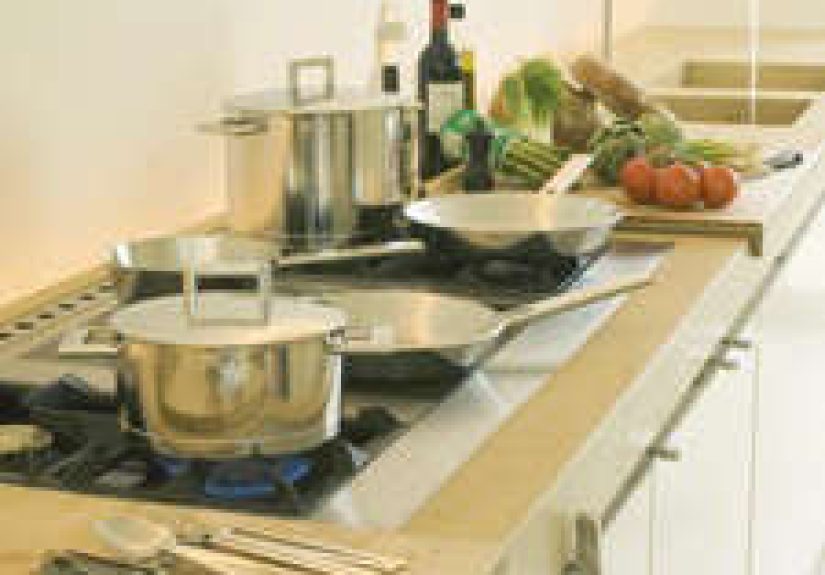
That is part of the appeal. The cookware feels architectural rather than ornamental. The forms are smooth and restrained. The handles do not visually interrupt the body of the pan the way bulkier, more conventional designs often do. The overall effect is clean enough for open shelving, kitchen photography, or serving directly at the table without the usual panic of “Should I transfer this to something prettier?”
And yes, that matters. In a world where kitchens often double as dining rooms, workspaces, entertaining zones, and accidental Zoom backgrounds, cookware that looks elegant in motion has a real place. Pawson’s designs understand that the best kitchen objects can move from hob to table without costume changes.
Minimalist, Not Sterile
Here is where many minimalist products fail: they become visually cold. They reduce so aggressively that they also reduce pleasure. Pawson tends to avoid that trap by focusing on proportion and surface rather than emptiness for its own sake. The cookware does not read as bare. It reads as intentional.
That distinction is important for SEO-friendly terms like minimalist kitchen cookware, luxury stainless steel cookware, and modern kitchen essentials. Consumers searching those terms are usually not looking for something that merely disappears. They want something that simplifies the visual field while still feeling premium, durable, and satisfying to use. This collection fits that brief unusually well.
What Demeyere Brings to the Performance Side
Let’s be honest: beautiful cookware that performs poorly is just countertop theater. Luckily, Demeyere’s reputation is built on the opposite idea. This brand is known for taking stainless steel seriously, and that seriousness shows up in the details cooks actually care about.
Think even heat distribution, durable multi-layer construction, induction-ready design, welded handles that are easier to clean, and finishes meant to resist the tired-looking discoloration that can make some stainless steel pieces age like milk left in a sunbeam. Demeyere cookware is often praised for precision, retention, and durability, which means the Pawson collaboration had a strong technical foundation from the start.
In practical terms, that translates to better browning, steadier simmering, and cookware that feels built for repeated real-world use rather than occasional performance art involving risotto. A pan can look gorgeous on a shelf, but if it scorches shallots or develops hot spots every time you make a pan sauce, the romance ends quickly. Demeyere’s engineering is what keeps the romance from becoming a short, expensive fling.
Why Stainless Steel Matters Here
Stainless steel is the right material for a collaboration like this because it reinforces both sides of the story. On the functional side, it is durable, responsive, and suitable for searing, sautéing, braising, reducing, and all the glorious kitchen activities that leave nonstick coatings looking nervous. On the design side, stainless steel suits minimalism beautifully. It reflects light, holds crisp geometry, and ages with dignity when well made.
That makes John Pawson cookware and Demeyere cookware especially appealing to people designing calm, high-function kitchens. If your kitchen leans modern, Scandinavian, Japandi, warm minimalist, or even gallery-like, clunky cookware can ruin the mood. Pawson’s collaboration solves that problem by making a hardworking object look composed.
How It Changes the Feel of a Kitchen
The best way to understand this collaboration is to stop thinking about cookware as isolated objects and start thinking about it as kitchen architecture in miniature.
A typical kitchen accumulates visual noise fast. Utensils fan out in ceramic jars. Mugs colonize the counter. One bright-red saucepan starts a whole argument with the backsplash. Then a plastic cutting board enters the scene like an unwanted plot twist. Before long, the room is technically functional but emotionally loud.
John Pawson for Demeyere pushes in the opposite direction. The cookware encourages a more edited kitchen because it already embodies editing. You begin to notice the difference between necessary and merely there. One great stockpot starts to look smarter than three mediocre ones. A pan that goes from stove to table makes serving ware feel less urgent. A cleaner silhouette makes open storage look less chaotic.
That is why this collection has lasting relevance for readers searching terms like minimalist kitchen ideas, designer cookware, and best cookware for modern kitchens. It is not just about buying luxury cookware. It is about changing the visual temperature of the entire room.
What It Is Like to Cook With
The performance story is not just theoretical. Serious stainless-steel cookware tends to reward good technique. Preheat the pan properly, add fat at the right moment, and suddenly you get the kind of sear that makes weeknight chicken feel much more accomplished than it has any right to. Stainless steel also excels at building fond, which means better pan sauces, better browning, and better excuses to tell everyone you are “just deglazing” when really you are showing off.
Cookware in this category also tends to have real heft. That can be a plus or a minus depending on the cook. The upside is stability, durability, and a strong sense of substance. The downside is that these are not featherweight pieces you flick around like a TV chef with suspiciously infinite wrist strength. If you want ultralight cookware, this is probably not your love story.
But for many home cooks, the weight is part of the appeal. It communicates seriousness. It feels like a tool rather than a trend. And because the balance matters as much as the mass, well-designed premium cookware can feel more controlled in use than cheaper, lighter pieces that wobble, warp, or heat unevenly.
Who This Collection Is Best For
Kitchen: John Pawson for Demeyere is not universal cookware, and that is part of why it is compelling. It makes the most sense for people who care about both visual order and cooking performance.
It is ideal for:
1. The Design-Led Home Cook
This is the person who notices when a pan handle ruins a shelf line. They want the kitchen to feel composed, not crowded, and they do not think beauty and utility should be forced into separate apartments.
2. The Minimalist Kitchen Planner
If you are building or remodeling a kitchen and want everything to feel calm, this cookware supports the architecture instead of fighting it. It works especially well in open-plan spaces where every visible object matters.
3. The Performance-Minded Cook
If you love browning, sautéing, pan sauces, and cookware that can take real use, Demeyere’s engineering background makes this collaboration more than just a design exercise.
4. The Buyer Who Believes in Fewer, Better Things
Some cookware is cheap to buy and expensive to live with. This kind of cookware makes the opposite argument. Buy less. Buy better. Avoid the drawer of regret.
Are There Any Drawbacks?
Of course. Every serious design object comes with trade-offs, because perfection remains annoyingly fictional.
First, premium cookware is a commitment. Not just financially, but psychologically. Once you start loving well-made stainless steel, you may find yourself judging every flimsy pan you meet for the rest of your natural life.
Second, minimalist cookware can expose the rest of your kitchen. Put beautifully restrained pots in a space full of random plastic gadgets, novelty mugs, and sixteen unmatched lids, and suddenly the pans are not the ones on trial. You are.
Third, stainless steel demands a little technique. If someone expects it to behave like forgiving nonstick right out of the box, there may be a learning curve. But for many cooks, that learning curve is part of the reward because it leads to better control and better results.
Why the Collaboration Still Feels Relevant
Plenty of designer collaborations fade because they are too tied to a trend. John Pawson for Demeyere has lasted in the design conversation because it is built on deeper principles: clarity, material honesty, proportion, and actual utility. Those ideas age much better than fashion.
It also anticipated the way people now think about kitchens. Today, readers care about kitchen aesthetics, intentional living, open shelving, decluttered spaces, and investment cookware. This collaboration sits neatly at the crossroads of all those interests. It treats cookware as something that can elevate both how a kitchen looks and how it works.
Most importantly, it understands that minimalism is not about owning nothing. It is about owning things that earn their place. That is a much smarter philosophy, especially in the kitchen, where useless clutter multiplies faster than takeout soy sauce packets.
The Experience of Living With a Kitchen Inspired by John Pawson for Demeyere
Living with cookware like this changes your habits in subtle ways. At first, the shift is visual. You notice how much calmer the kitchen feels when the objects in it are not competing for attention. A stainless-steel pot with clean lines resting on the stove looks less like something you forgot to put away and more like part of the room. That sounds minor, but in a kitchen that is open to the dining area or living room, it makes a real difference. The space feels edited. Quieter. More adult, frankly.
Then the functional side kicks in. Morning coffee no longer begins with rummaging through a cluttered cabinet avalanche. You start reaching for the same pieces again and again because they do more. A solid saucepan handles oatmeal, reheating soup, boiling eggs, and reducing a quick sauce without making a fuss. A larger pot moves from pasta water to weekend stock to a simple braise. Because the cookware looks good enough to serve from, you stop dirtying extra bowls just for appearances. That means fewer dishes, which is maybe not poetry, but it is absolutely romance.
There is also a psychological pleasure in using objects that feel resolved. The lid fits well. The handle feels considered. The pan sits steadily on the burner instead of wobbling like it has stage fright. Good cookware does not make you a better cook by magic, but it does remove tiny irritations that chip away at confidence. When the tools behave predictably, you cook more freely. You brown mushrooms longer. You build a sauce instead of opening a jar. You trust the pan to hold heat. You trust yourself a little more too.
The aesthetic experience is just as real. In a Pawson-influenced kitchen, surfaces matter. Light matters. Negative space matters. When the cookware is aligned with that philosophy, it supports the room rather than interrupting it. You may find yourself naturally putting things away more often, not because you have become a minimalist saint overnight, but because the room feels better when it is clear. An empty counter starts to look less empty and more intentional. A single pot simmering on the stove becomes a visual focal point instead of clutter.
Guests notice it too, even if they cannot quite explain why. They may not say, “Ah yes, the disciplined marriage of architectural minimalism and Belgian cookware engineering is palpable tonight.” They will say something more normal, like, “Your kitchen feels really nice,” or “This looks so clean,” or “Why does your soup pot look cooler than my car?” That reaction is part of the appeal. The cookware communicates quality without begging for applause.
What makes the experience memorable is that it blends beauty with daily usefulness. This is not museum cookware. It is not the sort of thing you buy, photograph once, and then baby forever. The pleasure comes from repetition: weekday pasta, Saturday lentils, browned butter, tomato sauce, quick greens, rice for two, a pot of beans that makes you feel improbably competent. Over time, the kitchen becomes less about accumulation and more about rhythm. Fewer pieces, used more often, with more satisfaction. That is the real genius of John Pawson for Demeyere. It does not just change how a kitchen looks. It changes how a kitchen feels to live in.
Final Thoughts
Kitchen: John Pawson for Demeyere is compelling because it refuses to choose between design purity and cooking performance. It proves that minimalist cookware does not have to be delicate, and high-performance cookware does not have to look industrial. Instead, it offers a third path: tools that are disciplined, durable, elegant, and deeply usable.
For readers building a modern kitchen, refining a minimalist home, or upgrading to better stainless steel cookware, this collaboration remains a smart reference point. It shows how much design can do when it respects function, and how much function can gain when it is given real form. In a market crowded with loud products and louder marketing, that kind of quiet confidence still feels rare.