Table of Contents >> Show >> Hide
- What Is a Kombucha Brooklyn Kit?
- Why Kombucha Became a Home Brewing Favorite
- What Usually Comes in the Kit?
- How the Kombucha Brooklyn Kit Works
- Why Beginners Like the Kombucha Brooklyn Kit
- Flavor Ideas for Your First Few Batches
- Safety Tips for Home Kombucha Brewing
- Kombucha Brooklyn Kit vs. Buying Bottled Kombucha
- Common Beginner Mistakes
- Who Should Buy a Kombucha Brooklyn Kit?
- How to Get Better Results Over Time
- Real-Life Experience: What It Feels Like to Use a Kombucha Brooklyn Kit
- Conclusion
There are two kinds of people in this world: people who see a jar of fermenting tea on the counter and say, “Absolutely not,” and people who lean closer and whisper, “Tell me your secrets.” The Kombucha Brooklyn Kit was made for the second groupbut it is friendly enough to convert a few cautious skeptics, too.
At its core, a kombucha kit is a beginner-friendly way to make fermented tea at home without assembling every tool and ingredient one by one. The Kombucha Brooklyn name, often associated with KBBK and Brooklyn-style DIY brewing culture, helped make home kombucha feel less like a mysterious science fair project and more like a weekend kitchen ritual. Today, similar Brooklyn Brew Shop-style kombucha kits typically focus on small-batch brewing, simple ingredients, and a reusable setup that can keep producing batch after batch if cared for properly.
This guide takes a deep, practical look at what a Kombucha Brooklyn Kit includes, how it works, why it appeals to home brewers, what beginners should watch out for, and how to get the best-tasting bottle without accidentally creating vinegar with confidence issues.
What Is a Kombucha Brooklyn Kit?
A Kombucha Brooklyn Kit is a home brewing starter kit designed to help you make kombucha, a lightly fizzy fermented tea made with sweetened tea and a living culture called a SCOBY. SCOBY stands for “symbiotic culture of bacteria and yeast,” which sounds like something from a biology textbook but behaves more like the sourdough starter of the tea world.
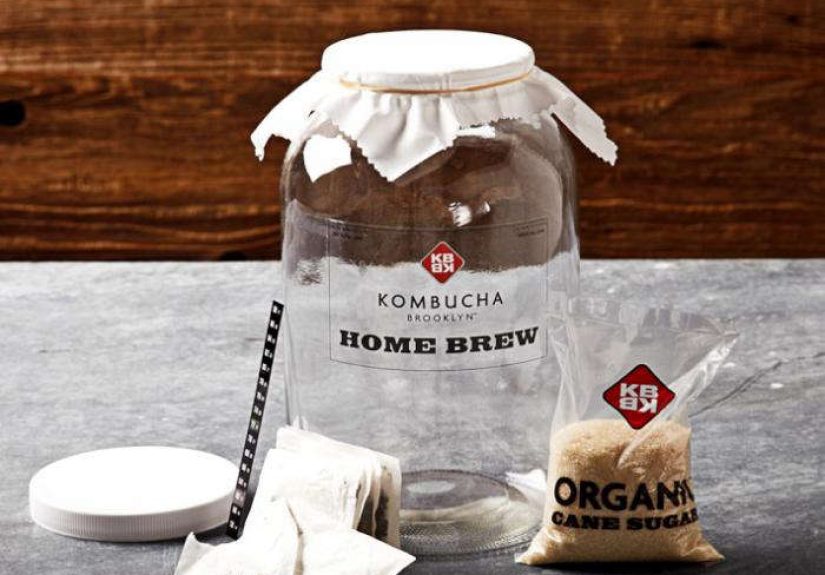
A typical kit includes the basic materials needed for a first batch: a glass fermenting jar, kombucha SCOBY, starter liquid, tea, sugar, a cloth cover, and a band to secure the cover. Some older Kombucha Brooklyn home brew kits also included extras such as a thermometer, printed instructions, and enough ingredients for multiple batches depending on the version.
The purpose is convenience. Instead of hunting down a reliable SCOBY, guessing which tea to use, and wondering whether your random jar from the back of the cabinet is ferment-safe, the kit gives you a neat starting point. It turns kombucha brewing into a clear process: brew sweet tea, cool it, add starter culture, cover it, wait, taste, bottle, and enjoy.
Why Kombucha Became a Home Brewing Favorite
Kombucha has been around for centuries, but its modern American glow-up is impressive. Once found mostly in health food stores and co-op refrigerators, kombucha now sits in mainstream grocery aisles next to sparkling water, cold brew, and drinks with names that sound like yoga retreats.
The appeal is easy to understand. Kombucha tastes bright, tangy, lightly sweet, and refreshing. It can have natural carbonation, making it a satisfying alternative to soda. It is also associated with live cultures, organic acids, tea antioxidants, and the broader interest in fermented foods like yogurt, kefir, kimchi, and sauerkraut.
But the home brewing angle adds something different: control. With a Kombucha Brooklyn Kit, you decide how tart the brew becomes, whether you want ginger or berry flavoring, how sweet the final drink tastes, and how often you brew. Buying bottled kombucha is easy, but making it at home is more personaland often more affordable over time.
What Usually Comes in the Kit?
While exact contents may vary by seller, kit version, and availability, a classic small-batch kombucha making kit generally includes the essentials below.
Glass Fermenting Jar
Glass is the preferred vessel for kombucha because it does not react with the acidic brew. A half-gallon jar is common in beginner kits because it is large enough to produce a useful amount of kombucha but small enough to manage easily on a kitchen counter.
Kombucha SCOBY
The SCOBY is the living culture that drives fermentation. It may look strange at firstsmooth, rubbery, pale, and slightly alienbut it is the engine of the whole process. A healthy SCOBY helps transform sweet tea into kombucha by supporting the bacteria and yeast responsible for fermentation.
Starter Liquid
Starter liquid is finished kombucha that helps acidify the new batch and introduce active microbes. It is just as important as the SCOBY because it helps create the right environment for safe fermentation.
Tea and Sugar
Kombucha needs real tea and sugar. Green tea, black tea, or a blend can work, depending on the recipe. Sugar is not just for sweetness; it feeds the culture. During fermentation, much of the sugar is consumed by the yeast and bacteria, leaving behind a tangier drink.
Cloth Cover and Band
Kombucha needs airflow during primary fermentation, so the jar is covered with a breathable cloth instead of a sealed lid. The band keeps the cloth in place and helps keep out dust, fruit flies, and other uninvited guests. Fruit flies love kombucha. They are tiny, dramatic, and absolutely not on the guest list.
How the Kombucha Brooklyn Kit Works
The brewing process is simple, but the details matter. Think of it like baking bread or caring for a houseplant. You do not need to be a scientist, but you do need to respect temperature, cleanliness, and timing.
Step 1: Brew Sweet Tea
Start by steeping the included tea in hot water and dissolving sugar into it. The sugar should fully disappear into the tea. This sweet tea becomes the food source for your SCOBY.
Step 2: Cool the Tea
Never add a SCOBY to hot tea. Heat can damage or kill the living culture. Let the tea cool to room temperature before combining it with the starter liquid and SCOBY.
Step 3: Add Starter Liquid and SCOBY
Pour the cooled tea into the clean glass jar, add the starter liquid, and gently place the SCOBY in the jar. It may float, sink, tilt sideways, or look like it is reconsidering its career. All of that can be normal.
Step 4: Cover and Ferment
Cover the jar with the cloth and secure it with the band. Place the jar in a warm spot away from direct sunlight. Many home brewers aim for a comfortable room-temperature range, often around the low-to-upper 70s Fahrenheit. Cooler rooms slow fermentation; warmer rooms speed it up.
Step 5: Taste and Decide
After about a week, begin tasting with a clean straw or spoon. If it tastes too sweet, let it ferment longer. If it tastes sharp and vinegary, it may have gone too long. The sweet spot is usually a balance of tart, lightly sweet, and tea-like flavor.
Step 6: Bottle and Flavor
Once the kombucha tastes right, remove the SCOBY and reserve some liquid for the next batch. Then bottle the rest. This is when you can add flavorings such as ginger, lemon, berries, pineapple, apple, mint, or herbs. Bottling can create more fizz, but pressure can build quickly, so use appropriate bottles and refrigerate when ready.
Why Beginners Like the Kombucha Brooklyn Kit
The biggest benefit is simplicity. Kombucha can seem intimidating when you are starting from scratch. Online advice is helpful, but it can also send you down a rabbit hole of pH meters, fermentation temperatures, SCOBY hotels, second fermentation ratios, and people arguing passionately about tea like it is a constitutional issue.
A kit reduces decision fatigue. You get the main ingredients in one place, with proportions designed for a first batch. That structure is especially useful for beginners who want to learn by doing rather than building a spreadsheet before touching a tea kettle.
The small-batch size is another advantage. A half-gallon batch is forgiving. If your first batch is too tart, too flat, or slightly weird, you have not sacrificed five gallons of tea to the fermentation gods. You can adjust the next round quickly.
Flavor Ideas for Your First Few Batches
Plain kombucha is delicious when brewed well, but flavoring is where the hobby becomes especially fun. Once your first fermentation is finished, try adding ingredients during bottling for a short second fermentation.
Ginger Lemon
This is the classic starter flavor. Fresh ginger adds heat, lemon adds brightness, and the combination makes homemade kombucha taste crisp and lively.
Blueberry Mint
Blueberries bring color and gentle sweetness, while mint keeps the drink fresh. This is a good summer batch, especially when served cold over ice.
Pineapple Jalapeño
For adventurous brewers, pineapple gives tropical sweetness and jalapeño adds a gentle kick. Start with a tiny amount of pepper unless you enjoy beverages that fight back.
Apple Cinnamon
This cozy flavor works well in cooler months. Use apple juice or small apple pieces with a light touch of cinnamon. Too much cinnamon can dominate the brew, so treat it like perfume: a little is charming, a lot is an incident.
Safety Tips for Home Kombucha Brewing
Homemade kombucha is generally straightforward, but it is still a live fermented food. Cleanliness and common sense matter.
Use Clean Equipment
Wash your hands, clean your jar, and use clean utensils. Avoid introducing food scraps, soap residue, dirt, or questionable kitchen chaos into the brew.
Stick With Glass
Because kombucha is acidic, glass is the safest and most reliable brewing vessel. Avoid reactive metals and decorative ceramic containers that may contain unsafe glazes.
Watch for Mold
Healthy kombucha can look unusual. Yeast strands, bubbles, cloudy patches, and a new thin SCOBY forming on top can be normal. Mold, however, is usually dry, fuzzy, and sits on the surface. If you see real mold, discard the batch and the SCOBY. Do not scrape it off and pretend everyone is fine.
Do Not Overdo Consumption
Kombucha is acidic and may contain caffeine, sugar, and small amounts of alcohol from fermentation. People who are pregnant, breastfeeding, immunocompromised, sensitive to alcohol, or managing certain medical conditions should talk with a healthcare professional before drinking homemade kombucha.
Kombucha Brooklyn Kit vs. Buying Bottled Kombucha
Bottled kombucha wins on convenience. You open the fridge, twist a cap, and your drink is ready. No SCOBY, no waiting, no suspicious jar on the counter making your roommate ask questions.
The Kombucha Brooklyn Kit wins on experience, creativity, and long-term value. Once you have the jar and a healthy culture, you can keep brewing with tea and sugar. You also get to customize flavors and fermentation levels in a way store-bought kombucha cannot match.
Store-bought kombucha is a finished product. A home kit is a skill-building tool. If you enjoy cooking, gardening, sourdough, pickling, or making things from scratch, the kit will likely feel rewarding. If you prefer all beverages to appear magically in cans, bottled kombucha may be your soulmate.
Common Beginner Mistakes
Using Hot Tea With the SCOBY
This is one of the fastest ways to harm the culture. Always cool the tea before adding the SCOBY and starter liquid.
Sealing the Jar During First Fermentation
Primary fermentation needs airflow. Use the cloth cover, not an airtight lid. Save sealed bottles for second fermentation after the primary brew is finished.
Using Flavored Tea Too Early
Strongly flavored teas, oily teas, and herbal blends can interfere with the culture. Start with plain green or black tea, then add flavors later during bottling.
Fermenting Too Long
Long fermentation can turn kombucha very sour. Taste regularly once the brew reaches the expected window. Your taste buds are useful brewing equipment.
Forgetting to Save Starter Tea
Before drinking or bottling the whole batch, save enough finished kombucha to start the next one. Otherwise, you may have a SCOBY but no starter liquid, which is like owning a car with no fuel.
Who Should Buy a Kombucha Brooklyn Kit?
A Kombucha Brooklyn Kit is ideal for curious beginners, DIY food lovers, fermentation fans, and anyone who buys kombucha often enough to wonder whether there is a better way. It also makes a thoughtful gift for people who enjoy kitchen projects, wellness drinks, or slightly strange hobbies with delicious results.
It may not be the best fit for someone who travels constantly, dislikes maintaining living cultures, or has no patience for waiting a week or more. Kombucha brewing is easy, but it is not instant. The SCOBY has its own schedule, and unfortunately it does not care about your calendar.
How to Get Better Results Over Time
Your first batch teaches you the basics. Your second batch teaches you timing. Your third batch is where you begin to develop preferences.
Keep notes on tea type, sugar amount, room temperature, fermentation time, and flavor additions. Small changes can create noticeable differences. A batch brewed for seven days in a warm kitchen may taste very different from one brewed for twelve days in a cooler room.
As your confidence grows, you can experiment with tea blends, longer or shorter fermentation, fruit purees, herbal additions, and carbonation levels. You can also maintain a SCOBY hotel, which is simply a jar where extra SCOBYs live in starter tea until needed. Yes, “SCOBY hotel” is a real phrase. No, it does not include tiny towels.
Real-Life Experience: What It Feels Like to Use a Kombucha Brooklyn Kit
The first thing you notice when using a Kombucha Brooklyn-style kit is how ordinary the setup feelsuntil the SCOBY enters the room. Brewing the tea is familiar. Measuring sugar is familiar. Washing the jar is familiar. Then you open the culture and suddenly your kitchen has become part café, part laboratory, part tiny fermentation spa.
For many beginners, the biggest surprise is that the process is not difficult. The instructions are usually simple enough: make sweet tea, cool it, add the starter and SCOBY, cover the jar, and wait. The hardest part is not touching it every five minutes. Kombucha rewards patience, which is mildly rude in a world where coffee can be delivered in ten minutes.
During the first few days, the jar may not seem to do much. Then small changes appear. The aroma becomes tangier. A thin new layer may form on top. Yeast strands may drift through the tea like mysterious little sea creatures. This is the stage when beginners often panic and search “is my kombucha normal?” The answer is often yes, as long as there is no fuzzy mold and the smell is pleasantly sour rather than rotten or spoiled.
Tasting the first batch is the best part. At day seven or so, the brew may still be sweet and tea-forward. By day ten, it can become brighter, sharper, and more balanced. If your kitchen is warm, it may ferment quickly. If your kitchen is cool, it may need more time. This is when you realize kombucha brewing is less about following a clock and more about learning a flavor curve.
Bottling adds another layer of excitement. A little ginger or fruit juice can transform the batch. Ginger tends to produce a snappy, familiar kombucha flavor. Berries add color and aroma. Pineapple can create lively carbonation. But bottling also teaches caution: carbonation builds pressure. Use proper bottles, leave headspace, check them carefully, and refrigerate once they are fizzy enough.
The most satisfying moment comes when you pour your first chilled glass. It may not taste exactly like a store-bought bottle, and that is part of the charm. Homemade kombucha often tastes fresher, softer, and more customizable. It feels less like a product and more like a small kitchen accomplishment. You made tea, fed a culture, waited patiently, and ended up with a sparkling drink that feels oddly impressive.
After a few batches, the kit becomes less of a novelty and more of a routine. You start saving starter liquid automatically. You learn where the jar ferments best. You discover which flavors disappear, which ones dominate, and which ones make you feel like a beverage genius. The SCOBY becomes less scary and more like a weird but dependable roommate who only asks for tea and sugar.
That is the real value of the Kombucha Brooklyn Kit. It does not just help you make one batch of kombucha. It gives you a repeatable process, a living culture, and a reason to experiment. For anyone who enjoys hands-on food projects, it turns a trendy drink into a skilland a surprisingly fun one at that.
Conclusion
The Kombucha Brooklyn Kit is more than a box of brewing supplies. It is an invitation to understand kombucha from the inside out. With a glass jar, SCOBY, starter liquid, tea, sugar, and a little patience, beginners can make small-batch fermented tea at home and customize it with flavors that match their taste.
It is not completely effortless. You need clean tools, safe habits, the right brewing vessel, and a willingness to let fermentation do its slow, slightly funky work. But for curious home brewers, that is exactly the fun. The kit makes kombucha feel approachable, affordable, and creativewithout requiring a chemistry degree or a Brooklyn loft full of artisanal jars.
If you love kombucha and want to move beyond buying bottles, a Kombucha Brooklyn-style kit is a smart place to start. Your first batch may teach you patience. Your second batch may teach you flavor. By the third batch, you may find yourself saying things like “my SCOBY looks happy today,” and honestly, that is when the hobby has officially chosen you.