Table of Contents >> Show >> Hide
- What Makes Lobmeyr Clear Glassware Different?
- A Quick History of the Brand Behind the Brilliance
- Why Clear Glassware Is the Purest Expression of Lobmeyr Style
- Signature Lobmeyr Clear Glassware Collections
- Why Museums, Designers, and Collectors Keep Paying Attention
- How Lobmeyr Clear Glassware Performs in Real Life
- How to Style Lobmeyr Clear Glassware at Home
- Is Lobmeyr Clear Glassware Worth It?
- The Experience of Living With Lobmeyr Clear Glassware
- Conclusion
If most luxury glassware arrives at the table wearing a tuxedo and loudly clearing its throat, Lobmeyr clear glassware strolls in quietly, sits down, and somehow becomes the most interesting thing in the room. That is the magic. The Viennese house of J. & L. Lobmeyr has spent two centuries refining crystal into something that feels almost impossible: feather-light, visually calm, and so precise it makes ordinary water look like it just got promoted.
For collectors, designers, and people who believe a really good glass can make Tuesday dinner feel a little less Tuesday-ish, Lobmeyr clear glassware has a special pull. It is not just about sparkle. It is about proportion, touch, balance, and the kind of restraint that takes serious skill. These pieces do not beg for attention with chunky stems or overworked ornament. Instead, they use clarity, thinness, and silhouette to do the heavy lifting. Or in this case, the very un-heavy lifting.
This article takes a close look at what makes Lobmeyr clear glassware so admired, which collections matter most, how the brand’s history shapes its current appeal, and why these glasses continue to show up in design conversations, museum collections, and very tasteful homes where somebody definitely knows how to fold linen napkins properly.
What Makes Lobmeyr Clear Glassware Different?
The short answer is craftsmanship. The longer answer is craftsmanship, history, design intelligence, and a stubborn refusal to make boring objects. Lobmeyr glassware is known for being mouth-blown, then cut, engraved, and polished with remarkable precision. The result is glassware that often feels lighter than your expectations and finer than your average “special occasion” stemware.
A major part of that reputation comes from Lobmeyr’s signature muslin glass, a famously thin crystal associated with the house since the mid-19th century. In clear form, muslin glass is especially striking because nothing distracts from the line of the object itself. You notice the curve of a bowl, the lift of a stem, the softness of a rim, and the way light moves through the material. It is less “look at my crystal” and more “why is this simple glass suddenly making me emotional?”
That emotional reaction is not an accident. Lobmeyr clear glassware tends to prioritize form over fuss. Even when a piece is rooted in historic design language, it reads as fresh. That balance helps explain why collectors who love Wiener Werkstätte design, minimalists who worship clean profiles, and hosts who just want really good wine glasses can all meet at the same table without throwing decorative punches.
A Quick History of the Brand Behind the Brilliance
Lobmeyr was founded in Vienna in 1823, and the company still carries the aura of a house that has seen empires rise, modernism bloom, and dinner parties get dramatically better. Under Ludwig Lobmeyr in the 19th century, the firm became a major force in Austrian-Bohemian glass production and developed many of the visual and technical traits still associated with the brand today.
The house is also famous beyond tableware. Lobmeyr collaborated with Thomas Edison on early decorative electric chandeliers in the 1880s, which is one of those facts that sounds made up by a luxury marketing team but is, in fact, gloriously real. That history matters because it reveals something essential about the brand: Lobmeyr has always lived at the intersection of craftsmanship and innovation.
Its clear glassware reflects that same identity. Lobmeyr does not make heritage pieces that feel trapped in a velvet rope museum zone. Instead, it treats design history like a living tool kit. That approach helps explain why museum institutions have continued to feature Lobmeyr works and why classic collections from different decades still feel useful and relevant now.
Why Clear Glassware Is the Purest Expression of Lobmeyr Style
Decorated glass has its place. Painted tumblers are joyful. Gilded crystal can be grand. But clear Lobmeyr glassware is where the brand’s discipline becomes easiest to see. Without color or ornament, the quality of the shape has nowhere to hide. The rim has to feel right. The stem has to balance beautifully. The bowl has to sit in the hand with quiet confidence instead of clunky drama.
That is why clear Lobmeyr pieces often feel timeless. They are not chasing trends; they are embodying proportion. In a clear Patrician wine glass or a simple No. 4 goblet, the beauty comes from line, weight, and the strange little thrill of holding something so refined that you instinctively sit up straighter. Even your iced water starts acting expensive.
Clear glassware also makes Lobmeyr unusually versatile. These glasses can live in a formal dining room, a modern apartment, a minimalist kitchen, or a collected interior layered with antiques. They play well with silver, ceramics, linen, wood, and candlelight. They are social. They make friends easily.
Signature Lobmeyr Clear Glassware Collections
No. 4 Muslin Glass
If you want the essential Lobmeyr clear-glass story, start here. The No. 4 muslin glass set, developed in the mid-1850s, is one of the house’s most celebrated achievements. It is admired for its clarity, lightness, and almost radical simplicity. The form looks obvious now, but that is usually the sign of a design classic: it feels inevitable only after someone brilliant has already done the hard part.
Collectors and design historians often point to this service as a major landmark in modern stemware. It is easy to see why. The profiles are clean, elegant, and functional without looking severe. In practical terms, No. 4 works beautifully for people who want historic pedigree without visual heaviness. It is graceful enough for special occasions and restrained enough for regular use, assuming your regular life includes very good taste and a decent handwashing setup.
Patrician No. 238
Designed by Josef Hoffmann in 1917, Patrician is one of Lobmeyr’s enduring masterpieces. The collection is known for flowing contours, balanced proportions, and thin muslin glass that gives the stemware its famously refined presence. These glasses feel elegant without looking fussy, which is not easy. Many brands try for “classic” and accidentally land on “hotel banquet.” Lobmeyr does not make that mistake.
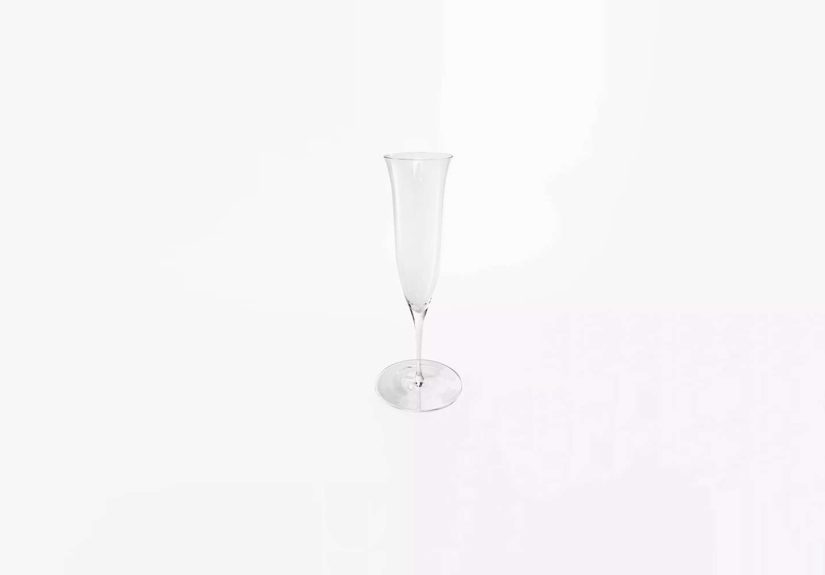
Patrician is especially attractive for people who love early modern design. It carries Hoffmann’s sense of order and rhythm while remaining warm and usable. The series includes water glasses, wine glasses, champagne forms, and other stemware that can build a table setting with real continuity. If your idea of romance is geometric poise and near-weightless crystal, Patrician may be your type.
Alpha No. 267
The Alpha series, designed in 1952, shows another side of Lobmeyr clear glassware. Where Patrician is stemmed and stately, Alpha is more relaxed, rounded, and touch-friendly. The forms are inspired by historic vessels yet adapted for modern life, and they are famously stackable. That small practical detail tells you a lot about the intelligence behind the design: beauty, yes, but also usability.
Alpha pieces are especially good for people who want clear luxury glassware that does not feel intimidating. They are elegant, but not uptight. They work for water, juice, wine, cocktails, and the kind of dinner party where one guest starts discussing architecture and another asks for more ice. Alpha can handle both.
Commodore and Other Modern Classics
Lobmeyr’s appeal is not limited to its earliest icons. Mid-century and later clear crystal designs, including forms associated with Oswald Haerdtl and other designers connected to the house, extend the brand’s visual language into cleaner, more modern territory. The best of these pieces preserve Lobmeyr’s hallmarks of clarity and finesse while speaking to contemporary interiors more directly.
That range matters. A buyer drawn to 19th-century muslin glass may not want the exact same mood as someone furnishing a crisp modern dining space. Lobmeyr succeeds because it can serve both worlds without losing its identity. The through-line is always the same: exceptional material, disciplined design, and a tactile sense of luxury.
Why Museums, Designers, and Collectors Keep Paying Attention
One of the clearest signs of Lobmeyr’s significance is how often the brand appears in museum and design contexts. Works by Lobmeyr have been exhibited by institutions such as MoMA, and pieces tied to the firm and its designers appear in major museum collections. That kind of attention does not happen because a brand has nice product photography. It happens because the work contributes meaningfully to the history of design.
Collectors also appreciate that Lobmeyr has long collaborated with important designers rather than treating design as a decorative afterthought. Names like Josef Hoffmann and Oswald Haerdtl are not random footnotes. They signal a company that understands glassware as a design discipline, not just a tabletop accessory category. In other words, Lobmeyr did not merely make glasses; it helped define what modern glasses could be.
For today’s buyer, that legacy adds value in a practical sense. When you buy Lobmeyr clear glassware, you are not buying trend-chasing table decor. You are buying objects shaped by a long conversation among artisans, architects, designers, and collectors. That conversation still feels alive, which is why new audiences continue to discover the brand instead of filing it away under “historical but irrelevant.”
How Lobmeyr Clear Glassware Performs in Real Life
Luxury glassware can sometimes suffer from a serious image problem: it looks stunning in photographs and mildly terrifying in human hands. Lobmeyr mostly escapes that trap. Yes, the glasses are delicate-looking. Yes, they deserve care. But many pieces are also intended for actual use, not permanent retirement in a cabinet next to wedding china and broken resolutions.
The tactile experience is a huge part of the appeal. A fine rim changes how water, wine, or sparkling drinks meet the mouth. A well-balanced stem changes how the glass feels when lifted. A lighter bowl changes the rhythm of a meal because the object never feels cumbersome. These are small details, but they add up. Good glassware does not just hold a drink; it edits the experience of drinking.
That said, this is not rugged, throw-it-in-the-dishwasher-with-the-casserole kind of glassware. Hand washing is generally the smart move, especially for the finest muslin crystal pieces. Lobmeyr clear glassware rewards careful ownership. Think of it less as high maintenance and more as highly responsive. Treat it well, and it returns the favor every time the light hits the table.
How to Style Lobmeyr Clear Glassware at Home
One reason Lobmeyr clear glassware works so well in interiors is that it can either disappear elegantly or become a focal point depending on the setting. On a maximalist table, it creates visual breathing room. On a minimalist table, it becomes sculpture. That flexibility is rare.
For a classic arrangement, pair Patrician stemware with white porcelain, silver flatware, and linen napkins. The effect is refined without feeling dusty. For a more modern setup, use Alpha tumblers with stoneware plates, natural wood, and low floral arrangements. If you are mixing eras, clear Lobmeyr is especially useful because it connects unlike pieces with a shared sense of restraint.
These glasses also shine in everyday rituals. A bedside carafe, a water tumbler on a work desk, or a single well-designed goblet at lunch can turn routine into ceremony. That may sound dramatic, but that is sort of the point. Lobmeyr excels at making small acts feel considered rather than rushed.
Is Lobmeyr Clear Glassware Worth It?
If you want inexpensive glassware, no. If you want flashy status objects, also no. But if you care about craftsmanship, historic design, tactile pleasure, and the quiet confidence of truly great materials, then Lobmeyr clear glassware earns its reputation.
What you are paying for is not only a name. You are paying for time, skill, lineage, design integrity, and an aesthetic that resists aging out of relevance. You are also paying for the pleasure of using an object that feels unusually thoughtful. In a market crowded with loud luxury and disposable trend pieces, that kind of intelligence is worth noticing.
Lobmeyr clear glassware is not for everyone, and that is part of its charm. It asks for attention, but not admiration. It rewards use, but not carelessness. It is elegant without being snobbish and historic without being stuck in the past. In other words, it has better manners than most people on the internet.
The Experience of Living With Lobmeyr Clear Glassware
Living with Lobmeyr clear glassware is less like owning a set of dishes and more like quietly upgrading the mood of your home. The first thing most people notice is not extravagance. It is lightness. When you pick up a glass, there is a brief moment of surprise, almost suspicion, as if the object has skipped a step in the laws of physics. It feels so fine that your brain expects fragility, yet the balance is so deliberate that the glass sits comfortably in the hand. It is one of those rare objects that makes you more aware of touch.
Morning water feels different in a beautifully shaped tumbler. That sounds absurd until you try it. Coffee may still be coffee, and a rushed weekday may still be a rushed weekday, but a clear Lobmeyr glass adds a pause to the day. It encourages a slower gesture. You pour more carefully. You set the table more intentionally. You start noticing whether the napkins match. Suddenly you are the kind of person who has opinions about candle height.
At dinner, the experience becomes even more obvious. Clear Lobmeyr stemware does not visually crowd the table, so food, flowers, and faces still lead the scene. But every time someone lifts a glass, the line of the silhouette catches the eye. The effect is subtle, not showy. Guests often react in the same sequence: first they say the glasses are beautiful, then they pick one up, then they say some version of “wow, this is light.” That moment happens again and again because the sensation is memorable.
There is also a curious emotional shift that comes with using glassware this refined on ordinary days. You stop saving everything for “someday.” Water with lunch becomes a tiny event. A sparkling drink on the couch feels like a civilized choice rather than a random impulse. Even leftovers can seem less tragic when served with a proper glass. Lobmeyr has a way of making the everyday feel edited, and that may be its greatest luxury.
Of course, ownership also comes with responsibility. You do not slam these glasses into a sink full of pans and hope for the best. Washing them by hand becomes part of the rhythm. Far from feeling annoying, that care can become strangely satisfying. There is something grounding about rinsing a thin crystal glass, drying it gently, and placing it back on the shelf where it catches the late afternoon light like a little architectural object.
Over time, the glasses begin to shape the atmosphere of a home. They signal that beauty and use do not have to be enemies. They invite repetition: another dinner, another toast, another small ritual made better by good design. And that is what the Lobmeyr experience really is. It is not just ownership. It is a repeated encounter with precision, restraint, and pleasure. Not bad for something whose official job description is “hold beverage.”
Conclusion
Lobmeyr clear glassware remains compelling because it brings together history, design rigor, and daily usefulness in a way few luxury brands manage. From iconic muslin glass and Hoffmann’s Patrician stemware to the relaxed practicality of Alpha tumblers, the house proves that clear crystal can be more than decorative. It can shape how a table feels, how a room catches light, and how a simple drink becomes an experience. For buyers who value enduring design over noise, Lobmeyr is not just beautiful glassware. It is a masterclass in elegance with a pulse.