Table of Contents >> Show >> Hide
- What Is the Mingus Pendant?
- Why the Mingus Pendant Still Feels Fresh
- Best Rooms for a Mingus Pendant
- How to Choose the Right Size and Hanging Height
- How to Style a Mingus Pendant Without Making the Room Feel Too Precious
- Is the Mingus Pendant Worth It?
- Living With a Mingus Pendant: Real-World Experience and Atmosphere
- Conclusion
If you have ever looked at a pendant light and thought, “Nice, but does it have to be so aggressively boring?” the Mingus Pendant is here to restore your faith in overhead lighting. Designed by Danish designer Cecilie Manz for Lightyears, now part of Fritz Hansen, the Mingus Pendant has become one of those quietly iconic fixtures that interior designers love because it does not scream for attention. It simply walks into a room, looks composed, and makes everything around it seem a little more intentional.
That is the real charm of the Mingus Pendant. It blends Scandinavian minimalism, sculptural form, and practical everyday lighting into one neat package. It is made from lacquered aluminum, known for its faceted silhouette, and recognized for a flat top detail that lets a soft glow escape upward. In other words, this is not just a lamp. It is a lamp with manners.
In this guide, we will break down what makes the Mingus Pendant special, where it works best, how to style it, and why it continues to hold its own in a world full of trendy light fixtures that burn bright for six months and then disappear into the online clearance aisle. If you are considering a modern pendant light for your kitchen, dining room, or entryway, this one deserves a long look.
What Is the Mingus Pendant?
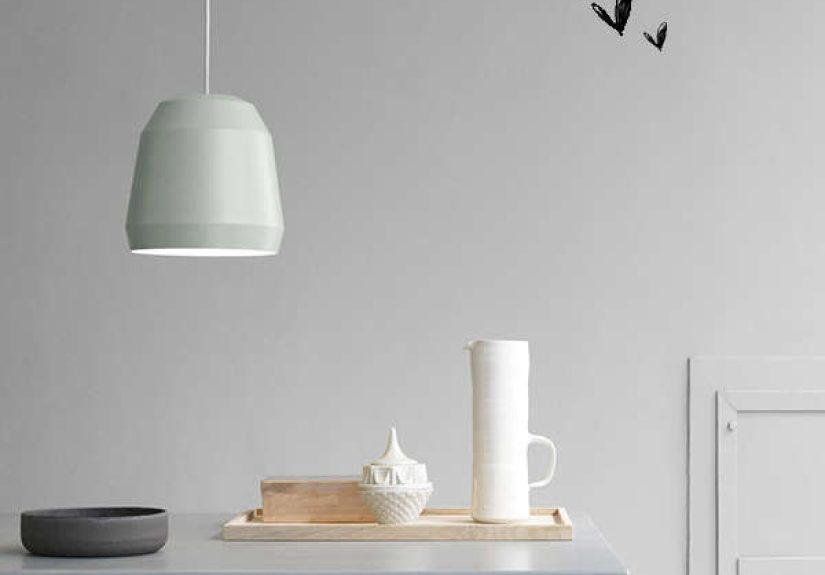
The Mingus Pendant is a modern Scandinavian pendant light designed by Cecilie Manz. It is often associated with restrained Danish design, but “restrained” here does not mean dull. The fixture has a gently rounded, almost organic body that is shaped through four straight facets, giving it a clean geometric edge without making it feel cold. That balance is part of its appeal. It is soft without being sweet, modern without being severe, and minimal without looking like it forgot to finish getting dressed.
Material-wise, the Mingus Pendant is typically described as lacquered aluminum, finished in carefully selected matte tones. That muted color story is one of the product’s signatures. Rather than offering a random rainbow of options, the palette feels curated and architectural. The effect is subtle but important: the lamp reads as an object of design, not just a utility hanging from the ceiling.
Another standout feature is the top of the shade. Instead of being fully enclosed, the lamp includes an acrylic element that allows a small amount of light to escape upward. That detail helps soften the look of the light in the room while still keeping the main illumination directed downward. Translation: you get focused light where you need it, without turning your dining table into an interrogation scene.
Why the Mingus Pendant Still Feels Fresh
A Shape That Does More Than Sit There
Some pendant lights are round. Some are cone-shaped. Some look like they were designed during a very emotional geometry lesson. The Mingus Pendant lands in a more interesting middle ground. Its faceted form gives it visual structure, while its overall silhouette stays calm and approachable. That makes it easy to use in a wide range of interiors, from warm minimalist homes to modern farmhouse spaces to polished urban apartments.
Because the shape is distinctive without being loud, the lamp works as a focal point but does not hijack the whole room. It plays well with wood tables, stone countertops, painted cabinetry, textured plaster walls, and even those brave homeowners who insist on mixing black metal, brushed brass, and walnut in one room. The Mingus Pendant is surprisingly diplomatic.
Color Choices With Actual Taste
One reason the Mingus Pendant feels more elevated than many mass-market pendant lights is its color palette. The matte finishes are subtle, earthy, and sophisticated. Instead of relying on high gloss or flashy metallic coatings, the lamp leans into tones that complement interiors rather than dominate them. That gives it a timeless quality. A trendy fixture can date a room faster than a “Live, Laugh, Love” sign at a design convention, but the Mingus Pendant tends to age gracefully.
Functional Light Without Harsh Glare
Good pendant lighting should do two jobs at once: provide useful illumination and contribute to the mood of the room. The Mingus Pendant handles both. Its metal construction helps direct light downward, making it especially effective above dining tables, kitchen islands, and work surfaces. At the same time, the soft top glow and carefully considered form keep the fixture from feeling harsh or clinical.
That combination matters more than people think. A beautiful pendant that casts unpleasant light is basically decorative betrayal. The Mingus Pendant avoids that trap by making focused light feel comfortable and refined.
Best Rooms for a Mingus Pendant
Dining Room
This may be the Mingus Pendant’s natural habitat. Over a dining table, it creates a clean visual anchor and delivers direct light where people actually need it. Because the shade helps guide light downward, the table feels defined and intimate, which is exactly what you want in a dining space. It turns dinner into an occasion, even if dinner is just leftover pasta and a vague promise to cook better tomorrow.
For round tables, a single Mingus Pendant can feel sculptural and balanced. For longer rectangular tables, multiple pendants or a carefully chosen larger size can create rhythm and improve light coverage. The key is proportion. The fixture should feel intentional, not like it wandered in from another room.
Kitchen Island
The Mingus Pendant also works beautifully over a kitchen island, especially in kitchens that lean modern, Nordic, transitional, or clean-lined traditional. Because pendant lighting over islands usually needs to support both task lighting and visual style, the Mingus Pendant makes sense on both fronts. It is decorative enough to elevate the room, but practical enough to help with chopping, plating, reading recipes, and pretending you know how to julienne something.
If you are using more than one pendant, spacing matters. Designers and lighting guides commonly recommend centering fixtures, leaving visual breathing room at the edges of the island, and hanging them at a height that preserves sightlines while still delivering effective light.
Entryway, Breakfast Nook, or Corner Table
Because the Mingus Pendant has such a composed silhouette, it can also work in smaller spaces where you want one strong statement piece. In an entryway, it gives the home an immediate sense of polish. In a breakfast nook, it adds intimacy and shape. Over a side table or reading corner, it can feel architectural and unexpected. This is not the kind of pendant that only works in magazine-perfect kitchens. It is versatile enough to move around the house without losing its cool.
How to Choose the Right Size and Hanging Height
Even the best pendant light can look awkward if it is hung too high, too low, or in the wrong size. The Mingus Pendant benefits from the same basic placement rules that apply to other well-designed pendants. Over dining tables and kitchen surfaces, a common recommendation is to hang the bottom of the fixture roughly 28 to 36 inches above the table or countertop. That range generally gives you useful task lighting without blocking views across the room.
In dining rooms, many guides also suggest keeping the pendant proportionate to the table, rather than trying to fill every inch of airspace. A little breathing room makes the fixture feel deliberate and elegant. For kitchen islands, leaving some space between pendants and the edges of the island helps prevent a crowded look. If you are hanging multiple fixtures, consistent spacing matters just as much as the fixture itself.
The Mingus Pendant is especially effective when treated like a design object instead of a purely technical appliance. Yes, measurements matter. But so does the mood you want. Lower hanging can feel intimate and dramatic. Slightly higher placement can feel airy and flexible. The trick is to make the light serve the room, not the other way around.
How to Style a Mingus Pendant Without Making the Room Feel Too Precious
The easiest way to style the Mingus Pendant is to let it do what it already does well: bring shape, color, and refinement to the room. It pairs beautifully with natural wood, soft whites, stone, matte black accents, muted greens, and warm neutrals. If your space already has a layered palette, the lamp can reinforce it. If your room is more restrained, the lamp can act as the visual punctuation mark.
In Scandinavian-inspired interiors, it looks right at home with oak furniture, wool textiles, and minimal clutter. In more eclectic spaces, it can act as the calming element that prevents the room from becoming visually noisy. In modern farmhouse or transitional settings, the Mingus Pendant can be the piece that nudges the room away from cliché and toward something more thoughtful.
One especially smart styling move is to echo the fixture’s finish elsewhere in the room. That does not mean matching everything exactly. It just means repeating the lamp’s mood. A dusty green or gray pendant can feel even more cohesive when paired with quiet textile colors, understated ceramics, or natural finishes nearby.
Is the Mingus Pendant Worth It?
If you value lighting that combines design credibility, everyday usefulness, and long-term style, the Mingus Pendant is easy to appreciate. It is not trying to be the loudest object in the room. It is trying to be one of the smartest. That is often a better investment.
What sets it apart is the way it balances opposites. It is sculptural, but not showy. Minimal, but not sterile. Practical, but still expressive. Plenty of pendant lights can brighten a surface. Fewer can do that while also making the room feel more composed and considered.
For homeowners, stylists, and design lovers who want a modern pendant light with real staying power, the Mingus Pendant remains an appealing choice. It reflects the kind of design thinking that does not go out of fashion every time a new trend arrives on social media wearing boucle and demanding attention.
Living With a Mingus Pendant: Real-World Experience and Atmosphere
Living with a Mingus Pendant is one of those design experiences that sneaks up on you. At first, you notice the shape. Then you notice the finish. Then, after a few days, you realize the whole room feels more grounded, and that is when the light really starts showing off. Not in a peacocking way. More in a calm, “I understood the assignment” way.
In the morning, the Mingus Pendant tends to read like sculpture. When the natural light is strong, the matte finish and faceted body give it presence without demanding center stage. It just hangs there looking quietly intelligent, the way certain well-designed objects do. It has enough personality to be noticed, but not so much that you build the entire room around it unless you want to.
By late afternoon and into the evening, the experience changes. Once the lamp is on, the room starts to feel more intimate. Over a dining table, it creates a visual zone that makes the table feel like the place where things happen. Dinner conversations feel a little cozier. Coffee tastes more intentional. Even takeout somehow gets promoted. The downward light makes the surface useful, while the gentle glow above and around the fixture softens the whole effect.
That is probably the biggest surprise for people seeing the Mingus Pendant for the first time. Because the form is so clean and controlled, some assume the light will feel cold. In practice, it often feels warmer than expected, especially when paired with the right bulb and a dimmer. Instead of flattening the room, it tends to shape it. Instead of making everything bright, it makes the important things visible.
There is also something satisfying about how the Mingus Pendant changes with its surroundings. Over a rustic wood table, it feels crisp and modern. Over stone or marble, it looks polished and architectural. In a simple white kitchen, it adds depth. In a room with color and texture, it acts like an editor, bringing order without taking away character.
On a practical level, people who choose this kind of fixture usually appreciate that it does not feel disposable. It is not the sort of pendant you replace just because the trend cycle moved on. It has enough design integrity to live with for years, and that matters. Good lighting is part utility, part atmosphere, part emotional trickery. It changes how a room feels when you walk into it at the end of the day. The Mingus Pendant is especially good at that last part.
And then there is the simple pleasure factor. You glance up, and the lamp still looks good. That should not be revolutionary, but it is. Plenty of fixtures look impressive in a showroom and oddly dramatic at home. The Mingus Pendant usually does the opposite. It settles in, becomes part of the daily rhythm, and makes ordinary routines feel better composed. You flip it on for breakfast, work, homework, dinner, or late-night reading, and it keeps proving its point without making a speech.
That, in the end, may be the best compliment any light can receive. It is beautiful, yes. But more importantly, it becomes part of how a room lives.