Table of Contents >> Show >> Hide
- Why Designers Say Strict Minimalism Is Losing Steam
- What Is Replacing Minimalism?
- The Biggest Design Signals Behind the Shift
- Room by Room: How the Post-Minimalist Home Looks Now
- How to Embrace the Trend Without Turning Your Home Into Chaos
- So, Is Minimalism Really Out?
- Experiences: What the Shift Away From Minimalism Feels Like in Real Life
- Conclusion
For years, minimalism ruled the home design universe with the confidence of a person who owns exactly one ceramic vase and somehow makes it look expensive. White walls, spare surfaces, hidden storage, and a strict “less is more” philosophy became the gold standard for stylish living. But according to professional designers, that version of minimalism is losing its grip.
What’s happening instead is more interesting, more human, and frankly more fun. Designers are moving away from interiors that feel sterile, overly staged, or one accidental Amazon box away from emotional collapse. In their place, we’re seeing warm minimalism, quiet maximalism, collected rooms, earthy palettes, vintage pieces, layered textures, and homes that actually look like somebody joyful lives there.
That does not mean simplicity is dead. It means the cold, rigid, showroom version of minimalism is being replaced by something softer and more personal. The new goal is not to own the fewest things possible. It is to create a home with comfort, character, and intention.
Why Designers Say Strict Minimalism Is Losing Steam
The biggest reason minimalism is falling out of favor is simple: people got tired of living in spaces that looked polished but didn’t always feel good. For a while, ultra-minimal interiors represented discipline, taste, and modern sophistication. Then real life barged in with books, pets, kids, hobbies, blankets, coffee mugs, and the radical idea that homes should support living, not just impress guests for seven minutes.
Professional designers have been noticing that clients want spaces with more soul. Instead of asking for rooms that look empty on purpose, homeowners are asking for rooms that feel layered, collected, and emotionally warm. That means more color, more texture, more art, more meaningful objects, and fewer spaces that look like they are waiting for a furniture delivery that never comes.
Another factor is trend fatigue. Minimalism was so dominant for so long that it started to feel formulaic. White sofa. Beige rug. Oak coffee table. One branch in a vase. Repeat. Once a style becomes too predictable, designers naturally push against it. That pushback is now visible across everything from furniture shapes and paint colors to antique sourcing and styling choices.
There is also a cultural shift at play. People increasingly want homes that reflect personality rather than perfection. A room with vintage finds, family pieces, handmade ceramics, layered fabrics, and original art tells a richer story than one built entirely from anonymous “clean lines” and matching neutrals. In other words, the home is becoming less of a stage set and more of a biography.
What Is Replacing Minimalism?
Warm Minimalism
If classic minimalism was the iced coffee of design, warm minimalism is the cinnamon latte. It keeps the restraint, but adds comfort. Instead of stark whites and sharp contrast, warm minimalism leans into creamy neutrals, earthy browns, soft taupes, natural wood, linen, wool, stone, and lighting that doesn’t make everyone look like they’re being interrogated.
This approach still values editing and simplicity, but it avoids emptiness. There may be fewer objects in the room, yet the objects that remain have texture, shape, and meaning. A sculptural chair, a handcrafted bowl, a softly curved sofa, and a large piece of personal art can do more than a dozen generic accessories ever could.
Quiet Maximalism
Maximalism is back, but not always in the loud, peacock-feather, every-wallpaper-at-once way people imagine. Designers are also embracing quiet maximalism, a more controlled version of abundance. Think layered but thoughtful, expressive but not chaotic. It may show up through stacked books, patterned textiles, vintage lamps, collected ceramics, mixed wood tones, and walls that are rich rather than empty.
Quiet maximalism works because it gives people the emotional payoff of a lived-in, interesting home without turning the space into a visual shouting match. It is the difference between a beautifully curated library and a garage sale with good lighting.
Collector’s Homes
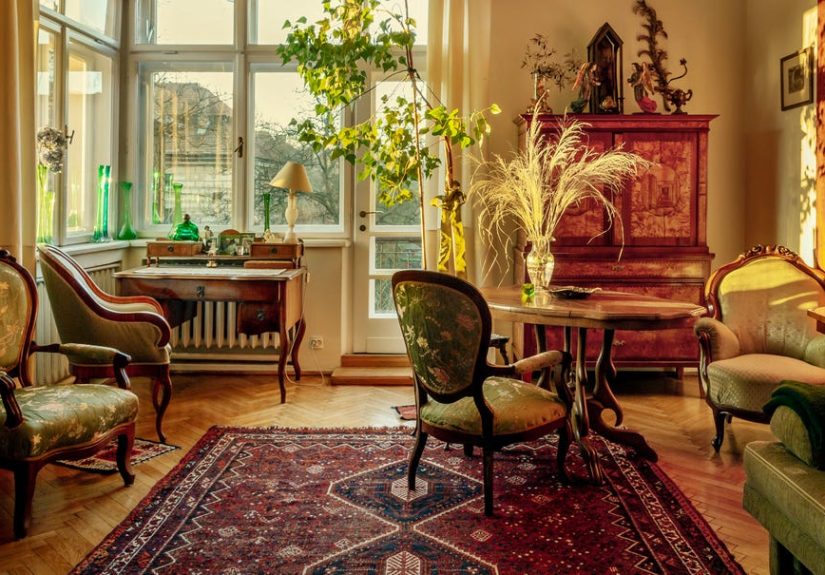
Another growing alternative to minimalism is the “collected” interior. Designers report that clients increasingly want homes filled with pieces that look discovered rather than delivered in one batch. That includes antiques, flea-market finds, artisan-made decor, heirloom textiles, secondhand furniture, and original art.
Collected interiors feel richer because they are not overly coordinated. A vintage table paired with modern dining chairs. A contemporary sofa next to an antique cabinet. A moody paint color under a traditional pendant. These combinations create depth and individuality, which are exactly the qualities many minimalist interiors lacked.
The Biggest Design Signals Behind the Shift
Color Is Back in a Big Way
Perhaps the clearest sign that minimalism is no longer the reigning champion is color. Designers are embracing earthy, saturated, and moodier shades instead of endless white-on-white schemes. Burgundy, olive, mocha, aubergine, deep green, rust, ochre, plum, and tobacco tones are gaining momentum because they make rooms feel grounded and expressive.
Color drenching is another major clue. Rather than using white walls as a neutral default, designers are painting walls, trim, and sometimes ceilings in the same tonal family to create enveloping, dramatic spaces. The effect is cozy, sophisticated, and the opposite of “blank canvas syndrome.”
Even playful color is finding its way back into interiors. Primary tones, painted furniture, bold trim, and unexpected color pairings are showing up in homes that want a little more joy and less caution. Apparently, the era of being emotionally supervised by beige is winding down.
Texture Matters More Than Ever
Minimalist rooms often depended on visual restraint, but today’s interiors are leaning into tactile richness. Designers are layering bouclé, linen, velvet, wool, raw wood, aged metal, hand-thrown ceramics, natural stone, and woven materials to create spaces that feel inviting on every level.
This obsession with texture makes sense. In a world where so much of life happens on screens, people want homes that feel sensory and real. Texture gives warmth without necessarily adding clutter. A plaster wall, a heavy linen curtain, a nubby rug, or a marble side table can instantly make a room feel more nuanced and complete.
Curves and Sculptural Forms Are Softening the Look
Designers are also moving away from overly angular, severe furnishings. Curved sectionals, rounded coffee tables, arched mirrors, soft-edge case goods, and organic silhouettes are helping interiors feel more relaxed and approachable. These shapes bring movement and softness, which is especially important in homes that previously leaned too hard into boxy modernism.
Sculptural furniture also allows even pared-back rooms to have personality. A single curvy lounge chair or a statement pedestal table can give a simpler space the visual interest it needs without relying on clutter.
Vintage, Antiques, and Craftsmanship Are In
One of the strongest designer-driven moves away from minimalism is the renewed appreciation for pieces with patina, history, and craft. Instead of buying fast furniture that looks trendy for one season, more homeowners are prioritizing investment pieces, handcrafted details, reclaimed materials, and vintage decor.
This shift is about more than aesthetics. It reflects a broader desire for authenticity and longevity. A room built from meaningful, well-made pieces will almost always feel more compelling than one assembled entirely around trend compliance. Homes are becoming less about perfection and more about permanence.
Room by Room: How the Post-Minimalist Home Looks Now
Living Rooms
The living room is where the anti-minimalist shift is easiest to spot. Designers are replacing pale, barely-there spaces with richer palettes, plush fabrics, layered lighting, bookshelves with personality, and coffee tables that actually hold things. Imagine a velvet sofa, a vintage side table, a stack of art books, moody paint, and a lamp with some character. Suddenly the room has a pulse.
Kitchens
In kitchens, the all-white formula is giving way to bolder materials and more visual depth. Statement marble, dramatic veining, warmer woods, earthy cabinetry, and collected details are making kitchens feel less clinical. Even when the layout stays clean, the finishes are becoming more expressive and tactile.
Bedrooms
Bedrooms are trending cozier too. Instead of flat white bedding and one lonely throw pillow doing all the emotional labor, designers are layering quilts, textured coverlets, patterned drapery, upholstered headboards, and warmer paint colors. The goal is a room that feels restorative, not just tidy.
How to Embrace the Trend Without Turning Your Home Into Chaos
The good news is that you do not need to abandon simplicity altogether to move beyond outdated minimalism. In fact, the most successful interiors still feel edited. The difference is that the editing is personal rather than sterile.
- Start with warmth: Swap icy whites for cream, mushroom, camel, clay, olive, or cocoa tones.
- Add texture before adding more stuff: Rugs, curtains, wood, stone, and upholstery can transform a room fast.
- Mix old and new: One antique or vintage find can make a space feel instantly more layered.
- Choose meaningful decor: Display books, travel finds, ceramics, or art that reflect actual life.
- Try quiet maximalism first: Build depth through pattern, color, and materials without overcrowding every surface.
- Let one statement piece lead: A bold sofa, dramatic lamp, or large artwork can carry the room.
The smartest way to update your home is not to chase “more” for the sake of it. It is to choose elements that make the space feel warmer, richer, and more unmistakably yours.
So, Is Minimalism Really Out?
Yes and no. If by minimalism you mean the cold, sparse, all-white aesthetic that dominated the 2010s, then yes, designers are clearly moving on. That look now reads a bit too safe, too generic, and too detached from how people actually want to live.
But if by minimalism you mean intentional design, thoughtful editing, hidden storage, and a preference for quality over clutter, then no, those ideas are not disappearing. They are evolving. What designers are really rejecting is not simplicity itself, but soulless simplicity.
The new era of interiors is more flexible. It allows a home to be calm without being empty, stylish without being staged, and personal without being messy. That is a much more livable formula, and it explains why so many professionals are ready to leave strict minimalism behind.
In other words, minimalism did not exactly get kicked out of the house. It just had to loosen up, put on a textured throw, and make room for a few beautiful things with a backstory.
Experiences: What the Shift Away From Minimalism Feels Like in Real Life
One of the most interesting things about this trend is how emotional it is. People do not just change their homes because a designer says burgundy is back or because curvy furniture has taken over mood boards. They change their homes because they want to feel different inside them. And that is where the fall of strict minimalism becomes easy to understand.
Living in an ultra-minimal space can feel amazing at first. The room looks clean. The surfaces are clear. The visual noise is gone. For a little while, it feels like your life has been promoted. But over time, many people discover that the room also feels strangely untouchable. You hesitate to leave a book on the table. You do not want to add a blanket because it might ruin the look. The space is beautiful, but it can start to feel like you are borrowing it from a very stylish landlord.
By contrast, a layered home tends to feel more generous. A chair with a soft throw invites you to sit down. A shelf with books and ceramics gives your eye somewhere to wander. A vintage lamp, a framed photo, or a piece of art you actually love makes the room feel anchored in memory rather than trends. The experience is less about maintaining a look and more about enjoying a place.
There is also relief in not having to make everything match perfectly. Many people are tired of rooms that seem to require total coordination to feel successful. When designers talk about collected interiors, quiet maximalism, or warm minimalism, they are really describing homes with a little more breathing room for personality. A hand-me-down side table can stay. A flea-market mirror can work. Your favorite weird little ceramic bird does not have to live in a drawer anymore.
Another common experience is that richer rooms often feel calmer, not busier, when they are done well. That surprises people. They assume minimalism equals peace and layering equals stress. But warmth, texture, softer light, deeper color, and meaningful objects can make a home feel emotionally safer. The room stops feeling like a test you might fail and starts feeling like support.
That is why this design shift matters. It is not just about decorating trends. It is about permission. Permission to keep beauty and comfort in the same room. Permission to own things that tell a story. Permission to let a home reflect a real life instead of an edited fantasy. For many people, that feels less like abandoning good taste and more like finally relaxing into it.
Conclusion
Professional designers are not declaring war on simplicity. They are declaring independence from interiors that feel rigid, impersonal, and overly rehearsed. The homes winning now are warmer, moodier, more tactile, more collected, and more reflective of the people who live in them. That could mean quiet maximalism, earthy color drenching, sculptural furniture, artisan-made decor, or just a minimal room with enough warmth and meaning to feel alive.
So yes, minimalism is outat least the chilly, copy-paste version of it. What is in now is a home with substance, softness, and a point of view. And honestly, that sounds like a much nicer place to sit down.