Table of Contents >> Show >> Hide
- What Is Willow Garden Fencing, Exactly?
- Why Gardeners Love Willow Fencing
- Willow Hurdles vs. Living Willow Fences
- Where Willow Garden Fencing Works Best
- How to Choose the Right Willow Fence for Your Yard
- Installation Basics That Make a Big Difference
- Maintenance, Longevity, and the Reality Check Section
- Design Ideas That Actually Work
- Real-World Experiences With Willow Garden Fencing
- Conclusion
If your garden feels like it needs a little structure but you are not emotionally ready for a fortress of vinyl, willow garden fencing might be your happy middle ground. It is rustic without trying too hard, practical without looking bossy, and charming in the kind of way that makes even a tomato bed look like it has a design degree. Willow fencing has been used for ages in woven panels, low wattles, hurdles, and living fences, and it keeps showing up in modern outdoor spaces because it does something many hard materials struggle to do: it blends in beautifully while still doing real work.
Today’s interest in willow garden fencing is not just about looks. Gardeners use it to edge raised beds, soften patios, divide outdoor rooms, support climbing plants, screen less-than-lovely views, and create natural boundaries that feel warmer than metal and less stiff than standard wood panels. Some versions are made from dried woven willow rods, while others are created from live willow whips that root, leaf out, and gradually become a living fence. That means this one topic actually covers two personalities: the ready-made decorative fence and the planted, growing barrier that starts as craft and ends as landscape.
In other words, willow garden fencing is the rare outdoor feature that can be both a design move and a gardening strategy. It can be airy or dense, temporary or long-lasting, decorative or practical. It can frame a kitchen garden, line a path, act as a wind-softening screen, or help a messy corner look intentionally “cottage chic” instead of “I absolutely meant to leave that rake there for three weeks.”
What Is Willow Garden Fencing, Exactly?
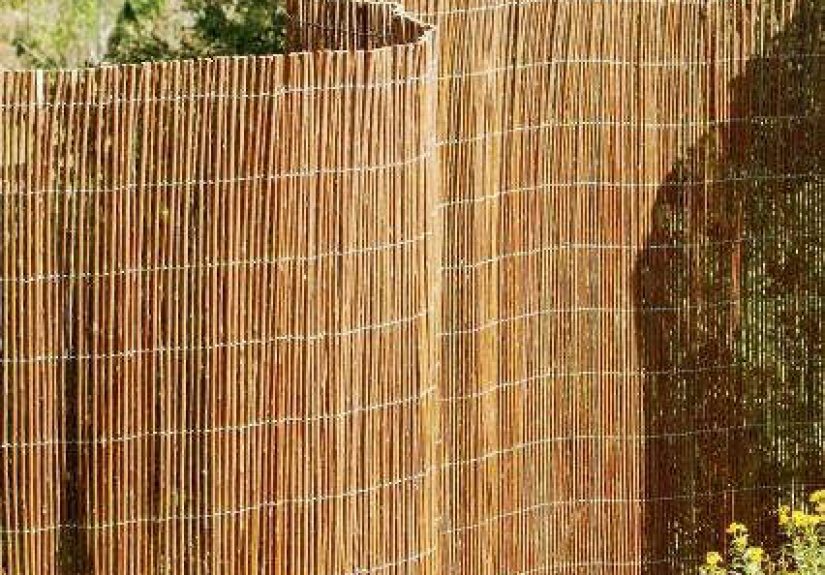
At its simplest, willow garden fencing is fencing made from flexible willow rods or branches woven into a structure. The most common styles include low woven wattles for bed edging, hurdle panels for small privacy screens or sectioning off space, rolled willow fencing for covering an existing fence or adding texture to a wall, and living willow fencing made by planting fresh willow whips into moist soil and weaving them together as they grow.
The appeal starts with the material itself. Willow is prized for being flexible, fast-growing, and easy to shape. Those qualities make it useful for trellises, sculptures, floral work, woven barriers, and fencing. In the garden, that flexibility translates into curves, soft lines, and a hand-crafted appearance that feels more organic than rigid panel fencing. It also means willow is surprisingly versatile. A low woven border can hold the edge of a bed together visually, while taller hurdle-style panels can create a backyard divider that reads as intentional rather than imposing.
There is also a style difference worth noting. Willow fencing is not usually meant to look machine-perfect. Natural variation in rod thickness, color, and weave is part of its charm. That slightly irregular texture is exactly why it works so well in cottage gardens, pollinator gardens, herb beds, kitchen gardens, and relaxed outdoor spaces where you want structure but not severity.
Why Gardeners Love Willow Fencing
Willow fencing earns its fan club honestly. First, it looks good with almost everything. Brick paths, gravel walks, raised vegetable beds, native plant borders, and old-fashioned flower gardens all benefit from that woven texture. Second, it is useful in ways that go beyond decoration. Low willow wattles can visually tidy beds and help keep soil where it belongs. Taller woven panels can divide spaces, guide foot traffic, and create light screening without shutting out air and sunlight entirely.
That last part matters more than people think. A completely solid fence can feel heavy in a smaller yard. Willow, by contrast, often provides a softer barrier. Some rolled willow products are openly marketed as semi-privacy screens rather than total privacy fencing, which is actually a benefit in many gardens. You get separation and texture without the feeling that your tomatoes are serving time.
There is also the sustainability angle. Willow is a renewable natural material, and living willow fences go one step further by functioning as planted boundaries. In the broader landscape world, living fences and hedgerow-style plantings are valued for benefits such as habitat, biodiversity, wind buffering, and visual softness. Even when your backyard version is much smaller than a farm hedgerow, the design logic still applies: living boundaries can do more than mark an edge. They can also add life, seasonal interest, and ecological value.
Willow Hurdles vs. Living Willow Fences
Woven Willow Hurdles and Panels
If you want fast results, woven willow hurdles are the obvious winner. These are pre-made panels that can be attached to posts, leaned as screens, or used to section parts of the garden. They are ideal for someone who wants the willow look this weekend, not three growing seasons from now. Hurdles are especially good for kitchen garden borders, hiding bins, softening a patio edge, or adding character to a plain fence line.
They are also easier to predict. You know the height, width, and style on day one. Manufacturer guidance for some willow hurdle panels suggests an outdoor life of roughly eight years, while some rolled willow fences are marketed as lasting up to ten years depending on climate, care, and installation. That is not forever, but it is long enough to make them a solid decorative investment for many outdoor spaces.
Living Willow Fences
A living willow fence is the romantic option. It starts with fresh willow whips cut before leaf-out in spring, then pushed into moist prepared soil and woven into forms such as overlapping loops, arches, tunnels, or linear screens. Because willow roots readily, those whips can leaf out and turn into a living structure. It is part fence, part garden feature, part mild act of optimism.
Living willow fencing is best for gardeners who like projects that evolve. It requires patience, moisture, and regular shaping. But the payoff is huge: the fence changes with the seasons, softens the landscape, and feels less like an add-on and more like part of the site itself. In the right spot, it can become a boundary, a sculptural accent, and a conversation starter all at once.
The trade-off is maintenance. Extension guidance on living fences makes it clear that the effect does not maintain itself. Frequent pruning, training, and occasional severe cutting are part of the package. If that sounds fun, wonderful. If that sounds like a future argument with your pruners, you may be happier with a woven hurdle panel.
Where Willow Garden Fencing Works Best
Willow fencing is one of those rare outdoor materials that works in both tiny and generous landscapes. In a small yard, it can turn one plain area into two useful zones without making the space feel boxed in. In a larger landscape, it can help organize the view, define circulation, and make beds look intentional instead of vaguely hopeful.
Best Uses for Willow Garden Fencing
Vegetable gardens: Low willow borders and wattles are excellent around raised beds, herb gardens, and potager-style layouts. They create a neat edge and reinforce that productive-but-pretty look many homeowners want.
Pathways and transitions: A short willow fence can guide movement without feeling like a hard stop. It is especially effective along gravel or mulch paths where you want definition but not bulk.
Outdoor rooms: Taller panels can separate a dining area from a work zone, frame a seating nook, or hide utilitarian features such as compost bins, hose storage, or air-conditioning equipment.
Climbing support: Willow can also function as a trellis-like support for peas, beans, light flowering vines, and other climbers. The look is especially good when the fence and the plants feel like they belong together rather than meeting awkwardly for the first time.
Moist, naturalistic areas: Living willow fences make the most sense where the soil stays reasonably moist or can be irrigated. Willow is hardy, but live structures perform best when they are not being asked to survive in bone-dry misery.
How to Choose the Right Willow Fence for Your Yard
Start with the job. Are you screening, edging, defining, decorating, or growing? If you need immediate structure, buy woven willow panels or rolled fencing. If you want a living sculptural feature, plan a live willow project. If your main goal is privacy, read the product description carefully. Many willow screens are decorative or semi-private rather than fully opaque.
Next, think about scale. A low border around a raised bed can be charming. The same border around a wide-open backyard may disappear visually. On the other hand, a six-foot willow screen might feel magical in a side yard and comically dramatic around a lettuce patch. Match the height and density to the space and to the function.
Then consider climate and maintenance. Natural willow will weather over time, and some products may fade to gray outdoors. That weathered patina can be gorgeous, but it is a choice. If you prefer the warmer brown tones, a protective sealer may help preserve the appearance longer. For living fences, the real question is not just weather. It is whether you are willing to prune, train, and occasionally rework the structure. A living fence is not decor. It is a relationship.
Installation Basics That Make a Big Difference
The success of willow garden fencing often comes down to installation. For woven hurdle panels, secure attachment matters. Product guidance commonly recommends sturdy round stakes or posts sized to the panel height, careful alignment, and fastening through the uprights with screws or ties. Bracing between posts can help prevent sagging, especially on larger panels. The more solid the install, the better the lifespan and the cleaner the look.
Some willow hurdles are flexible enough to accommodate curves, which is great news for gardeners who have never once designed a perfectly straight bed edge in their lives. If the panel needs bending, some manufacturers advise soaking it before installation to make the willow more pliable. That is one of those low-drama prep steps that saves a lot of high-drama snapping later.
Rolled willow fencing is often easier for DIY use because it can be attached to existing structures, resized, clipped, or trimmed for fit. That makes it a smart option if your goal is upgrading an ugly chain-link fence, softening a wall, or creating an instant natural backdrop for a patio. Just remember that many rolled willow products are decorative screens, not security barriers. Beautiful, yes. Bank vault, no.
For living willow fences, installation begins in the soil rather than on the post. Fresh whips are typically set into moist prepared ground in spring, then woven as they grow. Vertical stakes can help stabilize thin whips, especially during the first stages. Consistent watering during establishment matters. So does spacing. Give the plants enough room to root well, but not so much that the design looks patchy for half a decade.
Maintenance, Longevity, and the Reality Check Section
Let us talk honestly. Willow fencing is lovely, but it is not a zero-maintenance miracle. Woven willow panels benefit from occasional cleaning and, in some cases, an outdoor wood sealer or protective finish. Exposure, moisture, and wind all affect lifespan. A sheltered courtyard and an exposed, stormy hillside are not offering the same working conditions.
For decorative woven products, longevity varies. Some hurdle panels are sold with a projected outdoor life of about eight years, while certain rolled willow products suggest up to ten years with proper care and depending on climate. That range makes sense. A fence panel installed securely, kept off constantly wet ground, and cleaned or sealed from time to time will usually age better than one left to fend for itself in standing moisture and full-weather exposure.
Living willow fences have a different maintenance rhythm. Instead of worrying about fade, you are managing growth. Shoots need to be trained, unwanted growth trimmed, and the whole structure encouraged to stay in shape. Without pruning, the crisp woven look softens fast. That can be beautiful in a wild, romantic garden, but less ideal if you were aiming for tidy structure. Think of it like the difference between “storybook boundary” and “the fence has entered its expressive phase.”
Design Ideas That Actually Work
One of the easiest ways to use willow garden fencing well is to let it repeat elsewhere in the garden. A willow hurdle around a raised bed feels more intentional if there is also a willow obelisk, a woven border, or a rustic trellis nearby. That repetition ties the space together.
Another smart move is using willow as a transition material. For example, a formal patio can look less abrupt if a willow screen softens the edge before the eye moves into looser planting beds. Likewise, a productive vegetable patch can feel far more designed when framed with willow wattle edging and a few climbing supports made from the same material.
You can also pair willow fencing with plants that love the same mood. Cottage-style perennials, herbs, ornamental grasses, rambling annual vines, and pollinator-friendly flowers all look naturally at home against woven willow. If you prefer a cleaner, more contemporary garden, willow can still work. Use it in simpler forms, keep lines controlled, and let the texture do the visual heavy lifting.
Real-World Experiences With Willow Garden Fencing
One of the most common experiences people report with willow garden fencing is that it looks even better outdoors than it did in the store or online. Fresh out of the box, a willow panel can seem almost too light or too raw. But once it is set against gravel, brick, mulch, stone, or foliage, the texture starts doing its magic. It catches light differently throughout the day, throws soft shadows, and immediately makes the garden feel more layered. Even a plain bed of herbs somehow looks more intentional when wrapped in woven willow. Apparently, basil enjoys good branding.
Gardeners also tend to notice that willow fencing changes how a space feels, not just how it looks. A short willow border can create a psychological edge that keeps paths readable and beds from visually spilling everywhere. A taller screen can make a seating area feel tucked in and calm without cutting it off from the rest of the yard. That is one of willow’s underrated strengths: it creates enclosure without the claustrophobia that comes with some solid fences.
Another real-world lesson is that installation matters more than expected. People who rush the job often end up with panels that lean, sag, or look oddly temporary. People who take time to space posts correctly, brace larger sections, and secure the panels well usually get a much better result. The fence looks straighter, survives weather better, and ages more gracefully. In other words, willow may look relaxed, but it still appreciates competent engineering.
Living willow fences come with their own set of experiences. The first is delight. Watching bare whips leaf out and turn into a green structure feels a little like garden alchemy. The second is humility. A living fence will not always grow exactly where or how you planned. Some shoots race ahead. Others lag. Some sections fill in beautifully while another spot stares back at you like it missed the memo. Most gardeners who stick with it learn to treat living willow less like a manufactured object and more like a guided collaboration.
People also learn quickly that willow fencing photographs well but behaves like a real garden feature. It weathers. It fades. It catches leaves. It may need trimming, retying, washing, or sealing. Yet that is often part of why owners end up loving it. It does not feel disposable. It feels lived with. Over time, the fence becomes part of the story of the space: the year the vegetable beds expanded, the summer the sweet peas took over, the season the backyard finally felt finished.
And perhaps that is the most consistent experience of all. Willow garden fencing rarely looks flashy. It looks settled. It makes a garden feel more rooted, more thoughtful, and more personal. It is the kind of feature that quietly improves everything around it, which is a pretty impressive job for a bunch of woven sticks.
Conclusion
Willow garden fencing succeeds because it does not force you to choose between usefulness and beauty. It can edge a bed, divide a yard, support climbers, soften hardscaping, and even become a living landscape feature if you want to grow your boundary instead of simply installing it. Woven hurdle panels offer quick charm and practical structure. Living willow fences offer seasonal change and a deeper sense of connection to the garden.
The best choice depends on what you need most: instant definition, rustic style, light screening, or a planted feature with long-term character. Either way, willow fencing brings warmth that many conventional materials cannot match. It is imperfect in all the right ways, and that is exactly why it works. In a world full of outdoor materials trying very hard to look polished, willow strolls in with muddy boots and somehow steals the show.